





The Essence of Traditional Healing
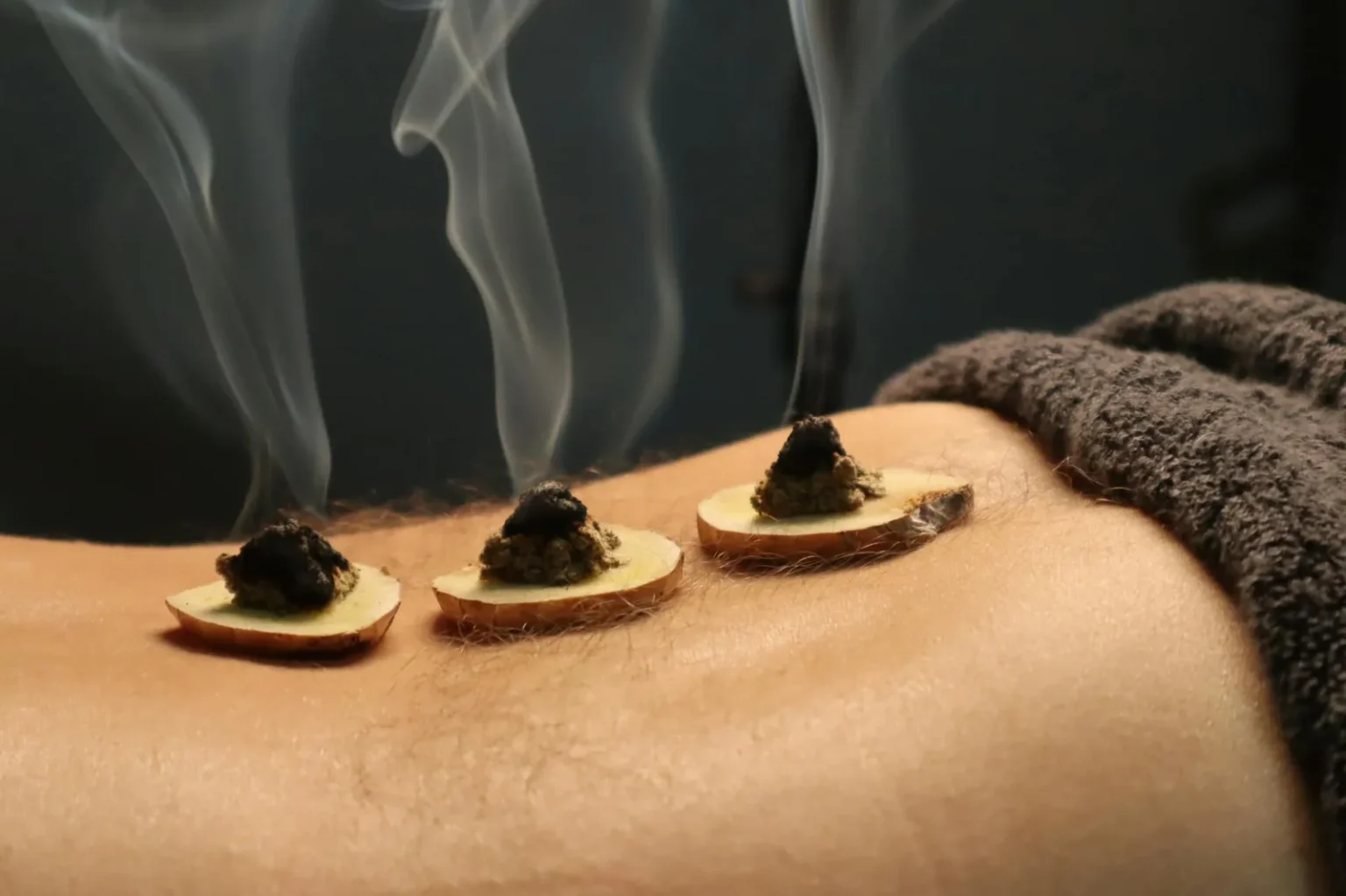
Traditional healing in the Arabian Peninsula encompasses a variety of practices that have been passed down through generations. These methods often reflect the cultural and historical contexts of the region, emphasizing holistic approaches to health. Understanding traditional healing means recognizing its focus on treating the whole person—mind, body, and spirit. For instance, you might find a blend of herbal remedies, spiritual healing, and community support all playing a role in recovery.
Arabian Remedies: Nature’s Pharmacy
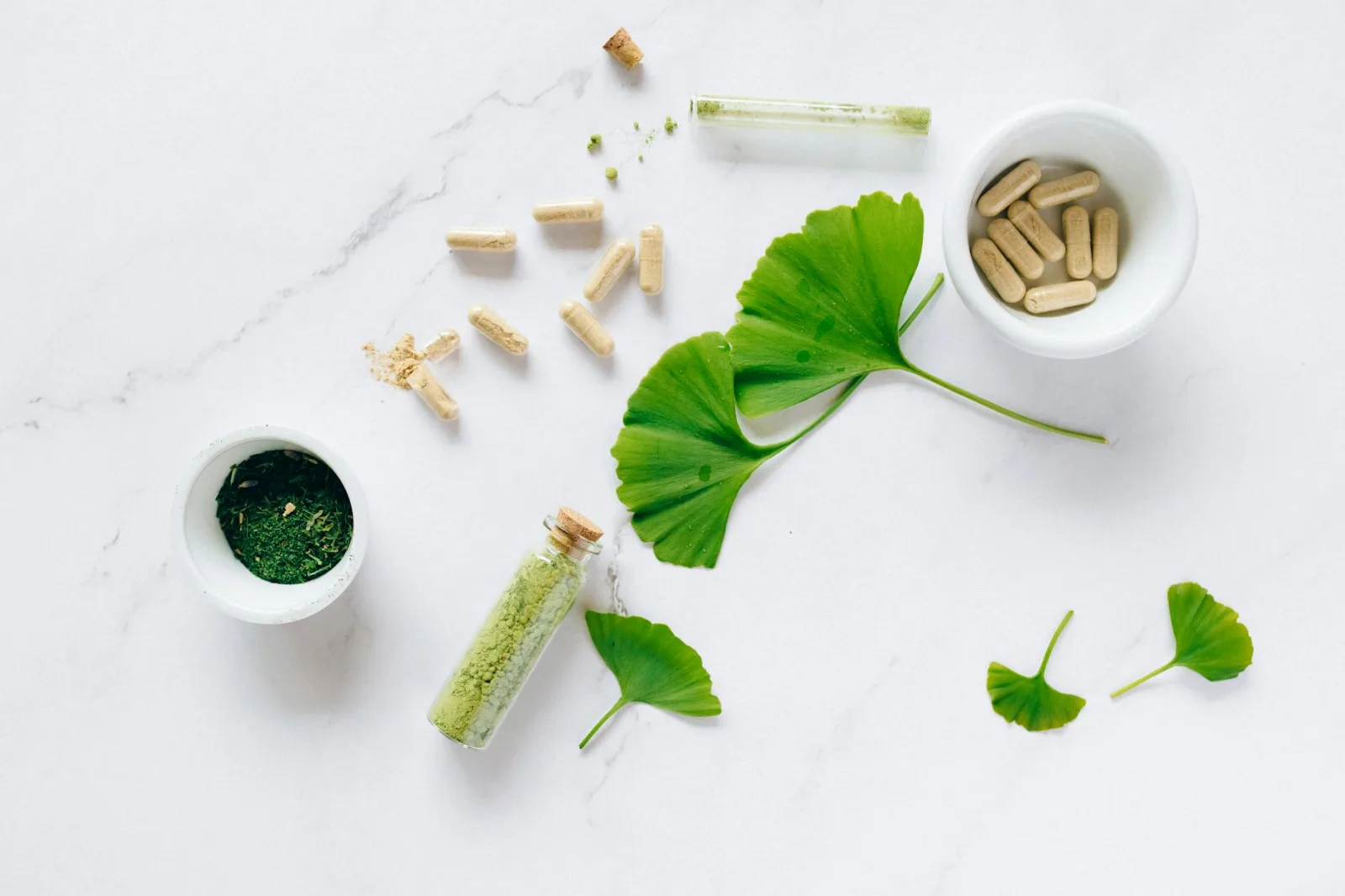
Many traditional Arabian remedies utilize locally sourced herbs and plants. The use of ingredients like ghaf tree leaves and black seed oil is common for various ailments. For example, black seed oil is often heralded for its anti-inflammatory and antioxidant properties. You can easily incorporate these remedies into your wellness routine by exploring local markets where these herbs are sold. Additionally, understanding the preparation methods is essential, as the efficacy of a remedy can depend on how it’s made.
Alternative Medicine: A Holistic Approach
Alternative medicine in the Arabian Peninsula often includes practices such as Hijama (cupping therapy) and aromatherapy. These methods serve to detoxify the body and enhance physical and emotional well-being. Hijama involves creating suction on the skin, which is believed to stimulate blood flow and promote healing. If you’re considering this treatment, ensure you seek a qualified practitioner who adheres to safety standards. On the other hand, aromatherapy utilizes essential oils from native plants, such as frankincense, known for its calming effects. You can explore this practice at home by diffusing essential oils during meditation or relaxation times.
Common Traditional Practices and Their Benefits
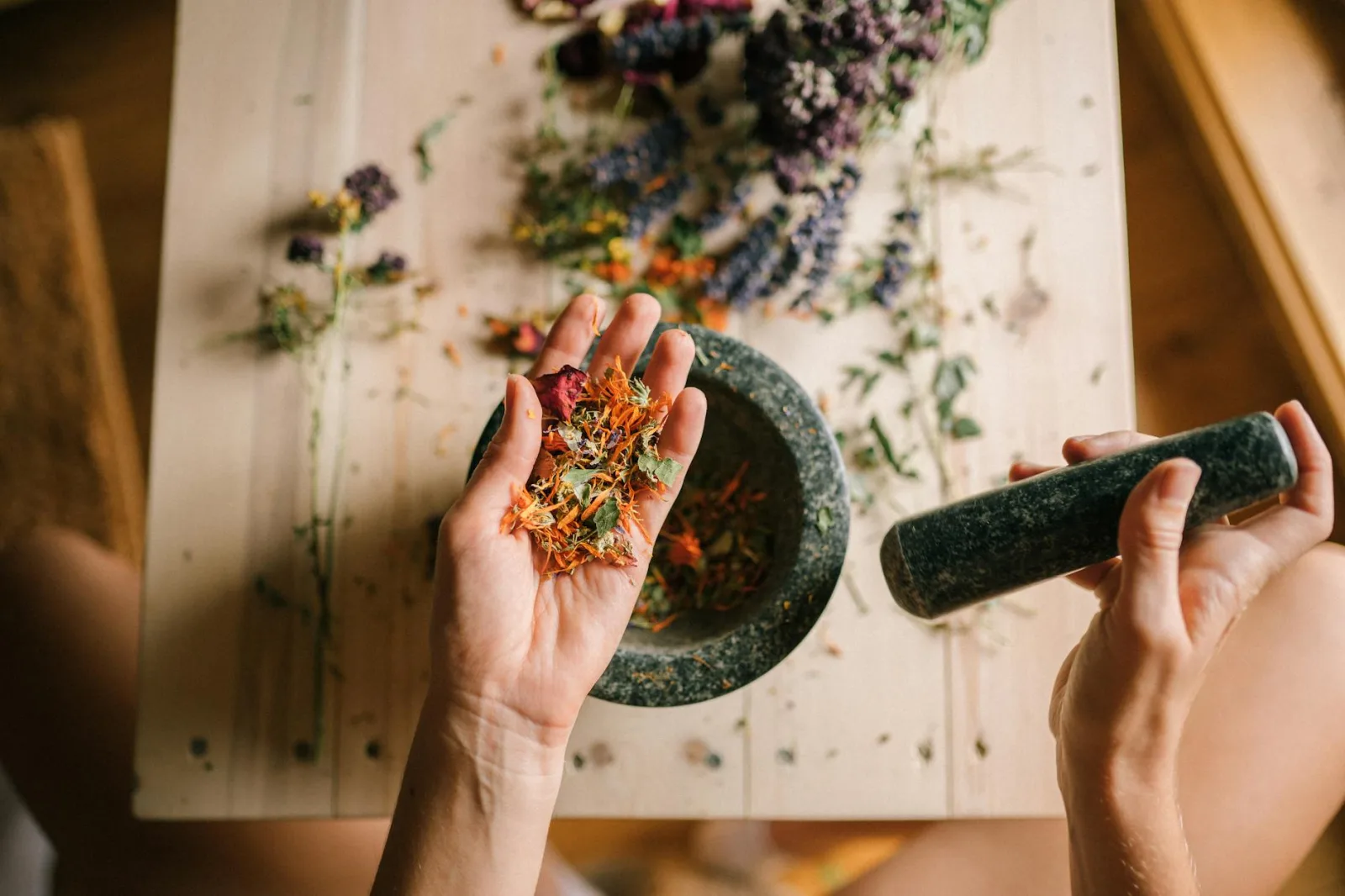
1. **Herbal Infusions**: Many traditional healers recommend herbal teas made from local herbs. For instance, a tea made from sage is often used to aid digestion.
2. **Spiritual Healing**: Some communities engage in rituals that involve prayer and meditation, believed to align the spirit and promote emotional balance.
3. **Dietary Adjustments**: Traditional diets often emphasize whole foods, including grains, fruits, and vegetables, which support overall health. For example, dates are not only a staple food but also considered a superfood that provides energy and nutrients.
Exploring Local Practices: A Step-by-Step Guide
To truly appreciate the hidden healing practices of the Arabian Peninsula, consider the following steps:
- Research Local Traditions: Start by exploring books or online resources about traditional healing in specific Arabian regions. Understanding the context will enhance your appreciation.
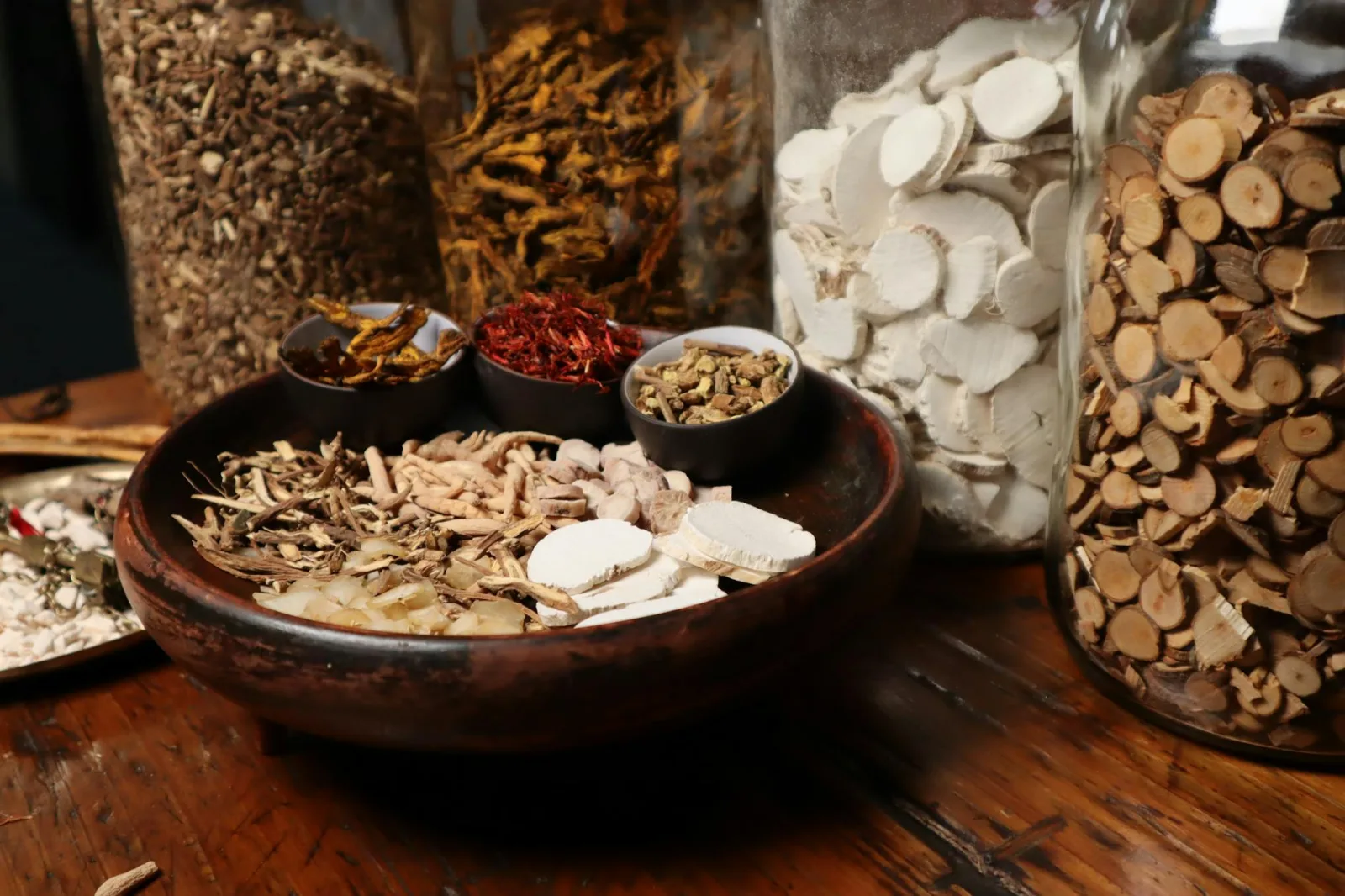
- Visit Herbal Markets: Local markets often feature a variety of herbs and remedies. Don’t hesitate to ask vendors about their uses and preparation methods.
- Engage with Practitioners: If possible, consult with local healers or practitioners. They can provide insights and even demonstrate their methods.
- Incorporate Remedies into Your Routine: Start integrating simple traditional remedies into your wellness practices. This might be as straightforward as brewing a herbal tea or practicing meditation.
- Reflect on Your Experience: Keep a journal to track any changes you notice in your physical and emotional well-being.
Potential Benefits and Considerations
Engaging with traditional healing practices can yield several benefits, including a deeper connection to cultural heritage, improved health outcomes, and greater self-awareness. However, it’s important to approach these practices with an open yet cautious mindset. Always consult healthcare professionals before making significant changes to your health regimen, especially if you have pre-existing conditions or are on medication.
Conclusion: Embrace the Journey of Healing
Exploring the hidden healing practices of the Arabian Peninsula offers a unique opportunity to connect with ancient wisdom and alternative medicine. By understanding traditional remedies and incorporating them into your life, you may find a holistic approach to health that resonates with you. Remember, the journey towards healing is not a destination but an ongoing process of discovery. Whether through herbal remedies, spiritual practices, or dietary changes, the key takeaway is to remain open to new experiences while respecting the traditions that shape them.
For a deeper exploration of the cultural richness of the region, consider reading about Exploring the Mystical Caves of the Arabian Peninsula or Exploring the Hidden Artisan Villages of the Middle East. Each of these journeys reveals the interconnectedness of culture, crafts, and healing practices.