






Understanding Hidden Gastronomy
Hidden gastronomy refers to the unique food cultures and culinary practices that exist in lesser-known areas, often overshadowed by mainstream dining trends. In the Arabian Peninsula, this concept is exemplified through the remote villages where traditional cooking methods and local ingredients create distinctive dishes. These hidden gems not only reveal the rich culinary history of the region but also offer a glimpse into the daily lives of the people who inhabit them.
Why Explore Remote Villages?
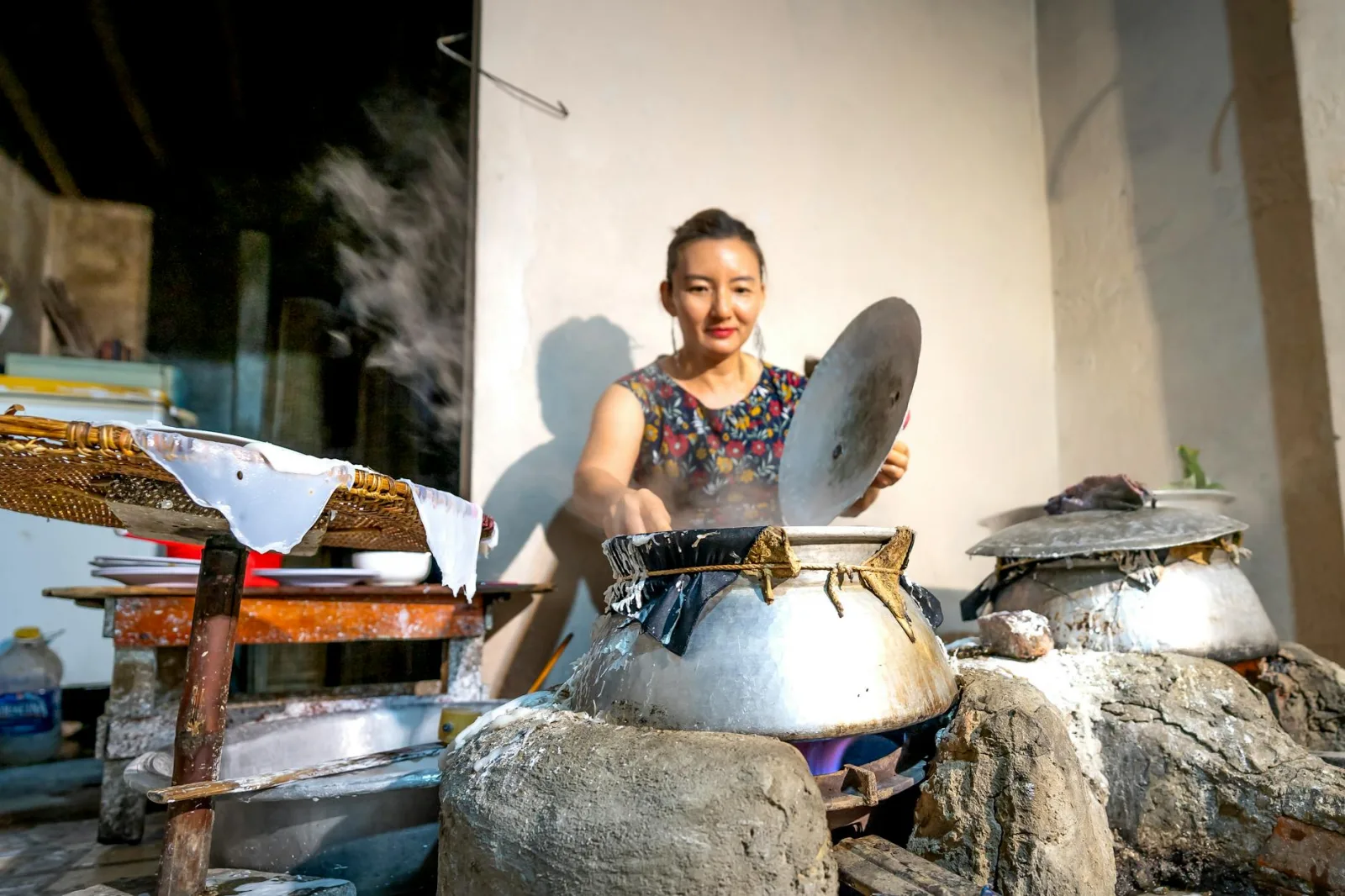
Exploring remote villages provides an authentic experience that is often lacking in tourist-centric locations. In these areas, you can witness the preparation of food as it has been done for generations. For instance, you may encounter locals using traditional clay ovens or stone grinders, which are integral to their culinary practices. You might ask, why is this important? Understanding these methods enriches your appreciation of the cuisine and connects you to the culture of the region.

Getting Started: Planning Your Culinary Journey
1. **Research Locations**: Begin by identifying remote villages known for their unique local cuisine. Places like AlUla in Saudi Arabia or the coastal villages of Oman are renowned for specific traditional dishes.
2. **Connect with Locals**: Use platforms like social media or travel forums to connect with locals who can guide you to authentic dining experiences. This step is crucial as locals can often provide insights that are not available in guidebooks.
3. **Learn About Ingredients**: Understanding the local ingredients used in these villages is essential. For example, saffron is a prized ingredient in some dishes, while others might highlight the use of local spices like za’atar.
Key Dishes to Try
When visiting remote villages, certain dishes stand out due to their unique preparation and flavor profiles. Here are a few must-try items:
– **Kabsa**: A fragrant rice dish cooked with meat and a blend of spices, originating from Saudi Arabia. Each village may have its own twist on the recipe, making it worthwhile to sample different versions.
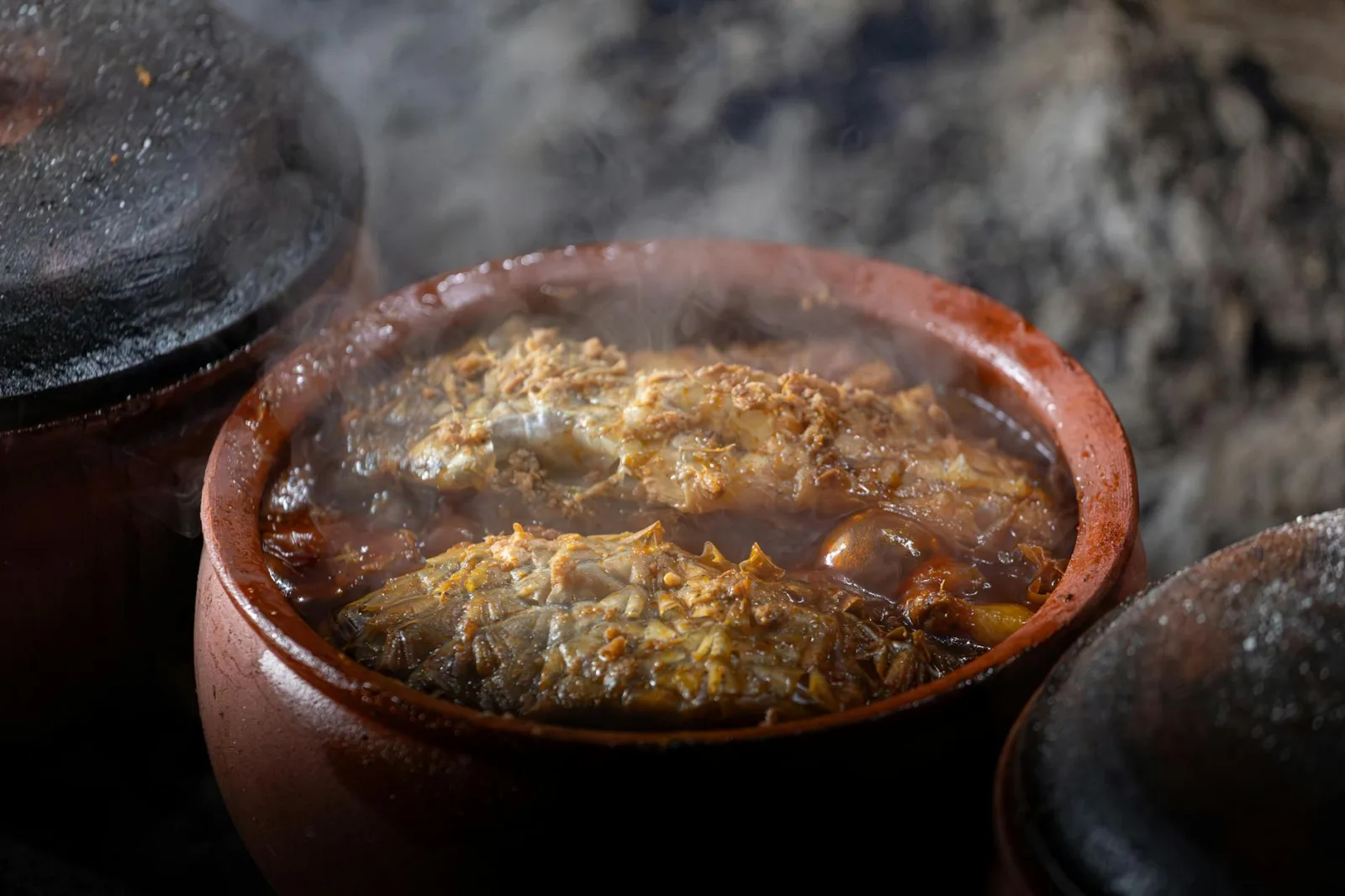
– **Shuwa**: A traditional Omani dish where marinated lamb is wrapped in banana leaves and slow-cooked in an underground sand oven. This method imparts a distinctive smoky flavor.
– **Mandi**: Similar to Kabsa, Mandi features rice and meat but often includes saffron and other spices, yielding a vibrant yellow color and rich taste.
The Role of Local Markets
Local markets are vital to the hidden gastronomy of remote villages. They serve as gathering places for villagers and a source of fresh ingredients. When you visit these markets, pay attention to:
– **Seasonal Produce**: Understanding what fruits and vegetables are in season can enhance your culinary experience. For instance, you might find pomegranates or dates at their peak.
– **Traditional Cooking Utensils**: Observing the tools used in local cooking can provide insights into food preparation methods. Look for items like mortar and pestle, which are often used to create spice blends.
Pro tip: Don’t hesitate to ask vendors about their products, as they can share recipes or cooking tips that you can try at home.
Participating in Cooking Classes
Engaging in cooking classes offered by locals is a fantastic way to learn about hidden gastronomy. Here’s how to make the most of it:
1. **Choose the Right Class**: Look for classes that focus on traditional techniques rather than modern adaptations. This ensures you gain a true understanding of the local cuisine.
2. **Hands-On Experience**: Actively participate in the cooking process. This not only reinforces your learning but also makes it more enjoyable.
3. **Ask Questions**: Don’t be shy about inquiring why certain ingredients are used or specific methods are employed. This dialogue can deepen your understanding of the culinary culture.
Embracing Cultural Practices
Food in the Arabian Peninsula is deeply intertwined with cultural practices. Understanding these can enhance your culinary journey:
– **Hospitality**: In many remote villages, sharing a meal is a sign of hospitality. Accepting invitations to dine with locals can provide a memorable experience.
– **Festivals**: Be aware of local festivals that celebrate food. For instance, the Al Janadriyah Festival in Saudi Arabia showcases traditional dishes and cooking techniques.
Warning: Always be respectful of local customs and traditions when participating in these cultural practices.
Reflecting on Your Journey
After exploring the hidden gastronomy of the Arabian Peninsula, take time to reflect on your experiences. Consider keeping a journal of the dishes you tried and the people you met. This practice not only solidifies your memories but also helps you share your insights with others.
Conclusion: Savoring Every Moment
Your culinary journey through the remote villages of the Arabian Peninsula offers a unique perspective on hidden gastronomy. By immersing yourself in local cuisine, connecting with the community, and appreciating traditional cooking methods, you can uncover the soul of a place often overlooked by mainstream travel. Remember to approach your travels with an open mind and a willingness to learn. This journey is not just about the food; it’s about the stories, the people, and the culture that shape each dish.
Key takeaways:
- Research and plan your visits to remote villages known for their unique local cuisine.
- Engage with locals to gain insights and recommendations for authentic dining experiences.
- Participate in cooking classes to learn traditional techniques and recipes.
- Embrace the cultural practices surrounding food as a way to deepen your connection to the region.