Exploring the Culinary Heritage of Forgotten Towns: A Taste of Authentic Local Flavors
By
Share
Unveiling Culinary Heritage
Culinary heritage refers to the traditional cooking practices, ingredients, and recipes that define a particular culture. It often reflects the history, geography, and community values of a place. In forgotten towns, this heritage can be especially rich, as these locations often retain recipes and techniques that have faded from mainstream culinary consciousness. By exploring these hidden culinary gems, you can enjoy authentic local flavors that carry the essence of their origins.
To begin your culinary journey, identify forgotten towns that pique your interest. Use travel blogs, local guides, and regional culinary websites to find lesser-known destinations. For instance, towns like Marfa, Texas, or Medford, Oregon, may not be on everyone’s radar but are rich in culinary traditions. Look for towns that have local festivals, farmer’s markets, or renowned eateries that celebrate their heritage.
📷 Emilio González – Pexels
Step 2: Connect with Local Communities
Once you’ve selected a town, reach out to the local community. This can include visiting community centers, local libraries, or social media groups dedicated to the area. Engaging with locals can provide insights into the town’s culinary history. You might discover a grandmother who still cooks traditional meals or a farmer who grows heritage crops. This personal connection often leads to the most authentic experiences.
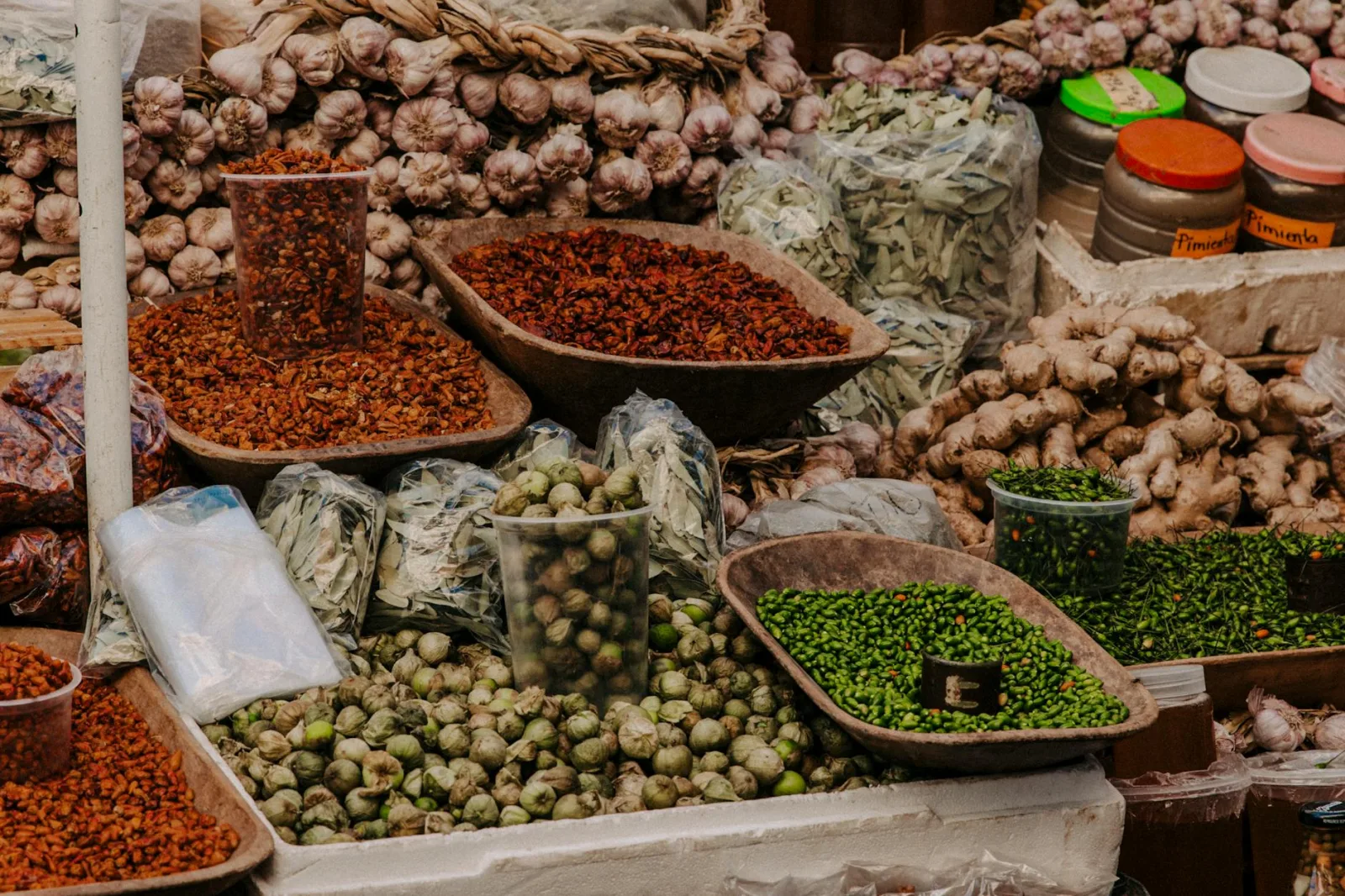
Step 3: Explore Traditional Markets
Markets are the heartbeat of any town’s culinary scene. In forgotten towns, you may find farmers’ markets or artisanal shops that offer ingredients unique to the area. For example, in a small town in the Midwest, you might find heirloom tomatoes or unique cheeses that have been crafted for generations. Important note: Be sure to ask vendors about their products’ origins and how they are traditionally used in local cuisine.
Step 4: Taste Local Dishes
Now comes the most enjoyable part: tasting. Look for local restaurants or family-owned diners that serve traditional dishes. These meals often incorporate locally sourced ingredients and time-honored recipes. For example, if you visit a coastal town, you might encounter dishes featuring freshly caught seafood prepared using age-old techniques. Pro tip: Don’t hesitate to ask the chef about the history of the dish; many are proud to share their culinary heritage.
📷 Hồng Quang Official – Pexels
Step 5: Attend Local Food Festivals
Food festivals serve as a fantastic opportunity to immerse yourself in a town’s culinary culture. These events often showcase local dishes, cooking demonstrations, and food competitions, allowing you to taste a variety of flavors in one location. They also present a chance to meet local chefs and food enthusiasts who share your interest in culinary heritage. Warning: Check festival schedules in advance, as some events may be seasonal.
Step 6: Document Your Experiences
As you explore the culinary heritage of forgotten towns, take the time to document your experiences. Keep a journal or create a blog to note the flavors you encounter, the recipes you learn, and the stories you gather from locals. This practice not only preserves your memories but also contributes to a broader understanding of the region’s culinary landscape. Additionally, consider sharing your findings with others who may be interested in these hidden gems.
📷 G N – Pexels
Step 7: Cook and Share Recipes
Finally, take what you’ve learned and try your hand at cooking some of the dishes you discovered. This not only honors the culinary heritage of the town but also allows you to share these flavors with your friends and family. When preparing these recipes, consider using local ingredients whenever possible to recreate the authentic taste of the region. Common mistake: Avoid altering traditional recipes too much, as this can dilute the cultural significance behind them.
Conclusion: A Culinary Journey Worth Taking
Exploring the culinary heritage of forgotten towns offers a unique opportunity to connect with local cultures and savor authentic flavors. By researching, engaging with communities, and documenting your experiences, you can gain a deeper appreciation for regional cuisines and their stories. The next time you embark on a culinary adventure, consider venturing off the beaten path to discover the rich tapestry of flavors waiting in lesser-known towns.
Key Takeaways
Culinary heritage encompasses traditional practices that reflect the culture of a place.
Forgotten towns often retain unique culinary traditions worth exploring.
Connecting with locals can enhance your understanding of regional cuisines.
Markets and food festivals are excellent venues for tasting authentic local flavors.
Documenting your culinary experiences can enrich your journey and inform others.