




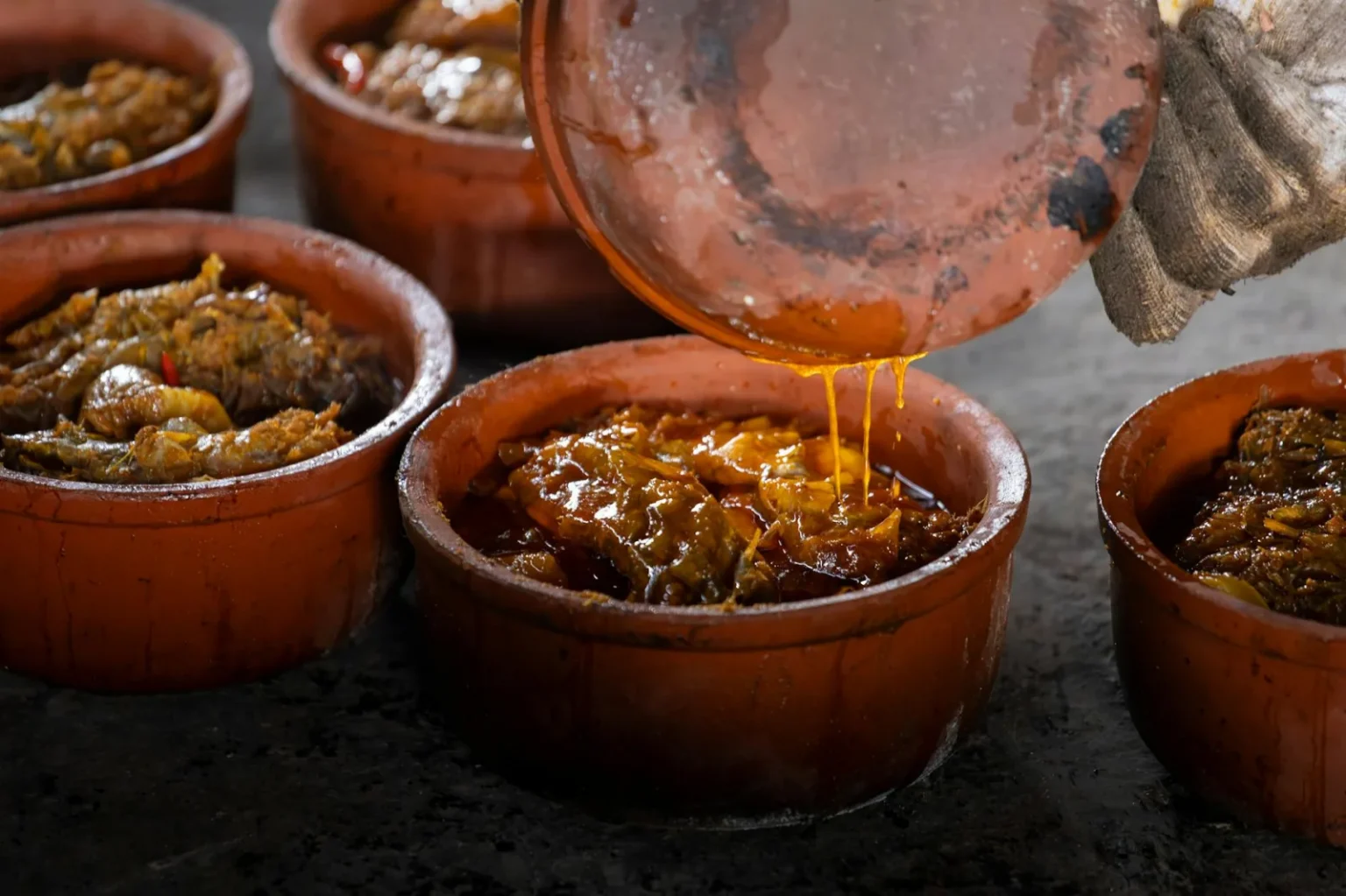

Exploring the Culinary Landscape of the Arabian Peninsula
The Arabian Peninsula is a region rich in culture and history, reflected profoundly in its cuisine. Traditional dishes often incorporate local ingredients, showcasing flavors that vary from one country to another. Understanding these hidden culinary secrets can enhance your dining experience and provide insights into the region’s heritage.
- Exploring the Culinary Landscape of the Arabian Peninsula
- 1. The Influence of Geography on Arabian Cuisine
- 2. Must-Try Traditional Dishes
- 3. The Role of Spices in Arabian Cooking
- 4. The Importance of Bread in Arabian Meals
- 5. Desserts to Delight Your Taste Buds
- 6. Tips for Enjoying Arabian Cuisine
- 7. Discover More Culinary Journeys
- Conclusion: Key Takeaways
1. The Influence of Geography on Arabian Cuisine
Geography plays a pivotal role in the culinary practices of the Arabian Peninsula. For instance, coastal areas like Saudi Arabia and Oman utilize seafood extensively, while desert regions rely on grains and livestock. This diversity leads to unique flavors and preparation methods tailored to local resources. For example, in coastal Oman, fish is often grilled or marinated with local spices, while in the deserts, lamb is a staple, often slow-cooked to enhance its tenderness.
2. Must-Try Traditional Dishes
When you visit the Arabian Peninsula, certain traditional dishes should not be missed. Here are a few culinary highlights:
2.1 Kabsa
Kabsa is a famous Saudi dish comprised of rice, meat (often chicken or lamb), and a mix of spices including cardamom, saffron, and black lime. The dish is usually served on a large platter, allowing diners to share. This communal style of eating reflects the hospitality of Arab culture. Pro tip: Look for variations in different regions, as each area adds its unique twist to the dish.

2.2 Mandi
Similar to Kabsa, Mandi hails from Yemen and features rice and meat, but it is distinctively cooked in a tandoor, which infuses a smoky flavor. The dish is often garnished with fried onions and raisins, adding a sweet contrast to the savory elements. Warning: If you’re sensitive to spices, ask for a milder version.
2.3 Harees
This dish combines wheat and meat (usually chicken or lamb), slow-cooked until the mixture becomes creamy. Harees is popular during Ramadan and special occasions. The texture and flavors are comforting, making it a favorite among locals. Important note: Harees can be quite filling, so it’s often served in smaller portions.
3. The Role of Spices in Arabian Cooking
Spices are the backbone of Arabian cuisine, contributing depth and character to dishes. Common spices include cumin, coriander, and turmeric. Each spice has a unique purpose; for instance, cumin adds a warm, earthy flavor, while coriander brings brightness. To really appreciate these flavors, consider visiting local spice markets. Here, you can learn about how spices are used and even purchase blends to take home.
4. The Importance of Bread in Arabian Meals
In Arabian culture, bread often serves as both a utensil and a staple. Traditional breads like khubz and pita are used to scoop up food or wrap around fillings. This practice not only enhances the dining experience but also reflects the communal aspect of meals. Common mistake: Many people overlook the importance of bread and may not try it with their dishes. Make sure to sample different types!
5. Desserts to Delight Your Taste Buds
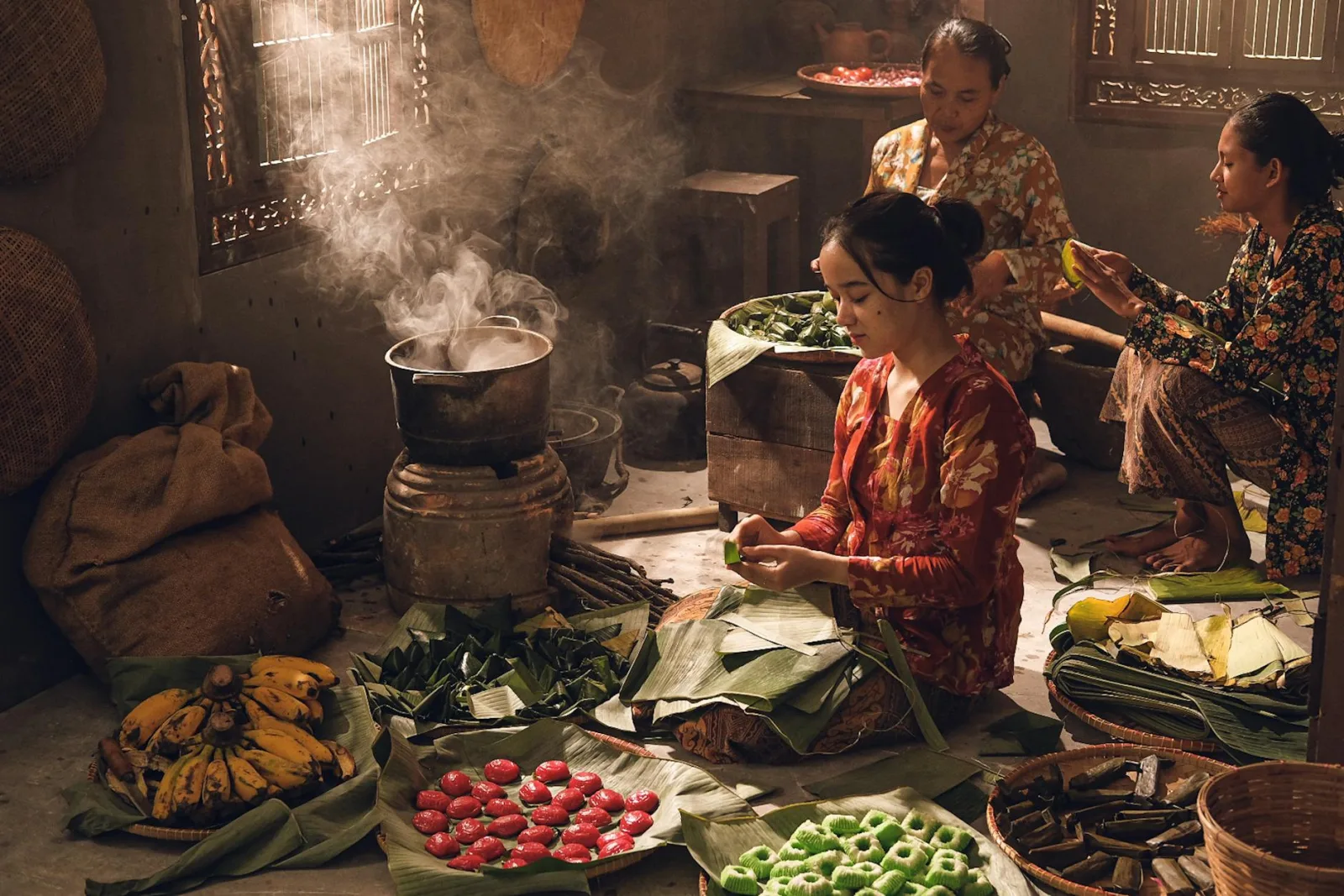
No culinary exploration of the Arabian Peninsula would be complete without indulging in dessert. Traditional sweets often incorporate dates, nuts, and aromatic spices.
5.1 Baklava
This famous dessert layers thin pastry with nuts and honey, creating a sweet, flaky treat. Each region has its own variations, with differing types of nuts, making each experience unique.
5.2 Ma’amoul
Ma’amoul are shortbread cookies filled with dates or nuts, often served during festive occasions. They are typically shaped using molds, giving them beautiful designs. When you bite into one, the texture is crumbly, and the filling is rich and flavorful.
6. Tips for Enjoying Arabian Cuisine
To fully appreciate the hidden culinary secrets of the Arabian Peninsula, consider the following:
6.1 Be Open to New Flavors
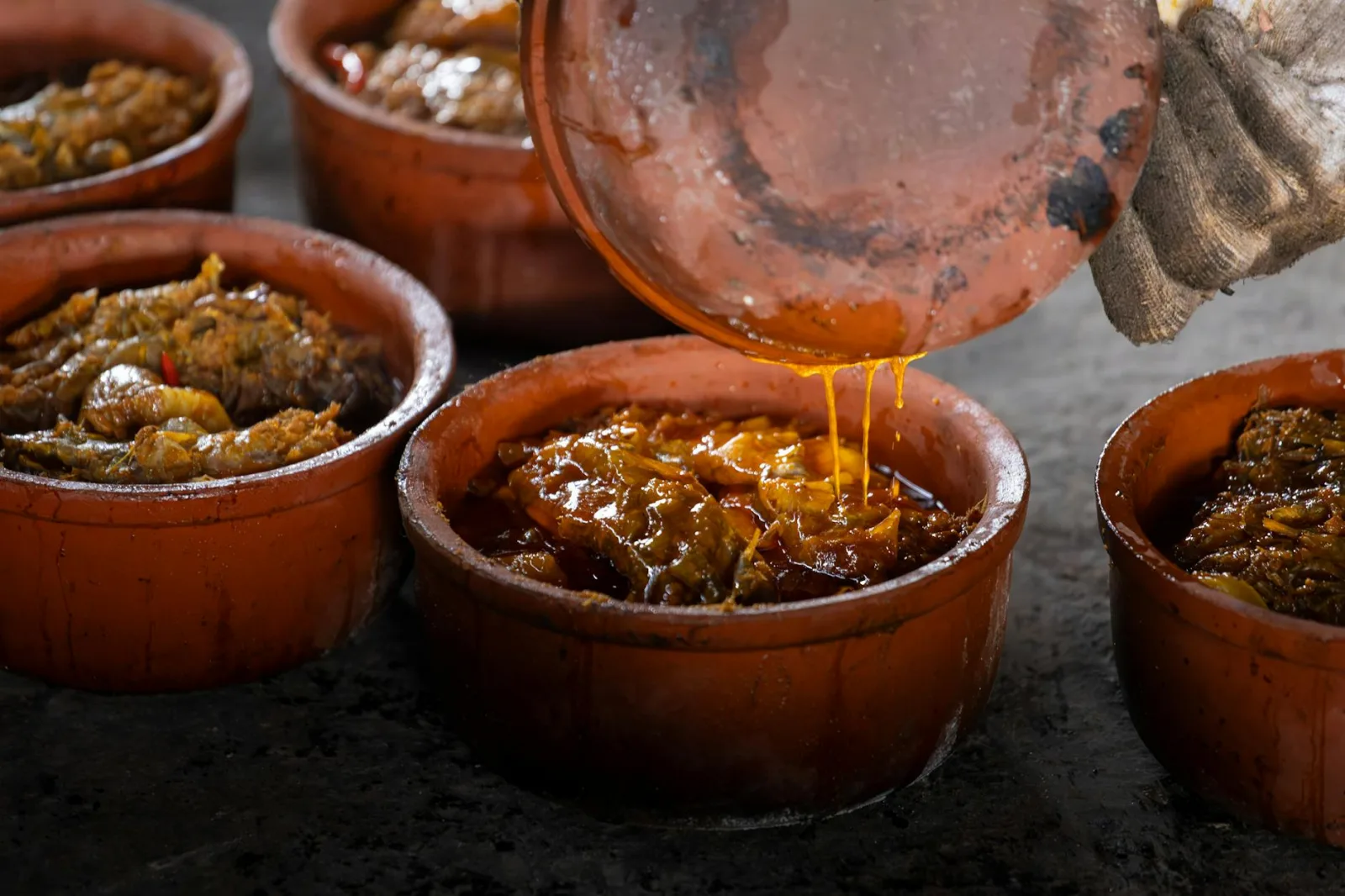
Many traditional dishes may include unfamiliar ingredients or combinations. Approach them with an open mind, as you might discover new favorites. Additionally, asking locals for their recommendations can lead you to hidden gems.
6.2 Understand Dining Etiquette
In many parts of the Arabian Peninsula, meals are often communal. It’s customary to eat with your right hand. Knowing these practices can enhance your dining experience.
6.3 Explore Local Markets
Visiting local markets is a great way to learn about the region’s food culture. You can often sample foods and speak with vendors about their offerings. This interaction provides insights that are difficult to glean from restaurants alone.
7. Discover More Culinary Journeys
If you’re intrigued by the culinary landscape of the Arabian Peninsula, consider exploring other hidden gems in the region. For instance, you can delve into the historical trade routes that shaped the culinary practices in the area by checking out Discovering the Secrets of Historical Trade Routes: Hidden Gems Along the Silk Road. Additionally, local festivals often feature traditional foods, such as those highlighted in 10 Hidden Festivals in Saudi Arabia: Celebrate Culture Away from the Crowds.
Conclusion: Key Takeaways
The Arabian Peninsula is home to a diverse array of traditional dishes that reflect its rich cultural history. By uncovering these hidden culinary secrets, you gain not only a taste of the region but also a deeper understanding of its people. Remember to be open to new flavors, respect local dining customs, and explore markets for the most authentic experiences. Whether you’re enjoying a plate of Kabsa or a sweet piece of Baklava, each bite tells a story worth savoring.