Navigating Cultural Norms While Traveling: A Comprehensive Guide for Respectful Interactions
By
Share
Understanding Cultural Norms
Cultural norms are the unwritten rules that govern the behavior of people within a society. These norms vary widely from one culture to another and encompass everything from social etiquette to communication styles. Understanding these norms is crucial for respectful travel, as it helps you interact positively with locals and enhances your overall experience. For example, in Japan, bowing is a common greeting, while in the United States, a firm handshake is more typical.
Before embarking on your journey, invest time in research about your destination’s cultural norms. This can include reading travel guides, watching documentaries, or engaging with travel forums. Knowing what to expect can significantly reduce the likelihood of unintentional faux pas. For instance, in some Middle Eastern countries, it is considered disrespectful to use your left hand for eating or passing items. Understanding this beforehand allows you to navigate social situations smoothly.
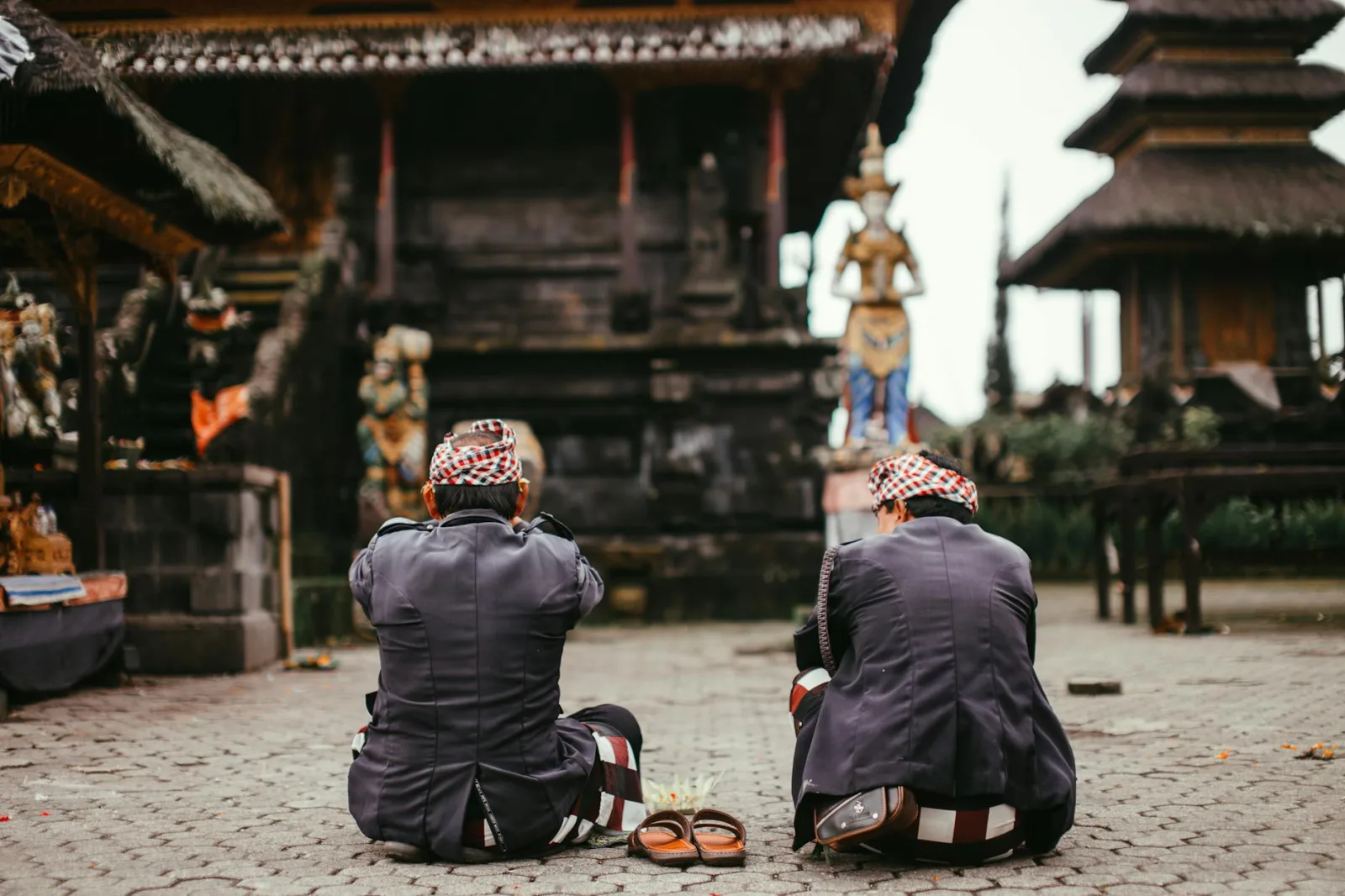
📷 Rachel Claire – Pexels
Recognizing Non-Verbal Communication
Non-verbal communication plays a significant role in how cultural norms are expressed. Gestures, facial expressions, and body language can vary greatly across cultures. For example, maintaining eye contact is seen as a sign of confidence in Western cultures, while in some Asian cultures, it may be perceived as disrespectful. Therefore, pay attention to non-verbal cues and adjust your behavior accordingly to ensure respectful interactions.
Practicing Active Listening
When interacting with locals, practice active listening. This means not only hearing the words spoken but also understanding the context and emotions behind them. For instance, if a local shares a personal story about their culture, ask follow-up questions to show genuine interest. This not only fosters a deeper connection but also demonstrates respect for their culture. Remember, respectful travel is about more than just observing; it’s about engaging meaningfully.
Embracing Differences
Every culture has its own set of beliefs and practices, and embracing these differences can enrich your travel experience. For example, if you find yourself in Italy, don’t shy away from participating in local customs, such as enjoying a leisurely meal or participating in a local festival. Understand that what may seem unusual to you is often a cherished aspect of local life. Be open-minded and ready to adapt your behavior in ways that honor the local culture.
📷 Quang Nguyen Vinh – Pexels
Asking Questions and Seeking Permission
Don’t hesitate to ask questions when unsure about cultural norms. Most locals appreciate when travelers show interest in their culture. However, be mindful of how you frame your questions. Instead of blunt inquiries, consider phrasing them respectfully. For instance, if you’re unsure about photography in a sacred space, it’s better to ask, “Is it okay if I take a photo here?” This shows that you respect their customs and are willing to follow their guidelines.
Common Mistakes to Avoid
Even well-intentioned travelers can make mistakes. Here are a few common pitfalls to avoid:
Assuming similarities: Just because something is acceptable in your culture doesn’t mean it will be in another. Always err on the side of caution.
Ignoring dress codes: Many cultures have specific dress codes, especially in religious sites. Research appropriate attire beforehand.
Disregarding local practices: If a local offers you food, it’s often polite to accept, even if you’re not hungry. Refusing may be seen as offensive.
📷 Jue – – Pexels
Building Relationships with Locals
One of the most rewarding aspects of travel is the opportunity to build relationships with locals. Engage in community activities, join local tours, or participate in workshops. This not only helps you learn more about the culture but also allows you to contribute positively to the community. For example, if you find yourself in a rural village, consider participating in a traditional craft workshop. This fosters mutual respect and understanding.
Utilizing Technology Wisely
In today’s digital age, technology can be a valuable tool for understanding cultural norms. Use apps and websites that provide insights into local customs and etiquette. For example, Google Translate can help bridge language barriers, while cultural etiquette apps offer quick tips on dos and don’ts for various countries. However, be cautious of relying solely on technology; always supplement it with firsthand research.
Conclusion: Key Takeaways
Successfully navigating cultural norms while traveling requires awareness, respect, and a willingness to learn. By researching your destination, understanding non-verbal cues, practicing active listening, embracing differences, and seeking permission, you can foster respectful interactions with locals. Remember, travel is not just about visiting new places; it’s about connecting with people and cultures. By following these guidelines, your journey will be enriched with meaningful experiences and lasting memories.