The Hidden Artisans of the Arabian Peninsula: Exploring Craftsmanship Beyond the Tourist Trail
By
Share
Understanding the Essence of Hidden Artisans
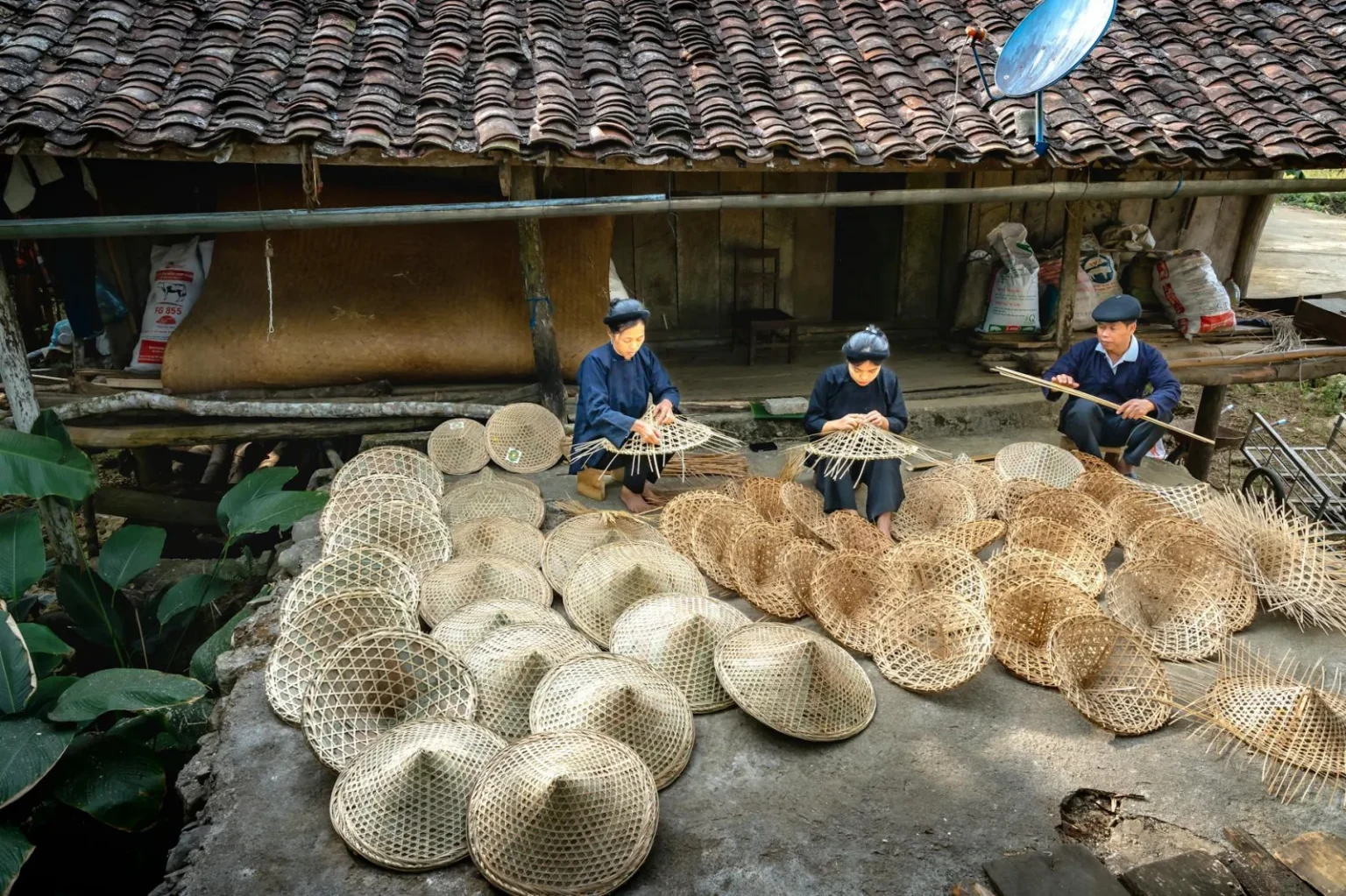
The term hidden artisans refers to skilled craftspeople who often operate away from the spotlight of tourism. They preserve traditional crafts that may not be widely recognized outside their communities. In the Arabian Peninsula, these artisans embody a rich tapestry of cultural heritage, using time-honored techniques to create unique works of art. This article will guide you through the intricate world of local craftsmanship, highlighting the importance of supporting these artists while exploring the less-traveled paths of the region.
Cultural Preservation: Artisans often inherit their skills from previous generations, keeping traditions alive.
Economic Impact: Supporting local artisans can help stimulate local economies, creating jobs and reducing reliance on mass-produced goods.
Authenticity: Engaging with hidden artisans provides travelers with a genuine connection to the culture, far removed from the commercialized experiences.
By purchasing handmade items, not only do you acquire a unique piece of art, but you also contribute to the sustainability of these communities.
📷 Quang Nguyen Vinh – Pexels
Diverse Traditional Crafts Across the Arabian Peninsula
The Arabian Peninsula is home to a variety of traditional crafts, each rooted in the local culture and environment. Here are some notable examples:
1. Pottery in Oman
In the town of Bahla, you can find artisans creating beautiful clay pottery that reflects the region’s heritage. The unique designs and methods have been passed down through generations. If you visit, consider taking a pottery workshop to experience the process firsthand.
2. Weaving in Qatar
Qatari artisans produce traditional textiles using techniques that date back centuries. Look for ghutras and bishts—traditional garments that showcase intricate patterns. Participating in a weaving workshop can provide insight into the craftsmanship involved.
📷 Quang Nguyen Vinh – Pexels
3. Silver Jewelry in Yemen
Yemen is renowned for its exquisite silver jewelry. Artisans employ traditional methods to create intricate designs that often tell a story or symbolize cultural beliefs. Seek out local markets in Sana’a for authentic pieces and consider reaching out to artisans for a personalized experience.
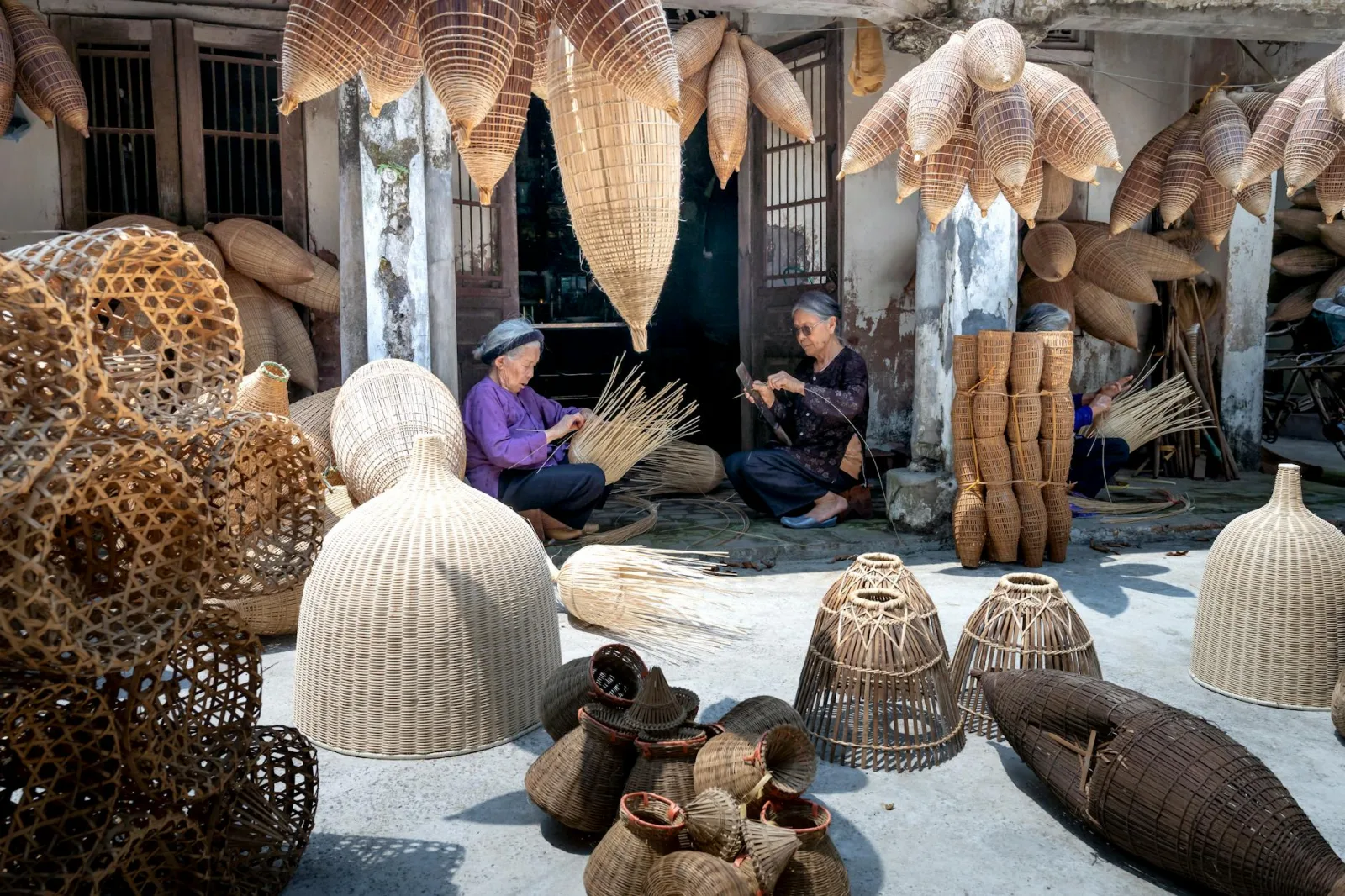
4. Palm Frond Weaving in UAE
The UAE’s coastal communities have long relied on date palms for survival. Artisans craft everything from baskets to mats using palm fronds. Workshops are sometimes available for visitors, offering a hands-on approach to this sustainable craft.
📷 Finalchoice – Pexels
Connecting with Hidden Artisans
To truly appreciate the artistry, consider these steps when connecting with hidden artisans:
Research: Learn about the specific crafts native to the region you plan to visit. This knowledge can enhance your experience.
Visit Local Markets: Explore local souks where artisans display their work. Engaging with them directly can lead to meaningful conversations about their craft.
Participate in Workshops: Many artisans offer workshops. Take advantage of these opportunities to learn a skill and understand the craftsmanship involved.
Ask Questions: Don’t hesitate to inquire about their techniques, materials, and inspirations. This interaction enriches both your experience and their work.
Support Sustainably: Purchase items that reflect the artisan’s true work rather than mass-produced alternatives.
Pro Tips for Travelers
When exploring the hidden artisans of the Arabian Peninsula, keep these tips in mind:
Be Respectful: Understand that these artisans often have deep cultural ties to their craft. Approach them with respect and appreciation.
Document Your Experience: Take photos, but always ask for permission first. Documenting your journey can inspire others to seek out local craftsmanship.
Plan Ahead: Some artisans may require appointments, especially for workshops. Check their schedules before visiting.
Exploring Beyond the Crafts
While the focus here is on hidden artisans, your journey can be enriched by exploring other aspects of local culture. Consider these activities:
Visit local museums that showcase historical crafts and their evolution.
Engage in culinary experiences that highlight traditional dishes and cooking methods.
Explore nearby natural wonders that may inspire local artisans, such as the stunning landscapes of AlUla. For example, check out 10 Hidden Picnic Spots in AlUla for serene locales.
Conclusion: Embracing the Craftsmanship Journey
Exploring the hidden artisans of the Arabian Peninsula offers a unique perspective on culture and creativity. By actively engaging with local craftsmanship, you not only enrich your travel experience but also contribute to the preservation of these age-old traditions. Remember to approach your journey with an open mind and a genuine interest in the stories behind each craft. Whether you’re learning to weave, crafting pottery, or purchasing a piece of silver jewelry, you become part of a vibrant narrative that transcends time.
In summary, seek out the hidden artisans, respect their craft, and embrace the authenticity that comes with supporting local traditions. This journey not only connects you more deeply to the places you visit but also ensures that these beautiful traditions continue to thrive for generations to come.