






Understanding Travel Mishaps
Travel mishaps are unexpected events that can disrupt your journey, from lost luggage to sudden illness. Understanding what these mishaps entail is crucial for effective travel preparation. By anticipating potential problems, you can minimize their impact and enjoy your trip. For example, losing your passport can turn a dream vacation into a nightmare, but knowing how to handle it can provide peace of mind.
- Understanding Travel Mishaps
- 1. Plan for Common Travel Emergencies
- 2. Create a Comprehensive Emergency Kit
- 3. Invest in Travel Insurance
- 4. Stay Informed About Your Destination
- 5. Maintain Flexible Travel Plans
- 6. Develop a Communication Plan
- 7. Know How to Handle Specific Situations
- Conclusion: Key Takeaways for Savvy Travelers
1. Plan for Common Travel Emergencies
Identifying common travel emergencies is the first step in your preparation. These can include medical issues, transportation delays, or natural disasters. You should create a list of potential emergencies based on your destinations. For instance, if you’re traveling to a tropical location, consider the risk of hurricanes or tropical storms. Preparing for these emergencies might involve understanding local healthcare options and emergency contact numbers.

2. Create a Comprehensive Emergency Kit
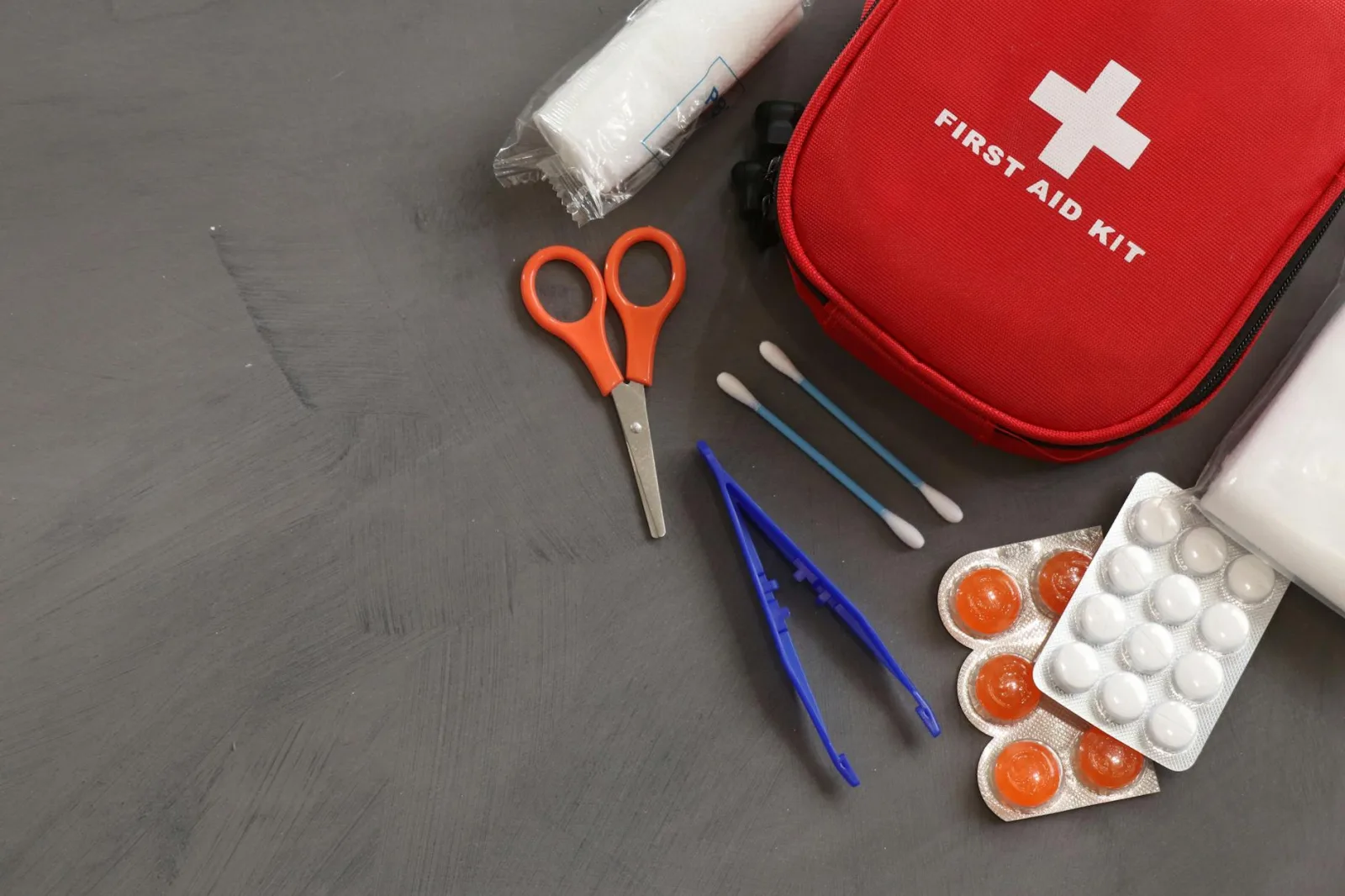
Having an emergency kit can be a lifesaver during travel mishaps. This kit should include essential items like first aid supplies, medications, a flashlight, and important documents. Important note: don’t forget to pack a portable charger for your devices. In an emergency, having a charged phone can help you reach out for assistance quickly. Additionally, consider including snacks and bottled water, especially if you’re traveling to remote areas.
3. Invest in Travel Insurance
Travel insurance is a critical component of travel preparation. It can cover unexpected incidents such as trip cancellations, medical emergencies, and lost belongings. When choosing a policy, ensure it covers the specific risks associated with your trip. For example, if you’re planning adventurous activities like skiing or scuba diving, select a policy that includes coverage for these activities. Pro tip: read the fine print to understand what is and isn’t covered by your insurance.

4. Stay Informed About Your Destination
Understanding the socio-political climate and health advisories of your destination can help you avoid potential mishaps. Follow local news and government travel advisories to stay updated. For instance, if there are protests or political unrest, you may want to adjust your travel plans. Additionally, familiarize yourself with local customs and regulations, which can help you navigate cultural misunderstandings.
5. Maintain Flexible Travel Plans
Flexibility can be your best ally in managing travel mishaps. Creating a flexible itinerary allows you to adapt to unexpected changes. For example, if your flight is delayed, having a backup plan for accommodations can ease stress. When booking transportation and accommodations, look for options that allow for easy modifications. This can save you time and money when emergencies arise.
6. Develop a Communication Plan
Having a communication plan is vital in case of emergencies. Share your travel itinerary with family or friends, including contact details for accommodations and transportation. In the event of a mishap, this information can help loved ones reach you or assist in case of an emergency. Additionally, consider downloading messaging apps that work on Wi-Fi, which can be useful when cellular networks are down.
7. Know How to Handle Specific Situations
Different travel mishaps require different responses. For a lost passport, immediately contact your embassy or consulate. If you encounter a medical emergency, locate the nearest hospital and ensure you have your insurance information on hand. Understanding these specifics can empower you to tackle issues confidently. For example, let’s understand this with a simple example: if you become ill, knowing how to find local healthcare facilities in advance can save precious time.
Conclusion: Key Takeaways for Savvy Travelers
Travel mishaps are an inevitable part of the journey, but with proper preparation, you can handle them effectively. Remember to plan for common emergencies, create an emergency kit, invest in travel insurance, stay informed about your destination, maintain flexibility in your plans, develop a communication strategy, and know how to tackle specific situations. By following these steps, you’ll be better equipped to manage unexpected travel emergencies and enjoy your adventure. Ultimately, being prepared not only enhances your travel experience but also gives you confidence as a savvy traveler.