






Understanding Egypt’s Transportation Landscape
When you think about traveling in Egypt, it’s essential to grasp how its transportation systems function. Egypt offers a mix of modern and traditional transport options that can be quite different from what you might be used to. This guide will help you navigate these systems efficiently, ensuring a smoother travel experience.
- Understanding Egypt’s Transportation Landscape
- 1. Choosing the Right Mode of Transportation
- 2. Navigating the Cairo Metro
- 3. Taxis and Ride-Sharing Options
- 4. Buses and Microbuses: How to Use Them
- 5. Traveling by Train: Comfort and Efficiency
- 6. Exploring by Foot and Bicycle
- 7. Important Tips for Navigating Egypt
- Conclusion: Key Takeaways
1. Choosing the Right Mode of Transportation
Firstly, you should know that Egypt has several modes of transportation available:
- Metro: Available in Cairo, the metro is efficient and affordable. It’s a great way to avoid traffic jams.
- Buses: Long-distance buses connect major cities and are generally comfortable. However, they may not be the most reliable.
- Taxis and Ride-Sharing: Taxis are available, but it’s advisable to use ride-sharing apps like Uber for more convenience and safety.
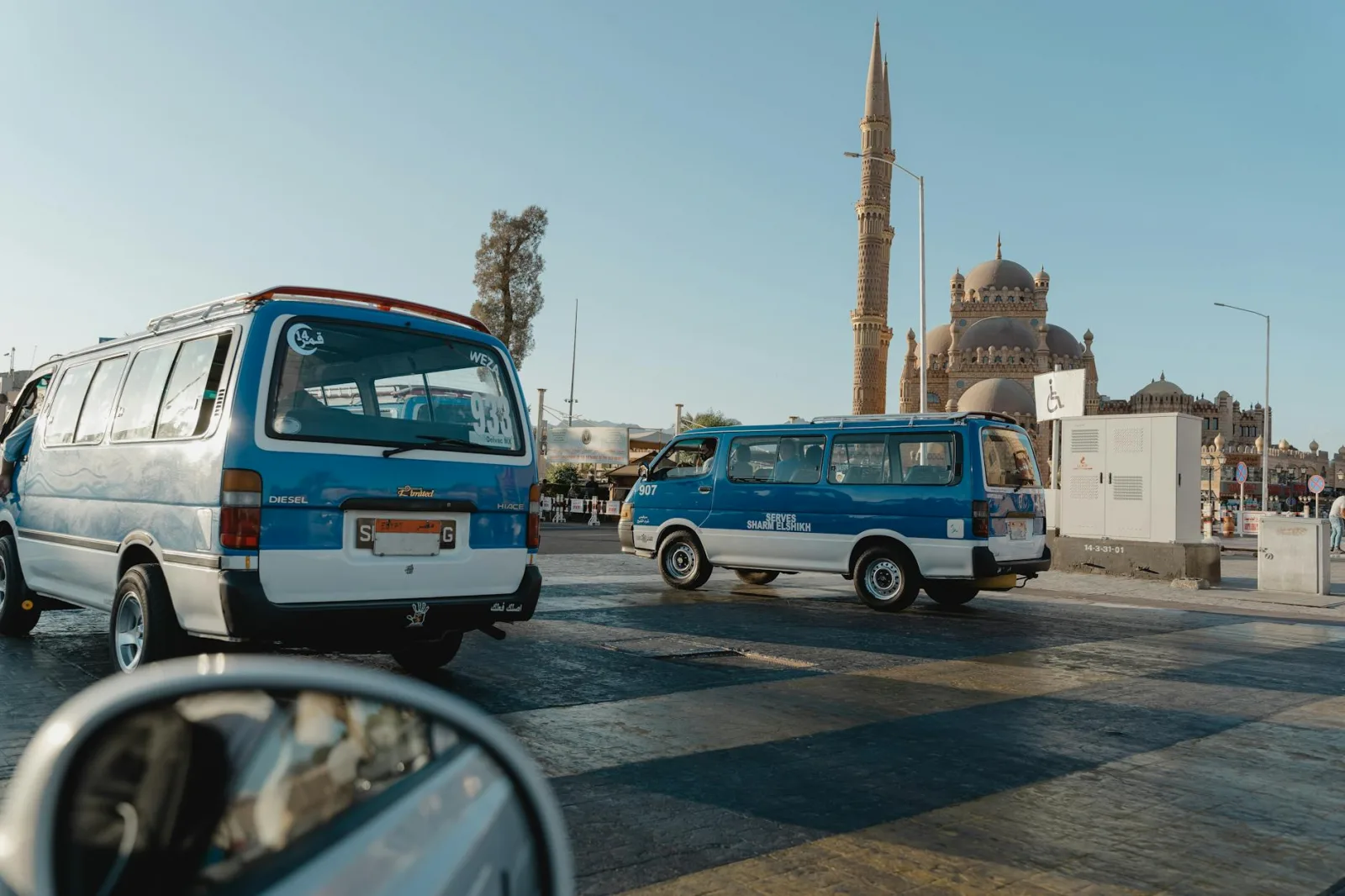
- Microbuses: These are shared vans that can be a cheaper option but may be crowded and confusing for first-time travelers.
- Trains: For long distances, trains are a popular choice, especially the sleeper trains.
Understanding these options will help you make informed decisions based on your itinerary and comfort level.

2. Navigating the Cairo Metro
The Cairo Metro is one of the most efficient ways to get around the city. Here’s how to navigate it:
- Purchase a Ticket: Buy a ticket from the ticket booth or automated machines. They are relatively inexpensive.
- Know the Lines: Familiarize yourself with the routes. The metro has several lines, so understanding your destination is crucial.
- Rush Hour: Avoid traveling during peak hours (8-9 AM and 5-7 PM) to skip crowded trains.
Important note: Keep an eye on your belongings, as pickpocketing can occur in crowded areas.
3. Taxis and Ride-Sharing Options
Using taxis can be convenient but comes with its own set of challenges. Here’s what you should know:
- Negotiate Fares: If you opt for a regular taxi, always negotiate the fare before starting your journey. This can prevent misunderstandings later.
- Use Ride-Sharing Apps: Apps like Uber and Careem are more reliable and eliminate the need for fare negotiations. They also provide the driver’s details, enhancing security.
Common mistake: Avoid accepting rides from unmarked taxis to reduce safety risks.
4. Buses and Microbuses: How to Use Them
Buses are a viable option for both city travel and intercity journeys. However, microbuses can be a bit tricky:
- Intercity Buses: Long-distance buses often have air conditioning and comfortable seating. Book tickets in advance, especially during peak travel seasons.
- Microbuses: While cheaper, microbuses can be crowded and may not have fixed schedules. They are often used by locals for short distances.
Pro tip: If you decide to take a microbus, ask locals for guidance on where to catch one and how to recognize them.
5. Traveling by Train: Comfort and Efficiency
For longer distances, trains can be a comfortable option. Here’s how to make the most of train travel:
- Types of Trains: Egypt has different classes of trains, from economy to sleeper trains. Decide based on your budget and comfort preferences.
- Booking Tickets: Tickets can be purchased online or at the station. It’s recommended to book in advance, especially for sleeper trains.
Warning: Always arrive at the station early to avoid missing your train, as they may depart promptly.
6. Exploring by Foot and Bicycle
While navigating Egypt, consider walking or cycling in less crowded areas. This allows you to explore at your own pace:
- Walking Tours: Cities like Cairo and Luxor are rich in history. Walking tours can provide deep insights into local culture and landmarks.
- Bicycles: In some areas, renting a bike can be a fun way to explore. Look for local rental shops and ensure you wear a helmet for safety.
Additionally, be mindful of traffic rules, as they may differ from what you are used to.
7. Important Tips for Navigating Egypt
Here are some essential travel tips to enhance your experience:
- Language: While many Egyptians speak English, learning basic Arabic phrases can be helpful and appreciated by locals.
- Stay Informed: Before traveling, check local travel advisories for any safety concerns or transportation updates.
- Local Customs: Respect local customs and dress modestly, especially when visiting religious sites.
By keeping these tips in mind, you can navigate Egypt’s transportation systems more effectively.
Conclusion: Key Takeaways
Navigating Egypt can seem daunting at first, but with the right information, you can manage its unique transportation systems with confidence. Remember to choose the mode of transport that best suits your needs, stay aware of your surroundings, and embrace the local culture. As you embark on your journey, consider exploring off-the-beaten-path destinations to enrich your experience. You might find hidden gems that are often overlooked by tourists. For more travel insights, check out The Ultimate Guide to Off-Season Travel in Egypt or Navigating Egypt’s Volunteering Landscape. Safe travels!