





Understanding Cairo’s Home-Cooked Meals
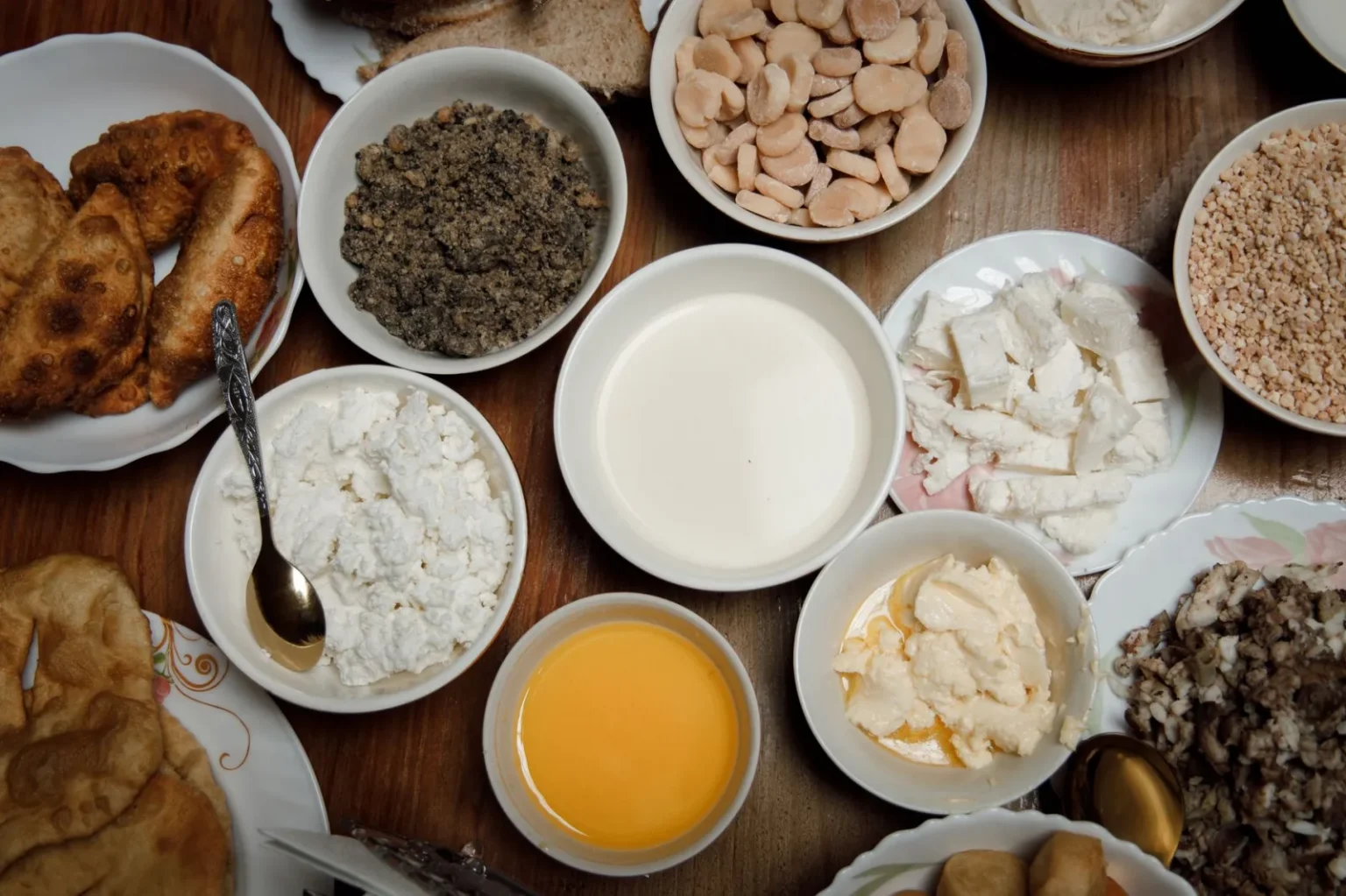
Cairo’s culinary scene is vibrant and diverse, rooted deeply in traditions that have been passed down through generations. Home-cooked meals in Cairo often reflect the family’s heritage, showcasing a blend of flavors and techniques unique to Egyptian culture. Whether it’s a simple dish of lentils or a festive spread during Ramadan, these meals tell stories of history and community. You may be surprised how much emotion and care are infused into each recipe.
The Essence of Traditional Egyptian Recipes
Traditional Egyptian recipes often revolve around staple ingredients such as rice, lentils, legumes, and a variety of vegetables. The typical Egyptian kitchen may seem humble, but it is a treasure trove of flavors. Popular dishes include koshari, a mix of rice, lentils, and pasta topped with a spicy tomato sauce, and molokhia, a green soup made from jute leaves. These meals not only nourish the body but also bring families together.
Key Ingredients in Cairo’s Home Cooking
Ingredients play a crucial role in the authenticity of Cairo’s home-cooked meals. Here are some common staples:
- Rice: Often the base of many dishes, including koshari.
- Lentils: Used in various forms, particularly in mujadara.
- Fresh Vegetables: Tomatoes, onions, and garlic are essential for flavor.
- Spices: Spices like cumin, coriander, and cinnamon are commonly used to enhance dishes.
- Herbs: Fresh herbs like parsley and dill add freshness and aroma.
These ingredients not only define the flavor but also reflect the local cuisine’s reliance on seasonal produce.
Cooking Techniques Passed Through Generations
Home-cooking techniques in Cairo often emphasize slow cooking and layering of flavors. For example, making moussaka involves layering eggplant with spiced ground meat, then baking until tender. Learning the right technique can transform an ordinary dish into something extraordinary. It’s important to embrace patience during cooking; many traditional recipes require time for flavors to meld.
Exploring Local Culinary Schools
If you’re eager to dive deeper into the art of Egyptian cooking, consider visiting local culinary schools where you can learn hands-on from expert chefs. These schools often offer classes focusing on traditional Egyptian recipes. For instance, you could learn how to prepare fatta, a celebratory dish of rice and meat, typically served during feasts. Engaging with culinary experts not only hones your cooking skills but also enriches your understanding of the cultural context behind each dish. You can explore more about this in our guide on Discover Cairo’s Hidden Culinary Schools.
The Role of Family and Community in Cooking
Cairo’s home-cooked meals are often a communal affair. Family gatherings revolve around food preparation, where everyone contributes. This collaboration fosters a sense of belonging and continuity of tradition. Important note: If you’re invited to a local home, expect to participate in the cooking process. You may find yourself chopping vegetables or stirring pots; this is a sign of hospitality and community spirit.
Must-Try Home-Cooked Dishes
To truly appreciate Cairo’s home-cooked meals, here are some must-try dishes:
- Koshari: A hearty mix of rice, lentils, and pasta, topped with a spicy sauce and fried onions.
- Mahshi: Vegetables, typically zucchini or bell peppers, stuffed with a spiced rice mixture.
- Fattah: Layered rice, meat, and bread, often served during celebrations.
- Hawawshi: A spiced meat-filled bread, perfect for a quick meal.
Each dish has its unique preparation method and flavor profile, making it essential to try them all to fully understand the depth of Cairo’s culinary landscape.
Summary and Key Takeaways
Cairo’s home-cooked meals embody rich traditions and communal values that extend beyond mere sustenance. As you explore these culinary secrets, remember to embrace the ingredients, techniques, and communal spirit that define each dish. Whether you’re cooking at home or enjoying a meal with locals, understanding the context enhances your experience. You can also delve deeper into the local life by exploring Cairo’s Neighborhood Cafés, where the essence of daily life comes alive over cups of coffee and shared meals. The culinary journey in Cairo is not just about food; it’s about connection, tradition, and shared stories.