






1. Understanding Hidden Spiritual Practices
Hidden spiritual practices encompass rituals and traditions that are often overlooked in mainstream discourse. On the Arabian Peninsula, these practices are deeply rooted in ancient history, shaped by the region’s diverse cultures and influences. You may wonder why these practices matter today. They often provide insights into the human experience, connecting people to their history, culture, and inner selves.
2. The Significance of Ancient Rituals
Ancient rituals serve various purposes, from healing to community bonding. For instance, the Bedouins of the Arabian Peninsula have long used storytelling as a means to pass down knowledge and traditions. These narratives often contain spiritual lessons and moral teachings, reflecting the values of the community. The act of sharing stories can be seen as a form of spiritual practice, fostering connections among individuals.
3. Exploring Arabian Peninsula Rituals
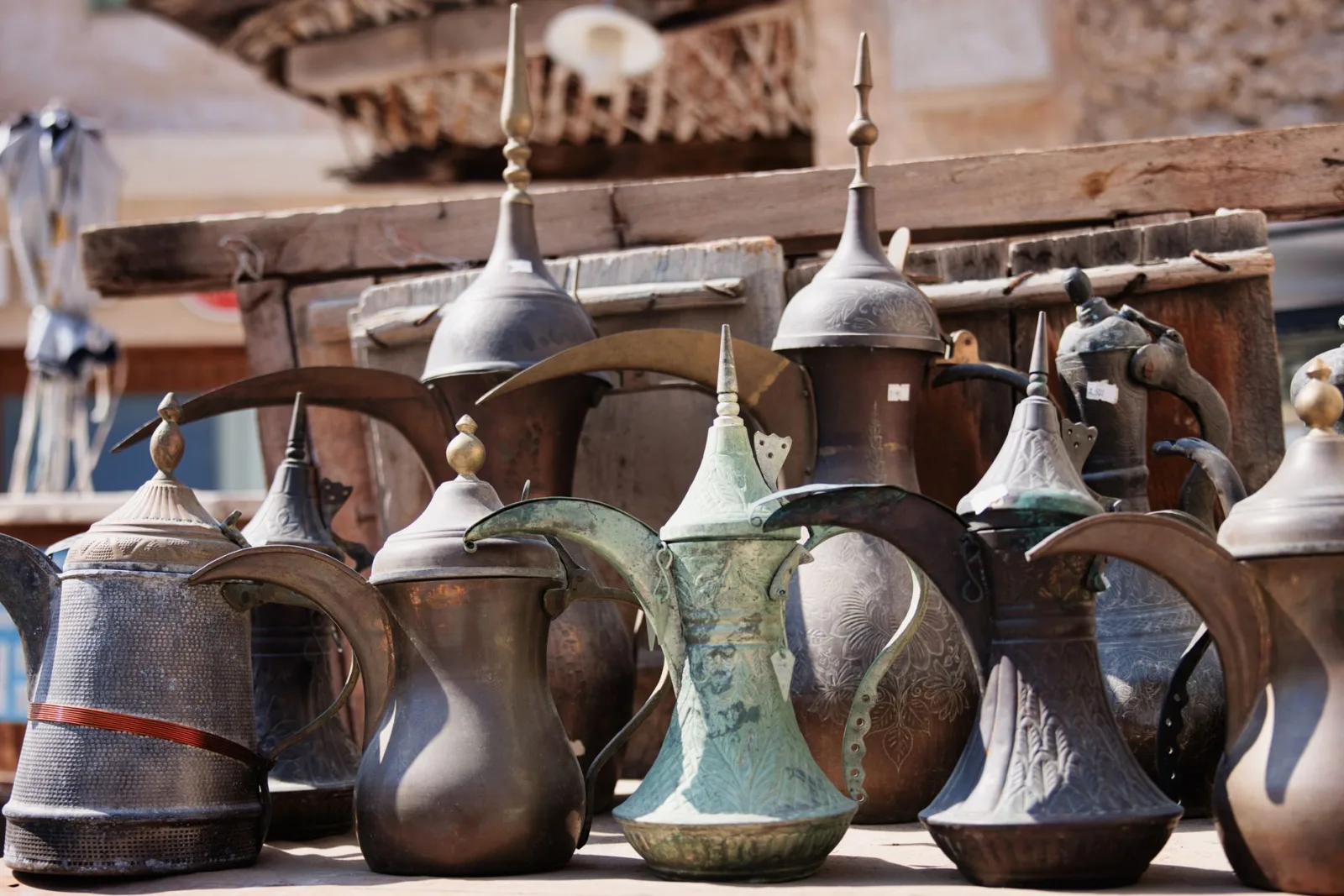
Many rituals are specific to certain tribes or regions. Here are some notable examples:
- Traditional Healing Ceremonies: In many communities, traditional healers, known as shuyukh, use herbal remedies and spiritual incantations to address physical and emotional ailments. These practices often include rituals, such as the burning of incense or the recitation of prayers.
- Community Gatherings: Rituals often involve communal feasts and gatherings, which strengthen social ties. These events can be linked to religious observances, such as Ramadan, where breaking the fast together fosters a sense of unity.
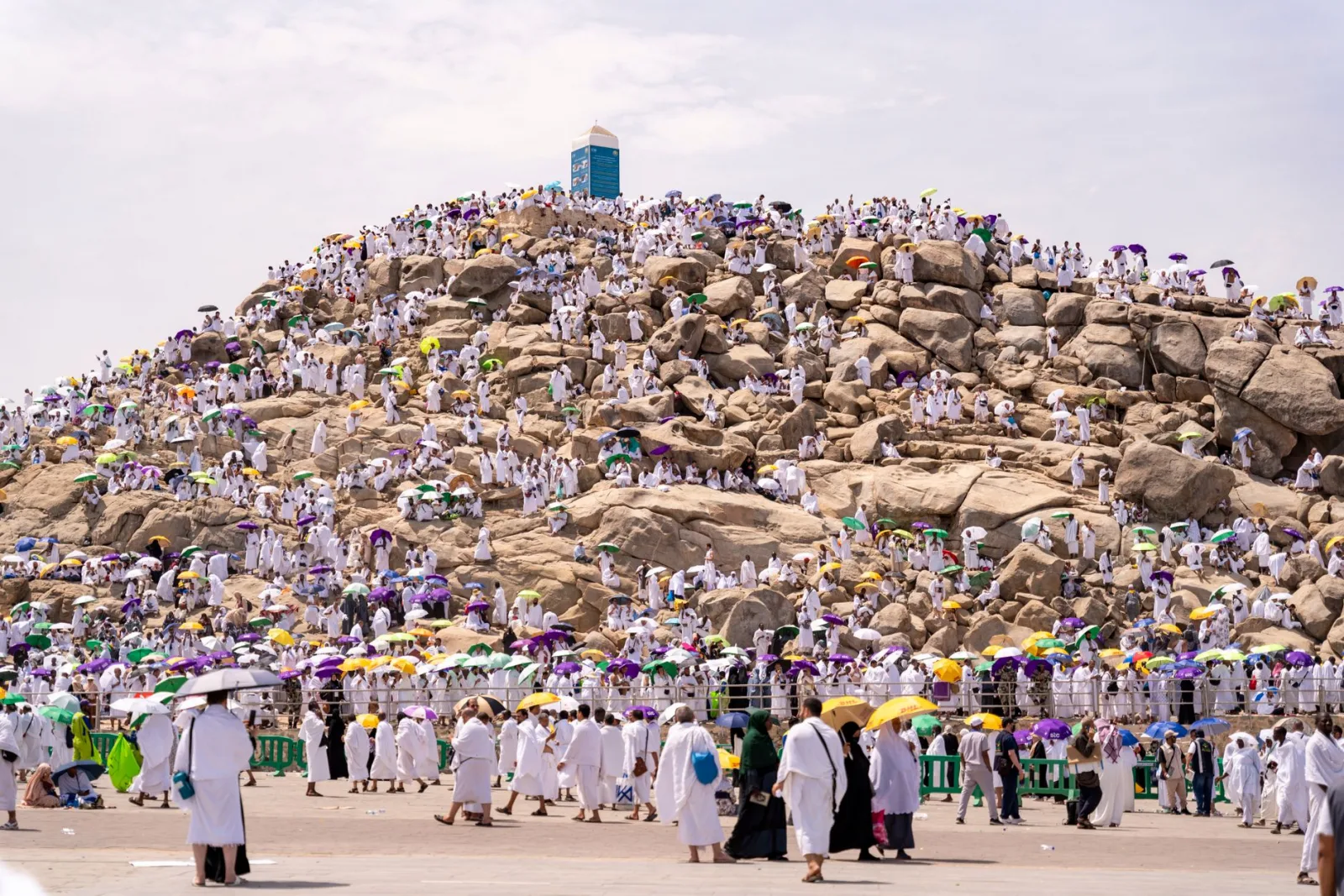
- Pilgrimages: Beyond the Hajj, there are lesser-known pilgrimages to sacred sites across the Peninsula. These journeys often involve rituals meant to invoke blessings or healing.
4. The Role of Nature in Spiritual Practices
Nature plays a crucial role in the spiritual practices of the Arabian Peninsula. Many rituals are conducted outdoors, emphasizing the connection between the spiritual and the natural world. For example, some tribes perform rituals near ancient trees believed to possess healing properties. This practice highlights the belief that nature is a source of spiritual energy and wisdom.
5. Ancient Healing Traditions
Ancient healing traditions are another integral part of the hidden spiritual practices in the Arabian Peninsula. Often intertwined with local beliefs, these practices may include:
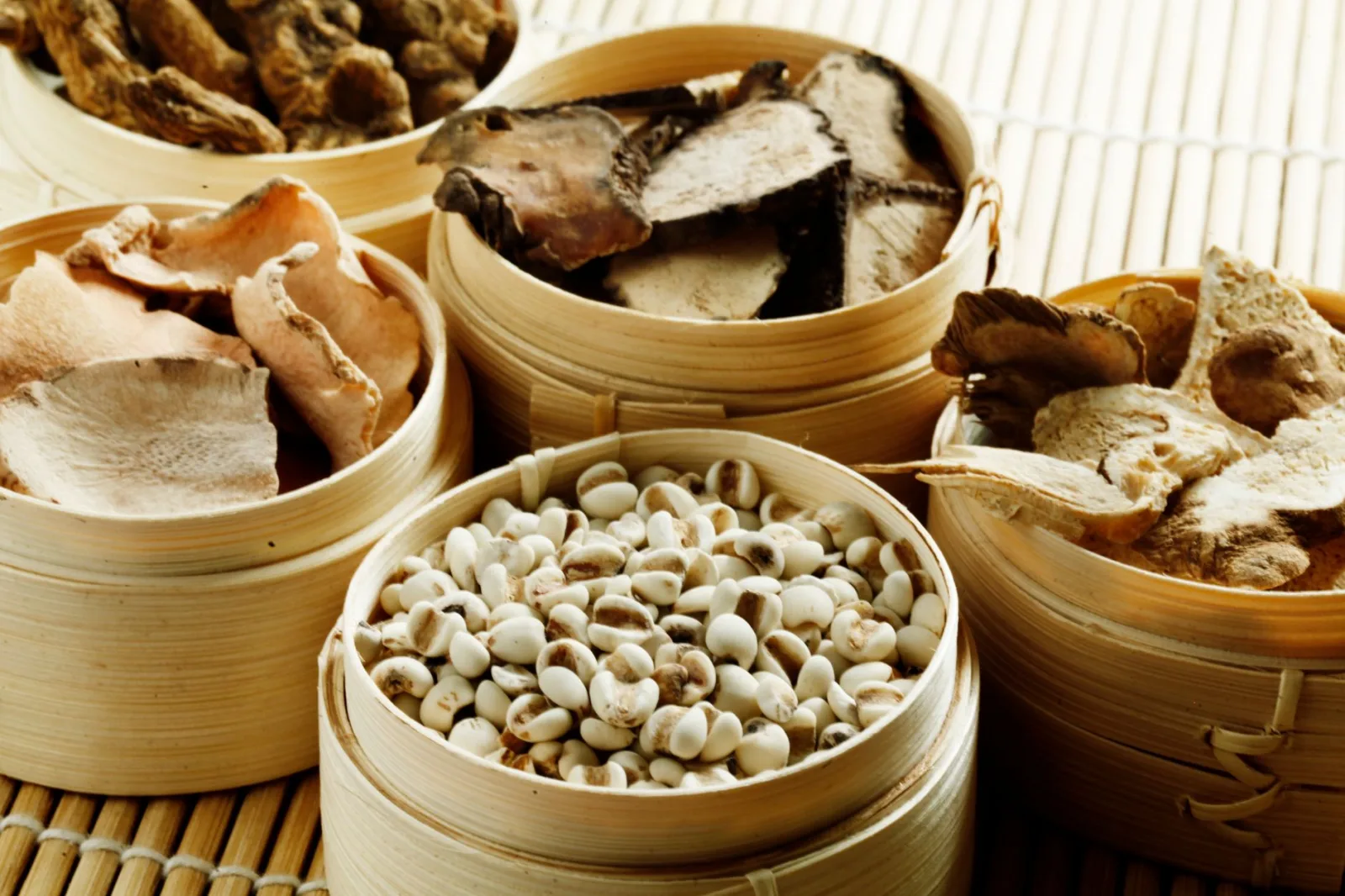
- Herbal Medicine: The use of native plants for healing is common. For instance, the sidr tree’s leaves are often used for their healing properties, believed to cleanse both body and spirit.
- Spiritual Cleansing: Rituals involving water, such as bathing in sacred springs or rivers, are believed to purify the spirit. For example, many people visit the hidden natural springs of Saudi Arabia for both physical and spiritual rejuvenation.
6. Modern-Day Relevance
As we navigate a rapidly changing world, the relevance of these hidden spiritual practices has become even more pronounced. They offer a way to reconnect with ourselves amid the chaos of modern life. Here’s how you can engage with these practices:
- Seek Authentic Experiences: When traveling in the Arabian Peninsula, look for opportunities to participate in local rituals or ceremonies. This could involve attending a community gathering or visiting sacred sites.
- Practice Mindfulness: Integrate elements of these ancient practices into your daily life. For example, consider incorporating storytelling into your family gatherings to foster deeper connections.
- Explore Spiritual Retreats: Consider visiting hidden spiritual retreats in the region, where you can immerse yourself in these practices and learn from local traditions.
7. Key Takeaways
In summary, the hidden spiritual practices of the Arabian Peninsula offer rich insights into the region’s cultural heritage and contemporary relevance. By exploring these ancient rituals, you not only connect with the past but also discover tools for enhancing your spiritual well-being today. Remember, whether through storytelling, communal gatherings, or nature-based rituals, these practices can foster a sense of belonging and inner peace.