






The Rich Tapestry of Arabian Music
The Arabian Peninsula is home to a diverse range of music traditions that reflect its rich history and cultural diversity. Each region has its own unique styles and instruments, often influenced by the neighboring countries and tribes. Understanding this tapestry of local music is essential to discovering the hidden sounds that define this region.
- The Rich Tapestry of Arabian Music
- 1. Identifying Local Music Traditions
- 2. Exploring Instruments Unique to the Region
- 3. Participating in Local Festivals and Events
- 4. Engaging with Local Musicians
- 5. Understanding the Cultural Context
- 6. Exploring Regional Variations
- 7. Recording and Sharing Your Experiences
- Conclusion
1. Identifying Local Music Traditions
To embark on your journey, start by identifying the various local music traditions across the Arabian Peninsula. You will find that traditional music can vary significantly between countries like Saudi Arabia, Oman, the United Arab Emirates, and Qatar. For instance, in Saudi Arabia, the Ardah is a captivating traditional dance accompanied by poetry and drumming. In contrast, Oman boasts the traditional Al-Bar’ah, a performance featuring dancers in vibrant attire, often accompanied by the oud and drums.

2. Exploring Instruments Unique to the Region
Next, familiarize yourself with the traditional instruments that shape the hidden sounds of the Arabian Peninsula. The oud, a pear-shaped string instrument, is prominent across the region. Its deep, rich tones add depth to many local performances. Similarly, the qanun, a zither-like instrument, provides a melodic backdrop in ensemble settings. Understanding these instruments will enhance your appreciation when you encounter them during cultural experiences.
3. Participating in Local Festivals and Events
Attending local festivals is one of the best ways to experience the music traditions firsthand. For example, the Janadriyah Festival in Saudi Arabia showcases a variety of performances, from traditional dances to contemporary music. By immersing yourself in these events, you can witness the passion and storytelling inherent in local music traditions. Pro tip: Check the festival schedule in advance, as many events may take place during specific seasons.
4. Engaging with Local Musicians
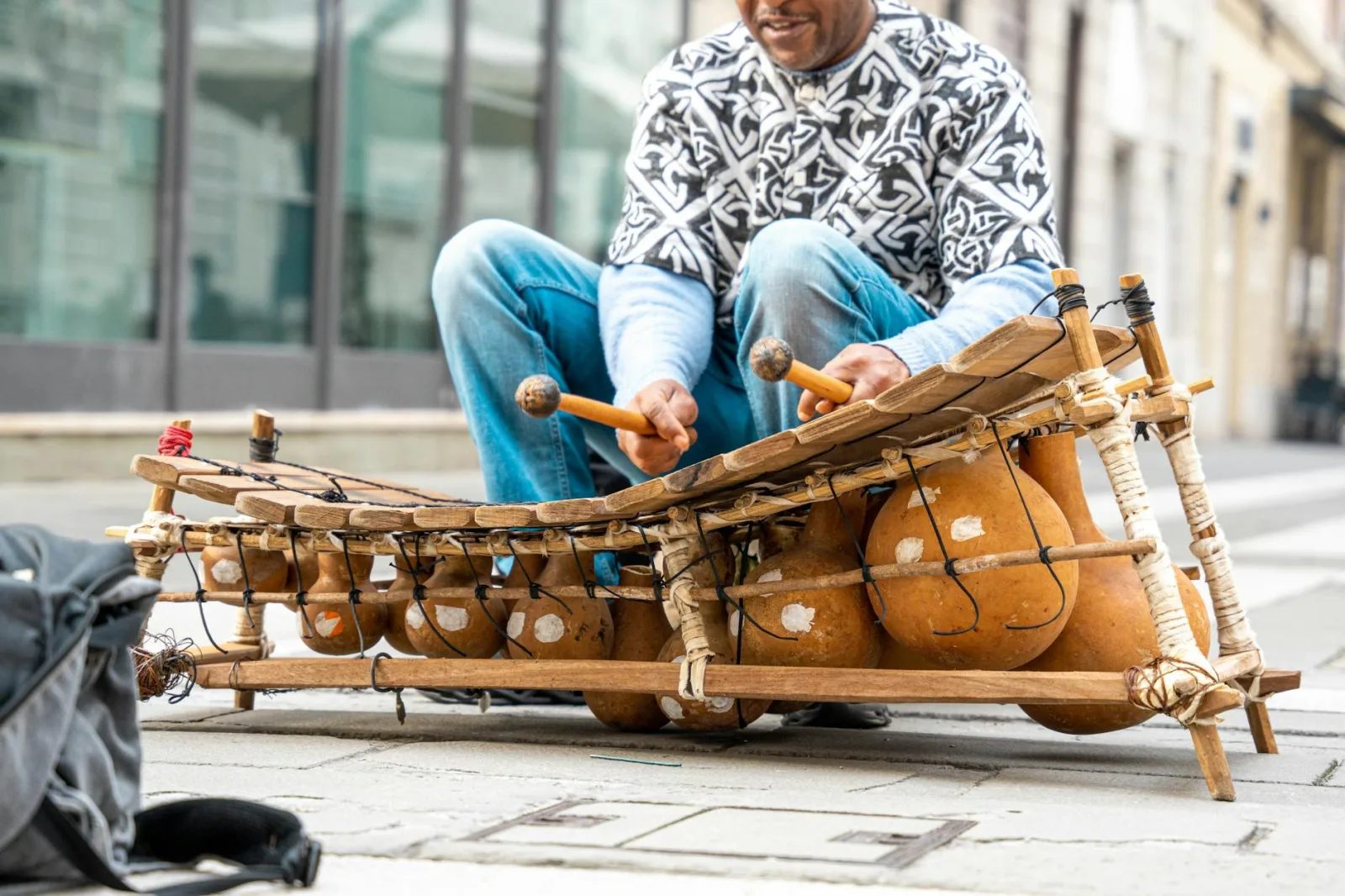
Another effective way to discover hidden sounds is by engaging with local musicians. Seek out intimate venues, cafes, or community gatherings where musicians perform. This provides an opportunity to ask questions about their music and the stories behind their songs. Common mistake: Avoid limiting yourself to only large concert venues; often, the most authentic experiences occur in smaller, local settings.
5. Understanding the Cultural Context
To truly appreciate the music, you must understand the cultural context in which it exists. For example, Bedouin music often tells stories of love, loss, and the desert lifestyle. These narratives are vital for grasping the emotional depth behind the melodies. Therefore, take time to learn about the history and significance of the songs you hear. This understanding will enrich your overall experience.

6. Exploring Regional Variations
The Arabian Peninsula is not a monolith; its music reflects the unique cultures of its regions. For instance, in the UAE, the Al-Ayyalah dance, characterized by men carrying rifles and performing synchronized movements, contrasts sharply with the soft, poetic rhythms of Yemen’s traditional music. Exploring these regional differences will provide a broader perspective on the hidden sounds of the area.
7. Recording and Sharing Your Experiences
As you embark on this auditory journey, consider documenting your experiences. Whether through audio recordings, photographs, or written notes, capturing these moments not only preserves your memories but also allows you to share the hidden sounds with others. Important note: Always ask for permission before recording performances, as artists may have specific wishes regarding their work.
Conclusion
Discovering the hidden sounds of the Arabian Peninsula is a rewarding endeavor that requires an open mind and a willingness to engage with local cultures. By identifying music traditions, exploring unique instruments, participating in local events, and understanding the cultural context, you can unlock the rich musical heritage of this captivating region. Remember to take your time, listen carefully, and allow the music to guide you on this incredible journey. In summary, the key takeaways include:
- Identify and explore local music traditions.
- Familiarize yourself with unique instruments like the oud and qanun.
- Engage with local musicians and attend festivals.
- Understand the cultural context behind the music.
- Document your experiences to share the hidden sounds with others.