





Choosing Your Destination
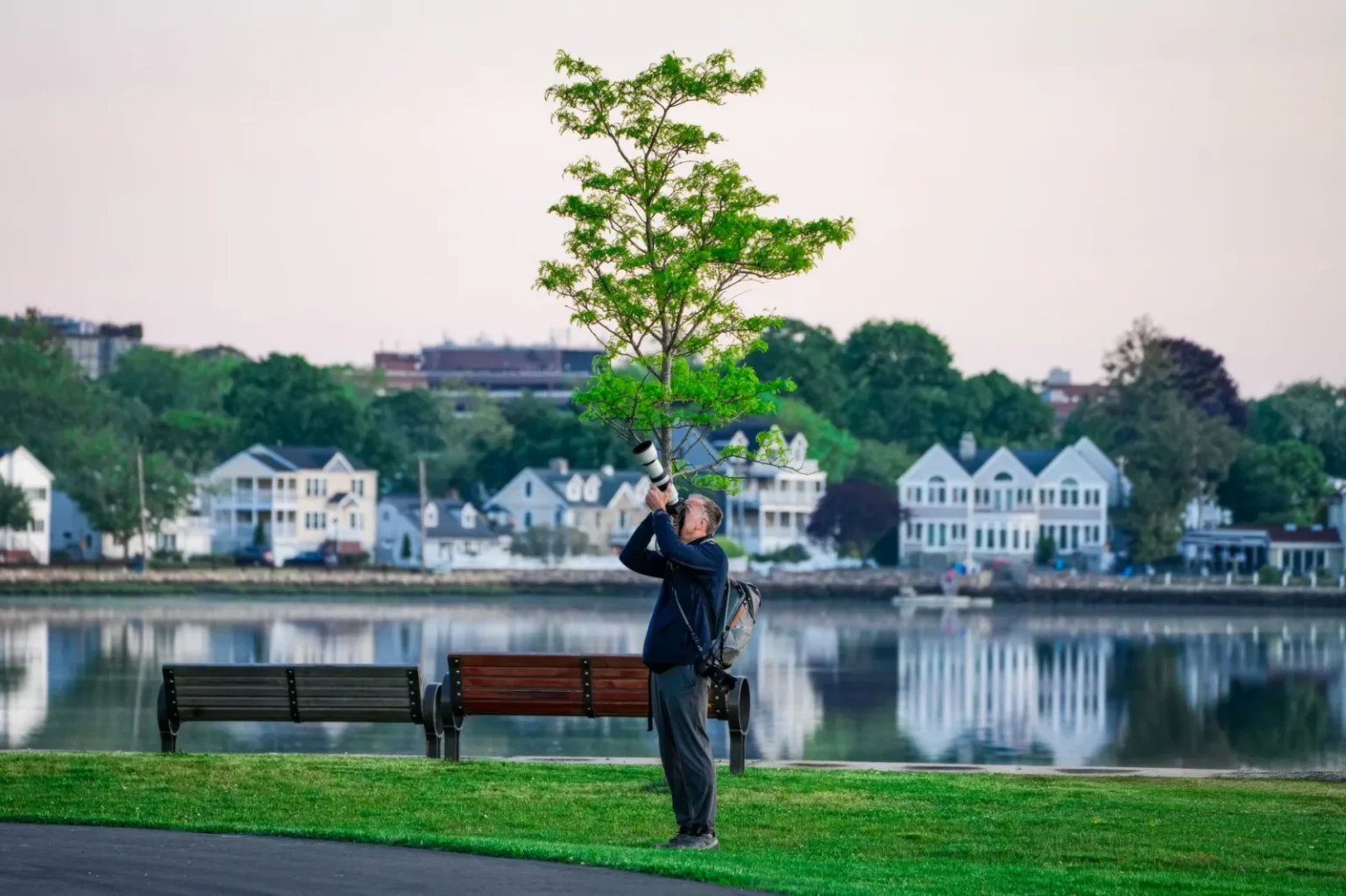
To make the most of your nature photography weekend, selecting the right destination is crucial. Consider locations known for their diverse landscapes, such as national parks, coastal areas, or mountain ranges. For example, the Great Smoky Mountains offer a variety of ecosystems, from lush forests to breathtaking vistas. Additionally, think about the season—autumn foliage or spring blooms can significantly enhance your photographs.
Planning Your Itinerary
A well-structured itinerary can help you maximize your photography opportunities. Start by identifying the best times for natural lighting. The golden hour, shortly after sunrise or before sunset, is ideal for capturing stunning landscapes. Therefore, plan your shoots around these times. You might also want to scout your location beforehand, either through online research or a quick visit, to identify potential shooting spots.
Essential Gear for Landscape Photography
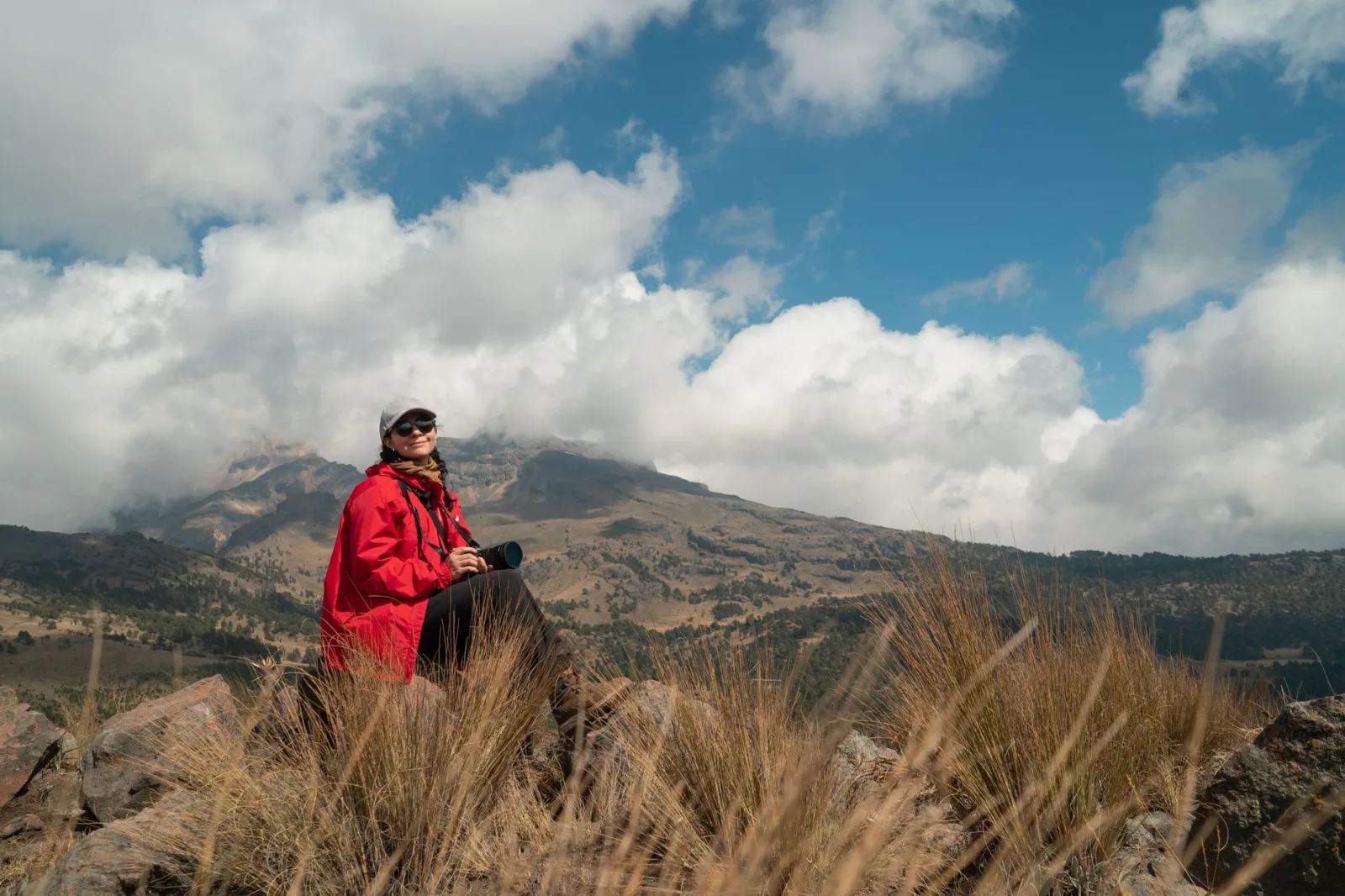
Your gear plays a significant role in the quality of your photos. At a minimum, you should have a DSLR or mirrorless camera, a sturdy tripod, and a variety of lenses. A wide-angle lens is particularly useful for capturing expansive landscapes. Additionally, consider bringing filters, such as polarizers, to reduce glare and enhance colors. Pro tip: don’t forget spare batteries and memory cards, as you may find yourself shooting more than you anticipated!
Understanding Composition Techniques
Effective composition can elevate your landscape photography. Familiarize yourself with rules like the Rule of Thirds, leading lines, and framing. For instance, placing your subject off-center can create a more dynamic image. Additionally, look for natural lines, such as rivers or pathways, that lead the viewer’s eye into the scene. The next step is to experiment with different angles and perspectives. Sometimes, getting low to the ground or climbing to a higher vantage point can yield stunning results.
Post-Processing Your Images
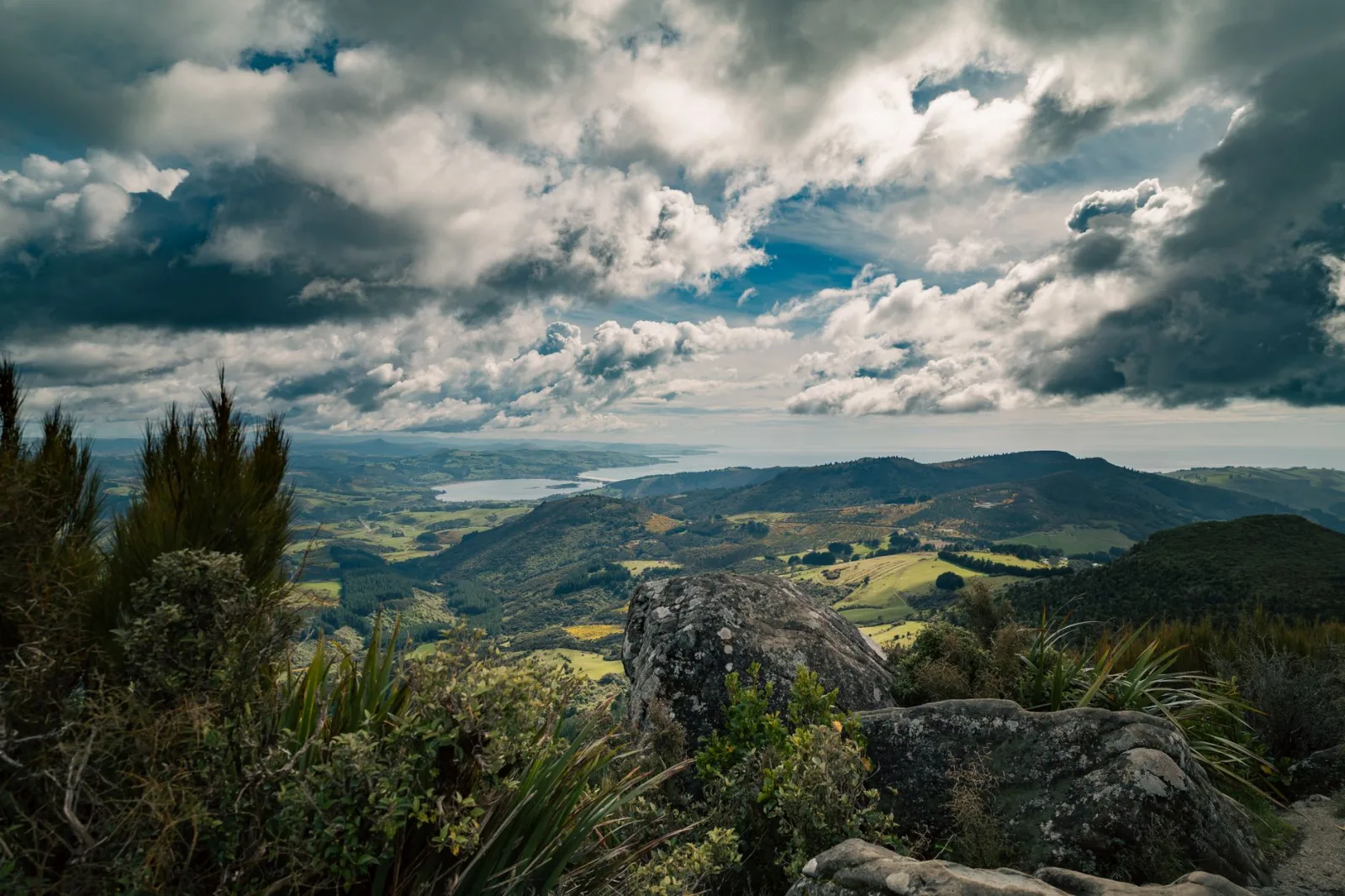
After your photography weekend, post-processing is where you can refine your images. Tools like Adobe Lightroom or Photoshop can help enhance colors, adjust exposure, and crop your photos for better composition. While editing, aim for a natural look, avoiding excessive manipulation that can detract from the authenticity of the scene. Important note: always keep a backup of your original images in case you want to revert your changes later.
Photography Retreats for Skill Enhancement
Participating in photography retreats can significantly enhance your skills. These retreats often provide workshops led by experienced photographers, allowing you to learn new techniques and get immediate feedback. They also offer opportunities to network with fellow enthusiasts. Look for retreats that focus on landscape photography, ensuring you get the most relevant experience. You can find various options by researching local photography schools or online platforms that specialize in workshops.
Staying Respectful of Nature
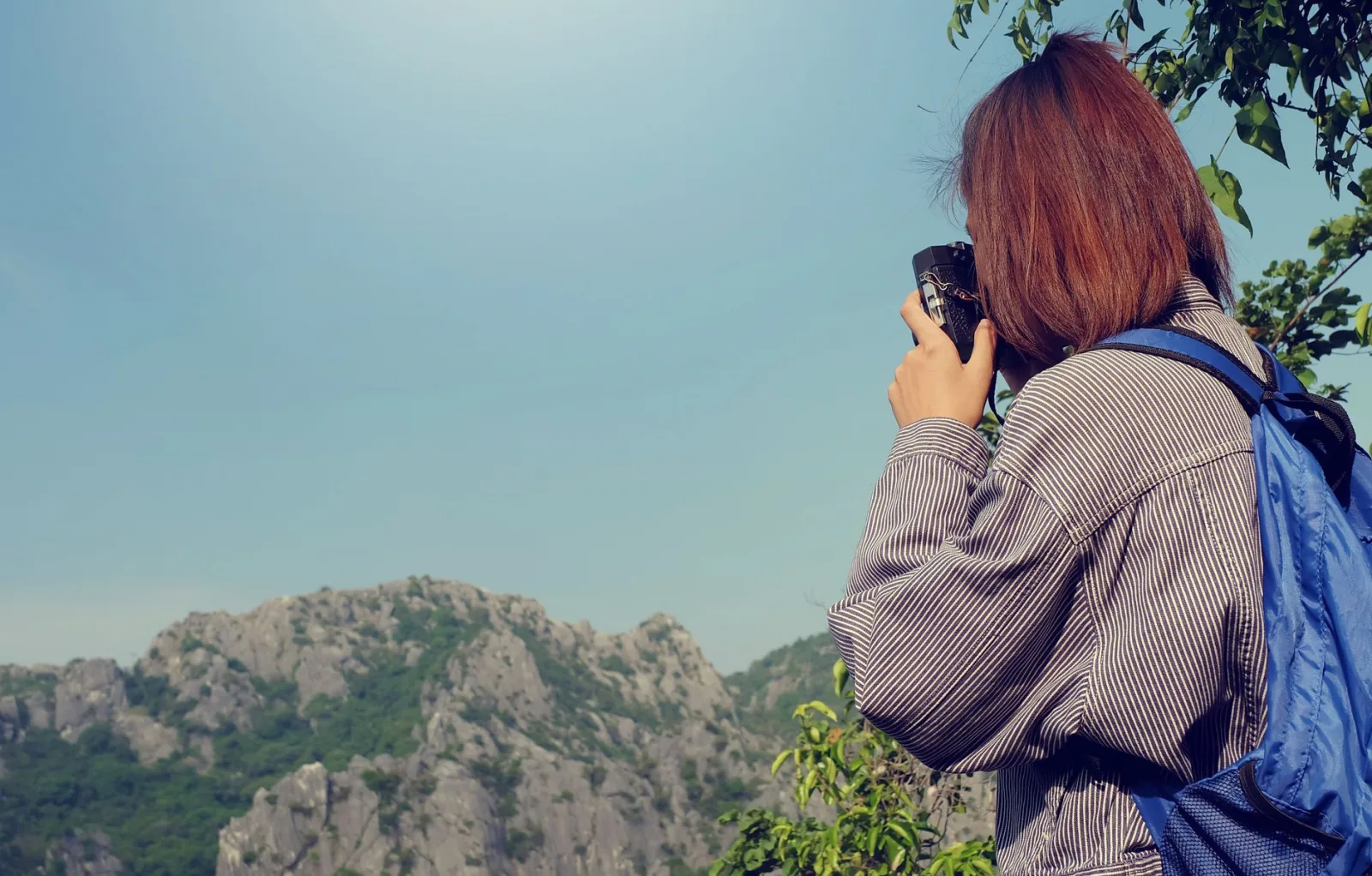
As a nature photography enthusiast, it’s essential to respect your surroundings. Follow the Leave No Trace principles: pack out what you pack in, stay on marked trails, and avoid disturbing wildlife. Additionally, consider the impact of your presence on fragile ecosystems. Warning: some locations may have specific regulations regarding photography, so it’s wise to check ahead before you shoot.
Conclusion: Key Takeaways for Your Next Nature Photography Weekend
In summary, a successful nature photography weekend involves careful planning and consideration of both your gear and surroundings. Choose a destination that inspires you, plan your itinerary around the best light, and understand key composition techniques. Don’t forget to enhance your images during post-processing, and consider joining photography retreats to further your skills. By respecting nature and embracing the learning process, you can create stunning landscapes that reflect the beauty of the world around you.