




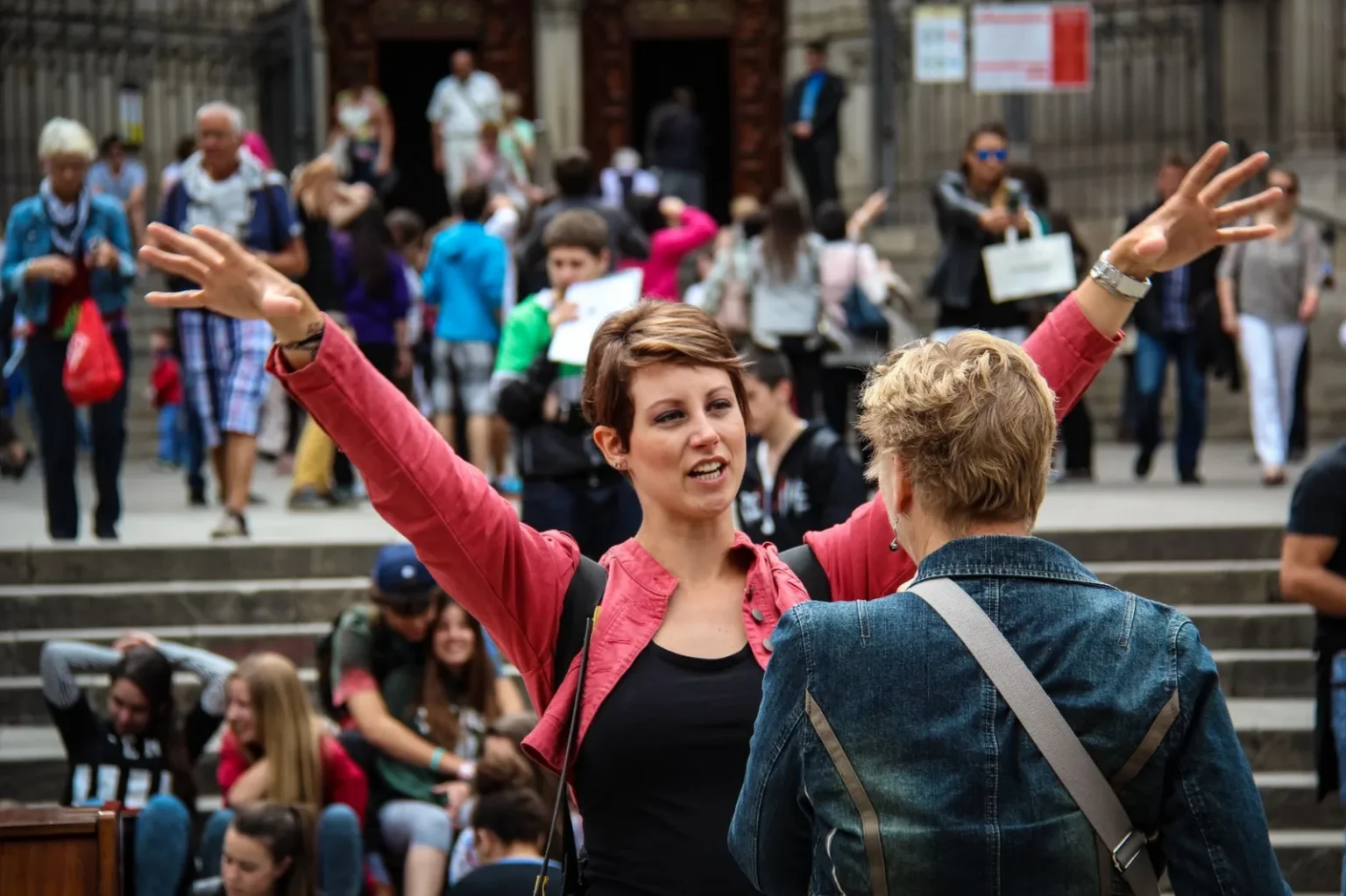

Understanding the Importance of Communication
Effective communication with locals can significantly enhance your travel experience. It allows you to connect on a deeper level, understand cultural contexts, and navigate your surroundings more easily. When you learn to communicate with locals, you’re not just exchanging words; you’re building relationships and gaining insights into their world.
- Understanding the Importance of Communication
- Step 1: Learn Basic Local Phrases
- Step 2: Understand Cultural Nuances
- Step 3: Use Non-Verbal Communication
- Step 4: Be Patient and Open-Minded
- Step 5: Engage in Local Customs and Traditions
- Step 6: Utilize Technology Wisely
- Step 7: Reflect on Your Experiences
- Conclusion: Key Takeaways for Successful Communication
Step 1: Learn Basic Local Phrases
Before you embark on your journey, familiarize yourself with a few essential phrases in the local language. Knowing how to say ‘hello,’ ‘thank you,’ and ‘please’ can make a considerable difference in your interactions. For example, in Italy, saying “Grazie” (thank you) can go a long way in winning over locals.
Pro tip: Use language learning apps like Duolingo or Babbel to practice these phrases. Additionally, consider carrying a small pocket phrasebook for quick references.

Step 2: Understand Cultural Nuances
Language is deeply intertwined with culture. Understanding cultural nuances can prevent miscommunication and foster respect. For instance, in Japan, bowing is a common greeting, and failing to do so might be perceived as disrespectful. Similarly, in many Latin American countries, personal space is often closer than in Western cultures.
Therefore, research local customs and etiquette before your trip. This preparation allows you to communicate with locals more effectively, making them feel appreciated and respected.
Step 3: Use Non-Verbal Communication
Sometimes, words are not enough. Non-verbal communication, such as gestures, facial expressions, and body language, is crucial in bridging language gaps. When speaking with locals, maintain eye contact and use hand gestures to emphasize your point. For instance, if you’re trying to ask for directions, pointing to a map can clarify your request.
Important note: Be cautious with gestures as they can have different meanings in various cultures. For example, a thumbs-up is considered positive in many Western cultures but can be offensive in some Middle Eastern countries.

Step 4: Be Patient and Open-Minded
Effective communication often requires patience. If a local does not understand your accent or phrasing, don’t get frustrated. Instead, try rephrasing your question or speaking more slowly. Remember, you are likely in their environment, and they may not be accustomed to hearing your language. Show appreciation for their efforts to understand you.
Additionally, embrace mistakes. Language barriers can lead to humorous misunderstandings. Instead of feeling embarrassed, laugh it off. This openness can build rapport and make your interactions more enjoyable.
Step 5: Engage in Local Customs and Traditions
Participating in local customs can create memorable experiences and open doors for communication. Attend local festivals, food markets, or community events where you can interact with locals in a relaxed setting. For example, if you are visiting Tuscany, consider joining a cooking class to learn about their cuisine while making new friends.
Common mistake: Avoid imposing your own customs or expectations on locals. Instead, be curious and ask questions about their traditions. This respectful engagement can lead to enriching conversations.

Step 6: Utilize Technology Wisely
In today’s digital age, technology can enhance your ability to communicate with locals. Translation apps like Google Translate can help you convey messages effectively, especially in more complex situations. You can also use social media platforms or community boards to seek advice from locals before your trip.
Warning: While technology is helpful, don’t rely solely on it. Over-dependence can hinder genuine interactions. Use it as a supplement to your efforts in learning the language and understanding the culture.
Step 7: Reflect on Your Experiences
After your trip, take time to reflect on your interactions. Consider what worked well and what could be improved for future travels. Perhaps you discovered that asking open-ended questions led to richer conversations. Or maybe you found that certain expressions were more effective in connecting with locals. These reflections can enhance your communication skills for your next adventure.
Conclusion: Key Takeaways for Successful Communication
Communicating with locals is an essential aspect of travel that enriches your experience. By learning basic phrases, understanding cultural nuances, and engaging in customs, you create meaningful connections. Remember to be patient, use non-verbal cues, and embrace technology as a tool, not a crutch. Your willingness to connect will not only enhance your journey but also foster understanding and respect between cultures.
In summary, effective communication involves preparation, openness, and a genuine interest in the local culture. So, the next time you travel, remember these steps to communicate with locals effectively, and enjoy a more immersive experience.