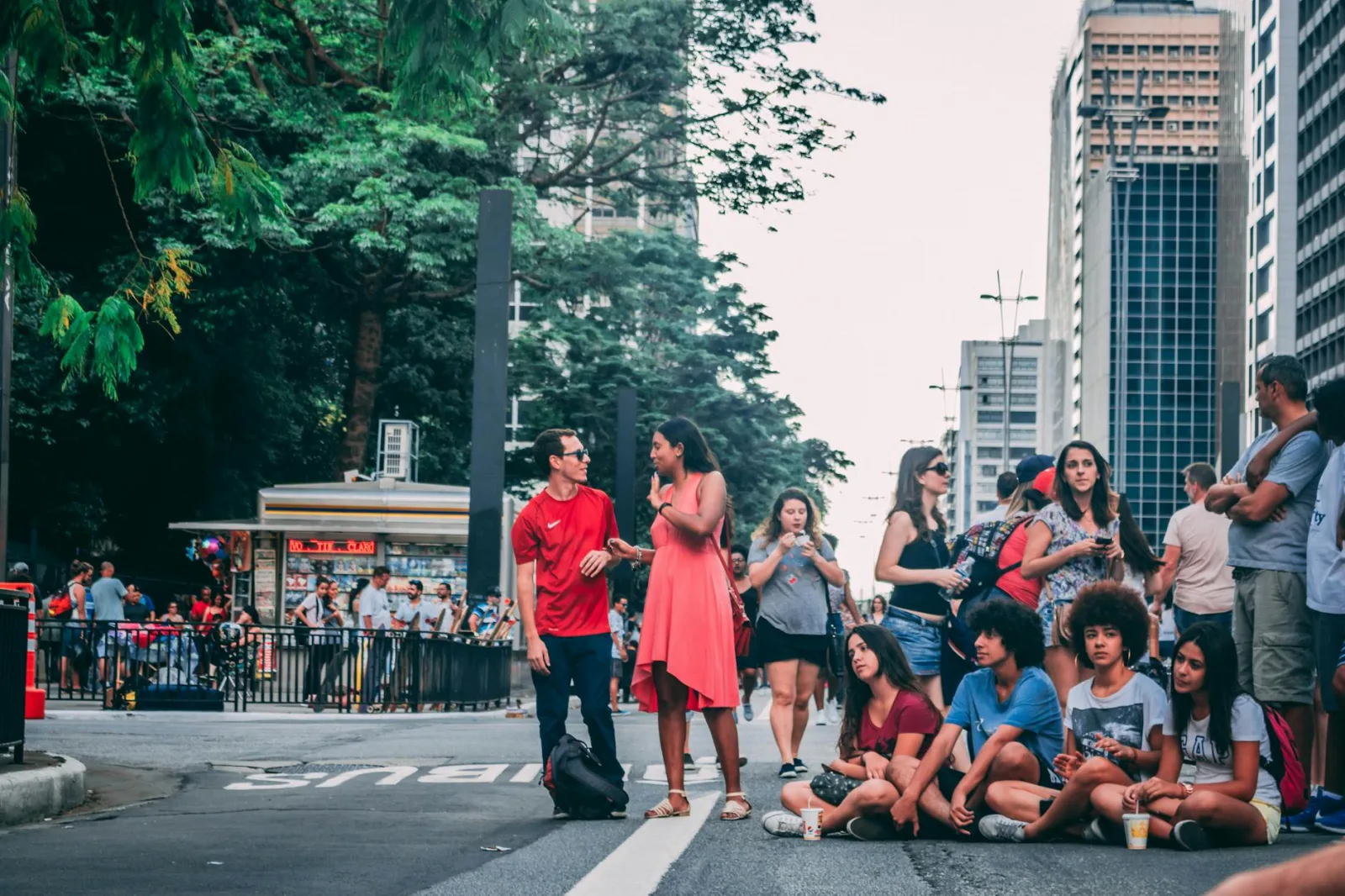
Travel etiquette refers to the accepted social norms and behaviors expected in different cultures while traveling. Understanding these customs not only enriches your travel experience but also fosters positive interactions with locals. It helps you avoid unintentional offenses and demonstrates respect for the culture you are visiting.
Engaging in appropriate behaviors abroad can significantly influence your interactions. For instance, in many Asian cultures, showing respect through bowing is customary, while in Western cultures, a firm handshake is favored. Understanding these nuances can help you form genuine connections and create a welcoming atmosphere.
📷 Athena Sandrini – Pexels
1. Research Before You Go
Your journey into travel etiquette begins with research. Before visiting a new country, take time to learn about its social norms. This includes greetings, dining etiquette, and dress codes, among other aspects. For example, in Japan, it is considered polite to bow when greeting someone, while in the U.S., a simple handshake is common.
2. Greetings and Communication Styles
Different cultures have varying preferences for greetings and communication. In some regions, a warm hug is appropriate, while in others, a nod or a bow is more suitable. Always observe local customs; if in doubt, mimic the behavior of locals. For instance, in France, greeting with a kiss on the cheek is customary among acquaintances.
3. Dining Etiquette: Table Manners Matter
Dining is a central part of cultural exchange, and understanding dining etiquette is crucial. In Italy, for example, it’s important to wait for everyone to be served before starting your meal. Conversely, in some Middle Eastern countries, eating with your right hand is the norm, and using your left is considered disrespectful. Familiarizing yourself with these customs can enhance your dining experiences.
📷 Joaquin Carfagna – Pexels
4. Dress Appropriately for the Culture
Dress codes vary significantly around the world. In some countries, modesty is highly valued, while in others, casual attire is acceptable. For example, when visiting religious sites in countries like Thailand or Turkey, covering shoulders and knees is often required. Always check the local dress code to avoid drawing unnecessary attention.
5. Respecting Cultural Differences
Differences in cultural practices can sometimes lead to misunderstandings. It’s essential to approach these differences with an open mind. For instance, in some cultures, making direct eye contact is a sign of confidence, while in others, it might be perceived as disrespectful. If you’re unsure how to behave, consider asking locals or doing further research on cultural understanding.
📷 cottonbro studio – Pexels
6. Navigating Public Transportation Etiquette
Public transportation etiquette can vary widely. In Japan, for instance, silence is expected on trains, and phone calls are often frowned upon. Alternatively, in some European cities, talking loudly is more acceptable. Observing local behavior can guide you on how to act appropriately while using public transport.
7. The Importance of Being Polite
Politeness goes a long way in any culture. Simple phrases like “please” and “thank you” can make a significant difference. Learning a few basic words in the local language can demonstrate your respect and willingness to engage with the culture. For instance, saying “hola” in Spain or “merci” in France can lead to friendlier interactions.
Conclusion: Key Takeaways
As you prepare for your travels, remember that understanding travel etiquette is essential for a fulfilling experience. Researching social norms, practicing appropriate greetings, being mindful of dining etiquette, dressing suitably, and respecting cultural differences can enhance your journey. By approaching each destination with an open heart and mind, you can create authentic connections and enrich your travel experiences. Pro tip: Always be observant and adaptable to the customs around you, and don’t hesitate to ask locals for guidance if you’re uncertain.