





Understanding Dietary Restrictions
Dietary restrictions encompass a variety of needs including allergies, intolerances, and lifestyle choices such as veganism or gluten-free diets. Understanding your specific restrictions is crucial before embarking on your travels. For instance, if you are gluten intolerant, it is essential to know the difference between gluten-free and gluten-containing foods.
Planning Ahead: Researching Your Destination
Before you travel, invest some time in researching food options at your destination. Start by checking online resources and local food blogs that cater to your dietary needs. For example, if you’re heading to Italy and require gluten-free travel options, look for restaurants that specifically cater to gluten-free diets. Websites and apps such as Find Me Gluten Free can guide you to suitable dining options.

Communicating Your Needs Effectively
When dining out, clear communication is key. This may involve carrying a translation card that outlines your dietary restrictions in the local language. An example of this could be a simple card stating, ‘I cannot eat gluten due to celiac disease’ in Italian if you’re in Italy. This approach minimizes misunderstandings and helps ensure your meal meets your needs.
Making Smart Food Choices
When you arrive at your destination, be prepared to make smart food choices. Familiarize yourself with local dishes and ingredients. For instance, in Japan, knowing that soy sauce contains gluten can help avoid potential pitfalls. Always ask questions about how food is prepared, which can be as simple as inquiring whether certain sauces contain allergens.
Utilizing Apps and Online Resources
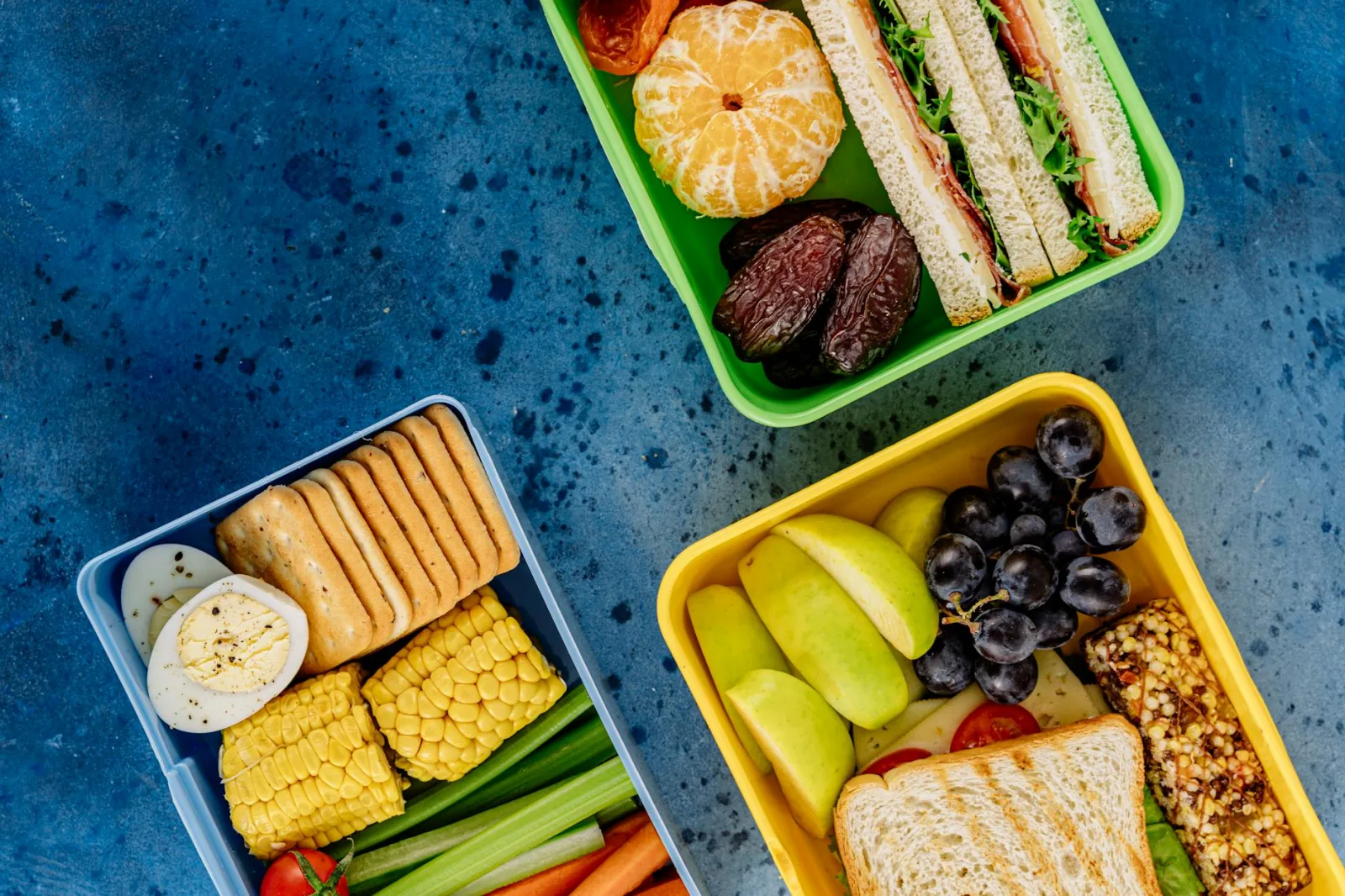
In today’s digital age, technology is a helpful ally. Several apps can assist you in finding safe dining options. Apps like HappyCow can help you locate vegan and vegetarian restaurants, while AllergyEats can help find allergen-friendly dining establishments. Downloading these apps before your trip can save you time and stress while navigating food choices abroad.
Shopping for Food: Supermarkets and Local Markets
Shopping at local supermarkets or markets can provide you with options that align with your dietary restrictions. Look for packaged foods with labels in the local language, and familiarize yourself with common allergens in that region’s cuisine. Important note: not all countries have the same food labeling standards, so what is gluten-free in one country might not be in another.
Preparing Your Own Meals
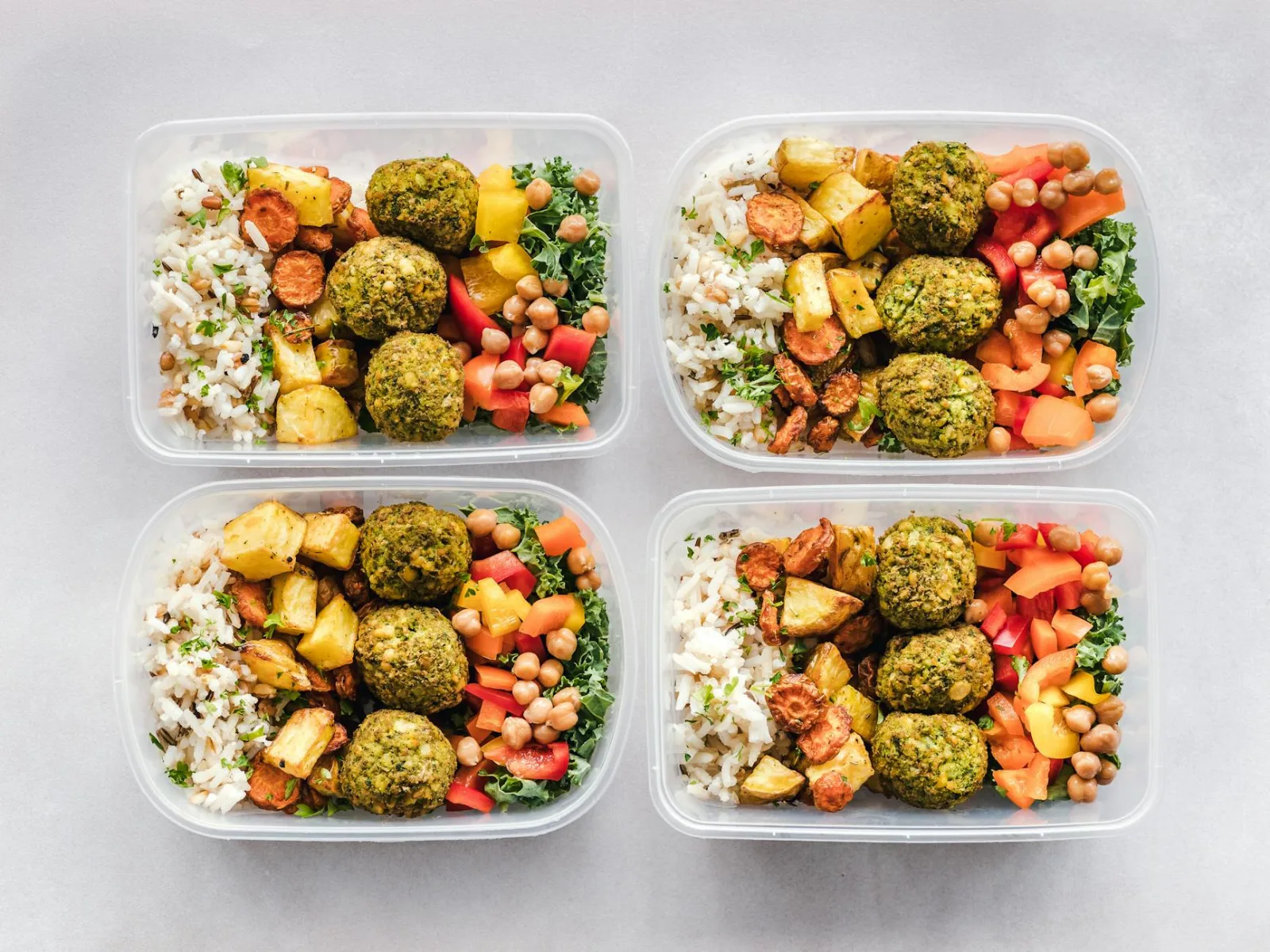
If feasible, consider preparing your own meals. Renting accommodations with kitchen facilities can allow you to control your food preparation. This is particularly useful for travelers with severe allergies. You can purchase fresh ingredients from local markets and create meals that cater to your dietary needs—think of it as an adventure in culinary exploration.
In Case of Emergencies
Despite the best planning, emergencies can happen. Carry a small emergency kit that includes any necessary medications, and familiarize yourself with local healthcare options. It’s advisable to have a plan in place for what to do if you accidentally consume something that doesn’t align with your dietary restrictions. Knowing where the nearest hospital or clinic is can provide peace of mind.
Key Takeaways
Traveling with dietary restrictions can be enjoyable with the right preparation. Understanding your needs, researching your destination, communicating effectively, and making informed food choices can significantly enhance your travel experience. Remember, while it may require some extra effort, the reward of exploring new cultures and cuisines safely is well worth it.