





Understanding Mindful Travel
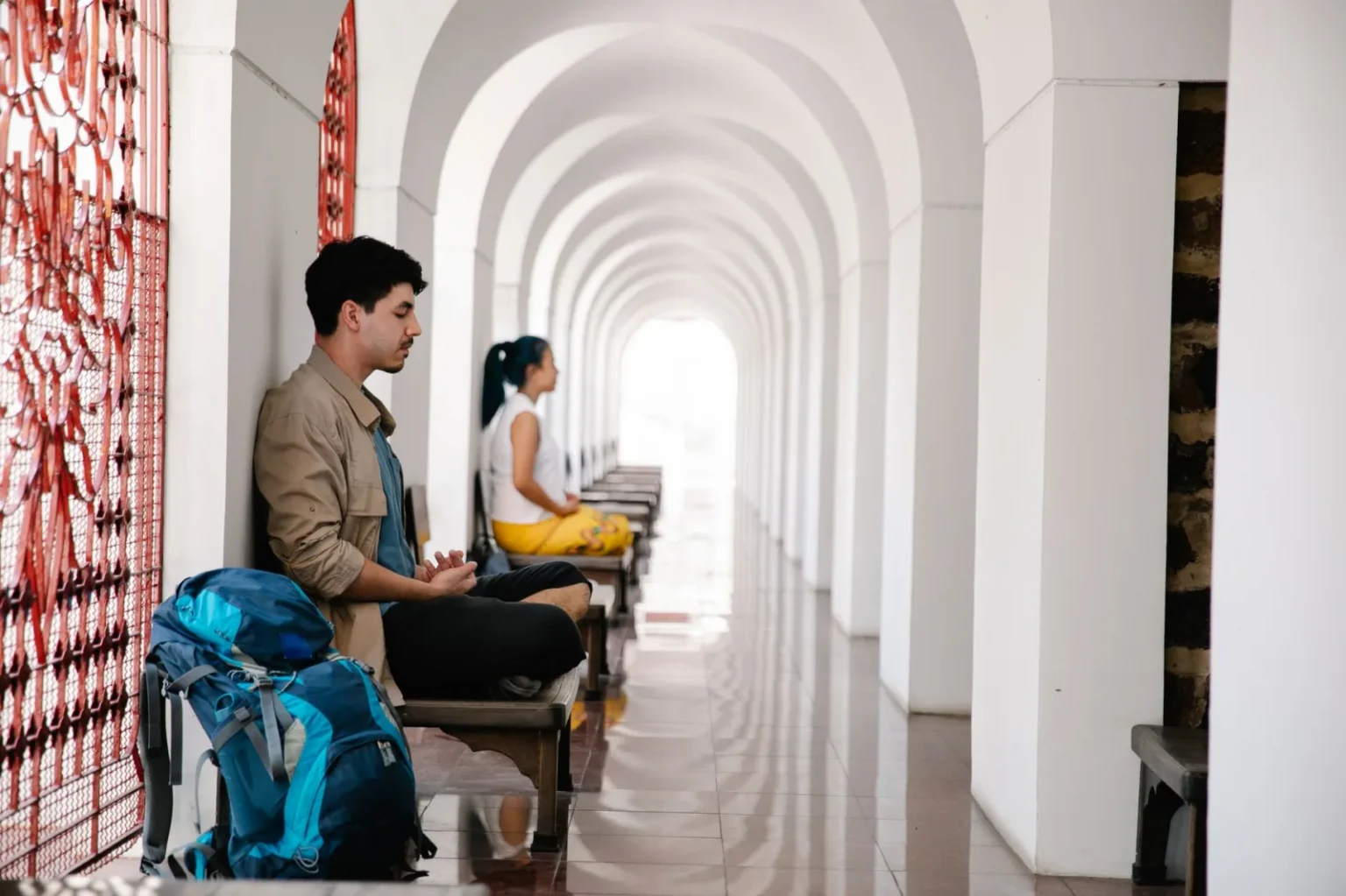
Mindful travel refers to the practice of being fully present and engaged in your travel experiences. Instead of merely checking off destinations, you immerse yourself in the sights, sounds, and cultures around you. This approach can lead to a deeper appreciation of your journey, allowing you to create lasting memories and connections. To start practicing mindful travel, you should focus on the present moment and cultivate awareness of your surroundings.
1. Prepare Your Mindset Before You Travel
Before embarking on your trip, take a moment to set your intentions. Ask yourself what you want to achieve from this journey. Do you seek relaxation, adventure, or cultural enrichment? By defining your goals, you can create a travel experience that is more aligned with your desires. For instance, if you want to focus on cultural immersion, consider learning a few phrases in the local language or researching the history of the places you’ll visit.

2. Practice Mindfulness Techniques
Integrating mindfulness techniques into your travel routine can significantly enhance your experience. Here are a few techniques you can use:
- Breath Awareness: Take a few moments each day to focus on your breathing. This practice can ground you and bring your attention back to the present moment. For example, while waiting in line at a museum, take a deep breath, feel your feet on the ground, and notice your surroundings.
- Mindful Observation: Choose a specific object, person, or scene to observe closely. Spend a few minutes noticing the details—the colors, shapes, sounds, and smells. This practice can deepen your connection to the environment and enhance your appreciation of it.
- Journaling: Keep a travel journal to document your thoughts, feelings, and experiences. Writing about your day can help you process what you’ve encountered and reflect on your journey. This practice encourages you to engage with your experiences rather than passively observing them.
3. Embrace Slow Travel
Slow travel encourages you to take your time and absorb your surroundings rather than rushing from one attraction to another. Instead of cramming too many activities into one day, consider spending more time in fewer locations. For example, rather than hopping from city to city, choose one destination and explore it deeply. You may discover hidden gems and local experiences that enhance your trip. Important note: Slow travel may require you to adjust your itinerary, but the rewards of deeper engagement are often worth the trade-off.
4. Disconnect from Technology
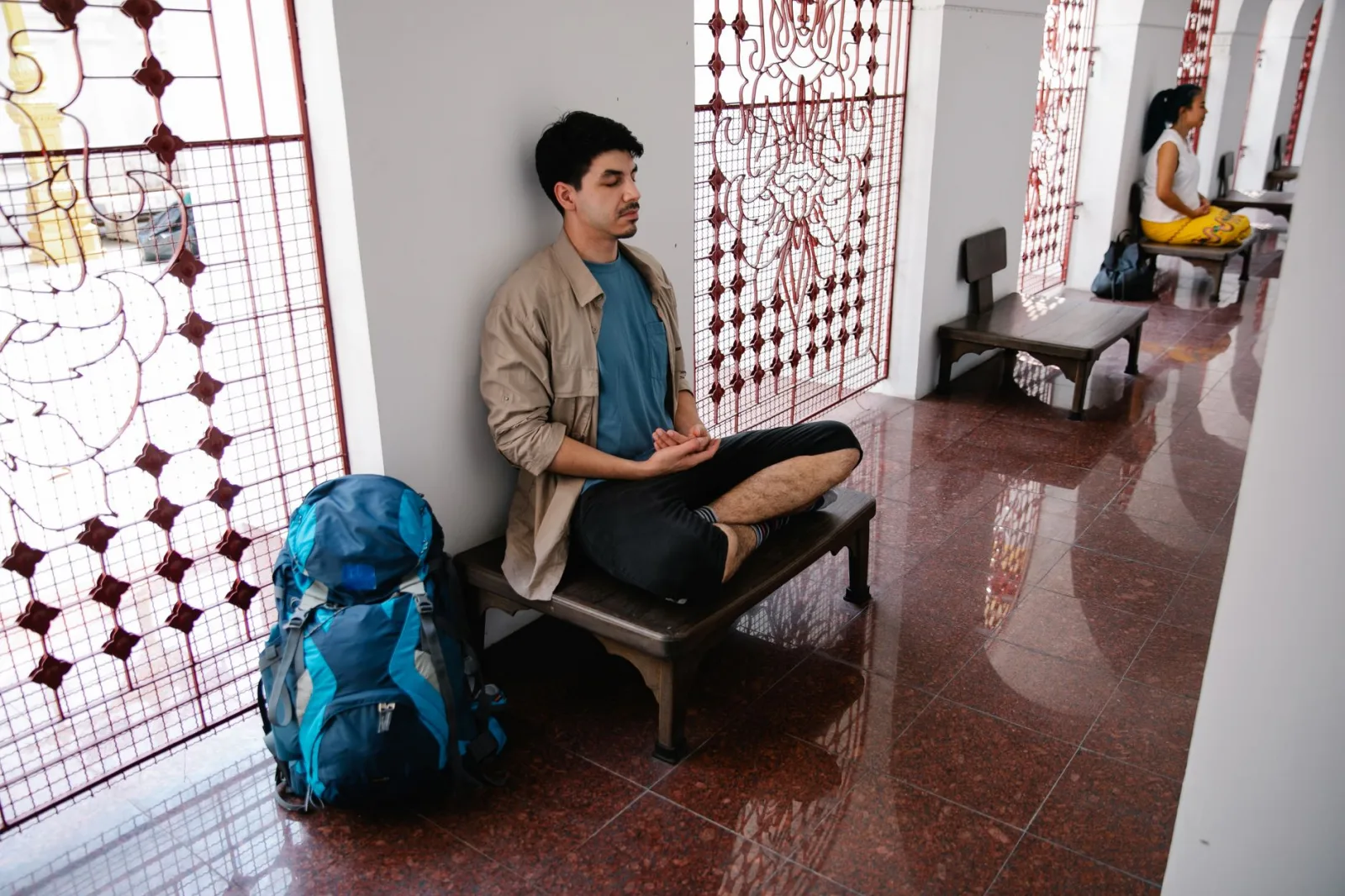
While technology can enhance your travel experience, constant connectivity may also distract you from the present moment. Consider disconnecting from your devices for part of your trip. You might set specific times for checking emails or social media, allowing you to focus on your surroundings. For example, during meals or while exploring a new area, put your phone away and be fully present. This practice can enhance your interactions with locals and fellow travelers, fostering a genuine connection.
5. Engage with Local Cultures
One of the most enriching aspects of travel is the opportunity to interact with local cultures. To practice mindful travel, seek out authentic experiences that allow you to connect with the community. This may include:
- Participating in local festivals or events.
- Taking cooking classes to learn about regional cuisine.
- Volunteering for a local organization.
These activities not only provide insight into the culture but also create meaningful connections with people. Remember, the goal is to engage in experiences that resonate with you personally.
6. Reflect on Your Experiences
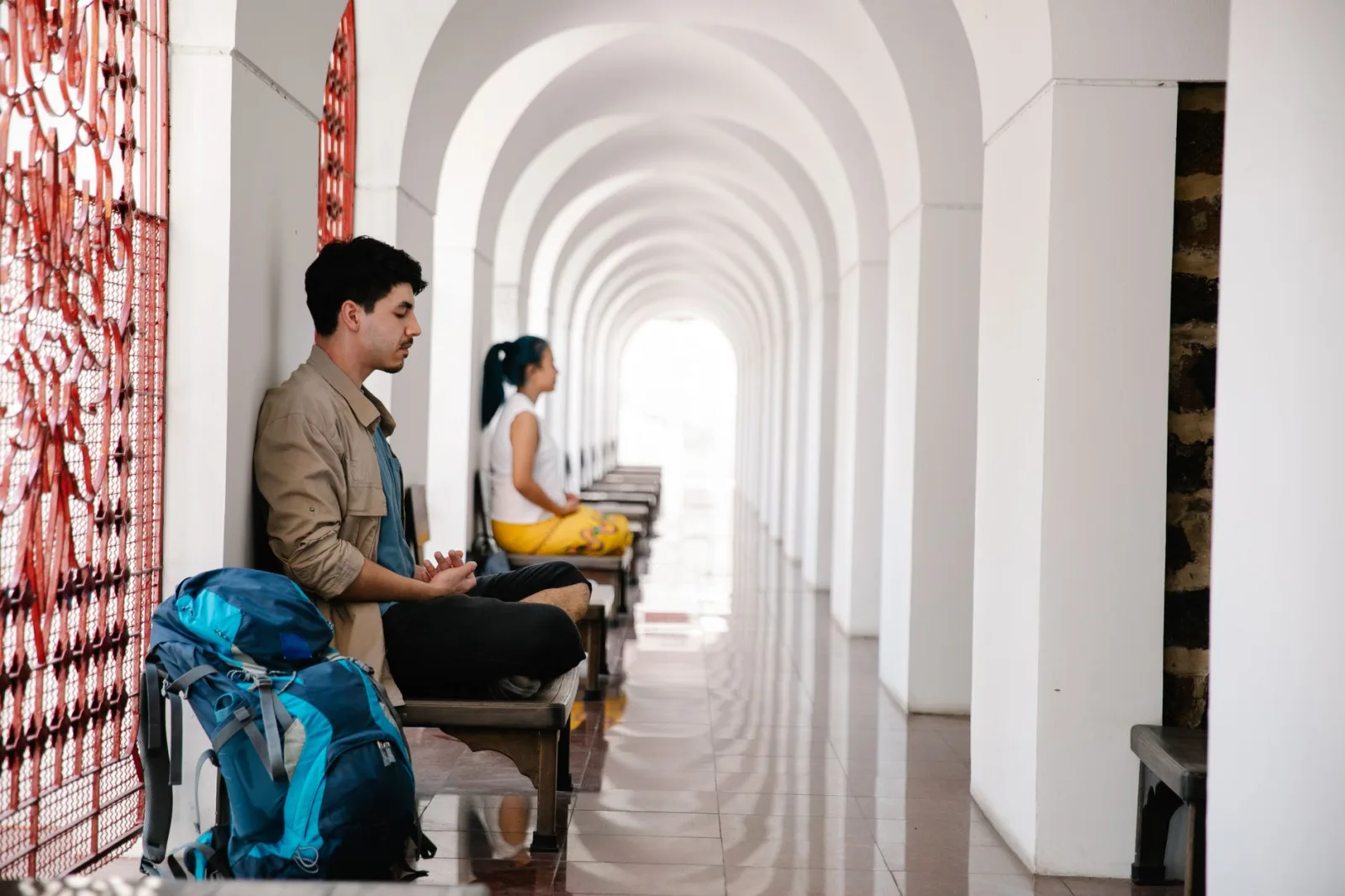
After each day of travel, take some time to reflect on your experiences. This could involve journaling, discussing your day with a travel companion, or simply sitting quietly with your thoughts. Ask yourself questions such as:
- What was the most memorable moment of the day?
- How did I feel during my interactions with locals?
- What did I learn about myself and the world around me?
This reflection process helps solidify your experiences, allowing you to appreciate the journey more fully. Additionally, it can inform your future travels, enhancing your approach to mindful travel.
7. Cultivate Gratitude
Gratitude is a powerful tool that can enhance your travel experiences. By acknowledging and appreciating the small joys of travel, you foster a positive mindset. Each day, take a moment to express gratitude for the experiences you’ve had, the people you’ve met, and the sights you’ve seen. This could be as simple as thanking your guide after a tour or appreciating the beauty of a sunset. Cultivating gratitude encourages you to remain present and engaged in your travel journey.
Conclusion: Key Takeaways for Mindful Travel
Incorporating mindfulness into your travel experiences can significantly enhance your engagement and appreciation of your journey. Start by preparing your mindset, practicing mindfulness techniques, embracing slow travel, disconnecting from technology, engaging with local cultures, reflecting on your experiences, and cultivating gratitude. By focusing on the present moment and being open to the experiences around you, you can create a more meaningful travel experience. Remember, mindful travel is about quality over quantity. As you plan your next adventure, consider these techniques to help you stay present and engaged throughout your journey.