How to Cultivate Cultural Sensitivity While Traveling: A Guide for Thoughtful Explorers
By
Share
Understanding Cultural Sensitivity
Cultural sensitivity refers to being aware of and respecting the beliefs, practices, and customs of other cultures. As a traveler, this awareness can enrich your experiences and foster meaningful interactions. It allows you to engage with local communities thoughtfully, avoiding actions that may be perceived as disrespectful or insensitive. For instance, when visiting a temple, understanding the appropriate dress code can demonstrate your respect for local customs.
Understanding cultures helps you navigate social interactions more effectively. Cultural sensitivity can prevent misunderstandings and build trust with locals. Imagine visiting a country where personal space norms differ significantly from your own; being aware of these differences can help you avoid discomfort for both yourself and the people you meet. It can also lead to deeper connections and memorable experiences.
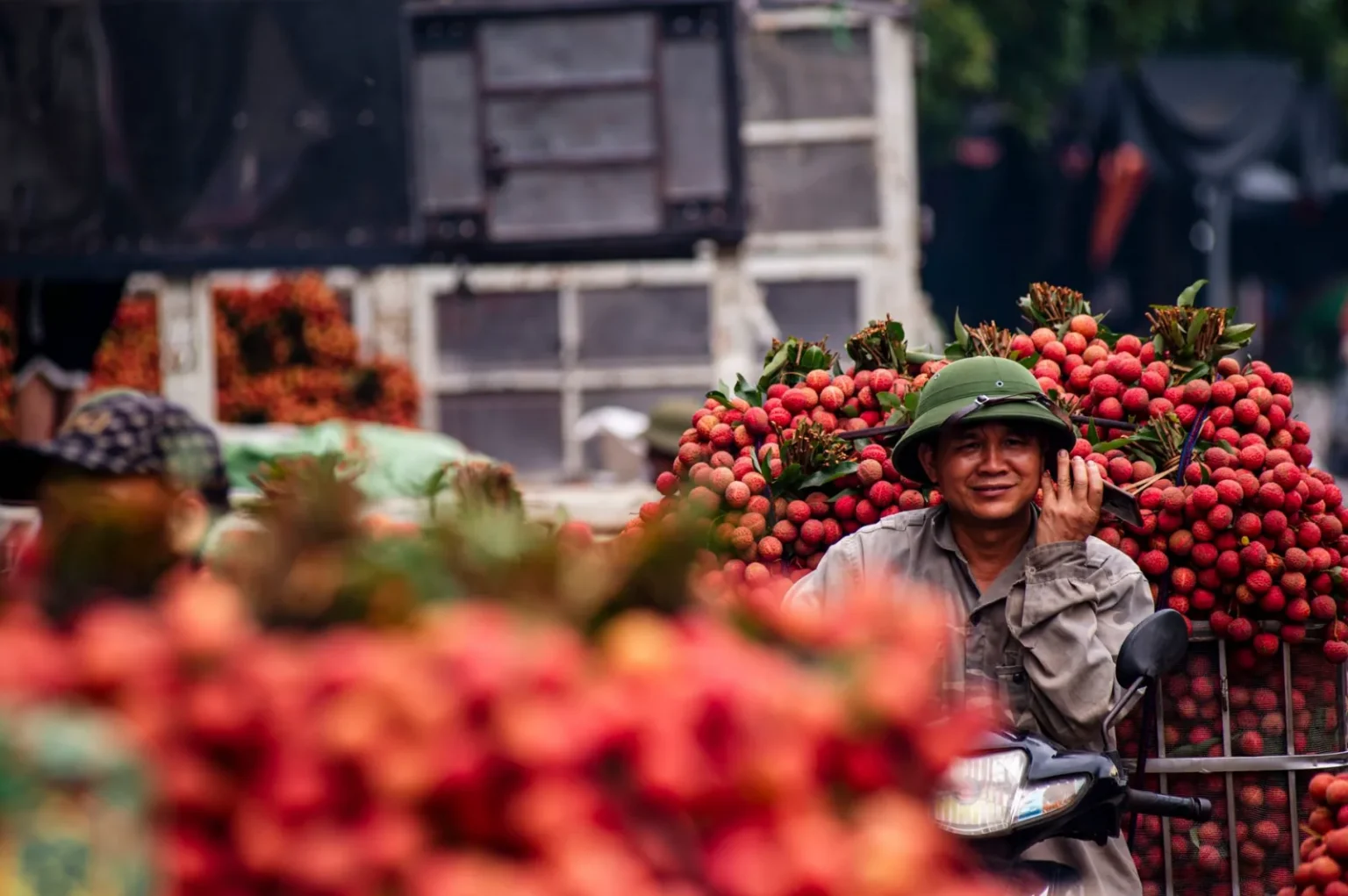
📷 Vietnam Hidden Light – Pexels
Step 1: Research Before You Go
Before traveling, invest time in researching your destination’s culture. Look for information about social norms, etiquette, and local customs. Websites, travel blogs, and documentaries can be valuable resources. For example, knowing that in some cultures, it’s customary to greet with a handshake, while in others, a bow is more appropriate can greatly enhance your interactions. Pro tip: Read firsthand accounts from travelers who have visited your destination to gain insights into their experiences.
Step 2: Be Open-Minded
Traveling with an open mind allows you to embrace new perspectives. Accept that your way of doing things may not be the only way. This mindset can reduce culture shock and help you appreciate unfamiliar customs. For instance, if you find yourself in a country where eating with your hands is the norm, instead of feeling uncomfortable, consider joining in. This not only respects local traditions but can also be a fun and immersive experience.
Step 3: Observe and Adapt
Once you arrive at your destination, take time to observe the local behaviors and interactions. Pay attention to how people communicate and engage with one another. If you notice that locals are speaking softly in public places, adjust your volume accordingly. This practice shows that you are mindful of your surroundings. Additionally, if you are unsure about a local custom, don’t hesitate to ask polite questions. Most people appreciate when travelers show interest in their culture.
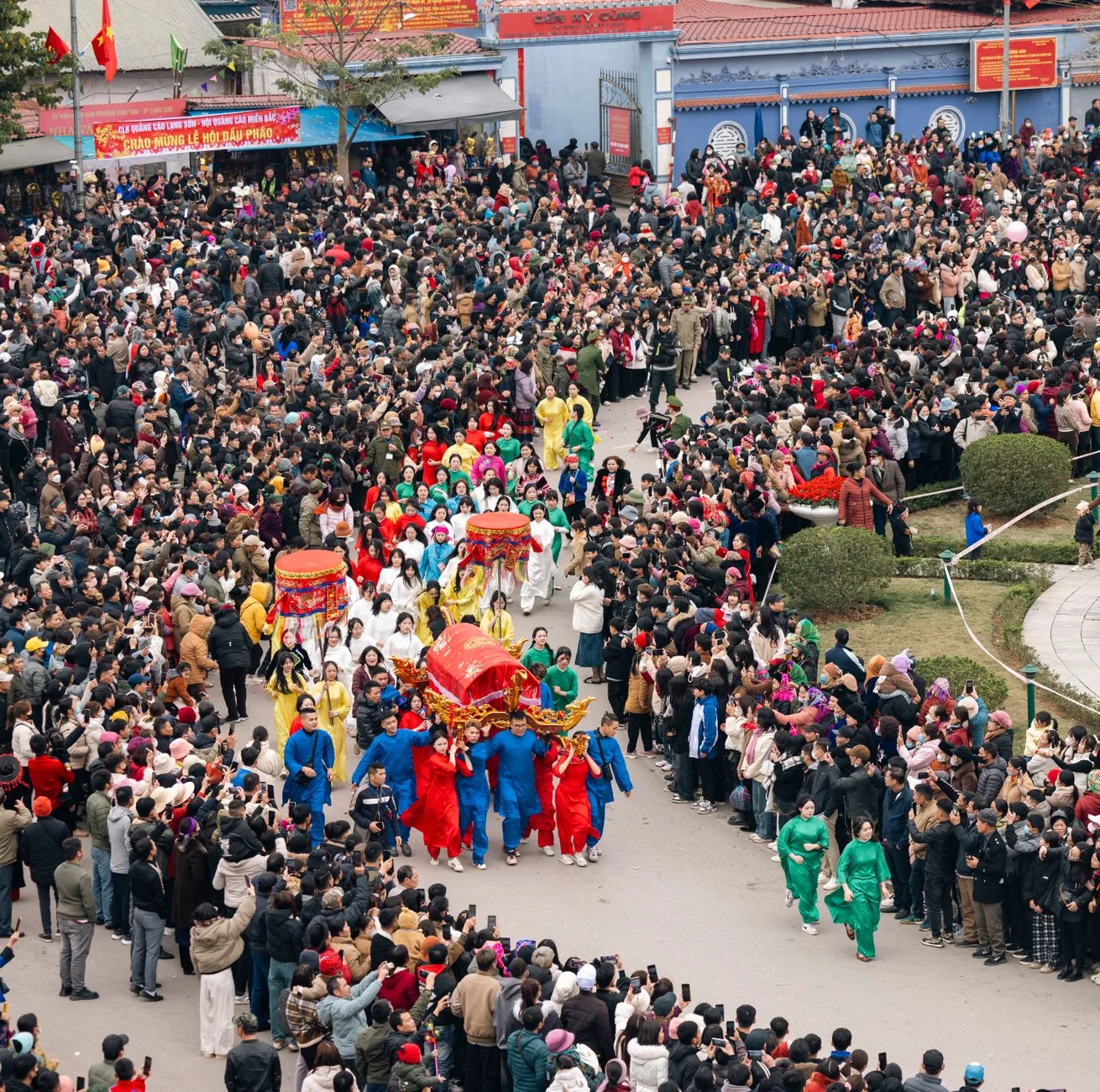
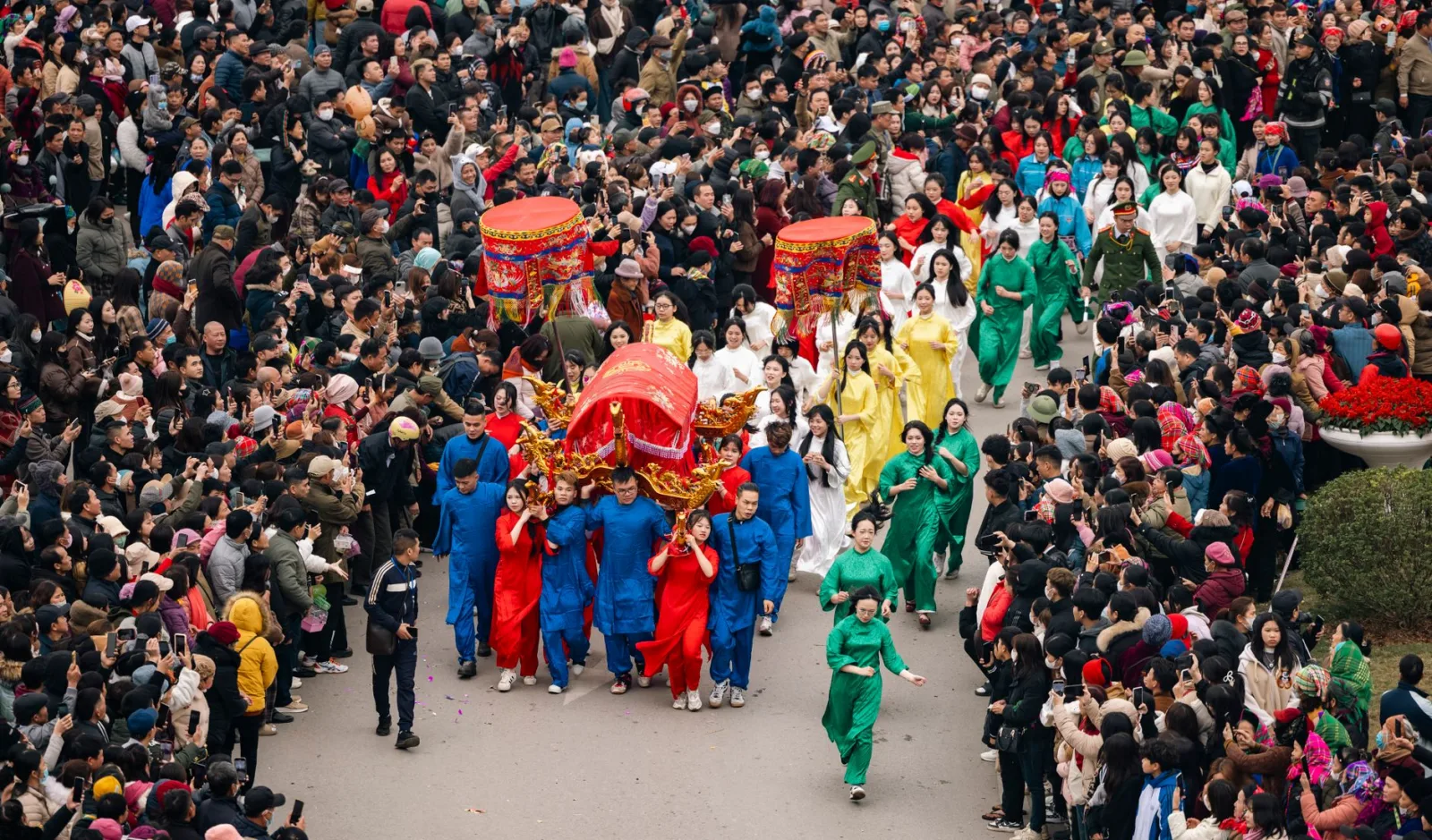
📷 Vietnam Hidden Light – Pexels
Step 4: Communicate Thoughtfully
Effective communication is key in any travel experience. When interacting with locals, practice active listening and be respectful in your responses. Keep in mind that language barriers can create misunderstandings; therefore, using simple words and gestures can be helpful. If you want to learn more about the nuances of communication, check out our article on how to effectively communicate with locals.
Step 5: Respect Local Traditions and Customs
Every culture has its own set of traditions, many of which are steeped in history. Engaging in local customs can enhance your travel experience. For example, if invited to a local celebration or religious event, participate respectfully and with gratitude. Ask about the significance of the event and observe how locals interact. However, it’s also important to know when to step back. If a tradition feels uncomfortable or inappropriate, it’s perfectly acceptable to decline politely.
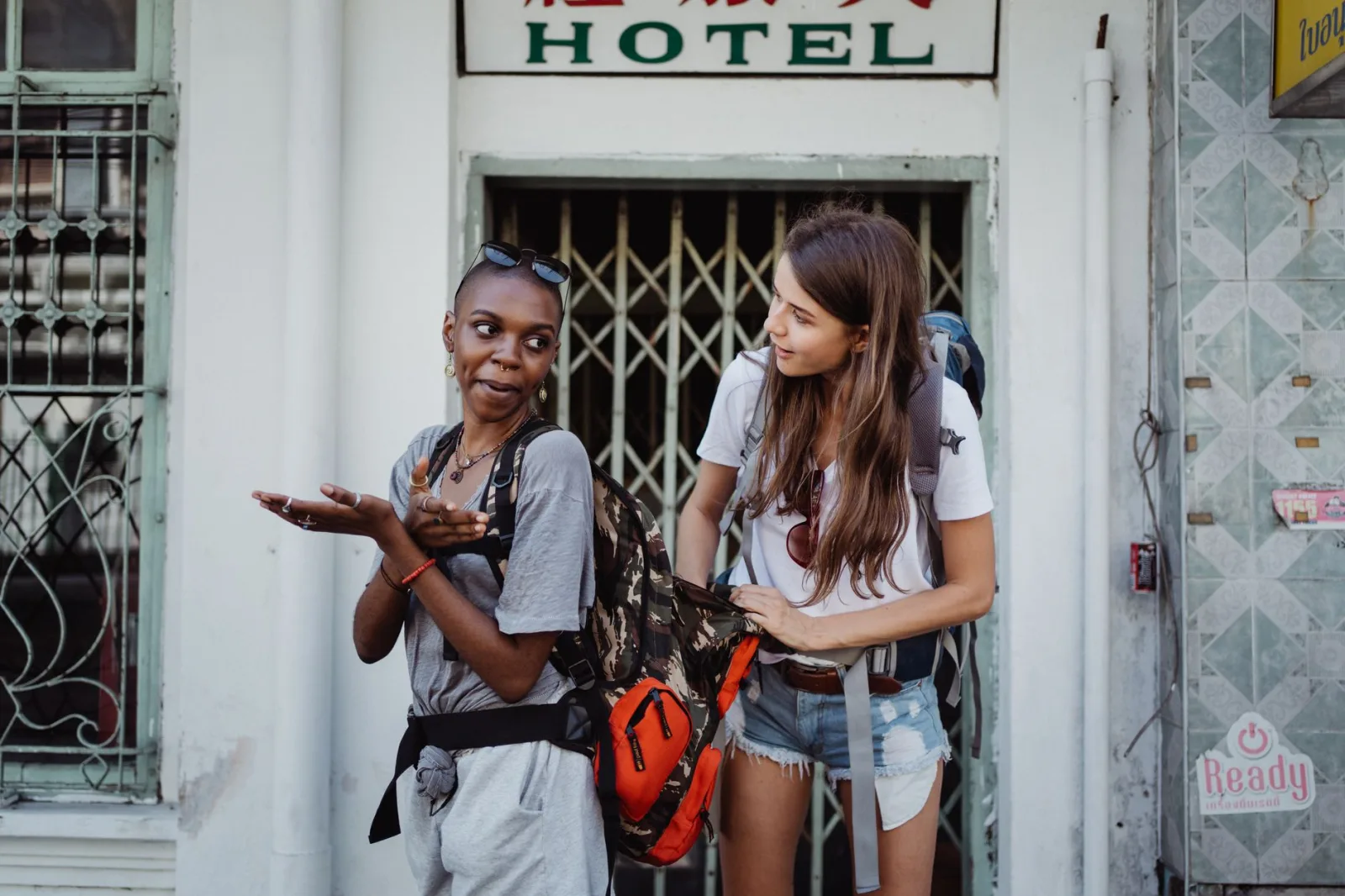
📷 Ketut Subiyanto – Pexels
Step 6: Avoid Stereotyping
While it’s natural to form generalizations about a culture, be cautious not to stereotype individuals based on your perceptions. Every person is unique, and their beliefs or behaviors may not align with broader cultural narratives. Engaging with locals as individuals, rather than representatives of their culture, fosters deeper connections and understanding. Remember, your experiences will vary greatly depending on who you meet.
Step 7: Reflect on Your Experiences
After your trip, take time to reflect on your experiences. Consider how cultural sensitivity shaped your interactions and what you learned. Journaling can be a helpful tool for this process. Write about specific instances where understanding local customs enhanced your experience. This reflection can deepen your appreciation for cultural diversity and inform your approach to future travels.
Key Takeaways
Cultivating cultural sensitivity while traveling is essential for thoughtful exploration. By researching, observing, and engaging with respect, you can enhance your travel experiences and foster meaningful connections with local communities. Remember, the goal is not only to see new places but to understand the people and cultures that inhabit them. Embrace these principles, and your travels will be all the richer for it.