





Understanding Cairo’s Cultural Tapestry
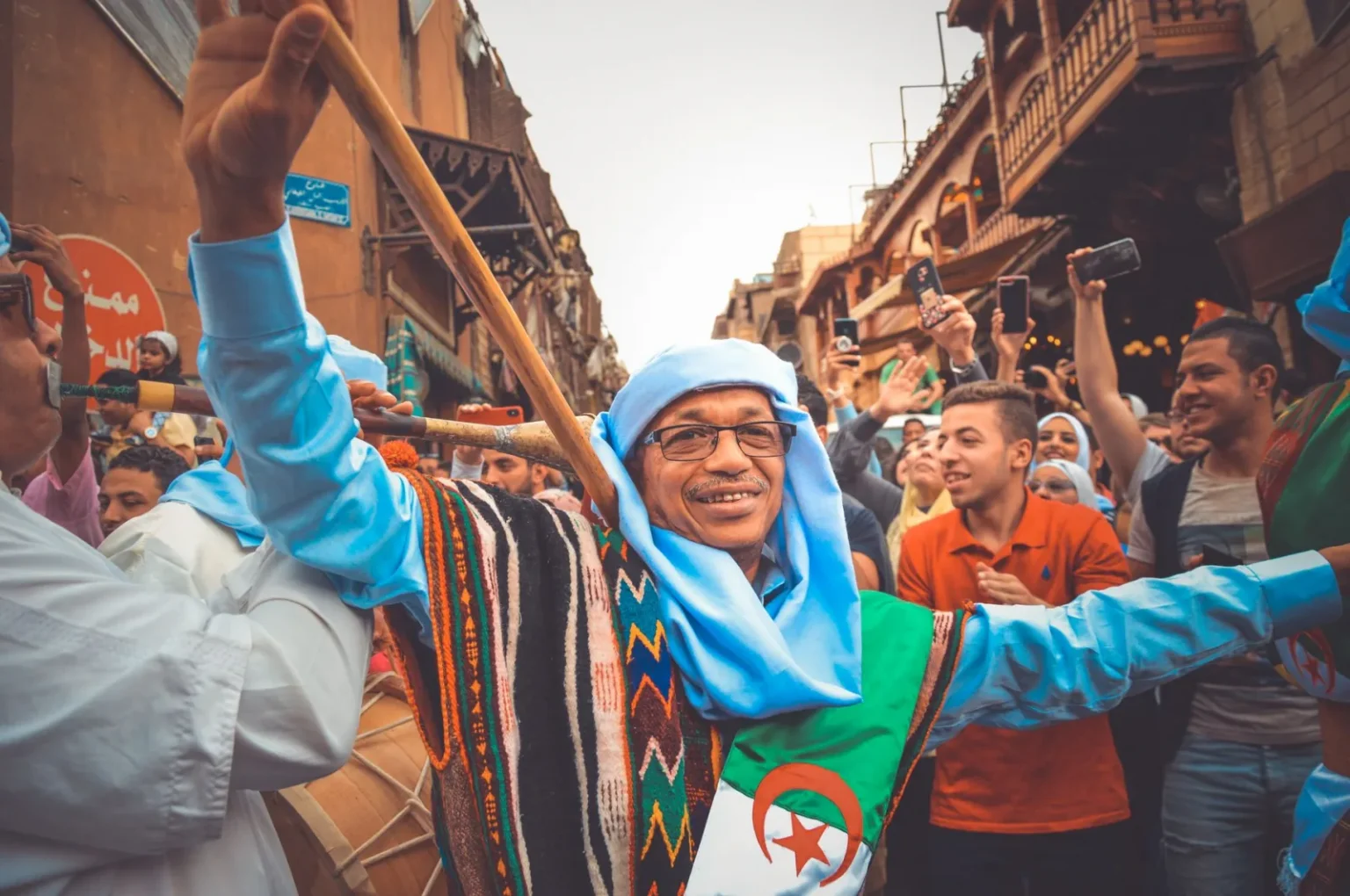
Cairo, often seen as the bustling heart of Egypt, offers more than its iconic pyramids and mosques. The city’s true essence lies in its cultural festivals, many of which remain undiscovered by tourists. These festivals provide insights into local traditions, community spirit, and the everyday lives of Cairo’s residents. As you explore, you’ll uncover experiences that reveal the city’s soul.
- Understanding Cairo’s Cultural Tapestry
- 1. The Importance of Local Celebrations
- 2. Hidden Cultural Events
- 3. Exploring the Historic Streets During Festivals
- 4. Engaging with Local Artisans
- 5. The Role of Music and Dance
- 6. Culinary Experiences During Festivals
- 7. Practical Tips for Attending Festivals
- Conclusion: Embracing the Heart of Cairo
1. The Importance of Local Celebrations
Local celebrations in Cairo serve as an essential link between the past and present. They are not merely events but rather a reflection of the community’s identity. For instance, during the Sham El-Nessim festival, which marks the arrival of spring, families gather to picnic and enjoy traditional foods like feseekh (fermented fish) and colored eggs. This celebration, rooted in Pharaonic traditions, showcases how ancient customs continue to influence modern life. Understanding these connections enriches your experience and appreciation of the city.
2. Hidden Cultural Events
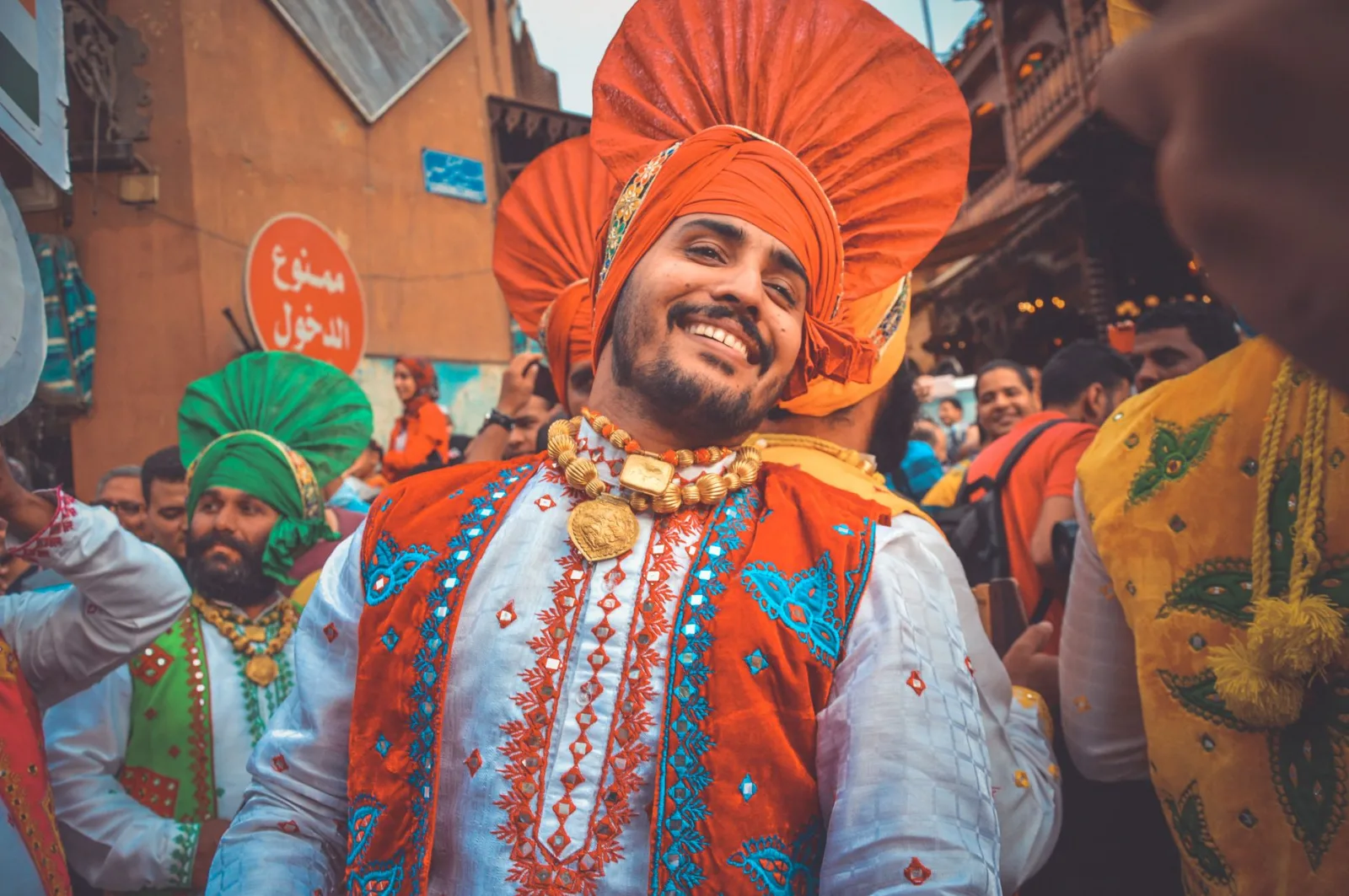
While major festivals like Ramadan and Eid attract significant attention, hidden cultural events can provide a more intimate look at local life. One such event is the annual Wafaa El-Nil festival, celebrated in August. This festival honors the Nile River, which is vital to Egyptian culture. Locals gather to enjoy music, dance, and traditional boat races, creating a lively atmosphere that embodies community spirit. Attending such events allows you to connect with locals and gain insights into their values and traditions.
3. Exploring the Historic Streets During Festivals
As you wander through Cairo’s historic streets, you’ll find that they come alive during festivals. Take, for example, the Mawlid al-Nabi, the celebration of the Prophet Muhammad’s birthday. Streets are adorned with colorful lights and decorations, while local vendors sell sweets and traditional snacks. Participating in the festivities allows you to witness the city’s vibrant energy firsthand. Remember to try local treats like maamoul, a delicious stuffed pastry, and engage with vendors to learn more about their offerings.
4. Engaging with Local Artisans
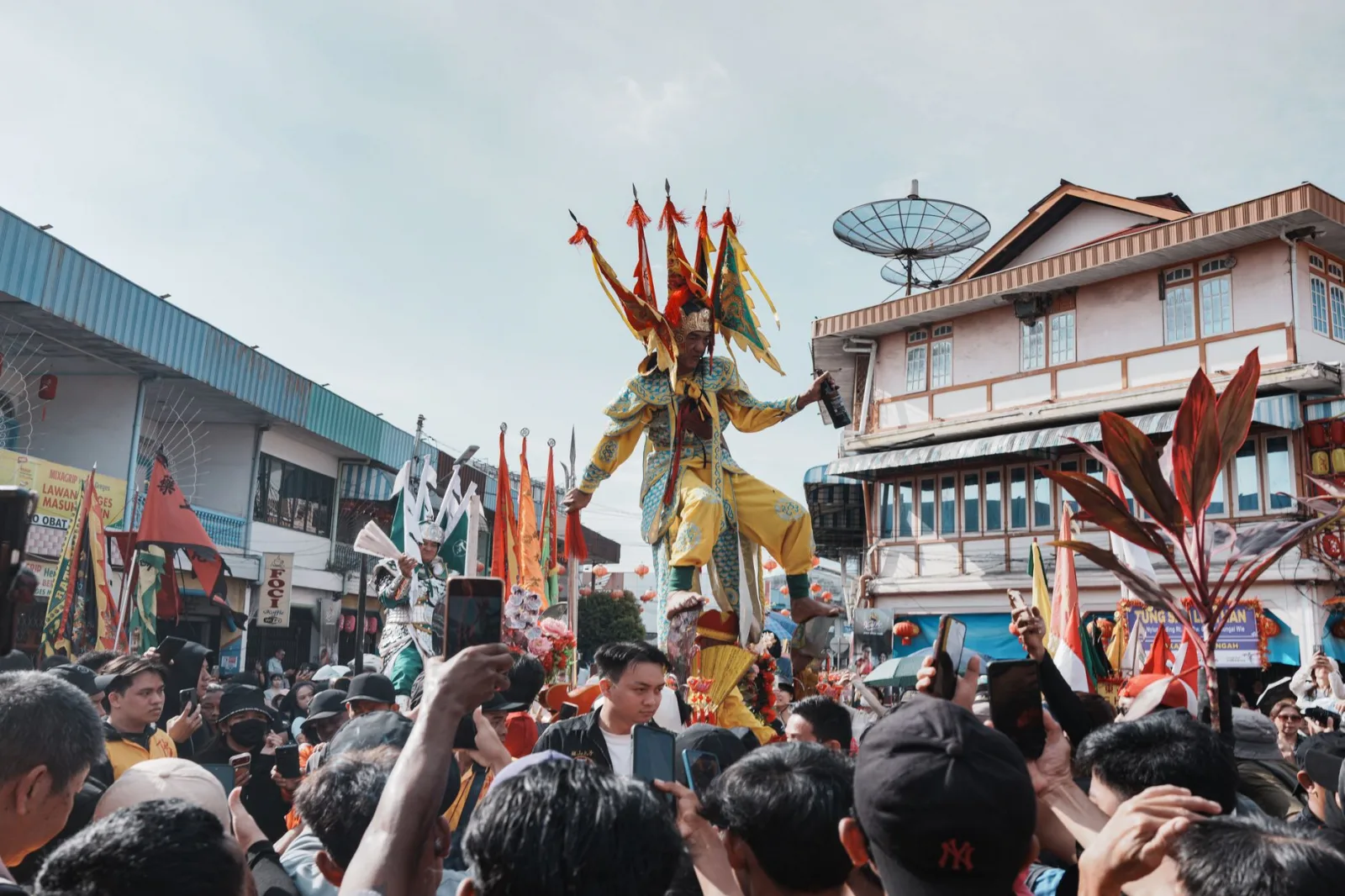
Festivals often feature local artisans showcasing their crafts. During the Cairo International Festival for Contemporary Dance, you can explore workshops and performances that highlight traditional dance forms. Interacting with artisans provides an opportunity to learn about their skills and the cultural significance behind their crafts. For example, you might find a local potter who explains the significance of their designs, connecting you further to the heart of Cairo. A Day in the Life of a Local Cairo Artisan offers a deep dive into these fascinating stories.
5. The Role of Music and Dance
Music and dance are integral to Cairo’s cultural festivals, each telling a story of its own. The Cairo Jazz Festival, although not traditional, celebrates local and international talents, blending genres that reflect the city’s modern cultural landscape. Participating in these events not only entertains but also educates you about the diverse influences that shape Cairo’s music scene. Pro tip: Engage with performers after the show; they often appreciate the interest and may share insights about their craft.
6. Culinary Experiences During Festivals
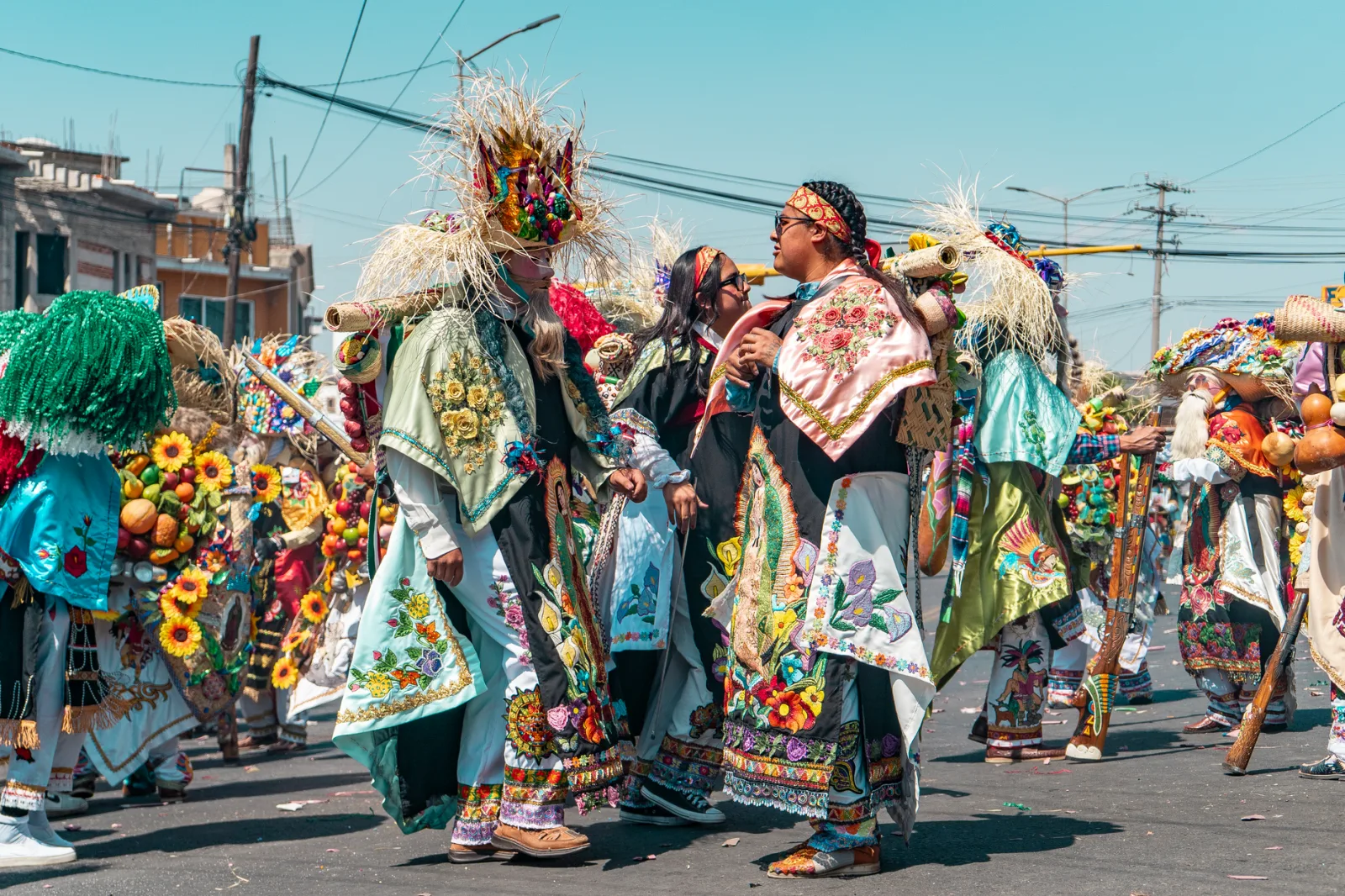
Cairo’s festivals are a feast for the senses, especially when it comes to food. For instance, during the Egyptian Food Festival, you can sample dishes from various regions of Egypt, each offering unique flavors and cooking styles. This event is an excellent opportunity to expand your palate while learning about the cultural significance of each dish. Exploring the Hidden Culinary Traditions of Cairo’s Street Vendors provides more insights into local food culture.
7. Practical Tips for Attending Festivals
To make the most of your festival experiences in Cairo, consider these practical steps:
- Research in Advance: Look up dates and locations of festivals before your trip. Some festivals are specific to regions or neighborhoods.
- Dress Appropriately: Many festivals have traditional dress codes. Wearing local attire can enhance your experience and show respect for the culture.
- Engage with Locals: Don’t hesitate to strike up conversations with attendees. Locals often appreciate when visitors show interest in their culture.
- Stay Hydrated: Festivals can be crowded and hot, especially during summer months. Carry water and take breaks when needed.
- Be Mindful of Photography: Always ask permission before taking photos of people or their crafts.
Conclusion: Embracing the Heart of Cairo
Exploring Cairo’s lesser-known cultural festivals allows you to experience the city beyond its famous tourist attractions. By immersing yourself in local celebrations and hidden events, you not only gain a deeper understanding of Cairo’s cultural identity but also create lasting memories. The soul of Cairo is vibrant, and through its festivals, you can experience the rich tapestry of traditions, community, and creativity. Remember, the best way to connect with a place is through its people and their stories. As you plan your visit, keep an open mind and heart, ready to embrace the true essence of this incredible city.