





Understanding Cairo’s Rich Musical Heritage
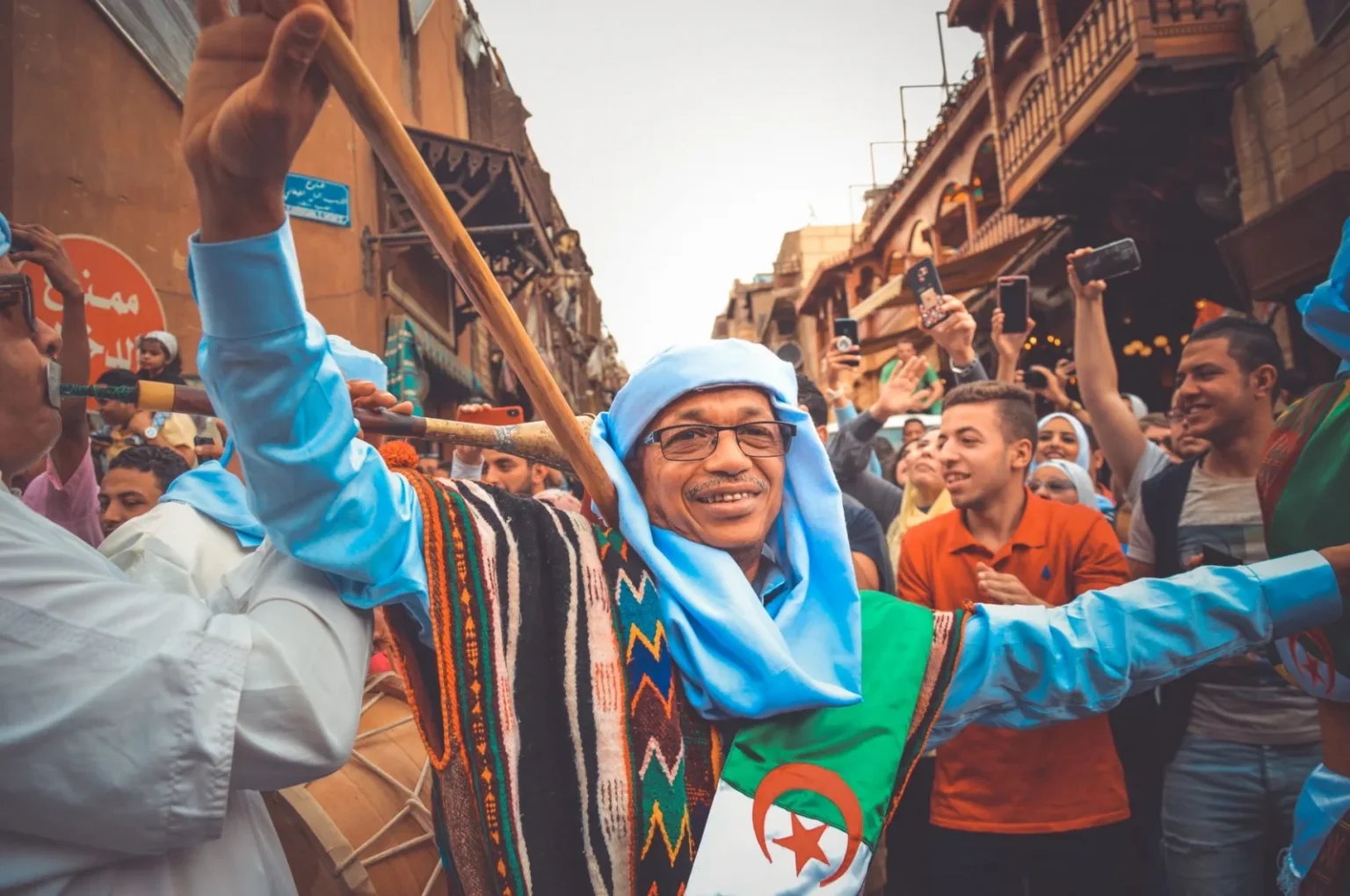
Cairo is a city where music is woven into the fabric of daily life. From the bustling streets to intimate gatherings, local music traditions resonate with the heartbeat of its people. These traditions are not just forms of entertainment; they reflect the history, values, and social dynamics of Egyptian society. You’ll find that Cairo’s music often embodies themes of love, resistance, and celebration.
The Evolution of Music in Cairo
To appreciate Cairo music traditions, it’s essential to understand their evolution. Historically, Cairo has been a melting pot of cultures, influenced by various civilizations such as the Pharaonic, Islamic, and Ottoman. This blend has given rise to unique genres like Shaabi, which originated in the working-class neighborhoods, and Ma’luf, a genre with roots in Arabic classical music. For instance, Shaabi music often features lively rhythms and is commonly played at weddings, reflecting communal joy.
Important Elements of Local Music
Several key elements define Cairo’s music traditions:
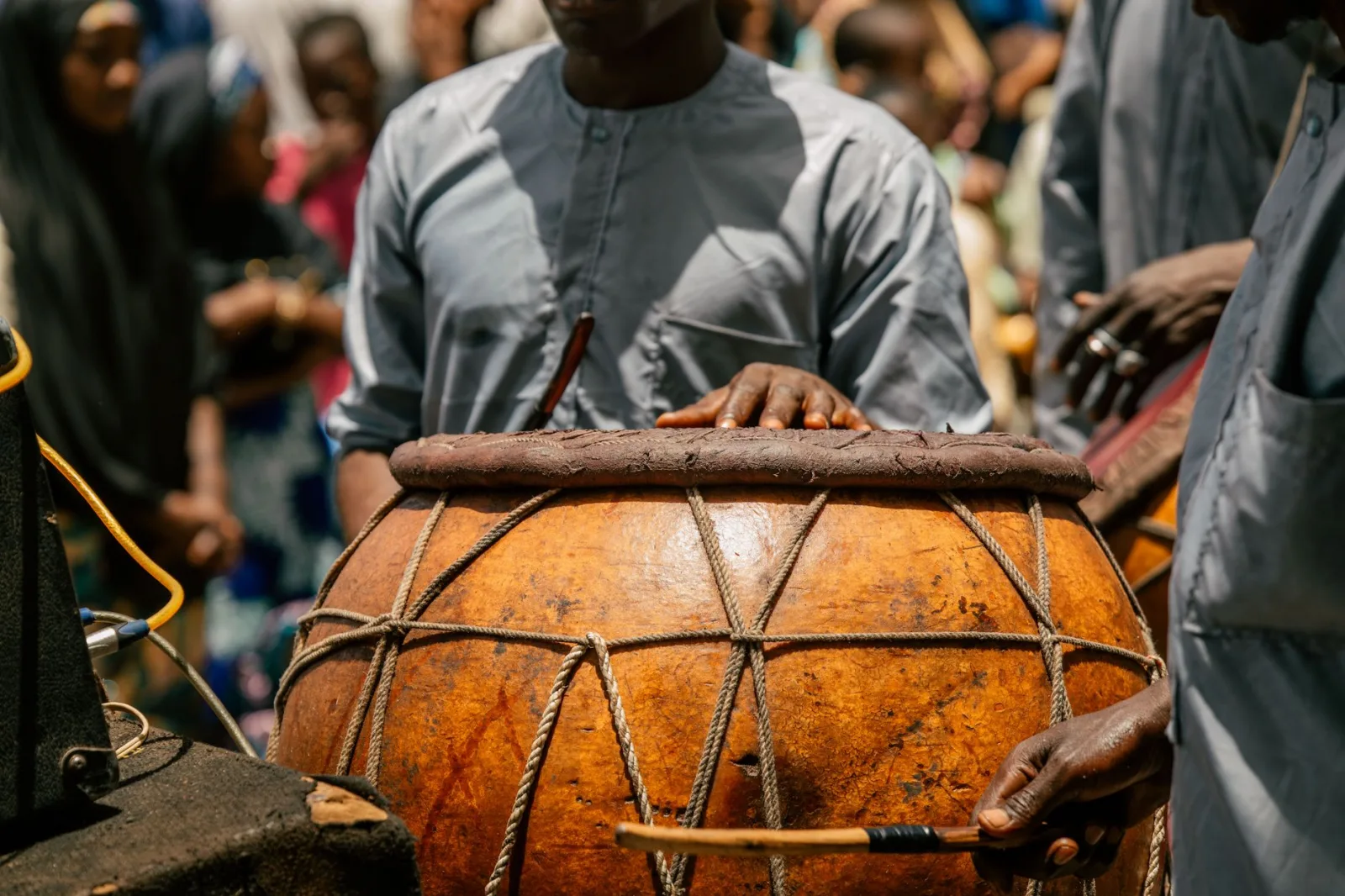
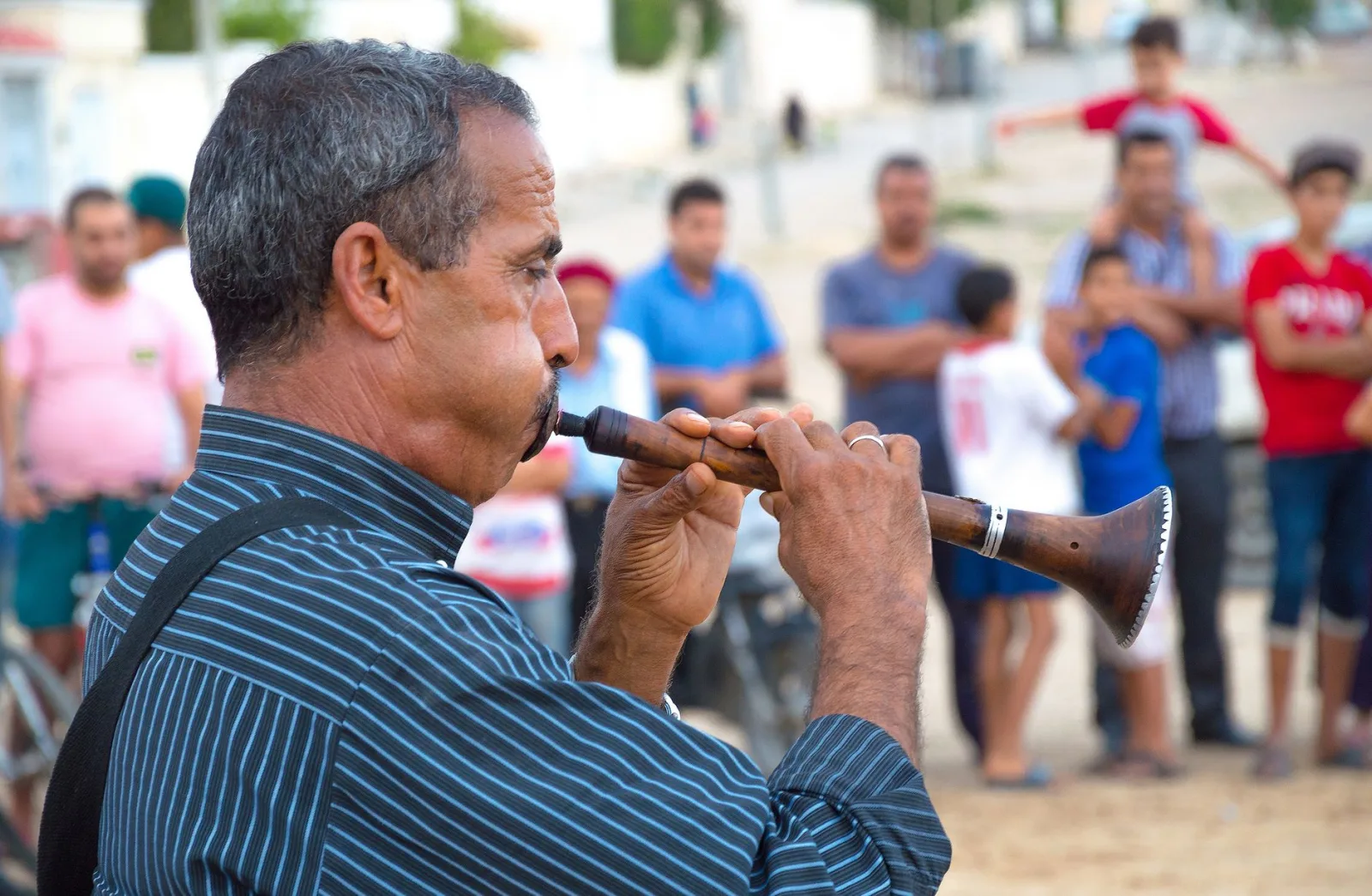
- Instrumentation: Traditional instruments like the oud (a string instrument), nay (a reed flute), and darabuka (a goblet drum) are commonly used. Each instrument contributes to the unique soundscape of Cairo.
- Vocal Techniques: Vocalists often employ techniques that emphasize emotional expression. This includes the use of maqamat, a system of melodic modes that allows for intricate improvisation.
- Community Involvement: Music is often a communal activity. Local musicians frequently collaborate with dancers and poets, creating a dynamic cultural experience.
Local Musicians and Their Influence
Local musicians play a vital role in preserving and innovating Cairo’s music traditions. Many artists draw inspiration from their surroundings, creating songs that resonate with contemporary issues faced by the community. For example, singer Hossam Ramzy blends traditional Egyptian rhythms with modern sounds, appealing to both local and international audiences. This fusion not only retains cultural authenticity but also broadens the music’s appeal.
The Cultural Impact of Music in Cairo
The cultural impact of music in Cairo cannot be overstated. It serves various purposes, including:
- Social Commentary: Many songs address social issues, from economic struggles to political challenges. Musicians often use their platform to raise awareness and provoke thought.
- Community Bonding: Music events, such as street performances and festivals, foster a sense of community. They bring people together, transcending socio-economic divides.
- Cultural Identity: Music is a means of expressing cultural identity. It allows individuals to connect with their heritage and pass it on to future generations.
Experiencing Local Music Firsthand
If you want to immerse yourself in Cairo’s music scene, consider these practical steps:
- Attend Local Festivals: Events like the Cairo Jazz Festival showcase a variety of local talents and genres. This is an excellent opportunity to experience live performances and meet musicians.
- Visit Music Venues: Explore local venues such as El Sawy Culture Wheel and Al-Azhar Park, where you can enjoy performances of traditional and contemporary music.
- Engage with Local Musicians: Take the time to connect with local musicians. Many are open to sharing their stories and insights into the music-making process. You might even get a chance to participate in jam sessions.
Preserving Musical Heritage
As modernization continues to influence Cairo, the preservation of traditional music is a pressing concern. Local initiatives aim to document and promote these music traditions through workshops and educational programs. You might consider participating in local music classes to learn more about traditional instruments or vocal techniques. Engaging with these activities not only enriches your understanding but also supports the local music community.
Conclusion: The Lasting Legacy of Cairo’s Music Traditions
In summary, Cairo’s music traditions offer a rich tapestry of cultural expression that is deeply intertwined with the city’s identity. By understanding the evolution of these traditions, recognizing the contributions of local musicians, and experiencing music firsthand, you can gain a deeper appreciation for the melodies that echo through Cairo’s streets. Remember, each note carries a story, and each rhythm reflects a way of life.
Important note: If you’re exploring Cairo’s music scene, take the time to also immerse yourself in other local experiences, such as visiting spiritual markets or enjoying the vibrant atmosphere of neighborhood cafés. These experiences will enrich your understanding of the culture that shapes the music you encounter.