




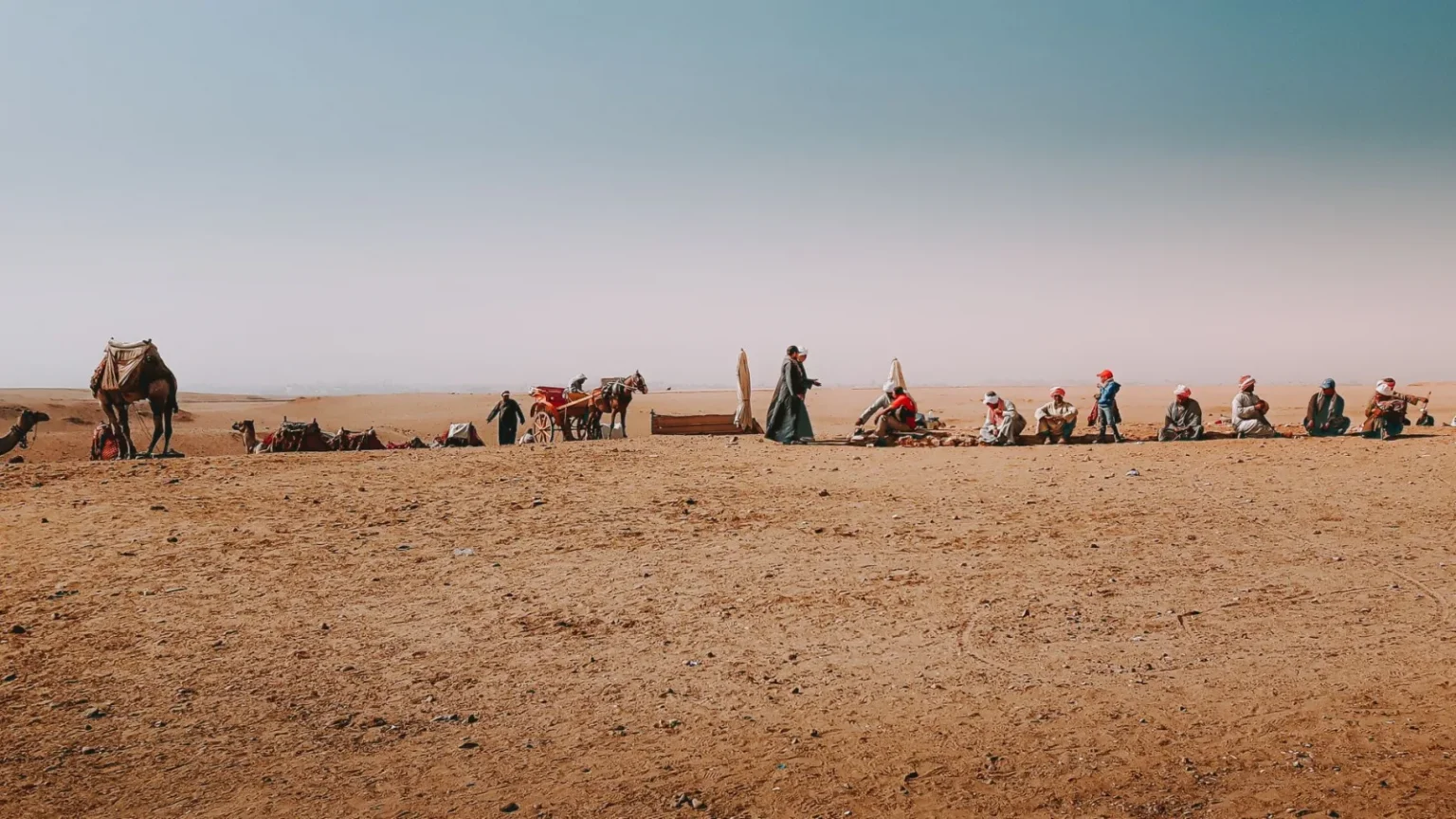

Understanding Egypt’s Nature Reserves
Egypt is often associated with its iconic pyramids and bustling cities, but it also boasts a network of nature reserves that offer incredible wildlife experiences. These reserves provide a chance to connect with the country’s diverse ecosystems away from the crowds. By venturing into these lesser-known areas, you can witness a different side of Egypt, one filled with natural beauty and unique wildlife.
Why Choose Off-the-Grid Travel in Egypt?
Off-the-grid travel in Egypt allows you to escape the typical tourist routes and explore authentic landscapes and cultures. This type of travel focuses on experiencing nature and wildlife in a more intimate setting. For instance, instead of visiting the crowded temples, you might find yourself watching rare birds in a secluded wetland. This approach not only enhances your travel experience but also supports conservation efforts by promoting awareness and appreciation for these ecosystems.
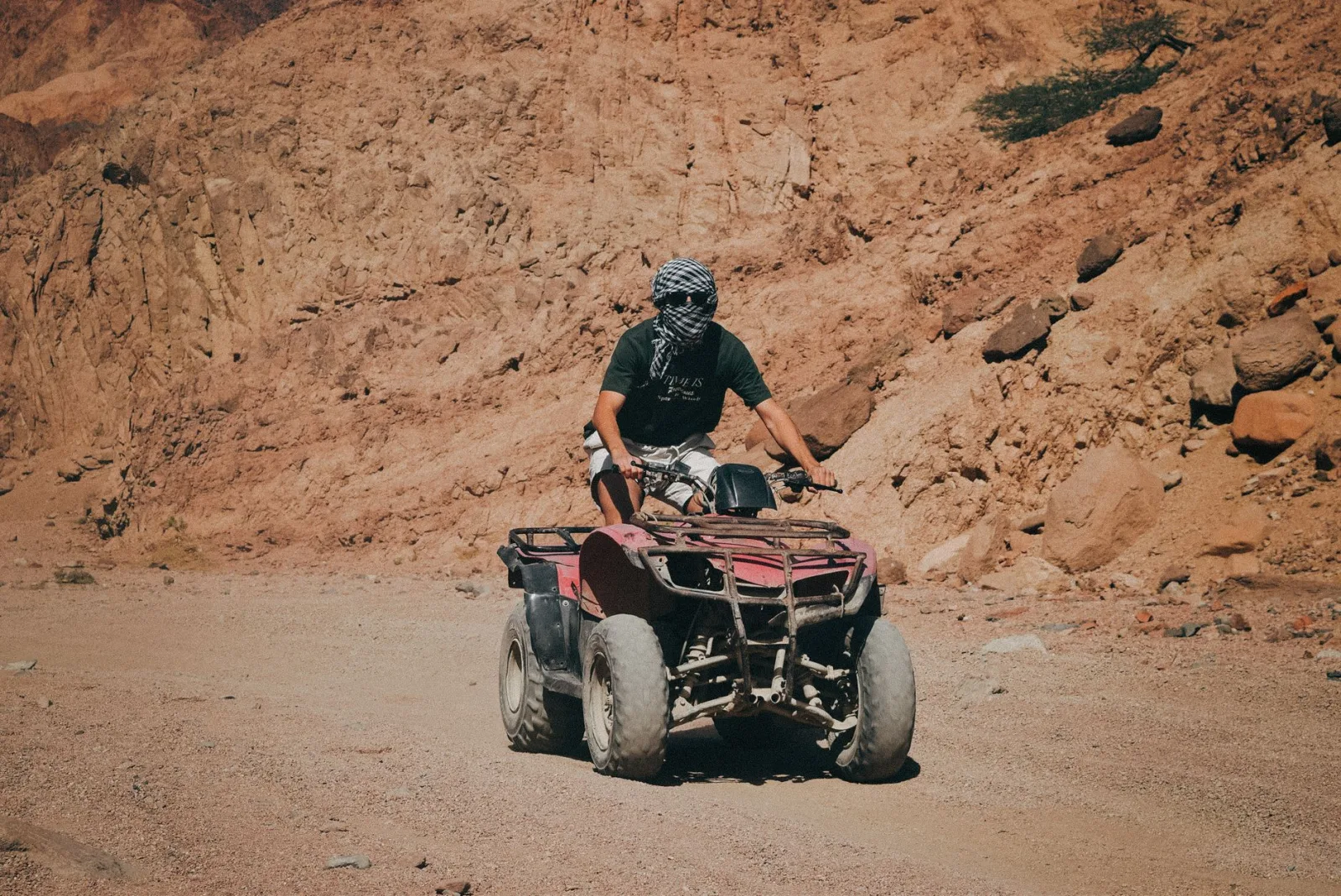
Key Nature Reserves to Explore
1. Wadi El Rayan: Located in the Fayoum region, Wadi El Rayan is famous for its waterfalls and diverse wildlife. You can see migratory birds, including flamingos, and even spot some unique species such as the Egyptian mongoose. Pro tip: Visit during the early morning or late afternoon for the best wildlife viewing.
2. Ras Mohammed National Park: While primarily known for its marine life, Ras Mohammed also offers stunning desert landscapes and opportunities to see various land animals. Look for ibex and desert foxes as you hike through the park. Common mistake: Many visitors focus solely on snorkeling; don’t miss out on the terrestrial wildlife.
3. Siwa Oasis: This remote oasis is not only a cultural gem but also a nature reserve teeming with life. The surrounding landscape is home to various species, including gazelles and a multitude of birds. Important note: Carry plenty of water and stay hydrated as temperatures can soar during the day.
4. Lake Qarun: Another Fayoum treasure, Lake Qarun is one of the oldest lakes in the world and an important habitat for birds. You can enjoy birdwatching from designated spots around the lake. Additionally, the area is rich in history, featuring ancient ruins. Warning: Be cautious of local wildlife and always maintain a safe distance.
Planning Your Trip: Steps for a Smooth Experience
To make the most of your visit to Egypt’s nature reserves, follow these steps:
- Research Your Destination: Each reserve has its unique features and best visiting times. For example, Wadi El Rayan is best visited in spring when migratory birds are present.
- Book Local Guides: Hiring a local guide not only supports the community but also enhances your experience. They can provide insights into the best spots for wildlife viewing.
- Pack Wisely: Bring binoculars for birdwatching, comfortable hiking shoes, and a camera to capture the stunning landscapes. Also, consider eco-friendly products to minimize your impact.
- Respect Local Wildlife: Always observe animals from a distance and avoid disturbing their natural habitat. This is crucial for ensuring the sustainability of these ecosystems.
- Stay Connected: While off-the-grid, ensure you have a means of communication or navigation. Download maps offline and inform someone about your travel plans.
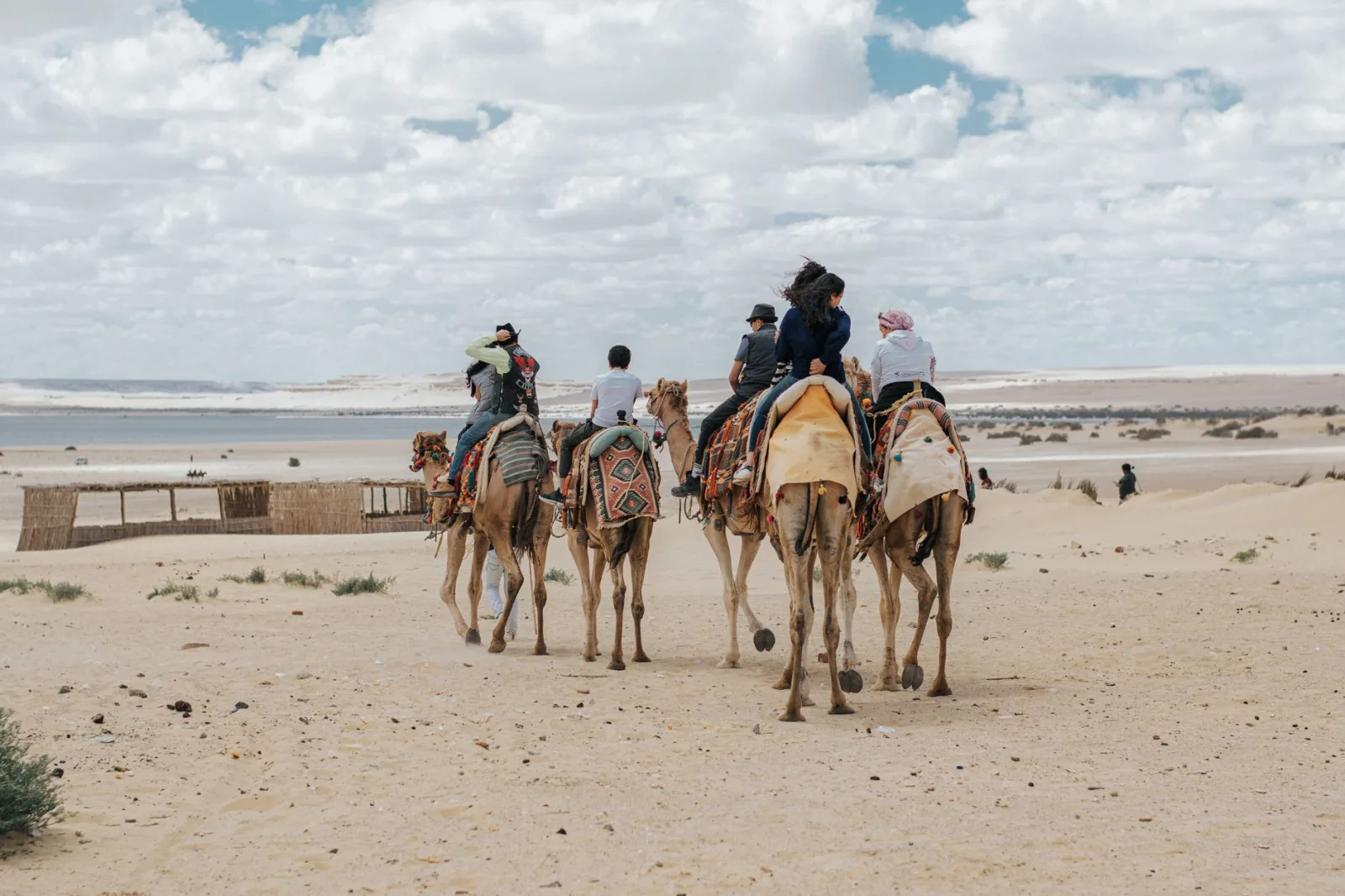
Common Wildlife Experiences in Egypt
When venturing into these nature reserves, you’ll have the opportunity to encounter various wildlife experiences that are unique to Egypt.
For example, in Wadi El Rayan, you can witness the stunning sight of flamingos feeding in the wetlands during migration season. In Ras Mohammed, snorkeling can lead to encounters with dolphins, while the desert landscapes offer sightings of wildlife adapted to extreme conditions. This variety ensures that every visit can be unique and memorable.
Tips for Responsible Wildlife Viewing
To ensure that your wildlife experiences in Egypt are both enjoyable and sustainable, keep these tips in mind:
- Keep a Safe Distance: Avoid approaching wildlife too closely to minimize stress on the animals. Use binoculars for a better view.
- Follow the Leave No Trace Principles: Ensure you pack out what you pack in and avoid leaving any litter behind.
- Limit Noise: Animals can be sensitive to sound. Keep your voice low and avoid loud noises that could startle them.
- Educate Yourself: Learn about the species you may encounter and their habitats. Understanding their behaviors can enhance your viewing experience.
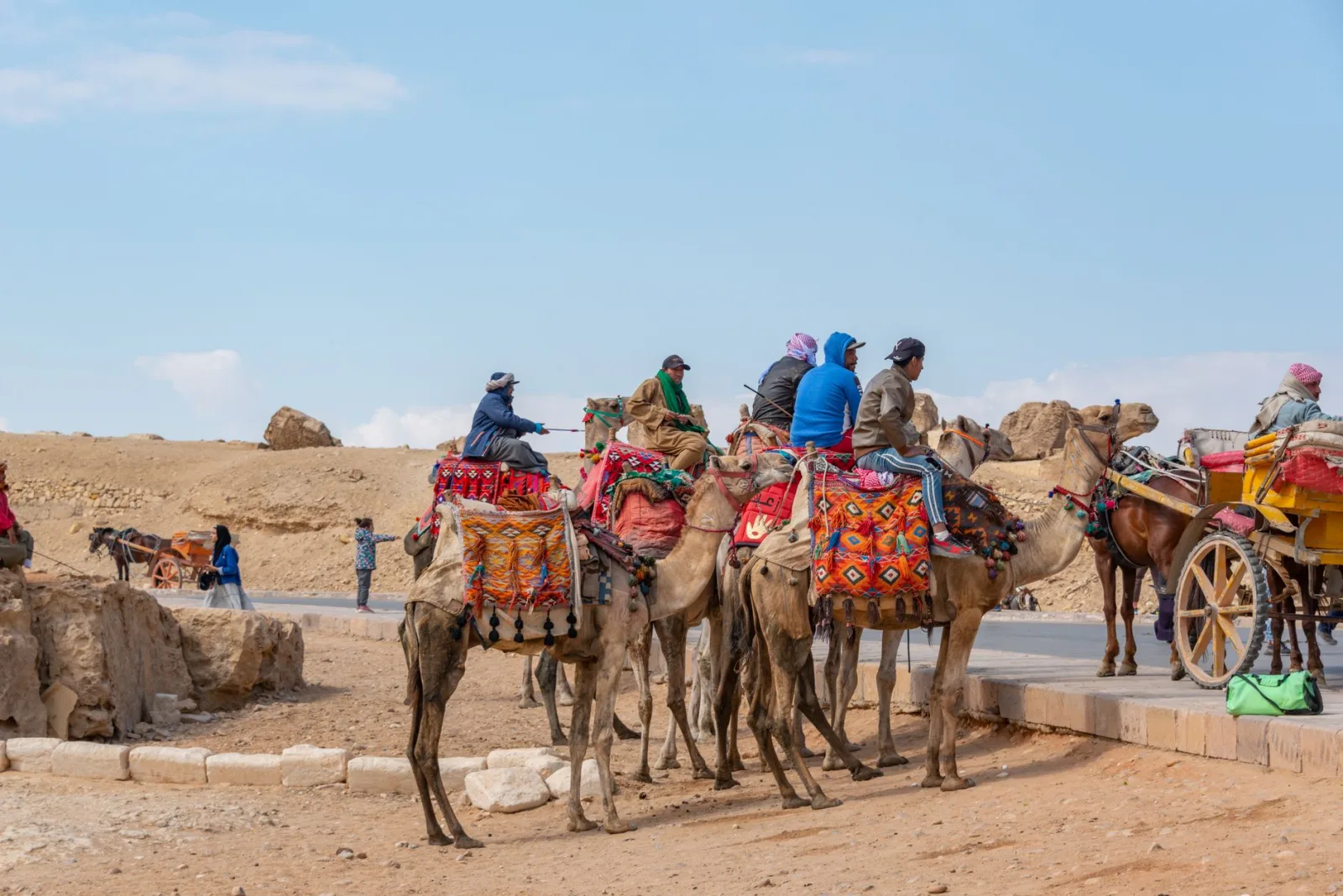
Connecting with Local Cultures
While exploring these nature reserves, don’t miss the chance to connect with the local communities. Many of these areas are inhabited by people who have lived in harmony with the land for generations. Engaging with locals can provide you with deeper insights into their traditions, lifestyles, and the importance of conservation.
Consider visiting nearby artisan markets to support local craftspeople and learn about their crafts. This not only enriches your travel experience but also helps sustain their livelihoods. For example, you might find beautiful handmade pottery in Siwa or traditional textiles in Fayoum.
Conclusion: Your Journey Awaits
Navigating Egypt’s unseen nature reserves presents a unique opportunity to experience the country’s diverse wildlife and stunning landscapes. By choosing to travel off-the-grid, you not only enrich your own journey but also contribute to the conservation of these precious ecosystems. Remember to approach your adventure with respect and curiosity, and you’ll leave with unforgettable memories and a greater appreciation for Egypt’s natural heritage.
Key takeaways include understanding the significance of each nature reserve, planning your trip with care, and engaging with local cultures. By following these guidelines, you can ensure a meaningful experience that goes beyond the typical tourist path. For more travel tips on unique destinations in Egypt, check out Off the Beaten Path.