




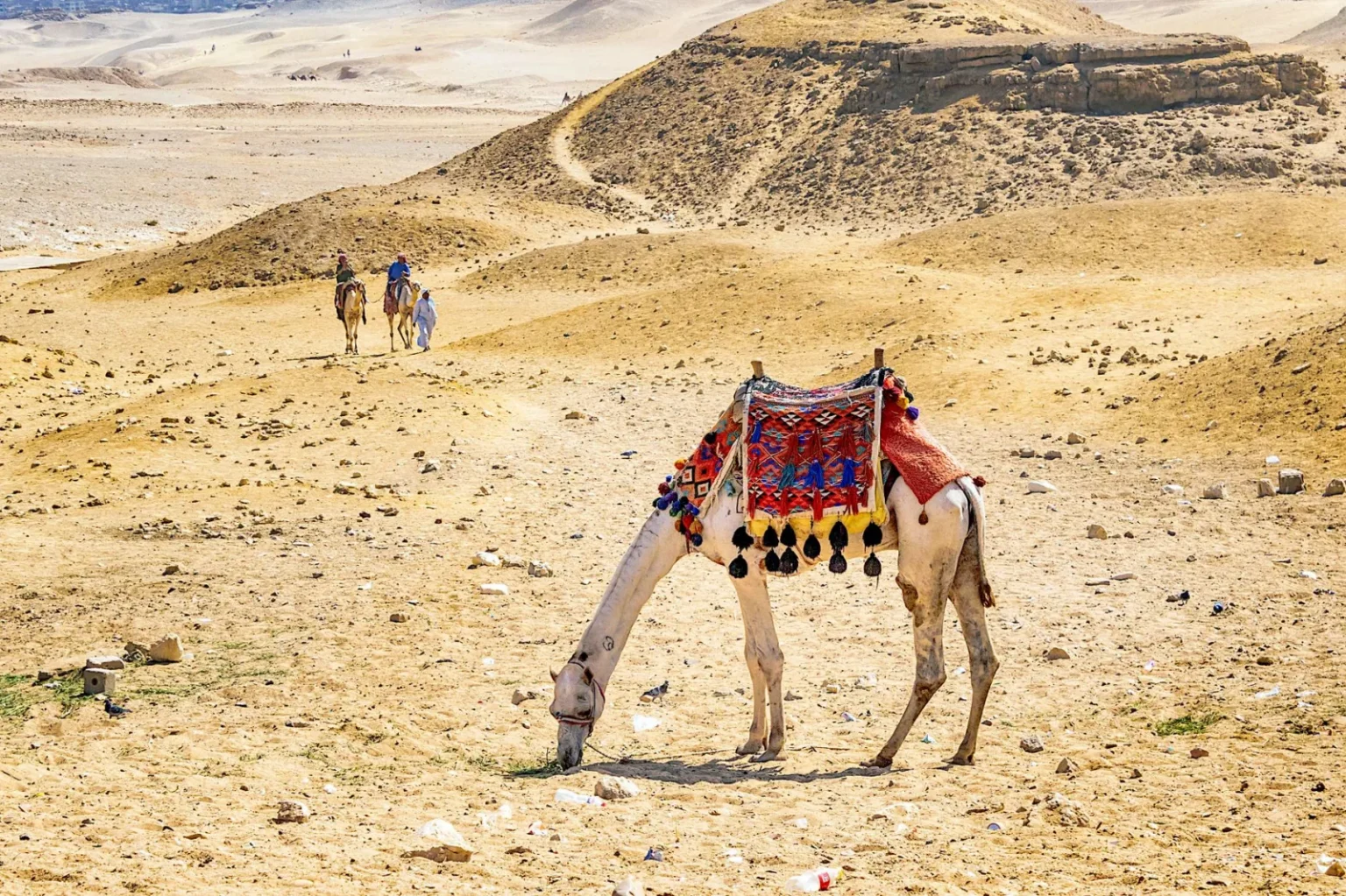

Discovering Egypt’s Hidden Wildlife Sanctuaries
When you think of Egypt, the Pyramids of Giza and the Nile River often come to mind. However, beneath the iconic landmarks lies a wealth of hidden nature reserves teeming with diverse wildlife. These lesser-known wildlife sanctuaries offer a chance to experience eco-tourism in Egypt while engaging with its unique ecosystems. Let’s explore these sanctuaries and how you can navigate them effectively.
- Discovering Egypt’s Hidden Wildlife Sanctuaries
- 1. Understanding Egypt’s Wildlife Ecosystems
- 2. Top Lesser-Known Wildlife Sanctuaries in Egypt
- 3. Planning Your Trip: Practical Steps
- 4. Engaging Responsibly with Nature
- 5. Common Mistakes to Avoid
- 6. Eco-Tourism Initiatives in Egypt
- 7. Connecting with Local Communities
- Conclusion: Key Takeaways
1. Understanding Egypt’s Wildlife Ecosystems
Egypt’s varied landscapes, from deserts to wetlands, host a rich array of flora and fauna. The ecosystems here are primarily divided into three categories: desert, coastal, and freshwater habitats. Understanding these ecosystems is crucial as it helps you appreciate the diversity of life and the ecological significance of these wildlife sanctuaries.
2. Top Lesser-Known Wildlife Sanctuaries in Egypt
While many travelers flock to popular national parks, several hidden gems remain relatively unknown. Here are a few notable wildlife sanctuaries you should consider visiting:
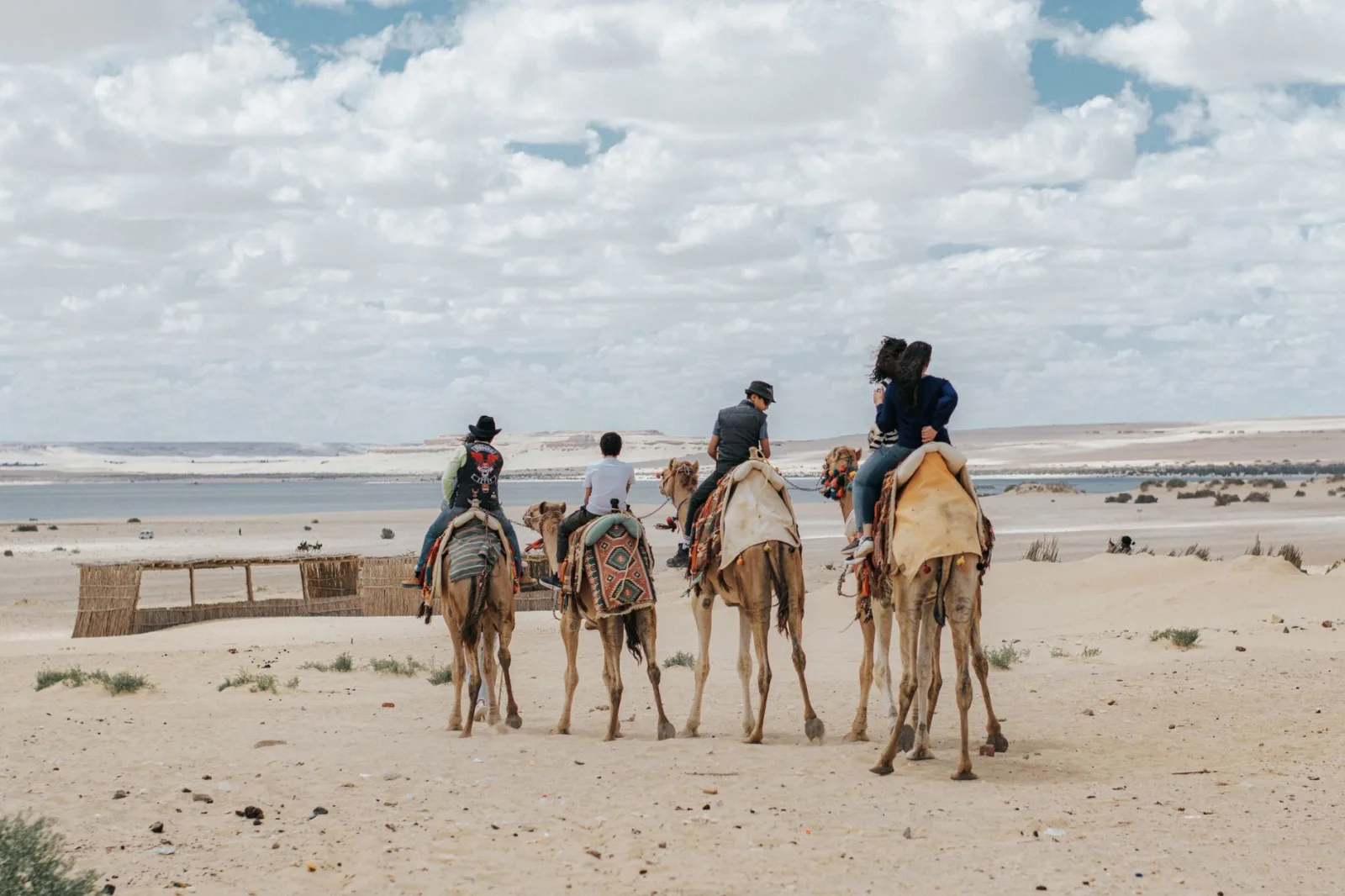
a. Wadi El Rayan National Park
Located southwest of Cairo, Wadi El Rayan is known for its stunning lakes and waterfalls. This sanctuary is home to various birds, including the rare Egyptian goose. You can explore the park through its walking trails, leading you to scenic views and potential wildlife sightings.
b. Lake Qarun Protectorate
This ancient lake is one of the oldest in the world and serves as a crucial habitat for migratory birds. Birdwatching here can be particularly rewarding, especially during the migration season. Make sure you have your binoculars ready!
c. Ras Mohammed National Park
Although more known than others, Ras Mohammed offers secluded areas where you can observe marine life in a tranquil setting. Snorkeling in its clear waters reveals vibrant coral reefs and diverse fish species. Remember to respect the marine environment by not touching the corals.
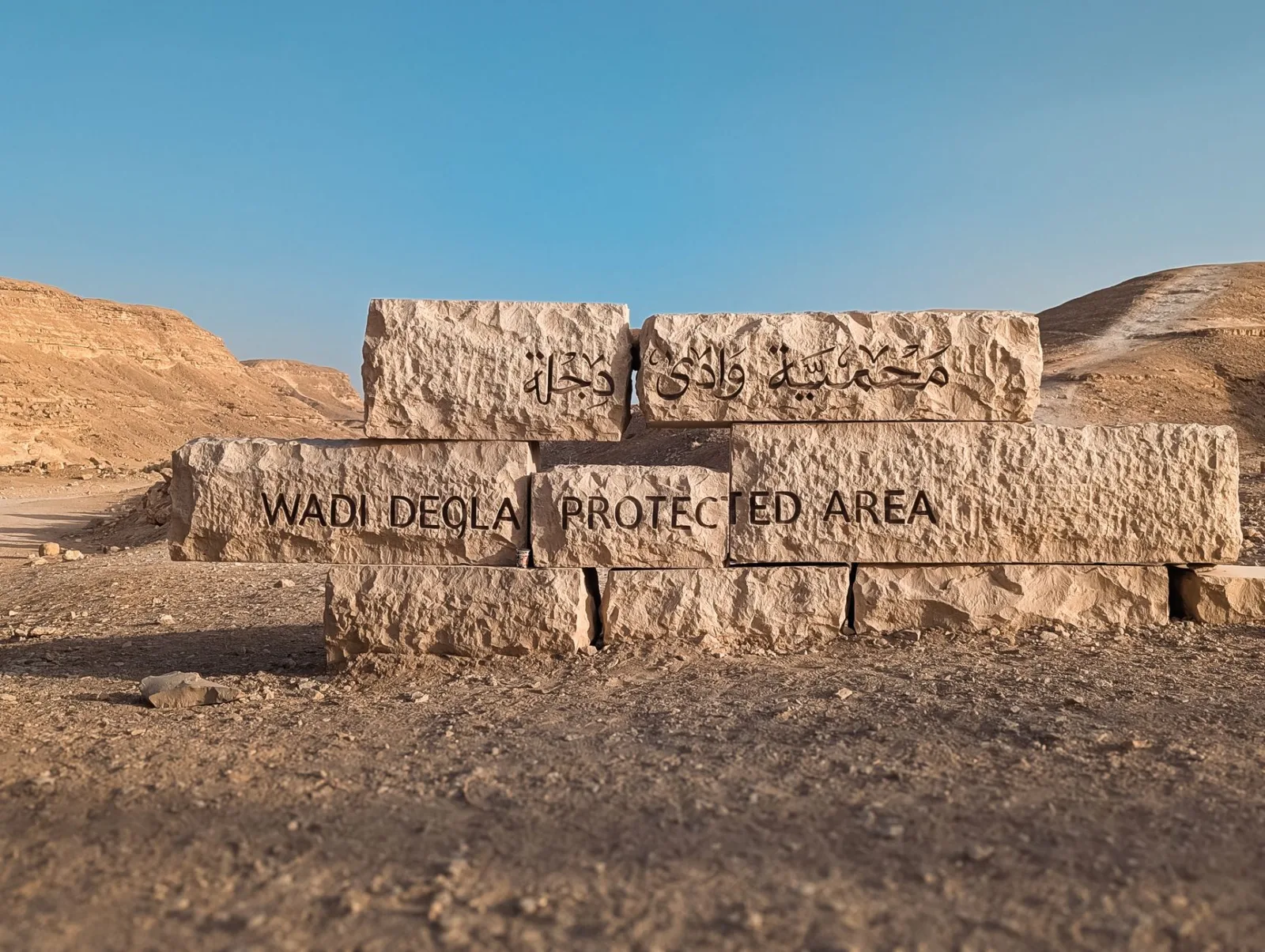
3. Planning Your Trip: Practical Steps
To ensure a smooth experience while visiting these wildlife sanctuaries, consider the following steps:
- Research Your Destination: Before you go, familiarize yourself with the specific sanctuary you plan to visit. Look for information about its wildlife, rules, and best visiting times.
- Pack Accordingly: Bring essentials like water, sunscreen, and insect repellent. Depending on the season, layers may be necessary, especially in desert areas.
- Respect Local Guidelines: Each sanctuary has rules to protect its wildlife. Follow these guidelines closely to ensure the preservation of these habitats.
- Engage Local Guides: Hiring a local guide can enrich your experience. They can provide insights about the flora and fauna that you might miss on your own.
4. Engaging Responsibly with Nature
Eco-tourism in Egypt is not just about enjoying nature; it’s also about protecting it. Here are some tips for responsible engagement:
- Stay on Designated Paths: Avoid wandering off trails to minimize your impact on the ecosystem.
- Do Not Feed Wildlife: Feeding animals can disrupt their natural behaviors and diets.
- Leave No Trace: Always clean up after yourself, taking all waste with you or disposing of it properly.
5. Common Mistakes to Avoid
Traveling to lesser-known wildlife sanctuaries can be rewarding, but there are pitfalls to watch out for:
- Overlooking Entry Requirements: Some reserves may require permits or have specific visiting hours. Always check beforehand to avoid disappointment.
- Neglecting Safety Precautions: Wildlife encounters can be unpredictable. Maintain a respectful distance and do not provoke animals.
- Underestimating the Weather: Egypt can be extremely hot or unexpectedly chilly; always check the forecast and prepare accordingly.
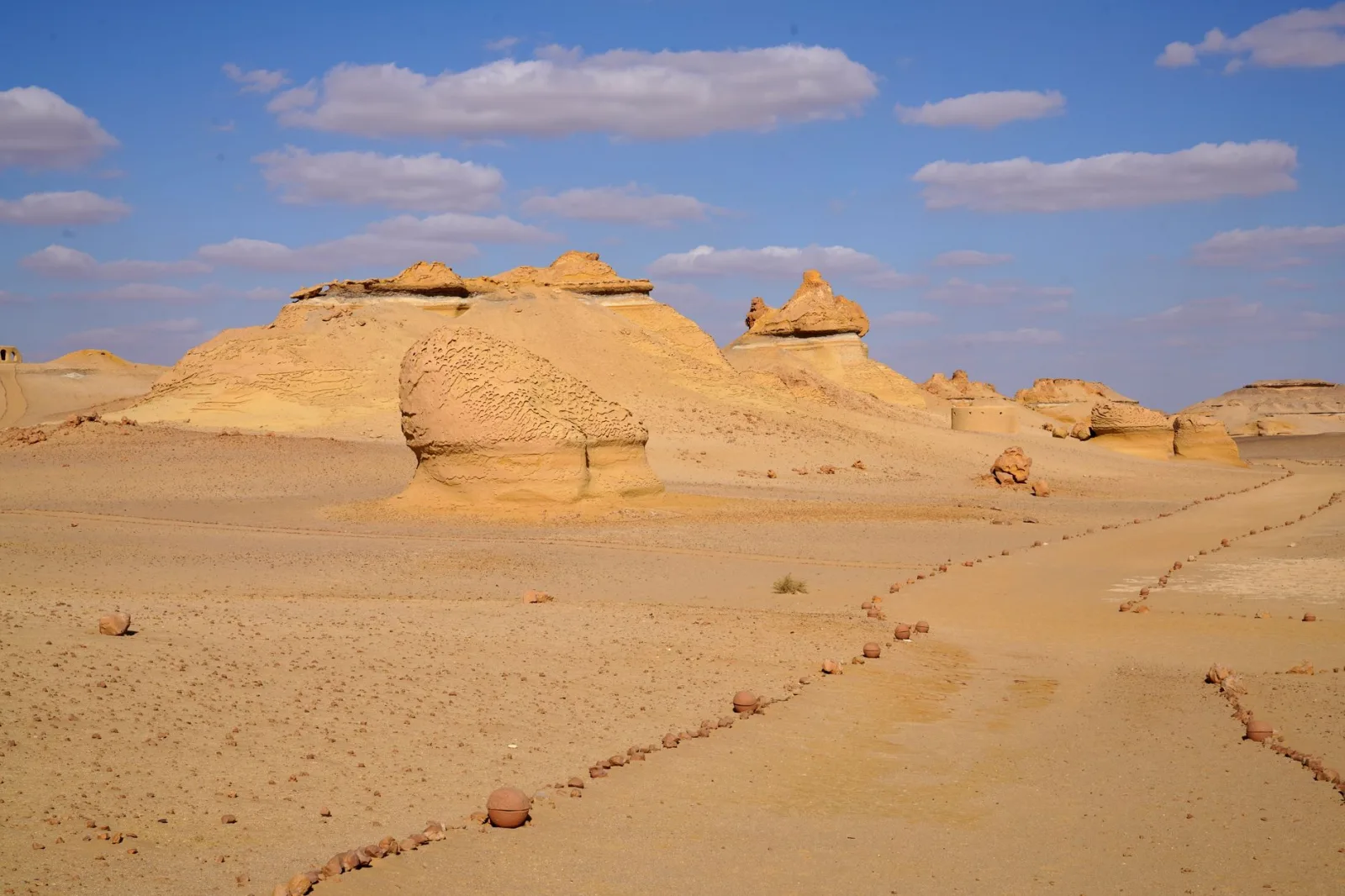
6. Eco-Tourism Initiatives in Egypt
Eco-tourism in Egypt is gaining traction, with various initiatives aimed at promoting sustainable travel practices. Many sanctuaries are working to preserve their natural habitats while providing educational experiences for visitors. By participating in eco-friendly tours, you contribute positively to these efforts.
7. Connecting with Local Communities
Visiting wildlife sanctuaries offers a unique opportunity to engage with local communities. Many indigenous populations are stewards of these lands, holding valuable knowledge about the ecosystems. Participating in cultural exchange not only enriches your travel experience but also supports local economies. Check out more about authentic experiences in our guide on Cultural Immersion 101.
Conclusion: Key Takeaways
Exploring Egypt’s lesser-known wildlife sanctuaries provides an opportunity to appreciate the country’s natural beauty away from the bustling tourist hotspots. By understanding the ecosystems, planning your visit responsibly, and engaging with local communities, you enhance not just your experience but also contribute to the preservation of these habitats. Remember, eco-tourism is about balance—enjoying nature while protecting it. As you prepare for your adventure, keep these insights in mind, and you’ll navigate Egypt’s hidden wildlife sanctuaries with confidence.