Exploring Egypt’s Hidden Eco-Tourism Gems: A Sustainable Travel Guide
By
Share
Understanding Eco-Tourism in Egypt
Eco-tourism in Egypt centers around sustainable travel practices that benefit both the environment and local communities. Unlike mass tourism, which often leads to environmental degradation, eco-tourism seeks to minimize the carbon footprint and promote conservation. This approach allows travelers to engage with Egypt’s rich natural landscapes and diverse ecosystems while supporting local economies.
Engaging in eco-tourism can transform your travel experience. You not only get to explore breathtaking landscapes, but you also contribute positively to the communities you visit. For example, by choosing eco-friendly accommodations, you help create jobs and support local artisans. Moreover, eco-tourism often emphasizes education, allowing you to learn about sustainable practices and environmental conservation.
2. Hidden Eco-Friendly Spots in Egypt
While many tourists flock to the pyramids of Giza or the beaches of Sharm El Sheikh, several lesser-known eco-tourism destinations offer unique experiences. Here are a few you should consider:
2.1 Siwa Oasis
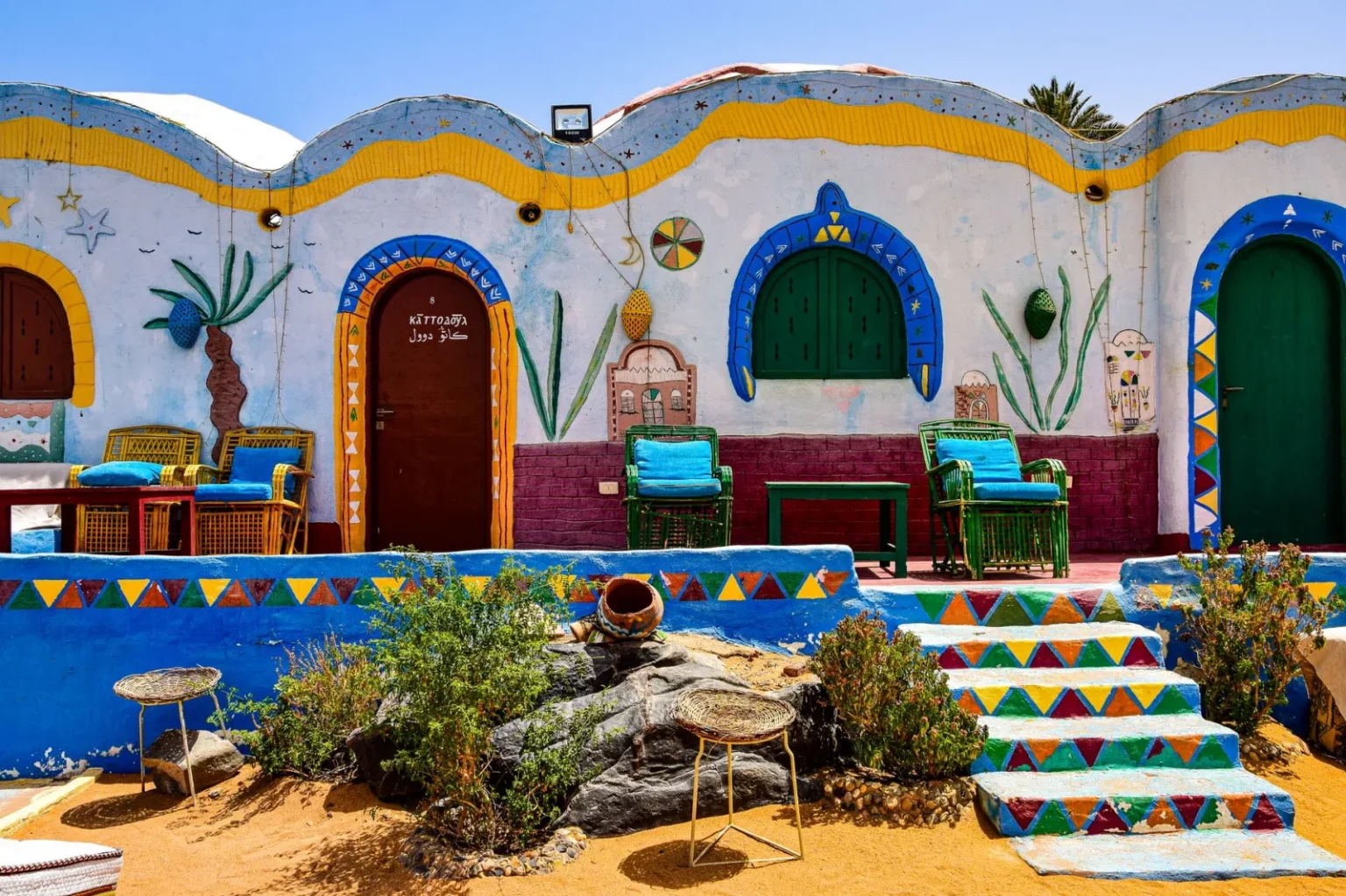
Located near the Libyan border, Siwa Oasis is famous for its natural springs and salt lakes. Here, you can stay in eco-lodges made from local materials, enjoy organic meals, and participate in traditional Berber activities. Visiting the ancient ruins and exploring the surrounding desert can deepen your appreciation for local culture and biodiversity.
📷 AXP Photography – Pexels
2.2 Wadi El Gemal National Park
This remote national park, situated along the Red Sea, is a sanctuary for wildlife and marine life. The park’s eco-friendly lodges often provide guided tours that educate you on the local flora and fauna. Pro tip: Bring biodegradable sunscreen to protect the coral reefs while snorkeling.
2.3 Ras Mohammed National Park
Known for its stunning coral reefs, Ras Mohammed is a must-visit for eco-conscious divers and snorkelers. You can engage in conservation efforts by participating in beach clean-ups organized by local NGOs. Important note: Always use reef-safe products and avoid touching marine life.
2.4 The White Desert
This surreal landscape, with its chalk formations, offers a unique opportunity for eco-camping. Consider camping under the stars, where you can experience the tranquility of nature while minimizing your environmental impact. Warning: Ensure you leave no trace to preserve the desert’s beauty.
3. How to Travel Sustainably in Egypt
Traveling sustainably involves thoughtful planning and conscious choices. Here are steps to ensure your trip is eco-friendly:
3.1 Choose Eco-Friendly Accommodations
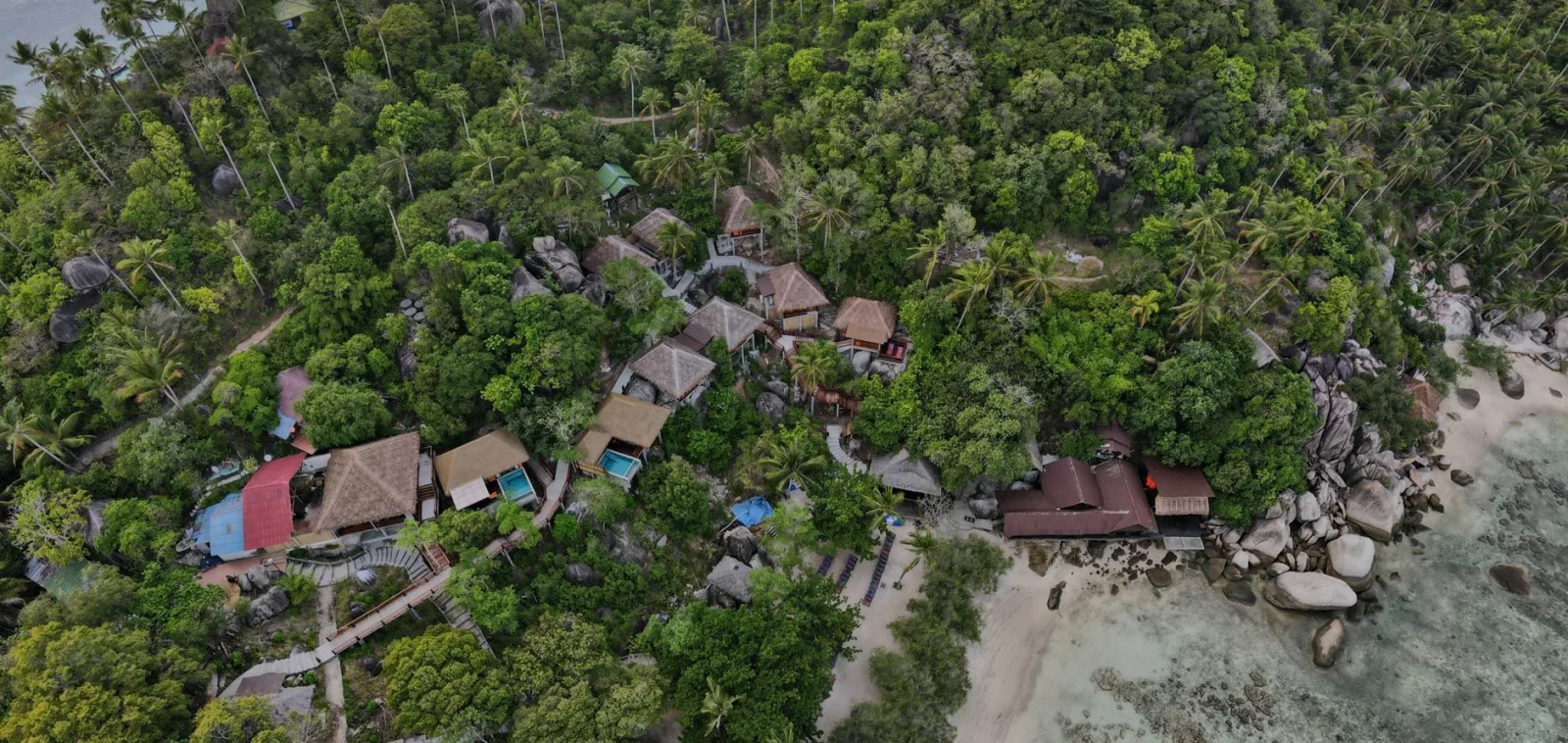
Look for hotels and lodges that prioritize sustainability, such as those using renewable energy sources or engaging in water conservation. Reading reviews can help you gauge their eco-commitment.
📷 HUAHIN PILOT LAND & REAL ESTATE DRONER – Pexels
3.2 Support Local Businesses
Eat at local restaurants, buy souvenirs from artisans, and participate in community-led tours. This not only enhances your experience but also empowers local economies. For instance, consider dining at establishments that source ingredients locally.
3.3 Minimize Waste
Carry reusable water bottles, bags, and utensils to reduce plastic waste. Many cities in Egypt now have refill stations, making it easy to stay hydrated without single-use plastics.
4. Engaging with Local Culture
Eco-tourism isn’t just about the environment; it’s also about connecting with local people. Engaging with the culture enriches your travel experience and fosters mutual understanding. Here are ways to interact meaningfully:
4.1 Participate in Cultural Workshops
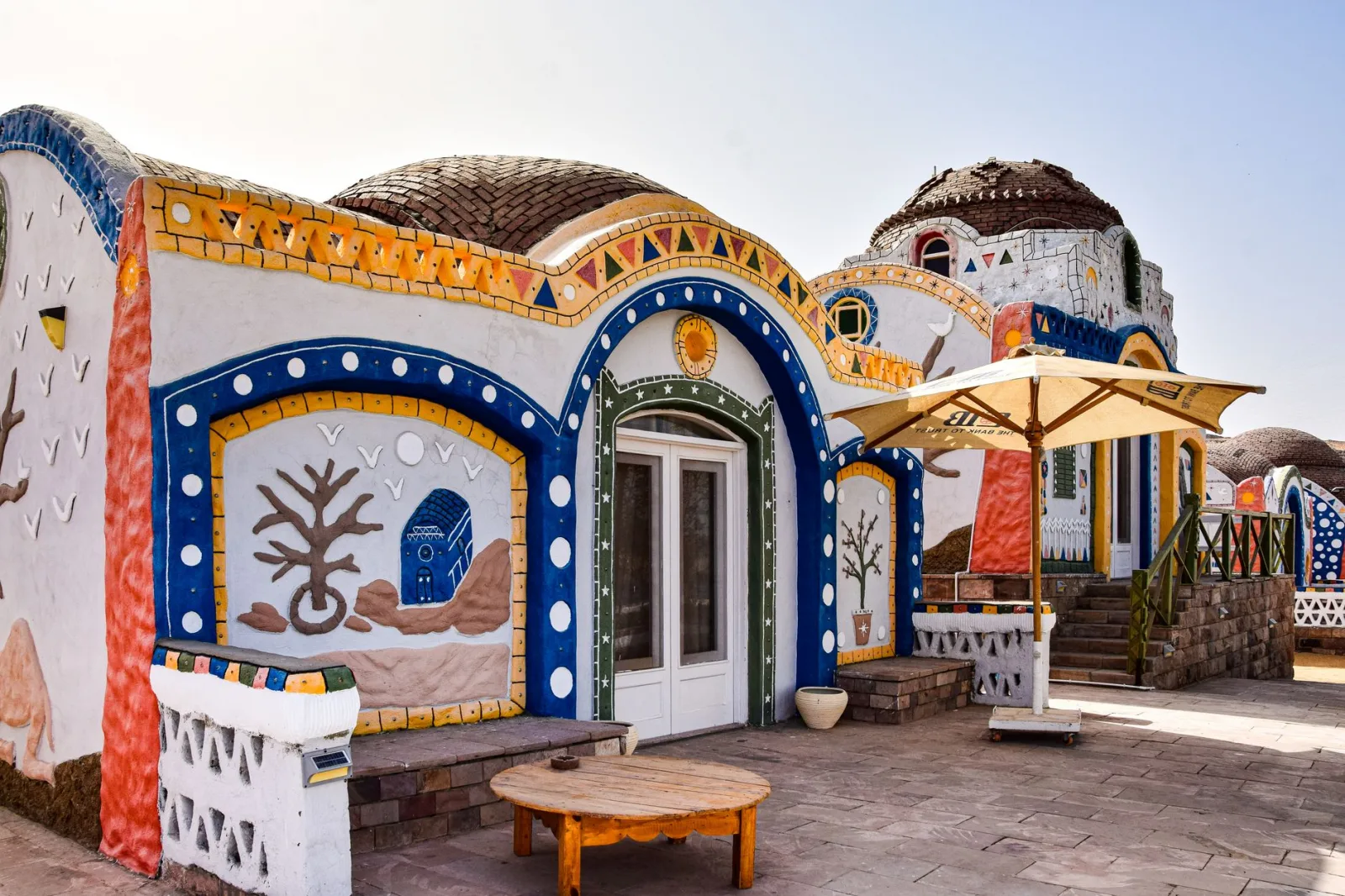
Consider taking workshops on traditional crafts or cooking classes. This not only supports local artisans but also provides insight into their way of life. For example, you might learn to make traditional Egyptian dishes while understanding the significance of local ingredients.
📷 Abdul Kayum – Pexels
4.2 Visit Local Markets
Shopping at local markets offers a glimpse into everyday life in Egypt. Engage with vendors, learn about their products, and support their businesses. Common mistake: Avoid haggling excessively, as this can be disrespectful in some contexts.
5. Important Considerations for Eco-Tourists
While eco-tourism presents an opportunity for sustainable travel, it’s essential to navigate it carefully. Here are some considerations:
5.1 Research Before You Go
Not all destinations have the same level of infrastructure for eco-tourism. Researching your chosen spots can help you find those that align with your values. Websites and travel blogs focused on sustainable travel can be valuable resources.
Engaging with conservation programs can enhance your eco-tourism experience. Many organizations offer volunteer opportunities that allow you to contribute directly to environmental preservation.
Conclusion: Embrace Sustainable Travel in Egypt
Exploring Egypt’s lesser-known eco-tourism destinations offers a chance to connect with nature and local cultures in meaningful ways. By choosing sustainable practices, you help preserve these treasures for future generations. Remember to plan ahead, support local businesses, and engage with the environment responsibly. Your journey can be both enriching and impactful, creating a positive footprint in the beautiful landscapes of Egypt.
Key Takeaways:
Eco-tourism focuses on sustainability and community support.
Explore hidden gems like Siwa Oasis and Wadi El Gemal National Park.
Practice sustainable travel by minimizing waste and choosing eco-friendly accommodations.
Engage with local cultures through workshops and markets.
Research local customs and conservation efforts to enrich your experience.