




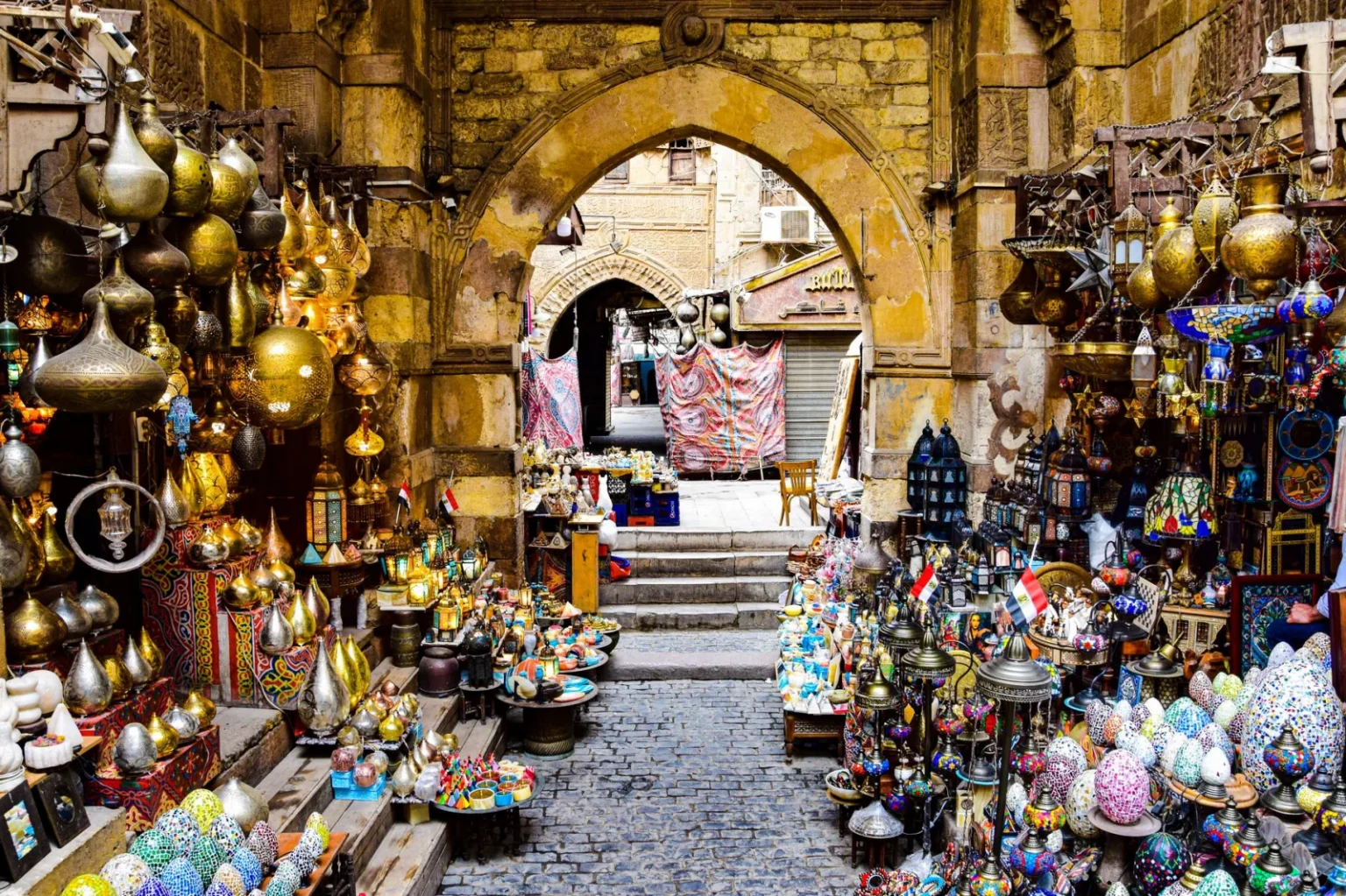

Understanding Egypt’s Trade Routes
Trade routes in Egypt have played a pivotal role in shaping the nation’s history, culture, and economy. These routes were not merely paths for merchants; they were conduits of ideas, art, and religion. The Nile River, a natural highway, facilitated trade and cultural exchange. For instance, goods from the Mediterranean traveled south, while products from sub-Saharan Africa found their way north. This interconnectedness helped Egypt thrive as a major civilization.
The Historical Significance of Trade Routes
Historical travel in Egypt reveals how these trade routes influenced the social and political landscape. The ancient Egyptians traded gold, spices, textiles, and papyrus, which were highly sought after by neighboring civilizations. The famous Incense Route, for example, linked Egypt to the Arabian Peninsula, allowing the exchange of exotic perfumes and incense. This route not only boosted Egypt’s economy but also facilitated cultural exchanges that shaped religious practices.
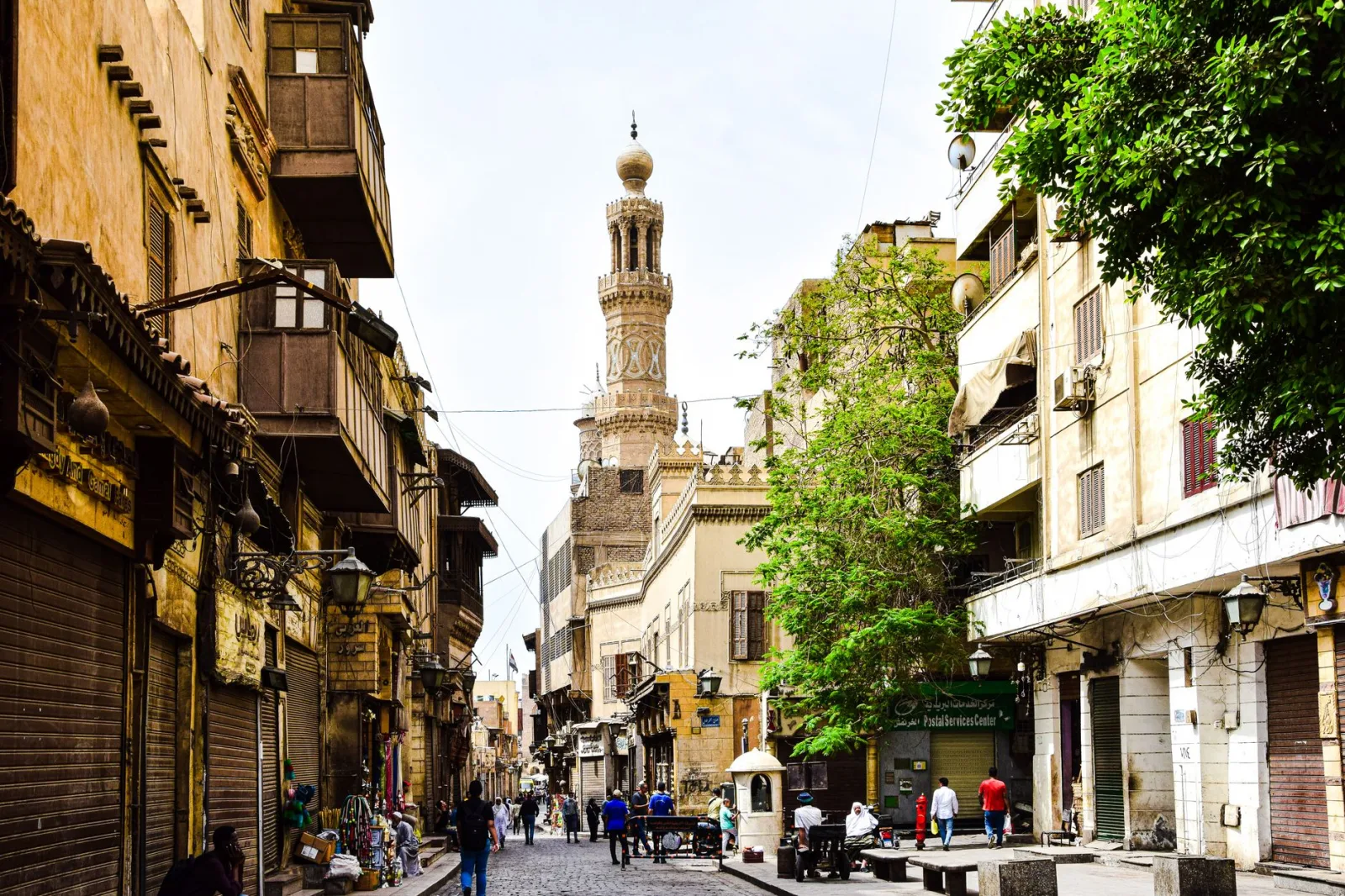
Key Trade Routes to Explore
When traveling in Egypt, consider exploring these vital historical trade routes:
- The Nile River: This is arguably the most significant trade route. As you cruise along the Nile, you’ll witness ancient cities like Luxor and Aswan, which were once bustling trade hubs.
- The Red Sea Route: Linking Egypt to Asia, this route was crucial for maritime trade. Visiting the coastal cities of Hurghada and Sharm El Sheikh provides insight into modern adaptations of these ancient trade practices.
- The Incense Route: Stretching from the Arabian Peninsula to the Nile Valley, this route was essential for transporting incense. Exploring modern-day Siwa Oasis gives you a taste of its historical significance.
Common Mistakes When Navigating Trade Routes
Many travelers overlook the cultural context surrounding these routes. A common mistake is focusing solely on the scenic aspects without understanding their historical significance. To fully appreciate your journey, engage with local guides who can provide deeper insights into the cultural exploration of Egypt. Important note: Always respect local customs and heritage sites.
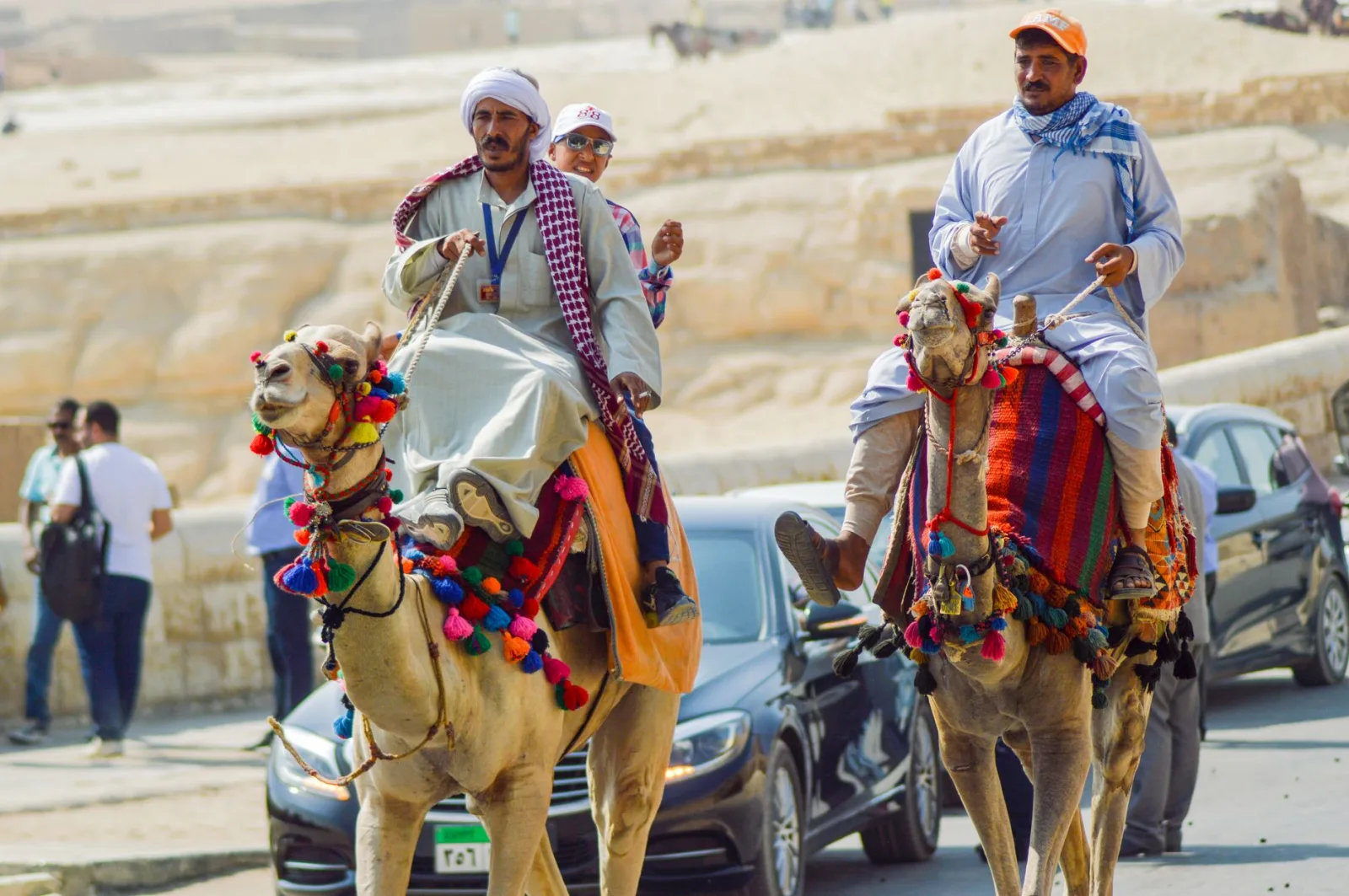
Practical Tips for Your Journey
To enhance your experience, consider the following tips:
- Research Before You Go: Familiarize yourself with the historical context of the trade routes you plan to explore. This will enrich your understanding and appreciation.
- Engage with Local Communities: Interaction with local artisans and traders can provide firsthand knowledge about ancient and modern trade practices.
- Respect Cultural Etiquette: Understanding local customs is crucial. Check out our guide on Cultural Etiquette: 10 Essential Dos and Don’ts When Traveling to Egypt for more information.
Exploring Cultural Heritage Along the Routes
Cultural exploration in Egypt goes hand-in-hand with its trade routes. Each region boasts unique traditions, cuisines, and art forms that have been shaped by centuries of trade interactions. For example, in Alexandria, the fusion of Greek and Egyptian cultures is evident in its architecture and culinary offerings. The next step is to taste local dishes and participate in festivals that celebrate this rich heritage.
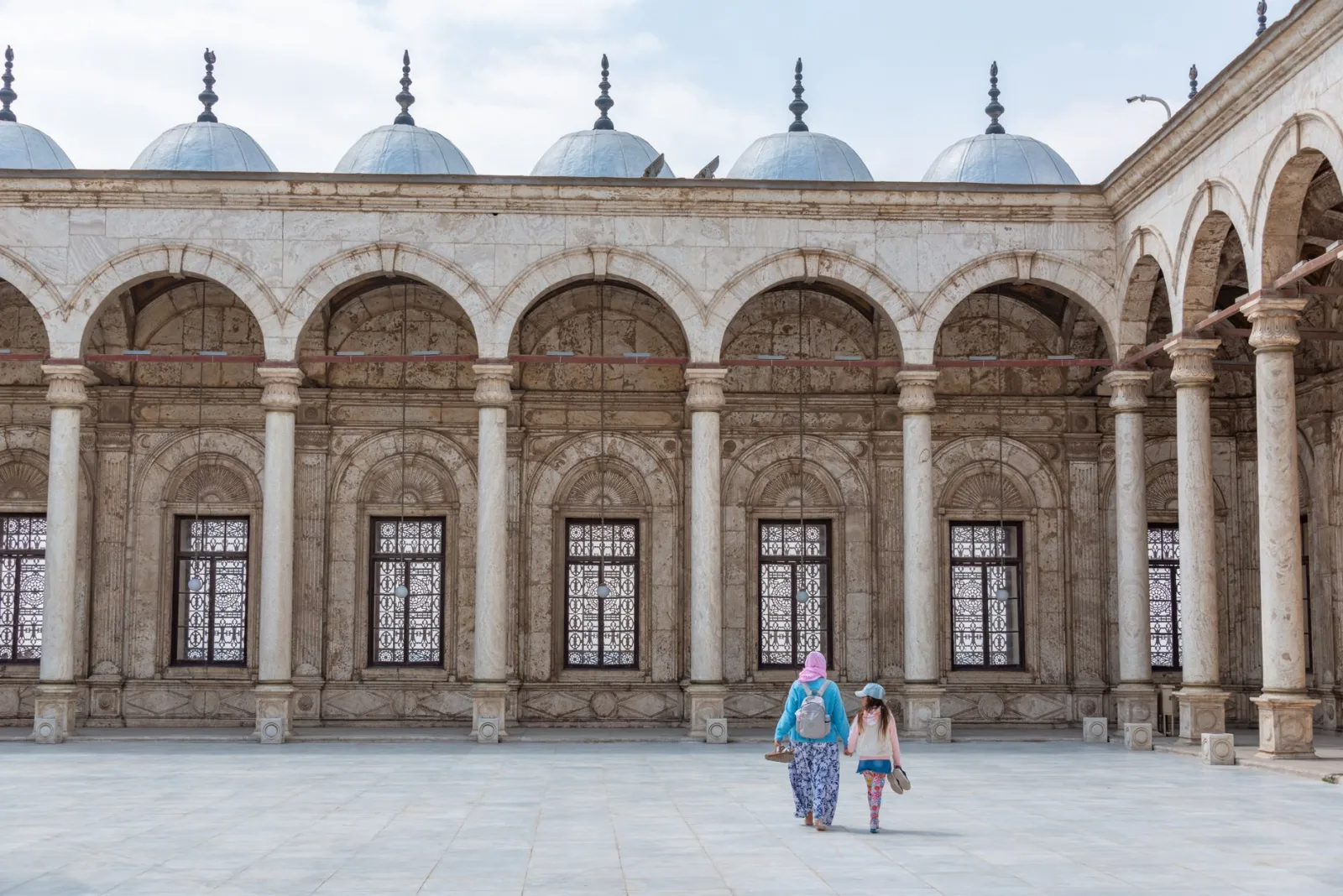
Modern Impacts of Historical Trade Routes
Today, the legacy of these trade routes continues to influence Egypt’s economy and culture. Modern trade practices have evolved, yet the spirit of exchange remains strong. Exploring Egypt’s eco-friendly accommodations can give you a glimpse into sustainable practices that honor historical traditions. Visit our guide on Navigating Egypt’s Eco-Friendly Accommodations for more options.
Key Takeaways
Navigating Egypt’s historical trade routes offers a unique lens through which to view the country’s rich tapestry of history and culture. By understanding the significance of these routes, engaging with local communities, and respecting cultural heritage, you can have a more enriching travel experience. Whether you’re exploring the ancient pathways along the Nile or the bustling markets of Cairo, remember that each step takes you deeper into Egypt’s storied past.