





Understanding Egyptian Cuisine
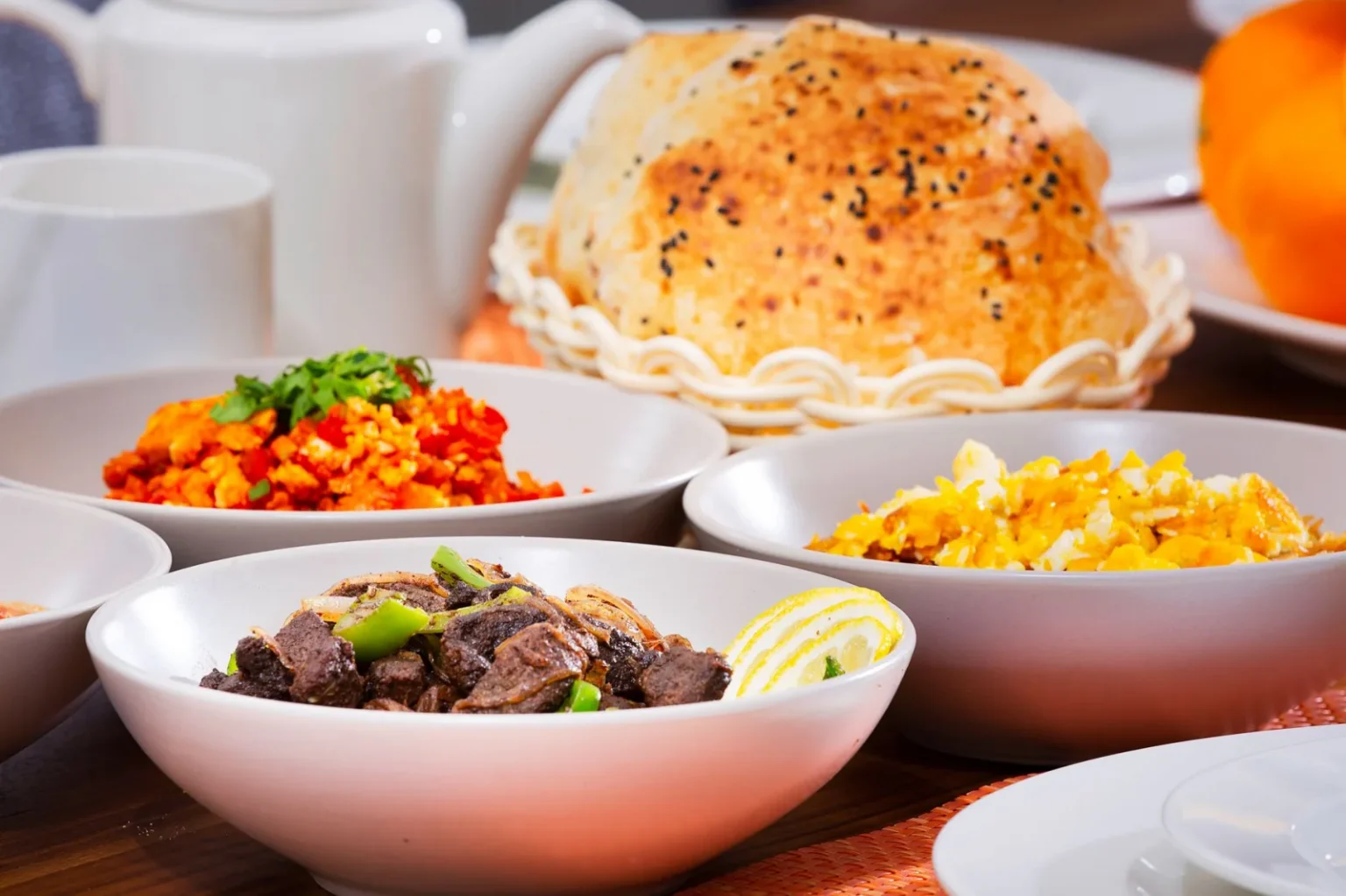
Egyptian cuisine is a vibrant expression of the country’s history, geography, and culture. It combines elements from various civilizations, including Pharaonic, Arab, and Ottoman influences. This culinary landscape is not just about food; it tells stories of the land and its people.
The Legacy of Forgotten Recipes
Throughout history, many traditional Egyptian recipes have faded into obscurity. These forgotten recipes often contain ingredients and cooking techniques that were once commonplace but have lost their place in modern kitchens. To navigate this culinary heritage, let’s explore a few of these recipes and their significance.
1. Fattah: A Dish of Layers
Fattah is a layered dish traditionally made for festive occasions. It consists of rice, bread, and meat, usually lamb or beef, topped with a tangy tomato sauce. This dish is a testament to the communal aspect of Egyptian dining, often served during celebrations. You might find it at weddings or family gatherings, representing unity and sharing.
2. Koshari: The National Dish
Koshari is a beloved Egyptian comfort food made from rice, lentils, and pasta, topped with a spicy tomato sauce and crispy onions. While it’s widely known today, it has roots that date back to the 19th century. It evolved as a street food, showcasing the resourcefulness of cooks who created substantial meals from simple ingredients. Common mistake: If you’re trying Koshari for the first time, don’t skip the vinegar and garlic sauce that often accompanies it; it adds a unique tangy flavor.
Local Legends and Their Culinary Ties
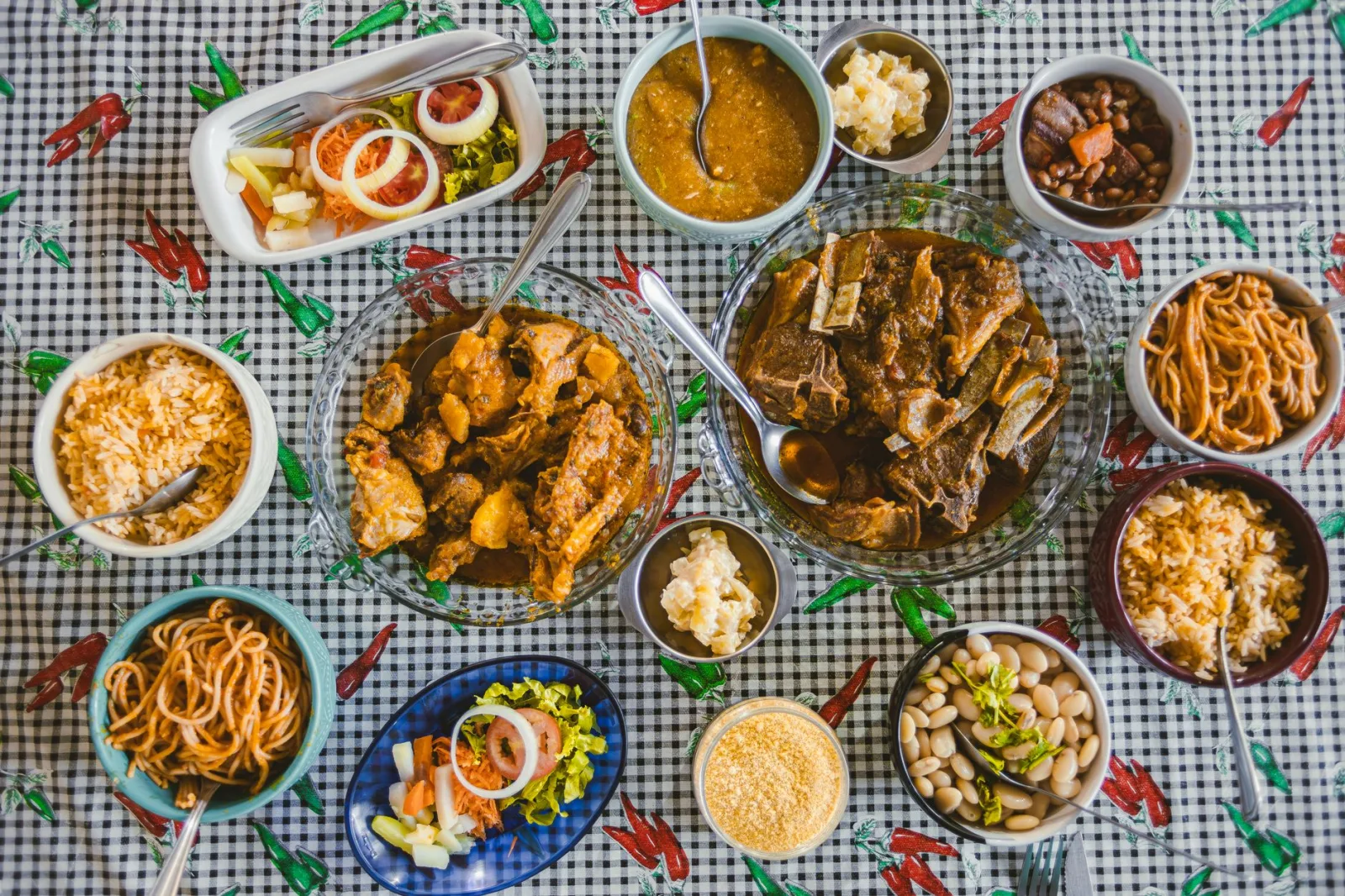
Alongside forgotten recipes, local legends often play a crucial role in shaping Egyptian culinary practices. These stories offer insight into the cultural significance of certain dishes and ingredients.
3. The Tale of Koshari’s Origins
One legend claims that Koshari was inspired by a dish brought to Egypt by Italian immigrants. The fusion reflects Egypt’s diverse culinary influences, which have merged over centuries. Understanding such stories helps you appreciate the depth of Egyptian cuisine beyond its flavors.
4. The Mysterious Origins of Ta’ameya
Ta’ameya, or Egyptian falafel, is made from fava beans instead of chickpeas. According to local lore, this dish was created to honor the goddess Isis, who was believed to have promoted agriculture. This connection to mythology enriches the experience of enjoying Ta’ameya, as you recognize its historical roots.
Rediscovering Forgotten Ingredients
Many traditional Egyptian recipes utilize ingredients that have fallen out of favor. Rediscovering these can offer fresh culinary experiences.
5. The Role of Dukkah
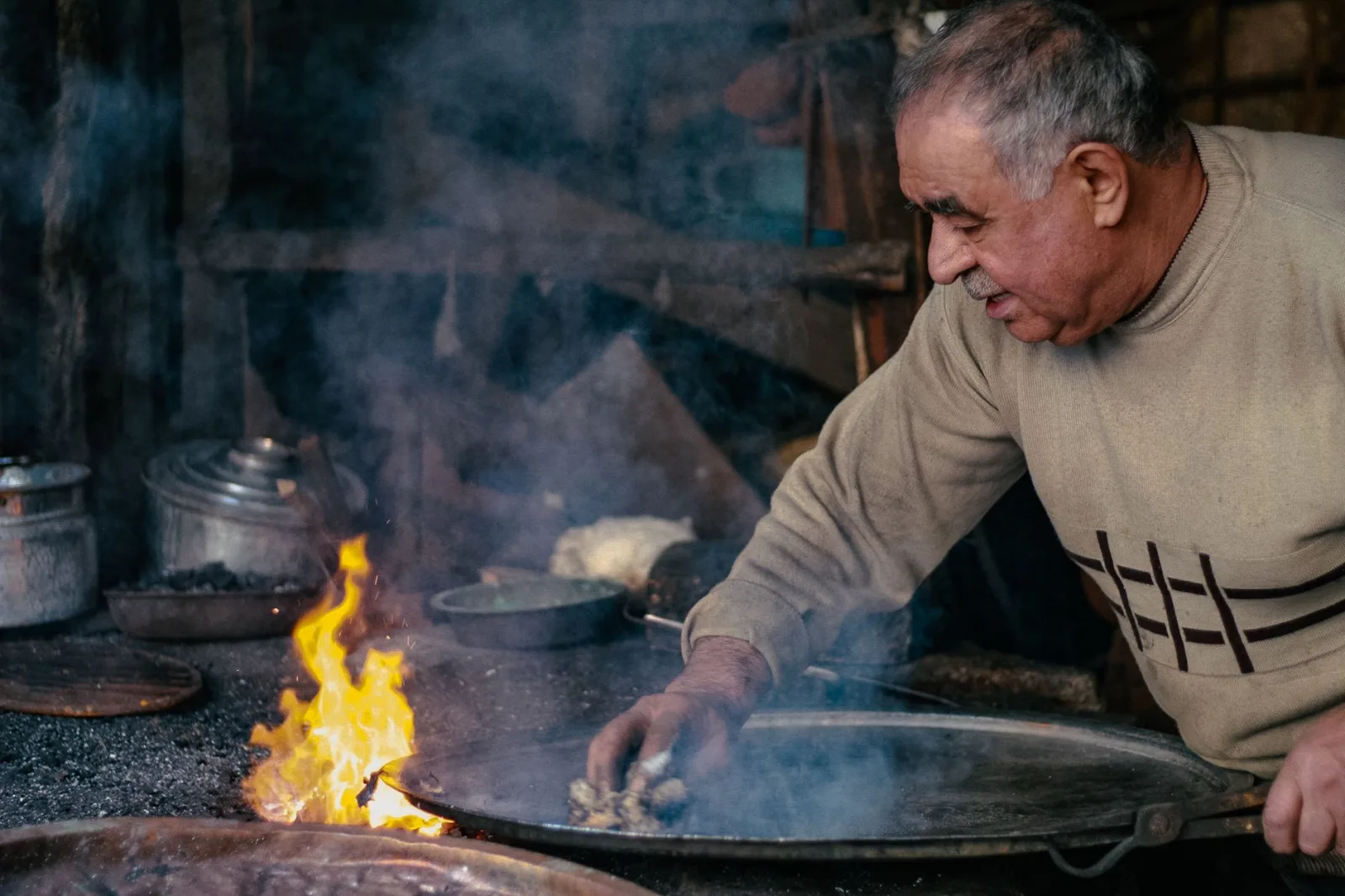
Dukkah is a spice blend made from nuts, seeds, and spices, often used as a dip with bread and olive oil. Though still enjoyed, its broader uses in traditional dishes are often overlooked. Pro tip: Try using Dukkah as a seasoning for roasted vegetables or meats to elevate their flavor.
6. The Significance of Molokhia
Molokhia is a green leafy vegetable often cooked in a stew, popular in many Middle Eastern countries. Its preparation can vary significantly between regions. In some local legends, it is said to have healing properties, linking it to ancient Egyptian medicine. Important note: When cooking Molokhia, be cautious with the cooking time; overcooking can lead to a slimy texture.
Culinary Practices Passed Down Through Generations
Understanding Egyptian culinary heritage involves recognizing the traditional practices that families have passed down through generations. These methods often include unique ways of preparing and serving food.
7. The Art of Bread Making
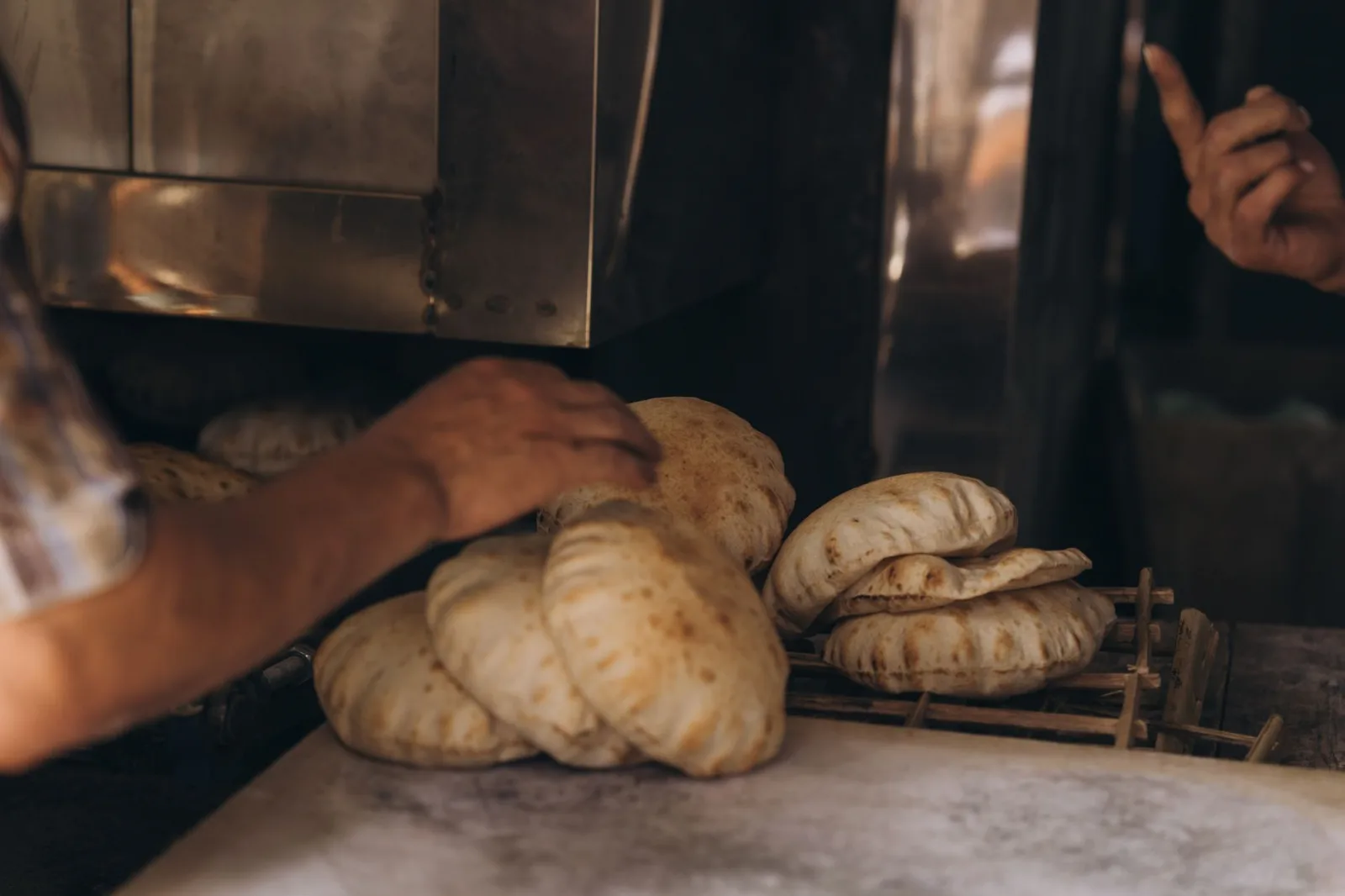
Bread is a staple in Egyptian cuisine, and the method of making Baladi bread remains largely unchanged. It is a flatbread baked in a traditional oven called a taboon. This bread is often served with meals and used to scoop up food, emphasizing the communal aspect of dining. Warning: If you attempt to make Baladi bread, ensure to use a hot, stone surface for the best results.
Practical Steps to Experience Egyptian Culinary Heritage
If you’re interested in diving deeper into Egypt’s culinary heritage, consider the following steps:
Step 1: Explore Local Markets
Visiting local markets can provide insight into traditional ingredients and methods. Engage with vendors to learn about their products and how they are used in local recipes. This can enrich your understanding of Egyptian cuisine.
Step 2: Attend Cooking Classes
Participating in cooking classes can be a practical way to learn about forgotten recipes. Many local chefs offer classes focusing on traditional dishes, providing hands-on experience and cultural context.
Step 3: Connect with Local Families
Consider reaching out to local families or communities willing to share their culinary traditions. This can provide a personal touch to your culinary journey, allowing you to experience authentic meals in a home setting.
Conclusion: Preserving Culinary Heritage
Egyptian cuisine is a rich tapestry woven from history, culture, and local legends. By exploring forgotten recipes and understanding the stories behind them, you can gain a deeper appreciation for this vibrant culinary heritage. Remember, each dish you try carries not just flavor but also the weight of tradition and history. Embrace this journey and allow it to enhance your travel experience in Egypt.
For those interested in discovering more about Egypt’s culinary landscape, check out our guide on Navigating Egypt’s Hidden Culinary Delights.