






Understanding Egyptian Food: The Heart of the Culinary Experience
Egyptian food is a rich tapestry of flavors, spices, and cultural influences. It is shaped by its history, geography, and the diverse communities that call Egypt home. As you explore this culinary landscape, you will encounter dishes that reflect the country’s agricultural bounty, particularly from the Nile River and the fertile Delta region. Traditional meals are not just about sustenance; they tell stories of heritage, family, and local customs.
- Understanding Egyptian Food: The Heart of the Culinary Experience
- Key Ingredients in Egyptian Artisanal Cuisine
- Exploring Local Flavors: Notable Dishes to Try
- Finding Culinary Gems: Where to Eat
- Tips for Navigating Egypt’s Food Scene
- Common Mistakes to Avoid
- Embracing Culinary Experiences
- Conclusion: Key Takeaways for Your Culinary Journey
Key Ingredients in Egyptian Artisanal Cuisine
To navigate Egypt’s artisanal food scene, it’s essential to understand the foundational ingredients that define the cuisine. These include:
- Fava Beans: A staple in many Egyptian households, fava beans are the primary ingredient in ta’ameya (Egyptian falafel). This dish is often enjoyed as a breakfast item.
- Vegetables: Fresh vegetables like tomatoes, eggplants, and okra are commonly used in dishes such as molokhia, a green soup made from the leaves of the jute plant.
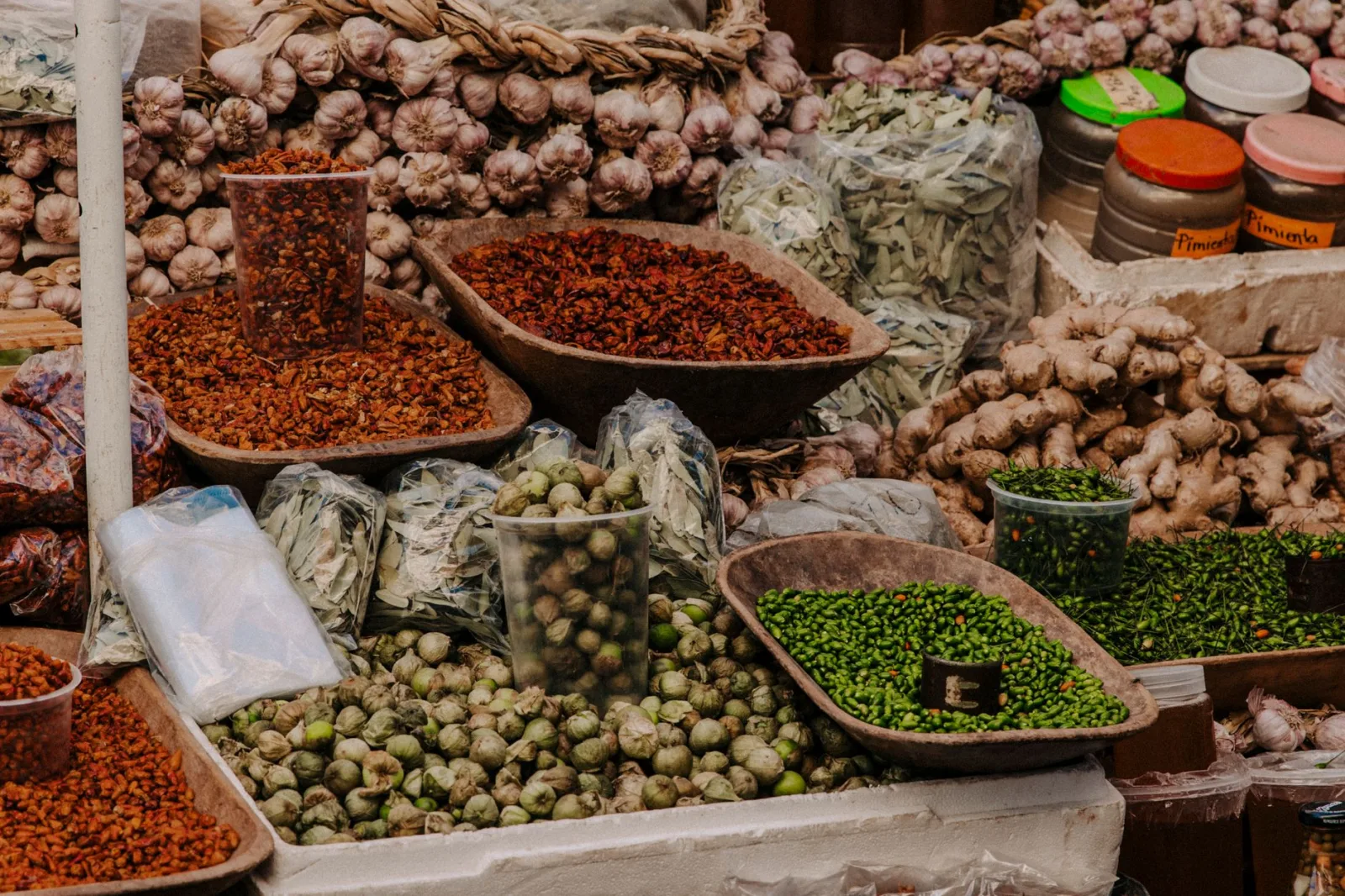
- Spices: Egyptian cuisine utilizes a variety of spices, including cumin, coriander, and garlic, which elevate the flavors of both simple and complex dishes.
- Poultry and Seafood: Chicken and fish are popular protein sources, often seasoned with local spices and grilled or fried to perfection.
Exploring Local Flavors: Notable Dishes to Try
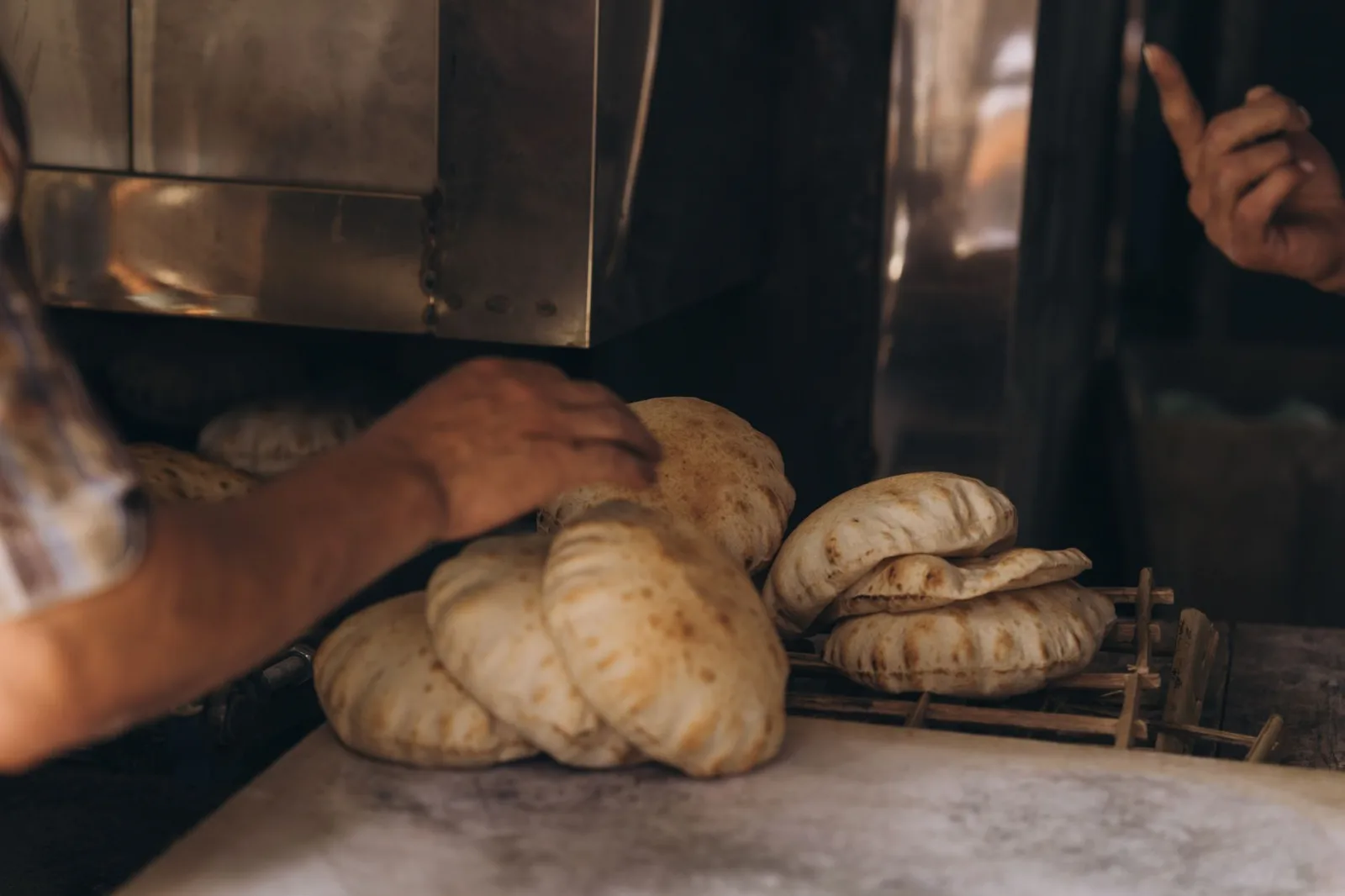
When you’re in Egypt, there are several must-try dishes that embody the local flavors. Here’s a list of some culinary gems:
- Koshari: This iconic dish combines rice, lentils, and pasta, topped with a spiced tomato sauce and crispy onion. It’s a filling meal that reflects the culinary diversity of Egypt.
- Fattah: Traditionally served during celebrations, this dish includes layers of rice, bread, and slow-cooked meat, all drizzled with a garlic and vinegar sauce.
- Mahshi: Vegetables like zucchini and bell peppers are stuffed with a flavorful mix of rice, herbs, and spices, then cooked in a rich tomato sauce.
- Basbousa: For dessert, try this semolina cake soaked in syrup, often garnished with almonds or coconut, offering a sweet end to your meal.
Finding Culinary Gems: Where to Eat
To truly experience the depth of Egyptian artisanal cuisine, you need to know where to go. Here are some tips for discovering hidden culinary gems:
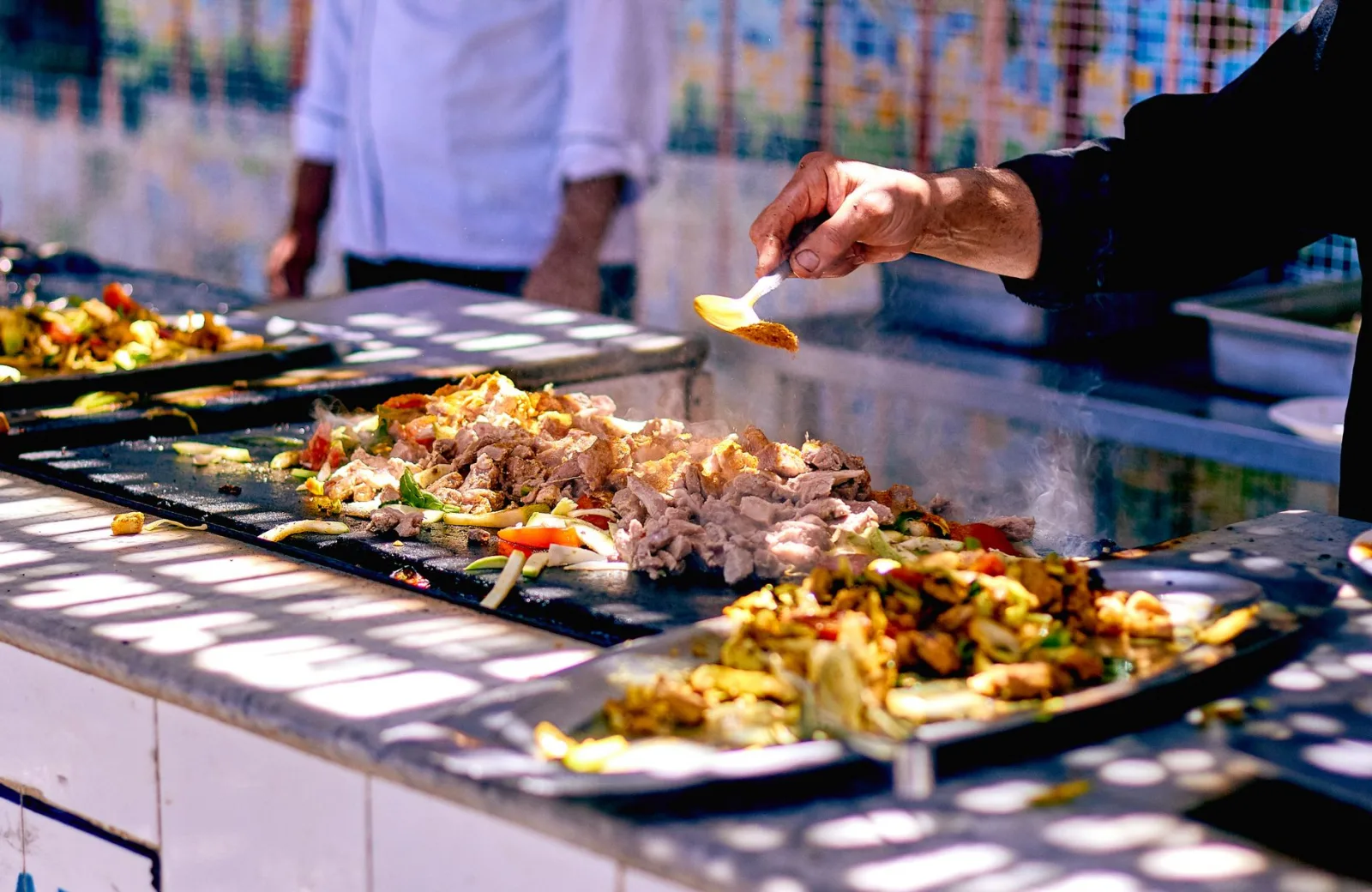
- Street Food Stalls: Don’t shy away from street food. Stalls serving koshari or ta’ameya offer authentic flavors at a fraction of the price of restaurants.
- Local Markets: Visit local markets like Khan El Khalili in Cairo, where you can sample various dishes and buy homemade products from local artisans.
- Family-run Restaurants: Seek out family-owned establishments where recipes are passed down through generations. These places often have a more personal touch and authentic flavors.
Tips for Navigating Egypt’s Food Scene
As you explore the culinary landscape of Egypt, keep these practical tips in mind:
- Learn Basic Arabic Phrases: Knowing simple phrases can enhance your experience and help you connect with locals. For instance, saying “shukran” (thank you) can go a long way.
- Ask for Recommendations: Don’t hesitate to ask locals for their favorite spots. They can guide you to lesser-known eateries that may not be in tourist guides.
- Be Open to New Experiences: Try dishes you’ve never heard of before. Egyptian cuisine is diverse, and you might discover a new favorite!
Common Mistakes to Avoid
While navigating the food scene, be aware of common mistakes that can detract from your experience:
- Avoiding Street Food: Many travelers fear street food due to hygiene concerns. However, popular stalls often have high turnover and are generally safe. Choose busy places for the freshest food.
- Sticking to Tourist Areas: Restaurants in tourist-heavy areas may not reflect authentic cuisine. Venture into local neighborhoods for a true taste of Egyptian food.
- Neglecting Dietary Preferences: If you have specific dietary needs, communicate them clearly. While many places cater to vegetarian or vegan diets, it’s best to confirm with the server.
Embracing Culinary Experiences
Participating in cooking classes or food tours can enhance your understanding of Egyptian cuisine. Many local chefs offer classes where you can learn to prepare traditional dishes. This hands-on experience can deepen your appreciation for the flavors and techniques used in Egyptian food.
Conclusion: Key Takeaways for Your Culinary Journey
Navigating Egypt’s artisanal food scene opens the door to a world of local flavors and culinary traditions. Remember to immerse yourself in the culture by trying various dishes, visiting local markets, and engaging with residents. The journey through Egyptian food is not only about satisfying your palate but also about connecting with the rich history and vibrant community of the country. As you embark on this flavorful adventure, keep the following key takeaways in mind:
- Explore beyond the tourist trail to discover authentic flavors.
- Engage with locals for recommendations and insights.
- Be adventurous and open to trying new dishes.
For more insights into Egyptian culture, consider checking out resources on Egypt’s seasonal festivals or how to experience local customs authentically.