





The Essence of Traditional Arabian Music
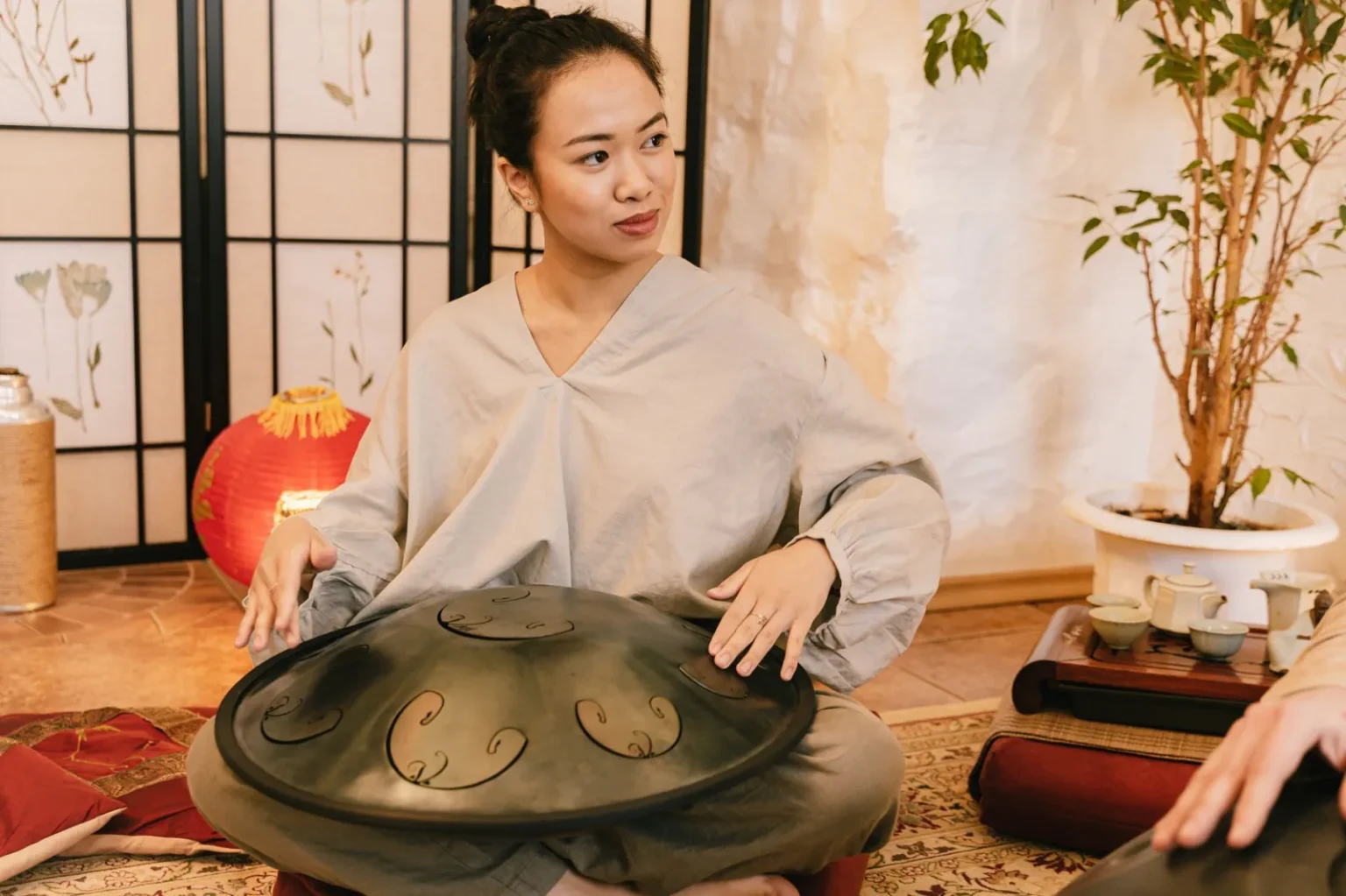
Traditional Arabian music is more than just melodies and rhythms; it encapsulates the cultural heritage and emotional depth of the region. Instruments like the oud, qanun, and darbuka create a unique soundscape that resonates with listeners. Understanding the basic components of this music can lead you to appreciate its therapeutic qualities. For instance, the maqam system, which is a framework of musical scales, provides distinct emotional expressions that can influence mood and mental states.
- The Essence of Traditional Arabian Music
- The Connection Between Sound and Healing
- How Traditional Arabian Music Acts as Sound Therapy
- Real-World Applications of Sound Therapy
- Exploring the Instruments of Traditional Arabian Music
- Cultural Significance and Community Healing
- Tips for Incorporating Traditional Music into Your Life
- Conclusion: The Healing Journey Through Sound
The Connection Between Sound and Healing
Sound therapy is a practice that utilizes different sound frequencies to promote healing and relaxation. This concept is not new; many cultures have employed music as a healing tool for centuries. In the context of Arabian culture, traditional music often serves to heal emotional wounds, connecting individuals to their inner selves. By engaging with these sounds, you can experience a shift in your emotional and physical well-being.
How Traditional Arabian Music Acts as Sound Therapy
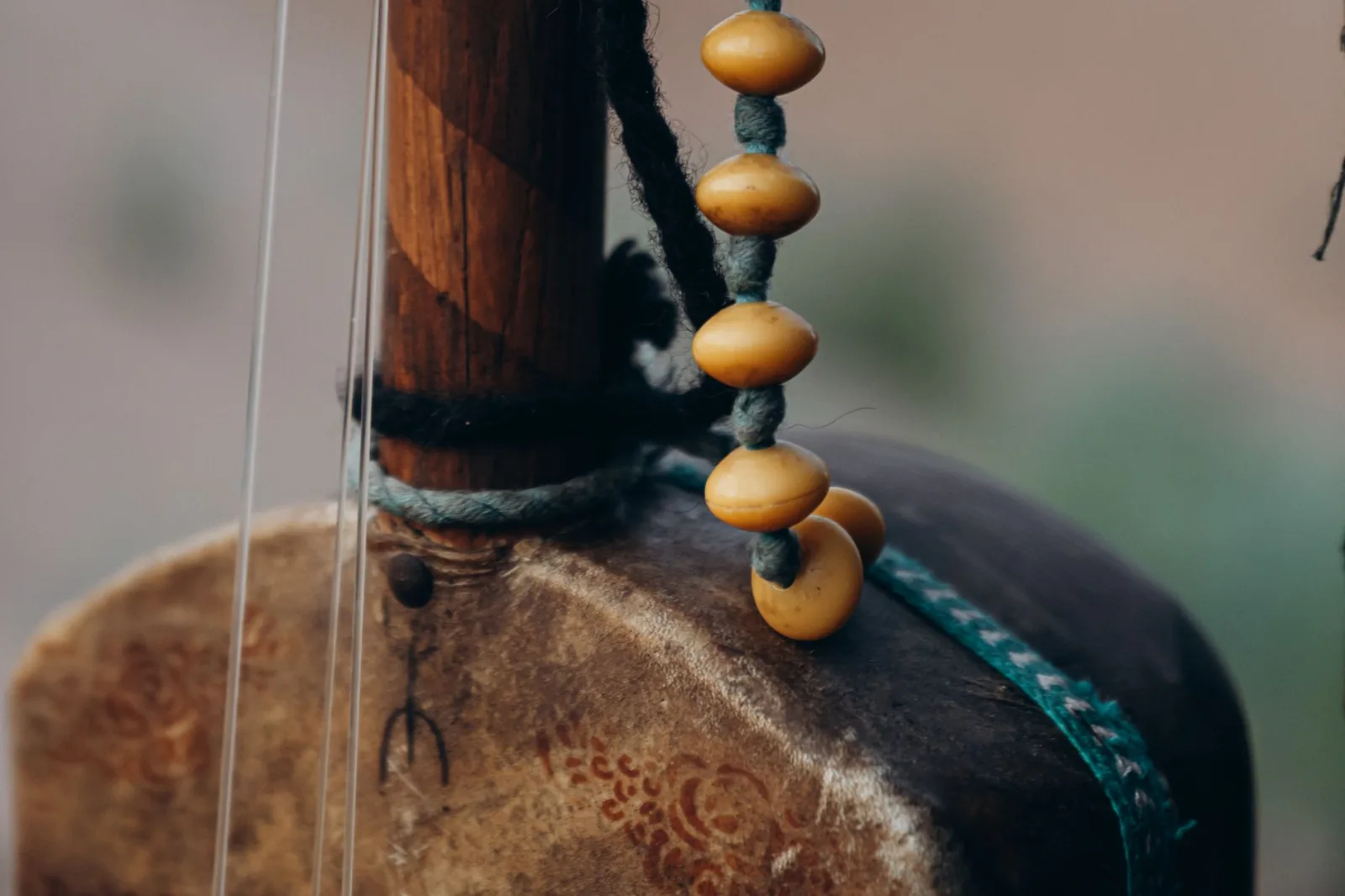
1. **Emotional Resonance:** The emotional quality of traditional music can resonate with your personal experiences. For example, a mournful oud piece may evoke feelings of nostalgia, helping you process grief or loss.
2. **Rhythmic Healing:** The repetitive rhythms found in traditional Arabian music can induce a trance-like state, promoting relaxation. This is similar to how drumming circles work; they create a communal experience that enhances emotional release.
3. **Cultural Connection:** Engaging with traditional music can strengthen your connection to Arabian culture. This connection often brings comfort and a sense of belonging, essential for mental health.
Real-World Applications of Sound Therapy
In practical terms, you can incorporate traditional Arabian music into your daily routine for therapeutic benefits. Here are some suggestions:
1. **Meditation:** Play traditional tracks during your meditation sessions. The soothing sounds can help quiet your mind and enhance focus.
2. **Healing Spaces:** Create a calming environment in your home by incorporating traditional music into your space. It can serve as a backdrop for relaxation or mindfulness practices.
3. **Cultural Events:** Attend local cultural festivals featuring traditional music. Not only will you enjoy the sounds, but you’ll also engage with the community, which can be uplifting.
Exploring the Instruments of Traditional Arabian Music
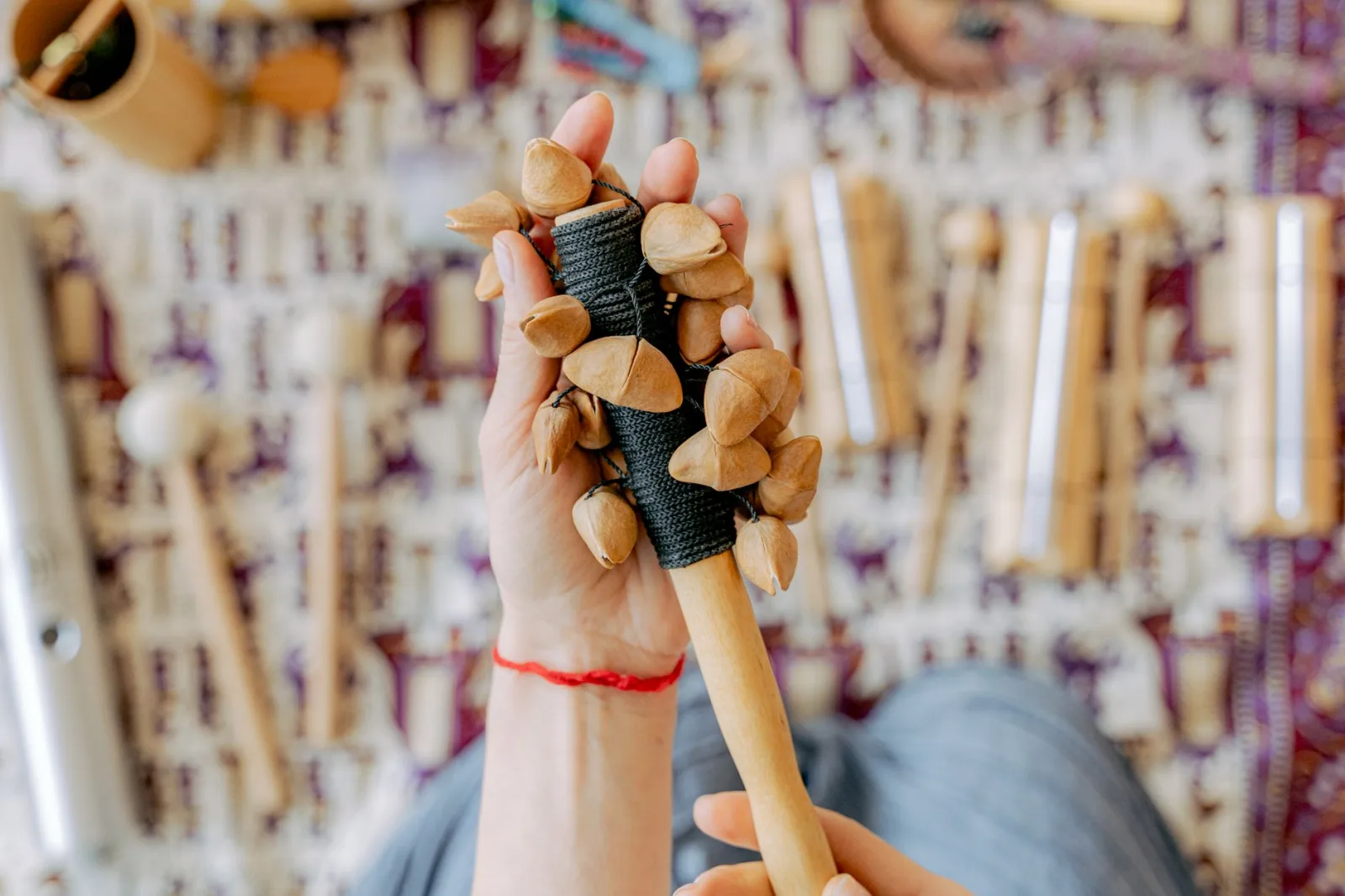
It’s essential to understand the instruments that contribute to the healing aspects of traditional music. Here are a few notable ones:
1. **Oud:** Known as the king of instruments in the Arab world, the oud produces rich tones that can evoke deep emotions. Its versatility allows it to adapt to various musical styles, making it a favorite in therapeutic settings.
2. **Qanun:** This stringed instrument has a unique resonance that can enhance the meditative experience. Its soothing sounds can help reduce stress levels.
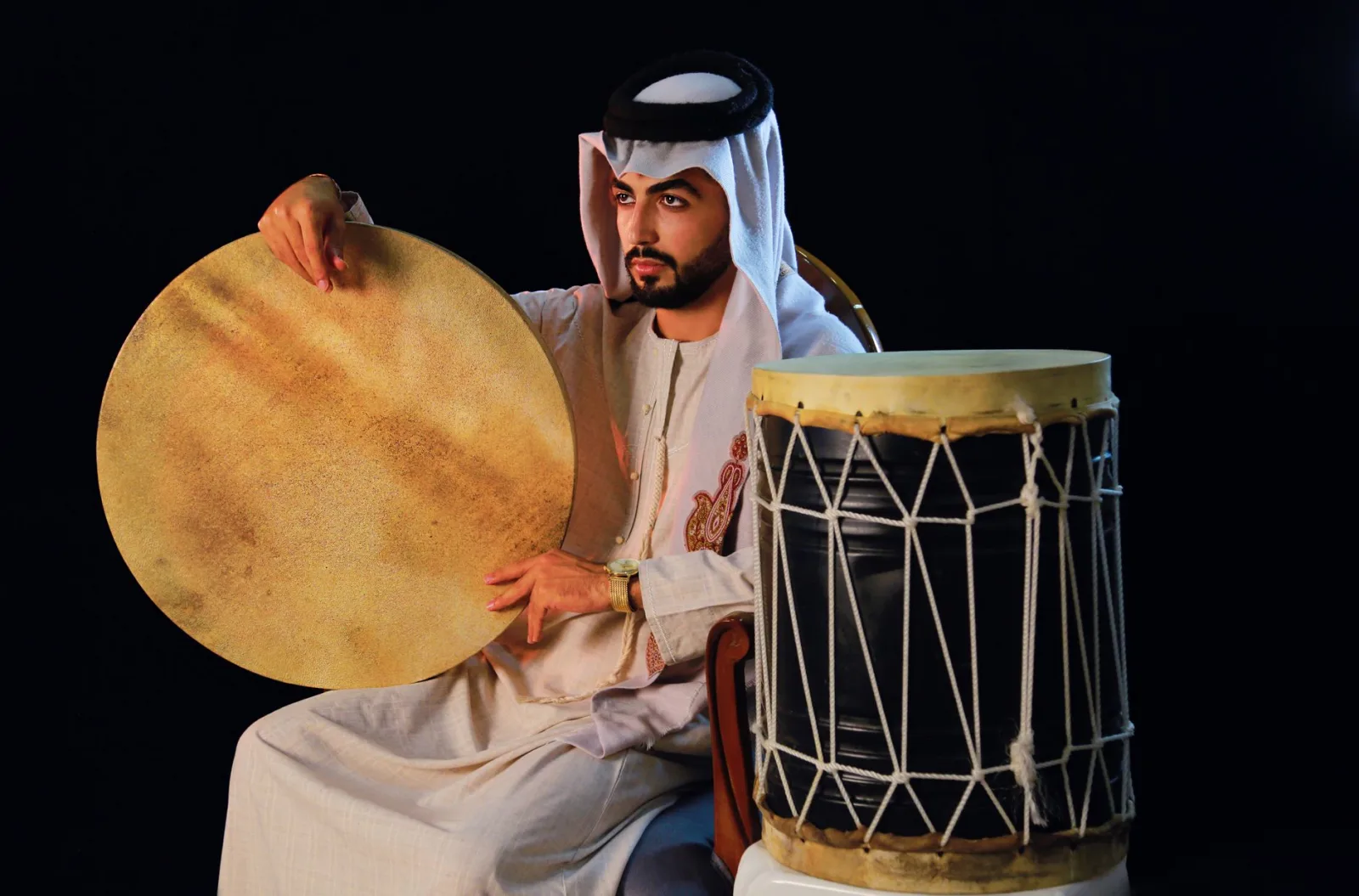
3. **Darbuka:** The percussive beats of the darbuka can energize or calm, depending on the rhythm. Engaging with its beats can also encourage physical movement, which is beneficial for mental health.
Cultural Significance and Community Healing
Traditional Arabian music often plays a pivotal role in community gatherings, providing a shared experience that fosters connection and healing. The following points highlight this significance:
1. **Cultural Festivals:** Events like the Hidden Cultural Festivals of the Arabian Peninsula showcase traditional music, bringing people together to celebrate their heritage and promote emotional healing.
2. **Storytelling:** Music often accompanies storytelling, making it a powerful tool for passing down wisdom and lessons. These narratives can provide comfort and insight into personal challenges.
3. **Community Bonding:** Participating in communal music sessions can create strong social bonds, which are essential for mental health. This is especially true in isolated communities where traditional music serves as a lifeline.
Tips for Incorporating Traditional Music into Your Life
To effectively harness the healing power of traditional Arabian music, consider the following tips:
1. **Curate Playlists:** Create playlists of your favorite traditional tracks that you can easily access during moments of stress or reflection.
2. **Join Community Groups:** Look for local groups that celebrate traditional Arabian music. Participating in gatherings can enhance your understanding and appreciation of the culture.
3. **Explore Online Resources:** Websites and platforms dedicated to traditional music can provide access to a wealth of knowledge, including instructional videos and cultural insights.
Conclusion: The Healing Journey Through Sound
Traditional Arabian music serves as a powerful form of sound therapy, deeply rooted in the culture and history of the region. By understanding its emotional resonances and applying its principles in your life, you can enhance your well-being and enrich your cultural appreciation. Engaging with this music not only heals the individual but also strengthens community ties, fostering a shared sense of belonging. Remember, the journey through sound is not just about listening; it’s about experiencing and connecting with the essence of life itself.