Exploring the Unseen Heritage Sites of the Arabian Peninsula: A Guide to Hidden Historical Treasures
By
Share
Understanding Hidden Heritage Sites
Hidden heritage sites refer to lesser-known locations that possess significant historical, cultural, or architectural value. These sites often go unnoticed by mainstream tourism, making them ideal for those seeking authentic experiences away from crowded attractions. In the context of the Arabian Peninsula, these hidden gems offer a glimpse into the region’s rich past, showcasing its diverse heritage and traditions.
Exploring hidden heritage sites is essential for several reasons. Firstly, these locations often highlight unique stories and cultures that are overshadowed by more popular tourist destinations. Additionally, visiting these sites supports local communities and economies. It allows you to engage with local traditions and practices, fostering a deeper understanding of the region. For instance, a visit to AlUla in Saudi Arabia reveals ancient rock art and Nabatean architecture, presenting a narrative that contrasts with the modernity of nearby cities.
2. Top Hidden Heritage Sites in the Arabian Peninsula
Here are some hidden heritage sites worth exploring:
2.1 AlUla, Saudi Arabia
AlUla is renowned for its ancient tombs and rock formations. The area was once a vital stop along the incense trade route, connecting ancient civilizations. When visiting, take time to explore the UNESCO World Heritage site of Madain Saleh, where you can find remarkable rock-cut tombs dating back to the Nabatean kingdom.
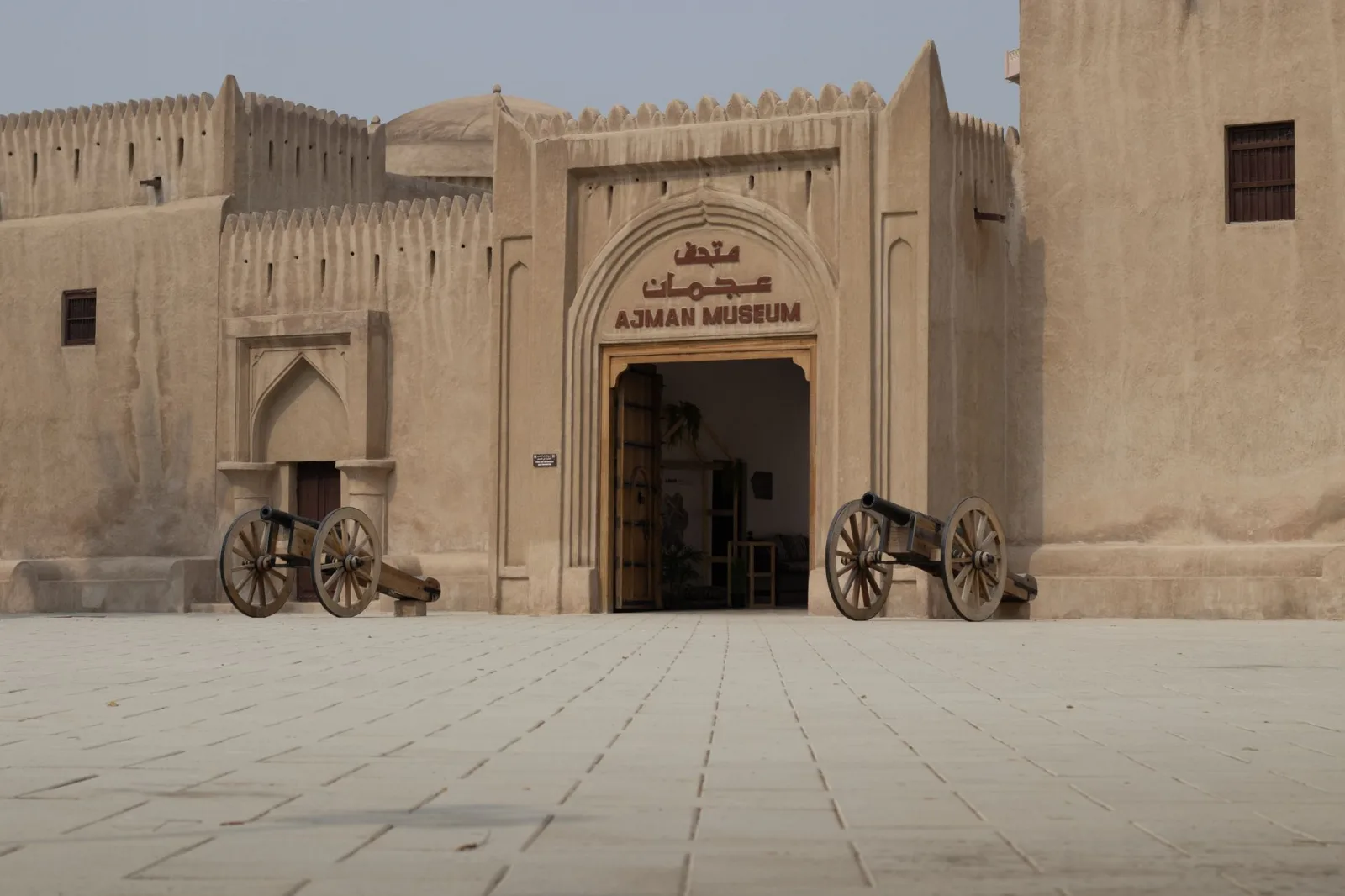
📷 MAMADO UAE – Pexels
2.2 Al-Qatt Al-Asiri, Saudi Arabia
This vibrant art form is practiced in the Asir region. Al-Qatt Al-Asiri, recognized by UNESCO, involves intricate wall paintings that depict everyday life and cultural heritage. Engaging with local artisans here provides insight into the traditions that have shaped this community for generations.
2.3 The Qasr Al-Hosn, Abu Dhabi, UAE
While many tourists flock to modern attractions in Abu Dhabi, Qasr Al-Hosn remains a lesser-known gem. This fort, dating back to the 18th century, serves as a symbol of the UAE’s heritage. Exploring its exhibits will deepen your understanding of the region’s history and cultural evolution.
2.4 The Ancient City of Shibam, Yemen
Shibam, often referred to as the ‘Manhattan of the Desert,’ features a unique collection of mudbrick skyscrapers. This ancient city showcases traditional Yemeni architecture and has been a UNESCO World Heritage site since 1982. Ensure you explore its narrow alleys and interact with locals to appreciate this living heritage.
2.5 The Fort of Muscat, Oman
Muscat’s forts, including the imposing Al Jalali and Al Mirani, tell stories of Oman’s maritime history. These structures, set against a stunning coastal backdrop, provide a glimpse into Oman’s past as an important trading hub. Visiting these forts offers a unique perspective on the strategic importance of the region.
3. How to Plan Your Journey to These Hidden Gems
When planning your visit to hidden heritage sites, consider the following steps:
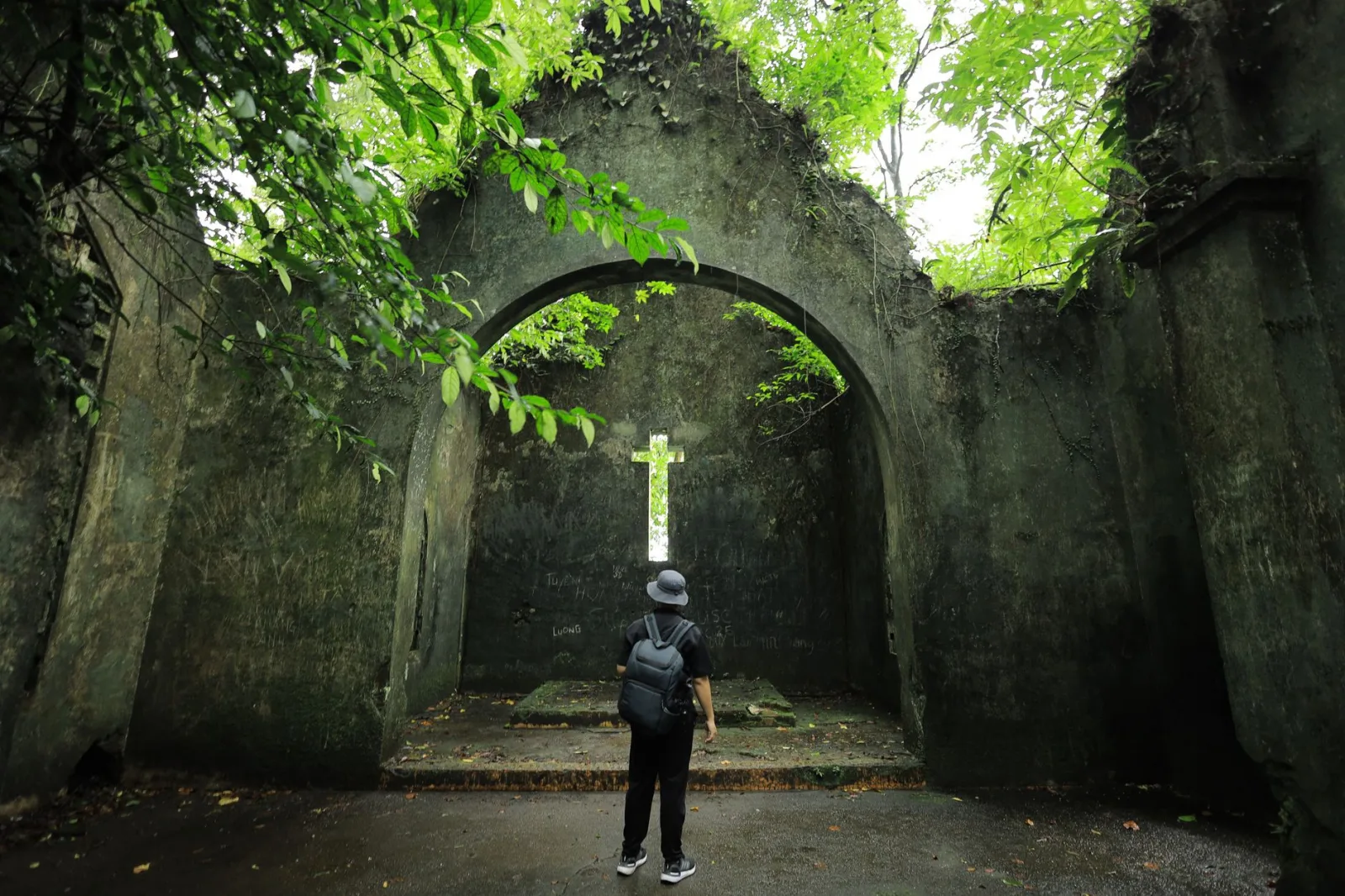
📷 Hồng Quang Official – Pexels
3.1 Research Your Destination
Start by researching the hidden heritage sites in the particular region you wish to explore. Websites, travel blogs, and local tourism boards often provide valuable insights. For instance, learning about the historical context of AlUla can enhance your visit significantly.
3.2 Connect with Local Guides
Hiring a local guide can enrich your experience, as they offer firsthand knowledge and insights that you may not find in guidebooks. Look for tours that emphasize cultural immersion and responsible tourism practices.
3.3 Be Respectful of Local Customs
Each heritage site has its own cultural significance. Always be mindful of local customs and traditions. For example, when visiting religious sites, dress modestly and act respectfully.
3.4 Plan for Flexibility
Hidden gems may not have the same level of infrastructure as major tourist spots. Be prepared for unexpected changes or limited amenities. Flexibility in your itinerary can lead to unforeseen adventures and deeper connections with local cultures.
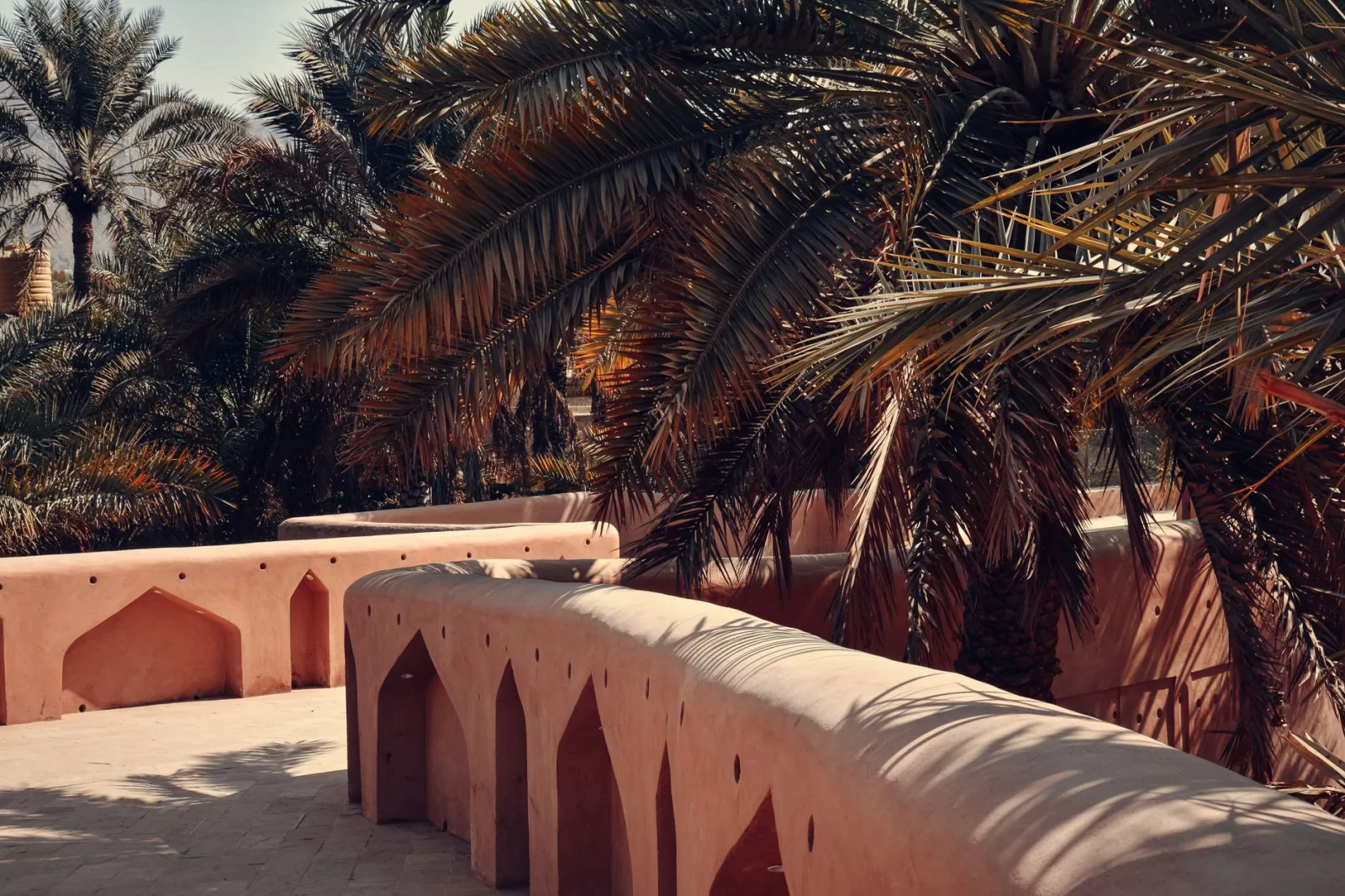
📷 Reyyan – Pexels
4. Practical Tips for Visiting Hidden Heritage Sites
To get the most out of your visits, keep these practical tips in mind:
4.1 Timing Your Visit
Consider visiting during off-peak seasons to avoid crowds. Many hidden heritage sites are more enjoyable when you can explore without the hustle of large tourist groups. Early mornings or late afternoons can also provide better light for photography.
4.2 Staying Hydrated and Prepared
Especially in the Arabian Peninsula, it’s essential to stay hydrated. Carry water and snacks, and wear comfortable shoes for walking. Some sites may require trekking or walking on uneven terrain.
4.3 Documentation and Respect for Preservation
Take photographs, but always check for any restrictions regarding photography. Many heritage sites have strict guidelines to preserve their integrity. Remember that your actions contribute to the preservation of these cultural treasures.
5. The Role of Hidden Heritage Sites in Cultural Identity
Hidden heritage sites play a crucial role in shaping cultural identity. They serve as physical reminders of a region’s history and traditions. By visiting and advocating for these sites, you help to preserve their stories for future generations. Engaging with local communities can foster appreciation for their heritage, encouraging the continuation of traditional practices.
6. Conclusion: Embrace the Journey of Discovery
Exploring hidden heritage sites in the Arabian Peninsula offers a unique opportunity to connect with the region’s rich history and culture. By venturing beyond mainstream tourism, you can uncover a tapestry of stories and traditions that enrich your travel experience. Remember to approach these sites with respect and an open mind, and you’ll likely leave with a deeper appreciation for the world’s diverse cultural landscapes. For more insights on other hidden treasures, check out articles like Exploring the Hidden Wonders of Saudi Arabia’s Far North and Unveiling the Hidden Festivals of the Arabian Peninsula.