





Understanding Rock Formations
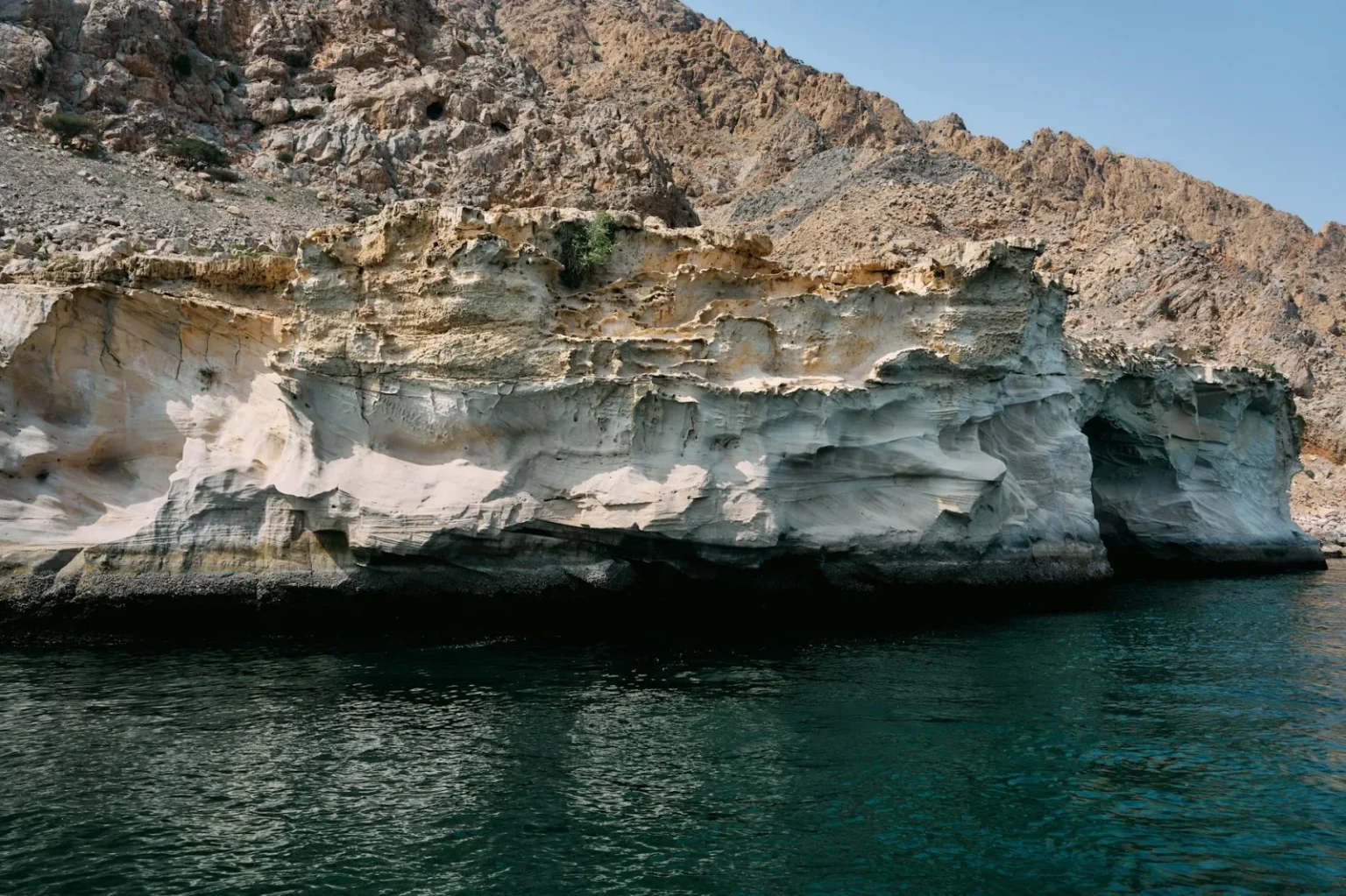
Rock formations are natural structures created by geological processes over millions of years. They can range from small outcrops to massive mountain ranges. The Arabian Peninsula is home to some of the most fascinating rock formations, shaped by erosion, tectonic activity, and climatic changes. To appreciate these formations, you need to recognize their significance in understanding the Earth’s history.
The Geological Diversity of the Arabian Peninsula
The Arabian Peninsula boasts a variety of geological features, primarily due to its diverse climate and topography. From the vast deserts of Saudi Arabia to the mountainous terrain of Oman, each region has unique rock formations. For instance, the Asir Mountains in southwestern Saudi Arabia are known for their rugged cliffs and stunning vistas, while the Hajar Mountains in Oman contain some of the oldest rocks in the world. Exploring these geological wonders can provide insights into the region’s past and its natural evolution.
Notable Rock Formations to Explore
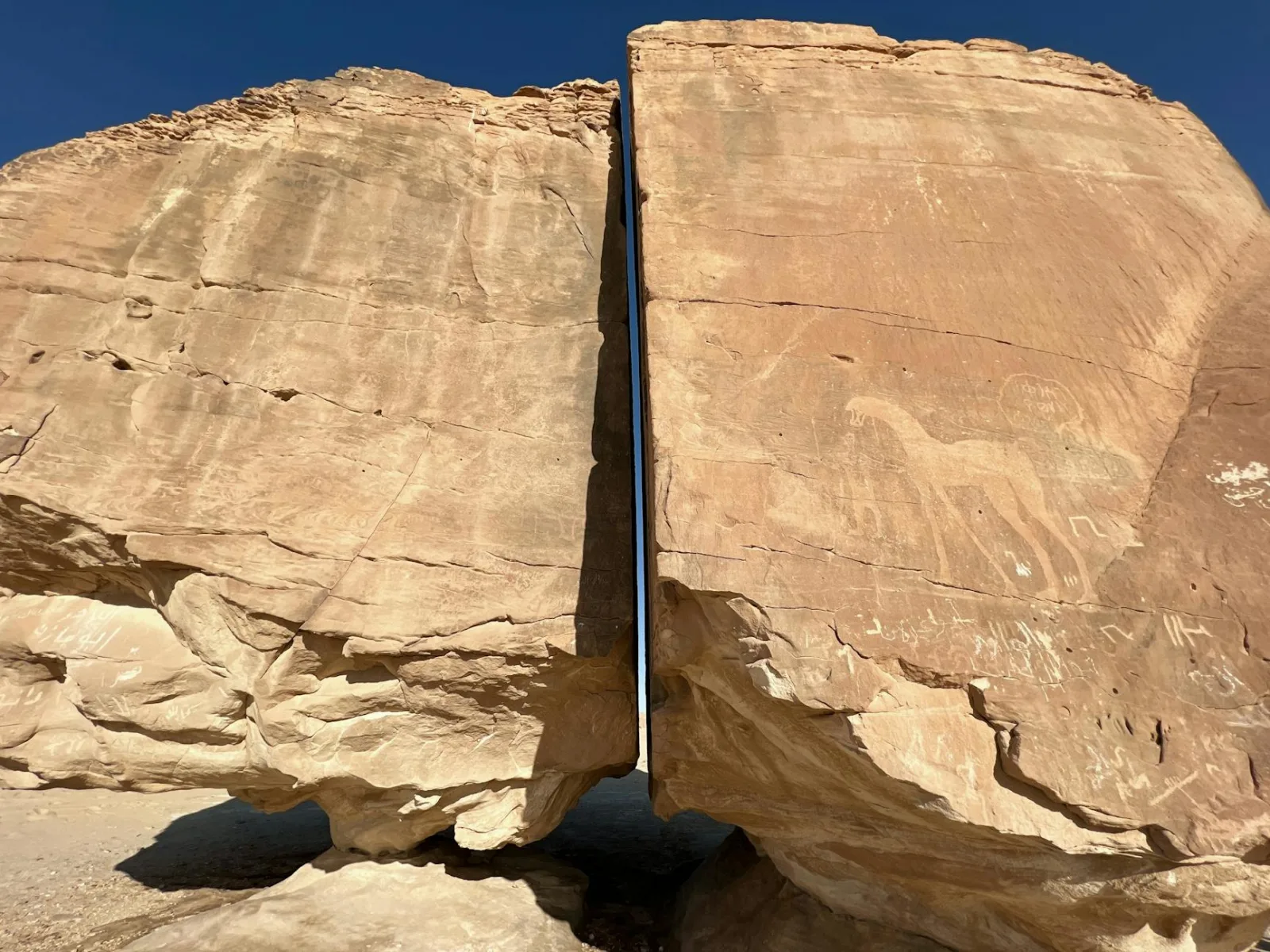
Several rock formations throughout the Arabian Peninsula stand out due to their unique shapes and historical significance. Here are a few you should consider visiting:
- Jebel Shams: Known as the “Grand Canyon of Oman,” Jebel Shams features dramatic cliffs and deep canyons. Hiking in this area offers breathtaking views and a chance to observe the diverse flora and fauna.
- Wadi Rum: This protected desert wilderness in Jordan is famous for its towering sandstone mountains and unique rock arches. The landscape has inspired countless films and offers endless opportunities for exploration.
- The Edge of the World: Located near Riyadh, this natural wonder offers stunning views over the surrounding plains. The dramatic cliffs, formed by erosion, provide a perfect backdrop for photography and introspection.
How Rock Formations Are Formed
To understand rock formations better, it’s essential to grasp the processes involved in their creation. Most rock formations undergo a series of stages:
- Weathering: This involves the breakdown of rocks due to environmental factors such as wind, water, and temperature changes. Over time, the rock becomes fragmented.
- Erosion: Erosion occurs when these fragments are transported by elements like water and wind, reshaping the landscape.
- Deposition: Eventually, sediments settle and form new rock layers, leading to the development of new formations.
Understanding these processes helps you appreciate the time and forces that have shaped the landscapes you visit.
Hidden Nature Spots in the Arabian Peninsula
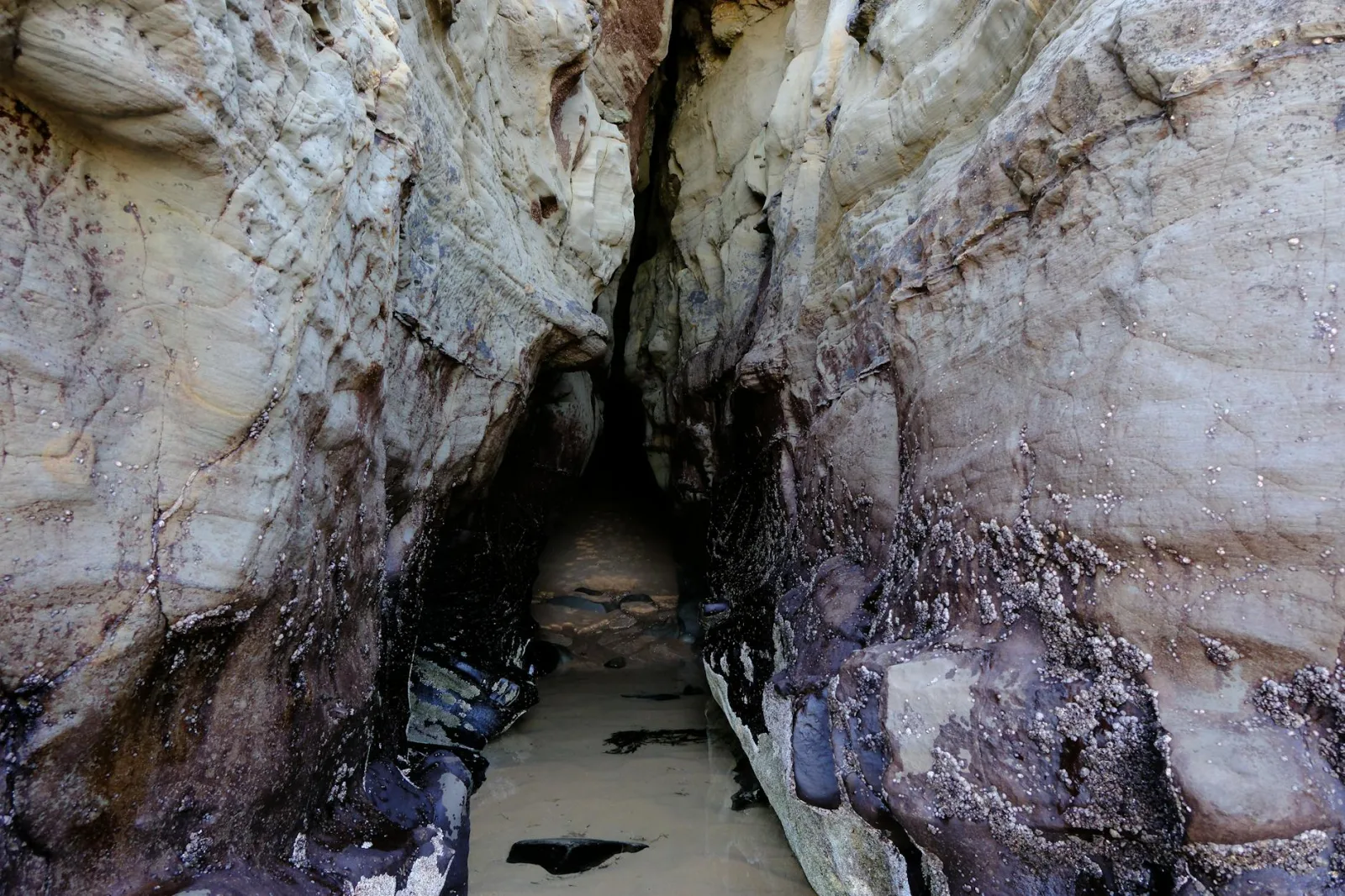
The Arabian Peninsula is dotted with hidden nature spots that showcase stunning rock formations away from the usual tourist trails. Here are a few to consider:
- Riyadh’s Hidden Oases: Tucked away in the desert, these lush oases offer respite and unique rock formations. Explore them to discover a quieter side of Saudi Arabia.
- Al Hajar Mountains: This mountain range in Oman offers secluded valleys and cliffs that are perfect for hiking and rock climbing. The serenity of these hidden spots makes for an excellent escape.
- Wadi Bani Khalid: Known for its stunning blue water pools surrounded by rocky cliffs, this location is perfect for a day of relaxation and exploration.
Practical Tips for Exploring Rock Formations
When planning your exploration of rock formations in the Arabian Peninsula, consider these practical tips:
- Research Your Destinations: Look into the specific rock formations you want to visit. Understanding their history and significance can enhance your experience.
- Stay Hydrated: The climate can be harsh, so carry enough water, especially when hiking.
- Respect Nature: Follow local guidelines, and avoid damaging the formations. Leave no trace to preserve these beautiful spots for future generations.
- Go with a Guide: In some areas, hiring a local guide can provide deeper insight into the geological features and cultural significance of the region.
The Cultural Significance of Rock Formations
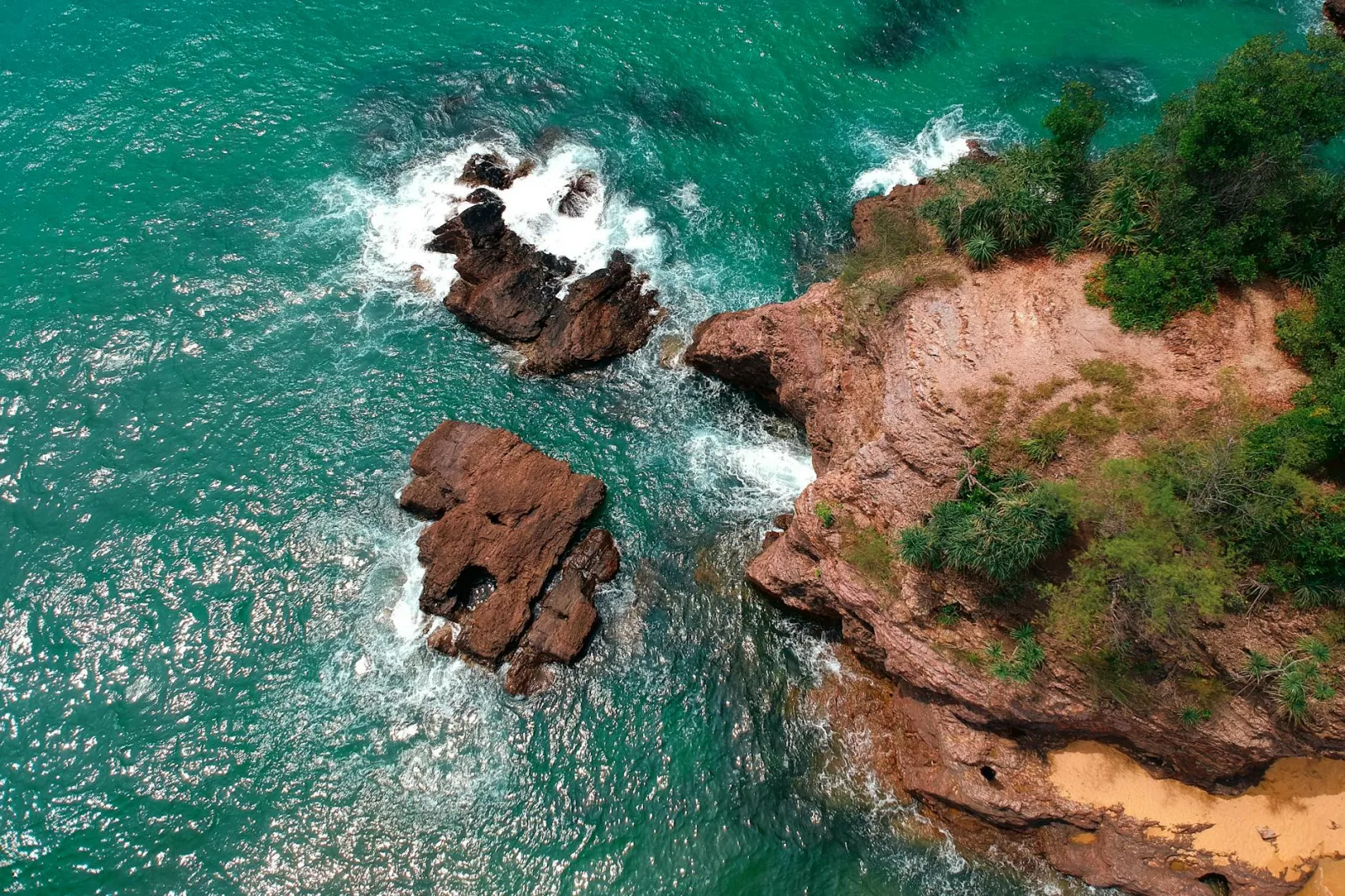
Rock formations in the Arabian Peninsula are not just geological wonders; they hold cultural significance as well. Many formations are tied to local legends or historical events. For example, Jebel Misht in Oman is often linked to ancient tales and provides insights into the region’s folklore. Understanding these cultural narratives adds another layer to your exploration and appreciation of the sites.
Conclusion: Key Takeaways
Exploring the enigmatic rock formations of the Arabian Peninsula allows you to connect with nature and understand the Earth’s geological history. From the formation processes to the cultural stories they hold, each rock structure offers a glimpse into a world shaped by time and elements. As you plan your journey, remember to respect nature, stay informed, and embrace the beauty of these hidden gems. Whether it’s the towering cliffs of Jebel Shams or the serene oases of Riyadh, the rock formations in this region await your discovery.