





1. Understanding Hidden Architecture
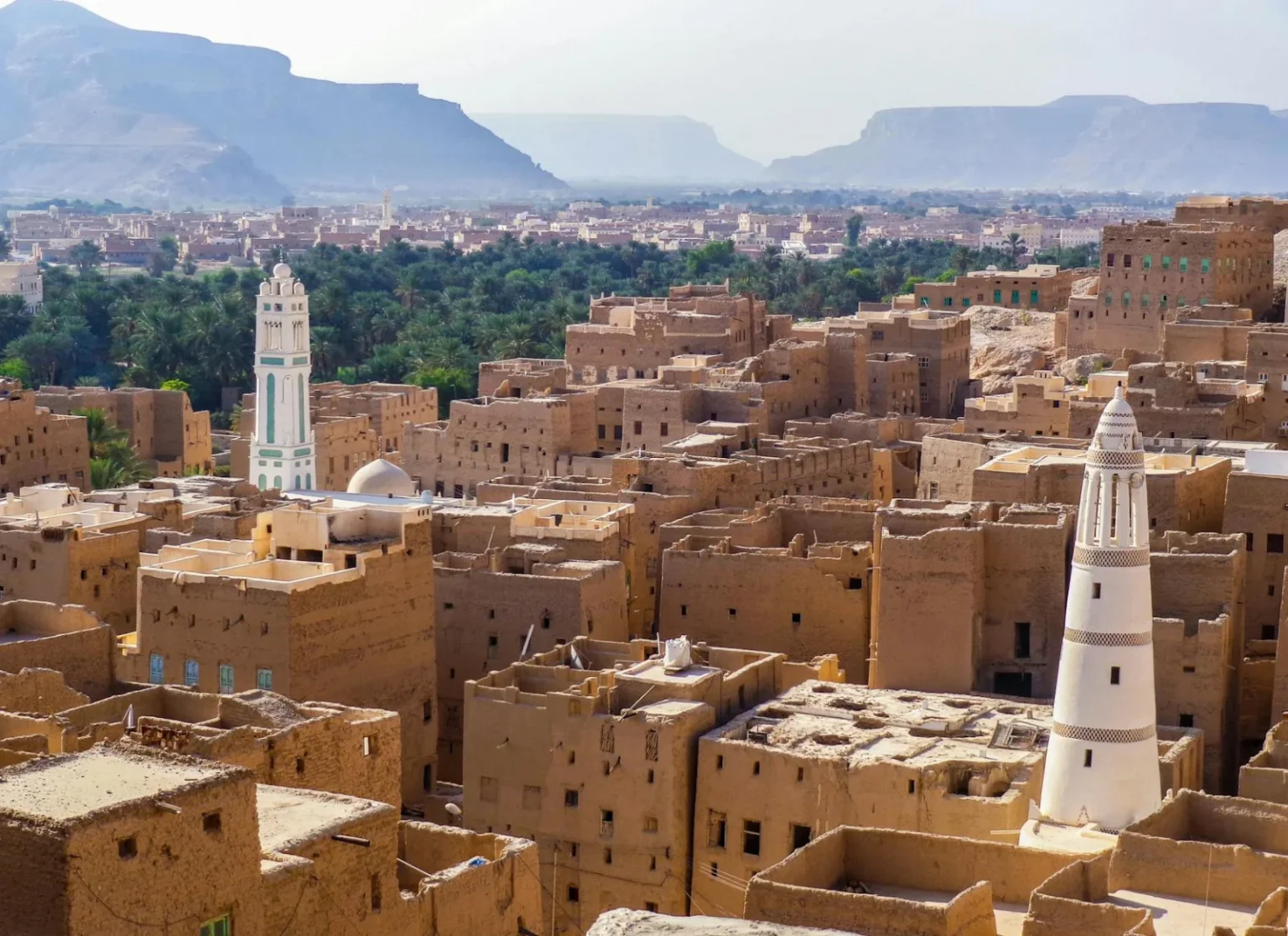
Hidden architecture refers to buildings and structures that, while not widely recognized, hold significant historical and cultural value. In the Arabian Peninsula, this includes ancient forts, traditional mud-brick houses, and even forgotten temples, each telling a story of the region’s diverse past. Understanding this concept helps you appreciate the layers of history that may not be immediately visible, encouraging deeper exploration.
2. The Rich Cultural Heritage of the Arabian Peninsula
The Arabian Peninsula is home to a wealth of cultural heritage shaped by its location at the crossroads of trade routes. This convergence has produced a unique architectural landscape that reflects various influences over centuries. For instance, the traditional architecture of Yemen, particularly in cities like Sana’a, showcases intricate wooden latticework and towering minarets that speak to both Islamic and pre-Islamic influences. By recognizing these elements, you can better grasp the significance of hidden architecture in preserving cultural identity.
3. Lesser-Known Sites to Explore
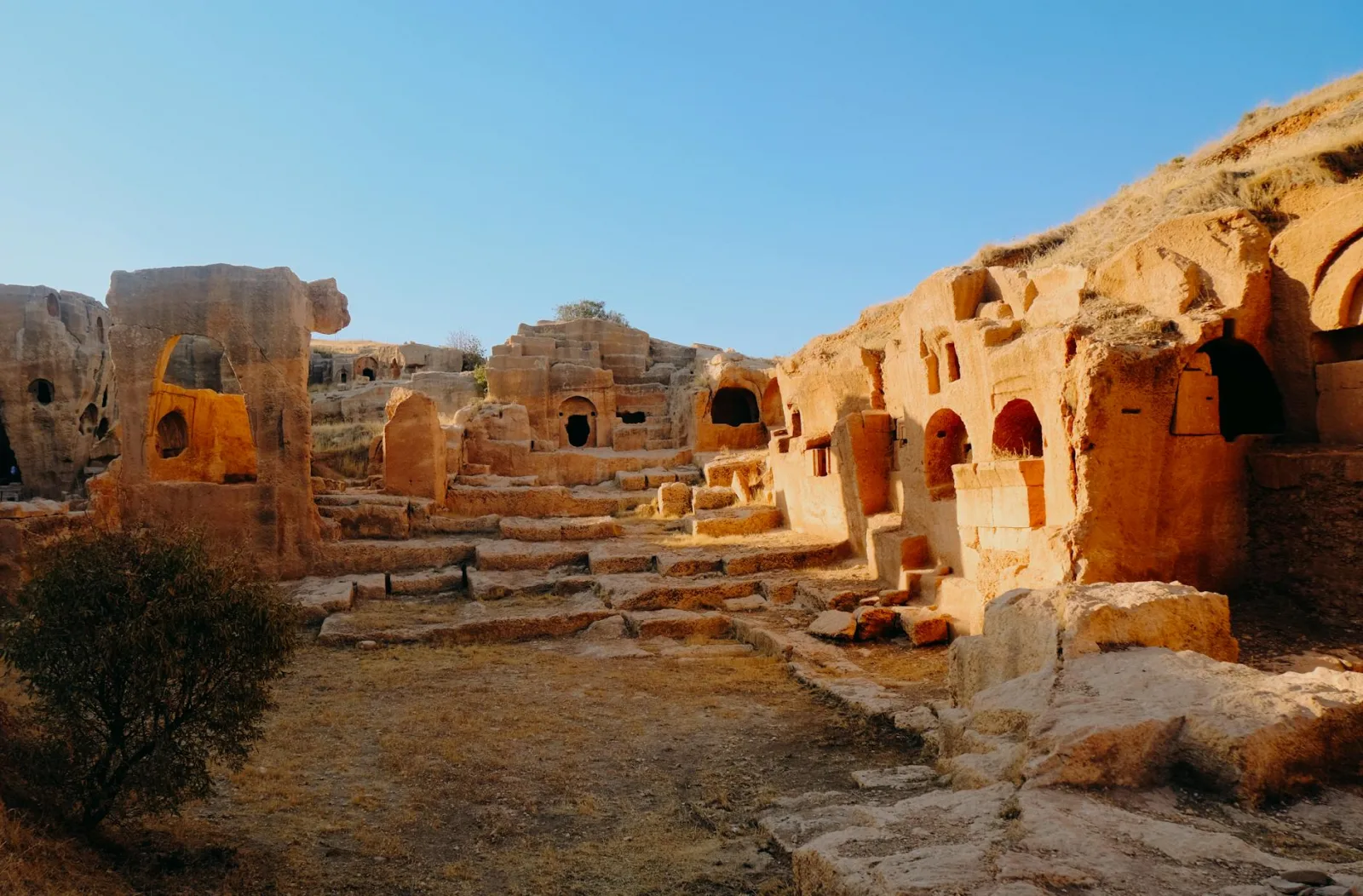
While many travelers flock to famous landmarks, the Arabian Peninsula has numerous lesser-known sites that deserve attention:
- Al-Ula, Saudi Arabia: Known for its stunning rock formations, Al-Ula is also home to Madain Salih, an ancient Nabatean city often overshadowed by Petra. Here, you can explore intricately carved tombs and archaeological sites.
- Shibam, Yemen: Often referred to as the “Manhattan of the Desert,” Shibam features mud-brick skyscrapers, some dating back to the 16th century. This unique urban design is a remarkable example of traditional Yemeni architecture.
- Al Jazeera, Oman: This historic town offers a glimpse into Oman’s maritime past. Its old forts and traditional houses provide insight into the region’s architectural evolution shaped by trade.
4. Steps to Discover Hidden Architectural Gems
To uncover the hidden architecture of the Arabian Peninsula, follow these steps:
- Research Local Histories: Before visiting, spend time learning about the region’s history. Understand the cultural influences that shaped the architecture.
- Engage with Local Guides: Hiring a local guide can provide invaluable insights. They can share stories and lesser-known facts that enhance your understanding.
- Visit Museums and Cultural Centers: Many cities have museums that showcase historical artifacts and architectural models. These can provide context for what you see on-site.
- Explore Off the Beaten Path: Don’t hesitate to venture beyond tourist hotspots. Ask locals for suggestions on hidden sites that may not be in guidebooks.
5. The Importance of Preservation
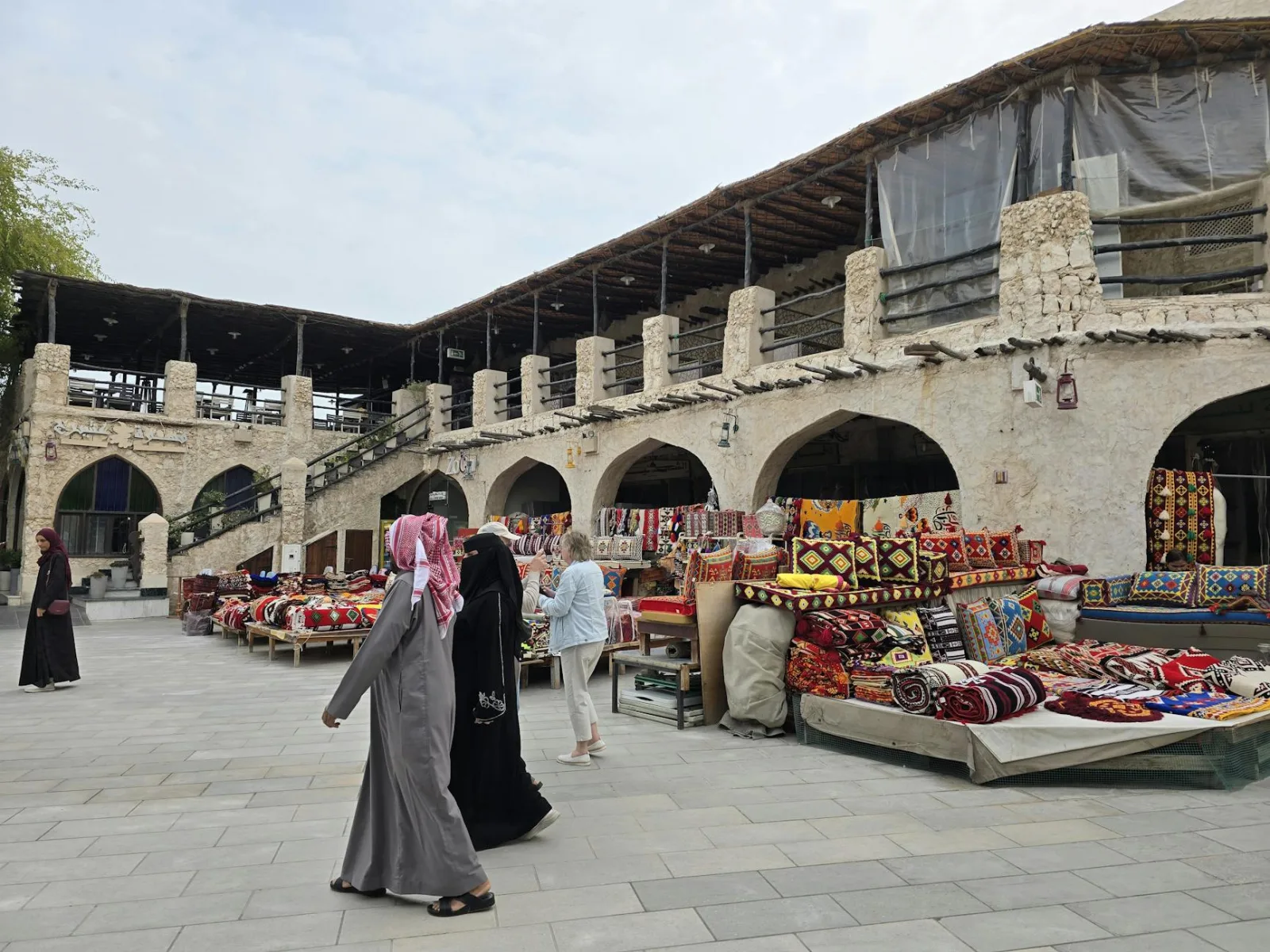
Preserving hidden architecture is crucial for maintaining cultural heritage. Many of these sites are at risk due to neglect, urban development, or environmental factors. Efforts to protect these treasures often involve local communities, NGOs, and governments working together. You can support these initiatives by visiting responsibly and advocating for conservation efforts. Important note: Always respect local customs and regulations while exploring these sites.
6. Modern Interpretations of Traditional Designs
Some contemporary architects in the Arabian Peninsula draw inspiration from traditional designs, merging old and new. For instance, the use of local materials and sustainable practices in modern buildings reflects a respect for the region’s architectural heritage. This blend of styles can be seen in projects like the King Abdulaziz Center for World Culture, which incorporates traditional motifs while embracing modern functionality. Recognizing these innovations helps you appreciate how hidden architecture influences contemporary design.
7. Key Takeaways
As you embark on this journey through the hidden architectural wonders of the Arabian Peninsula, remember these points:
- Hidden architecture offers insights into the region’s diverse cultural heritage.
- Lesser-known sites like Al-Ula and Shibam are essential for understanding the architectural landscape.
- Engaging with local guides and communities enriches your experience and supports preservation efforts.
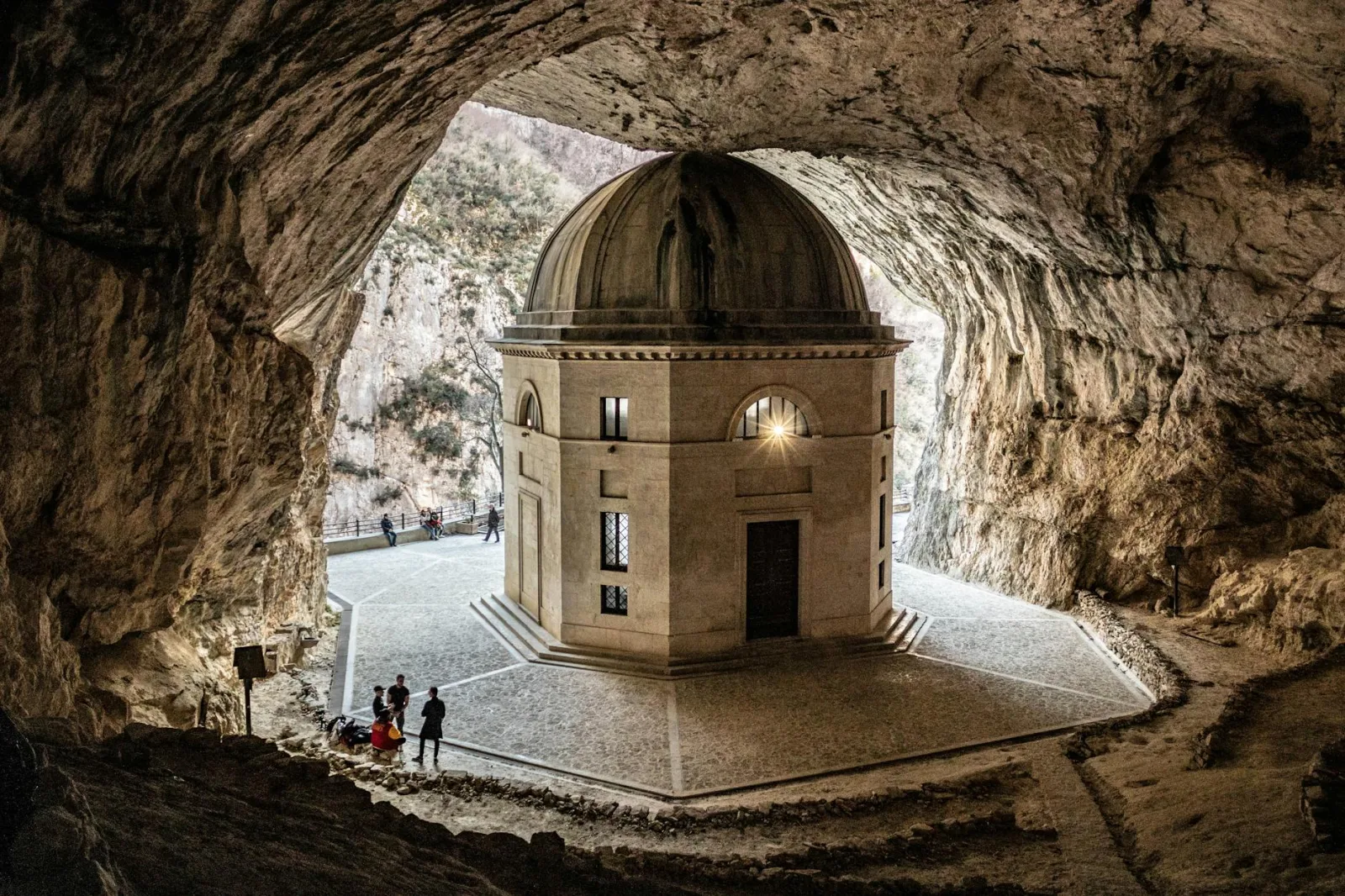
- Modern architecture can reflect traditional designs, showcasing a continuous dialogue between past and present.
In conclusion, the Arabian Peninsula is a treasure trove of hidden architectural wonders waiting to be explored. By taking the time to seek out these lesser-known sites, you not only enrich your travel experience but also contribute to the preservation of cultural heritage. So, pack your bags and immerse yourself in the stories that these remarkable buildings have to tell.