





Understanding Egypt’s Sacred Sites
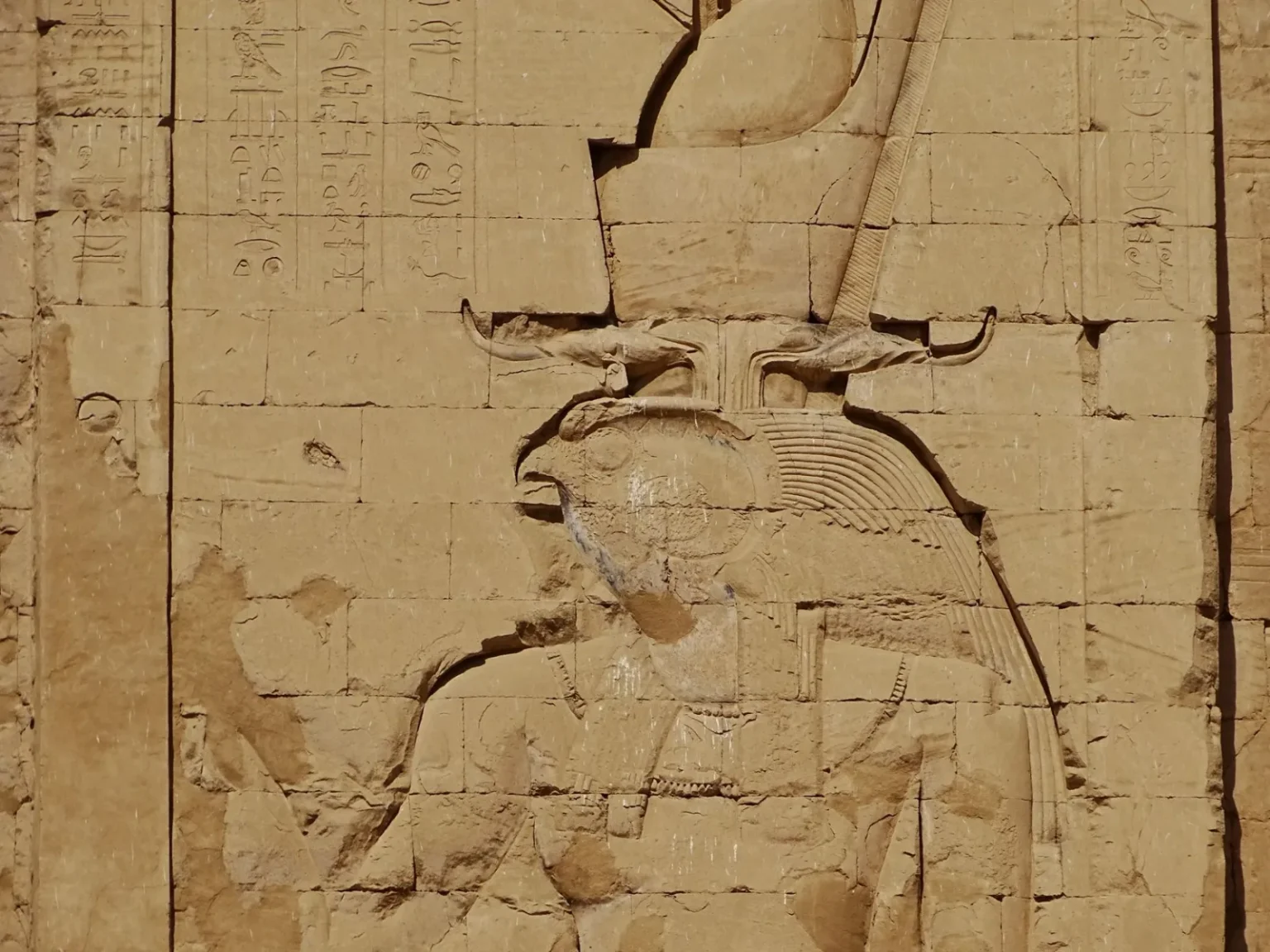
Egypt is a land steeped in rich spiritual history, with sacred sites that attract pilgrims and spiritual seekers from around the globe. These sites, often tied to ancient religions and practices, hold significance not just for their historical value but also for their spiritual resonance. From the awe-inspiring pyramids to the serene temples, Egypt’s sacred sites invite you to embark on a journey of discovery and reflection.
Why Pilgrimages in Egypt Matter
Pilgrimages in Egypt are not merely about visiting ancient structures; they represent a deeper quest for meaning and connection. Many travelers find that these sacred locations foster a sense of peace and introspection. For example, visiting the Temple of Karnak allows you to walk through halls that echo with the prayers of the past, encouraging you to reflect on your own spiritual path.
Top Sacred Sites to Consider for Your Journey
When planning your spiritual journey, consider the following sacred sites that are frequently visited by pilgrims:
1. The Great Pyramids of Giza
These iconic structures are not just architectural wonders but also spiritual beacons. Many believe that the pyramids serve as gateways to the afterlife, embodying the ancient Egyptians’ beliefs in immortality. It’s common for visitors to meditate near the Sphinx, a practice that connects them to the energies of the site.
2. Abu Simbel
Carved out of a mountainside, the temples of Abu Simbel are dedicated to Ramses II and the goddess Hathor. The grandeur of this site often leaves visitors in awe. Important note: Arriving at sunrise allows you to witness the temples lit by the first rays of light, a truly spiritual experience.
3. The Temple of Karnak
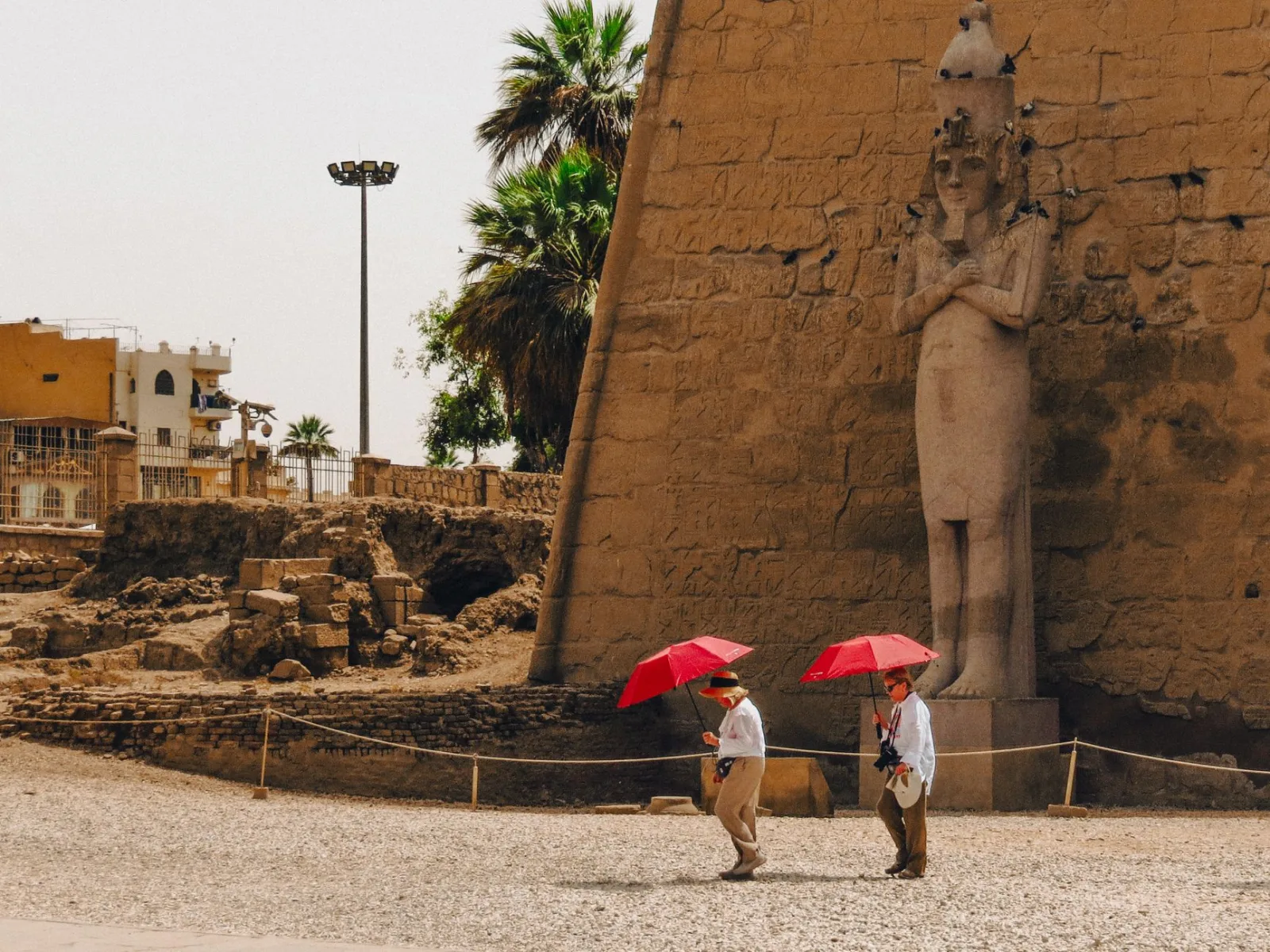
Covering over 200 acres, Karnak is one of the largest religious complexes in the world. Walking through its majestic halls gives a sense of the ancient rituals that once took place here. Pro tip: Join a guided tour to fully appreciate the history and significance of each section.
4. The Valley of the Kings
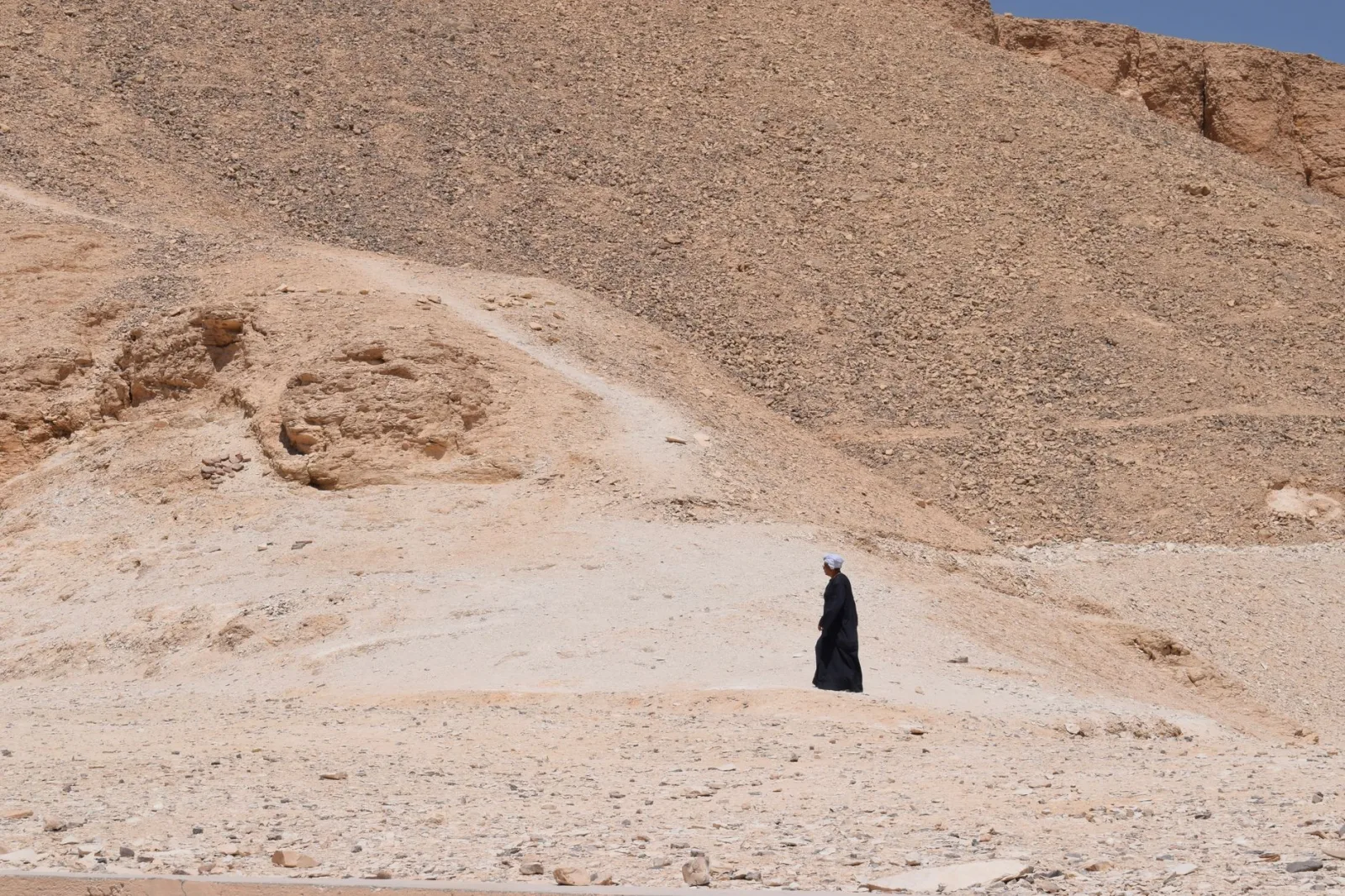
This burial site of pharaohs is a must-visit for those interested in the afterlife beliefs of ancient Egyptians. Each tomb is a testament to the belief in life after death, revealing intricate decorations and hieroglyphs. Common mistake: Don’t rush through; take your time to absorb the spiritual atmosphere.
5. Mount Sinai
Traditionally believed to be the mountain where Moses received the Ten Commandments, this site attracts many who seek spiritual enlightenment. The hike up the mountain, especially at dawn, is considered a transformative experience. Warning: The ascent can be challenging, so ensure you’re physically prepared.
Planning Your Spiritual Journey
When planning your journey through Egypt’s sacred sites, consider the following steps:
- Research Your Destinations: Look up the specific significance of each site to enrich your visit.
- Consider Local Guides: Hiring a knowledgeable guide can enhance your understanding and experience.
- Dress Respectfully: Many sacred sites have dress codes. Ensure that you wear attire that reflects the reverence of the locations.
- Stay Hydrated: Egypt’s climate can be harsh, especially during the summer months. Carry water to stay hydrated during your explorations.
- Practice Mindfulness: Take moments to meditate or reflect at each site. This can deepen your spiritual experience.
Cultural Etiquette at Sacred Sites
Understanding cultural etiquette is crucial when visiting Egypt’s sacred sites. Here are some essential dos and don’ts:
- Do: Show respect during prayers or rituals taking place.
- Do: Ask permission before taking photographs, especially of locals or religious ceremonies.
- Don’t: Engage in loud conversations or disruptive behavior that may disturb others.
- Don’t: Touch artifacts unless explicitly permitted, as this can be disrespectful.
Connecting with Local Spiritual Practices
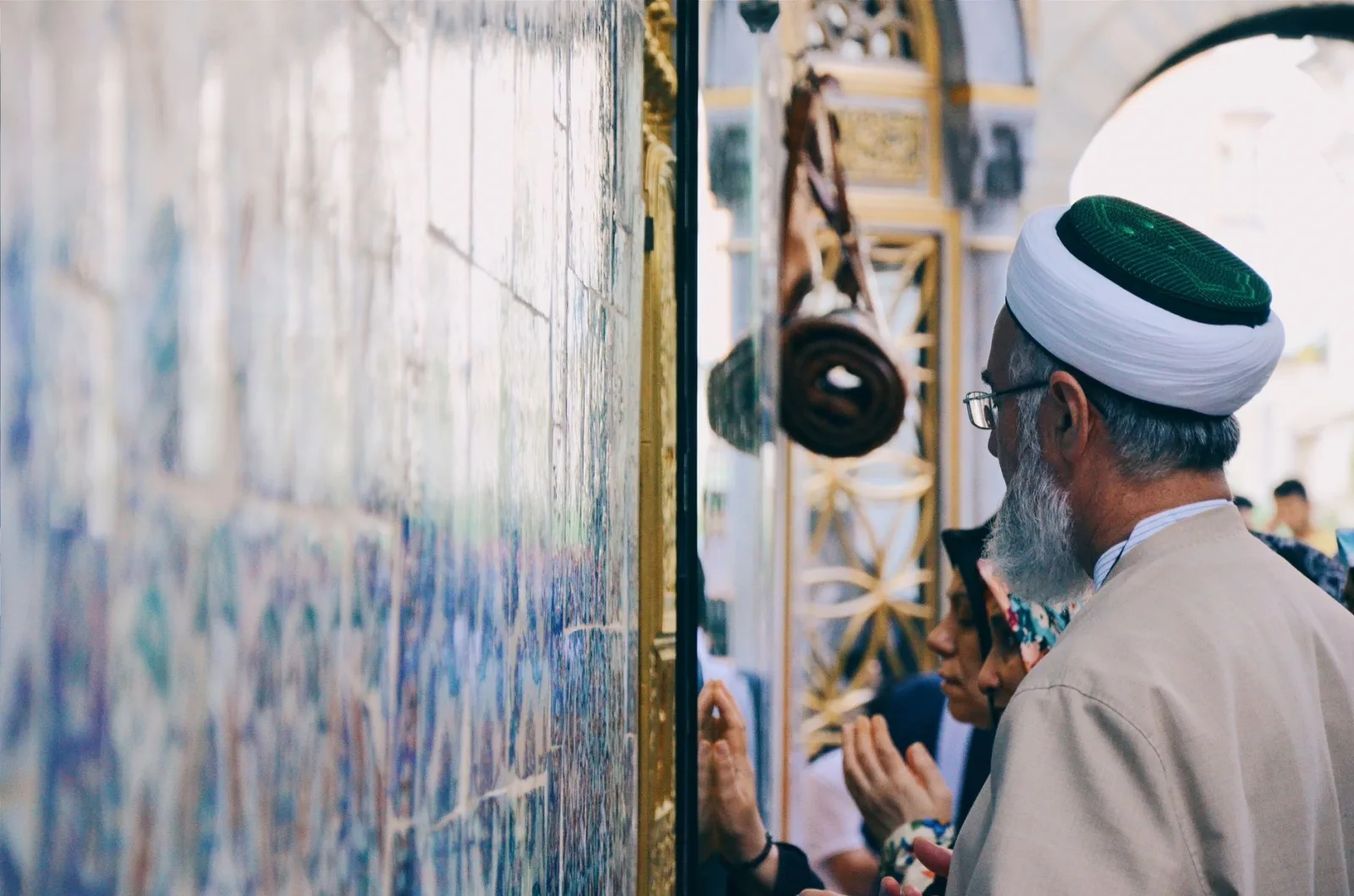
To deepen your experience, consider engaging with local spiritual practices. Many sacred sites offer workshops or guided meditations that allow you to connect with the local culture. Participating in a traditional ceremony can provide insight into the spiritual beliefs that have shaped Egypt over millennia.
Safety Tips for Spiritual Travelers
While Egypt is generally safe for travelers, it’s important to remain vigilant, especially when visiting crowded areas. Here are some safety tips:
- Stay Alert: Keep an eye on your belongings and be aware of your surroundings.
- Travel in Groups: If possible, travel with others, especially when visiting more remote sacred sites.
- Follow Local Guidelines: Always adhere to posted rules and regulations at sacred sites.
Key Takeaways
Egypt’s sacred sites offer profound opportunities for spiritual journeys and pilgrimages. By understanding the significance of these locations, respecting local customs, and preparing adequately, you can enhance your experience. Remember, this journey is not just about the destinations but also about the reflections and insights you gather along the way. For additional insights on spiritual journeys in Egypt, consider exploring Navigating Egypt’s Spiritual Retreats for wellness escapes that can complement your pilgrimage. Safe travels!