Exploring Egypt’s Hidden Agricultural Heritage: A Guide to Traditional Farming Practices and Local Markets
By
Share
Understanding Egypt’s Agricultural Landscape
Egypt agriculture is steeped in history, shaped by the fertile Nile River and its surrounding regions. Farming has been a cornerstone of Egyptian life for millennia. The agriculture here is not just about food production; it reflects cultural practices, community life, and economic stability. Understanding this landscape is crucial if you want to appreciate the intricacies of local markets and traditional farming.
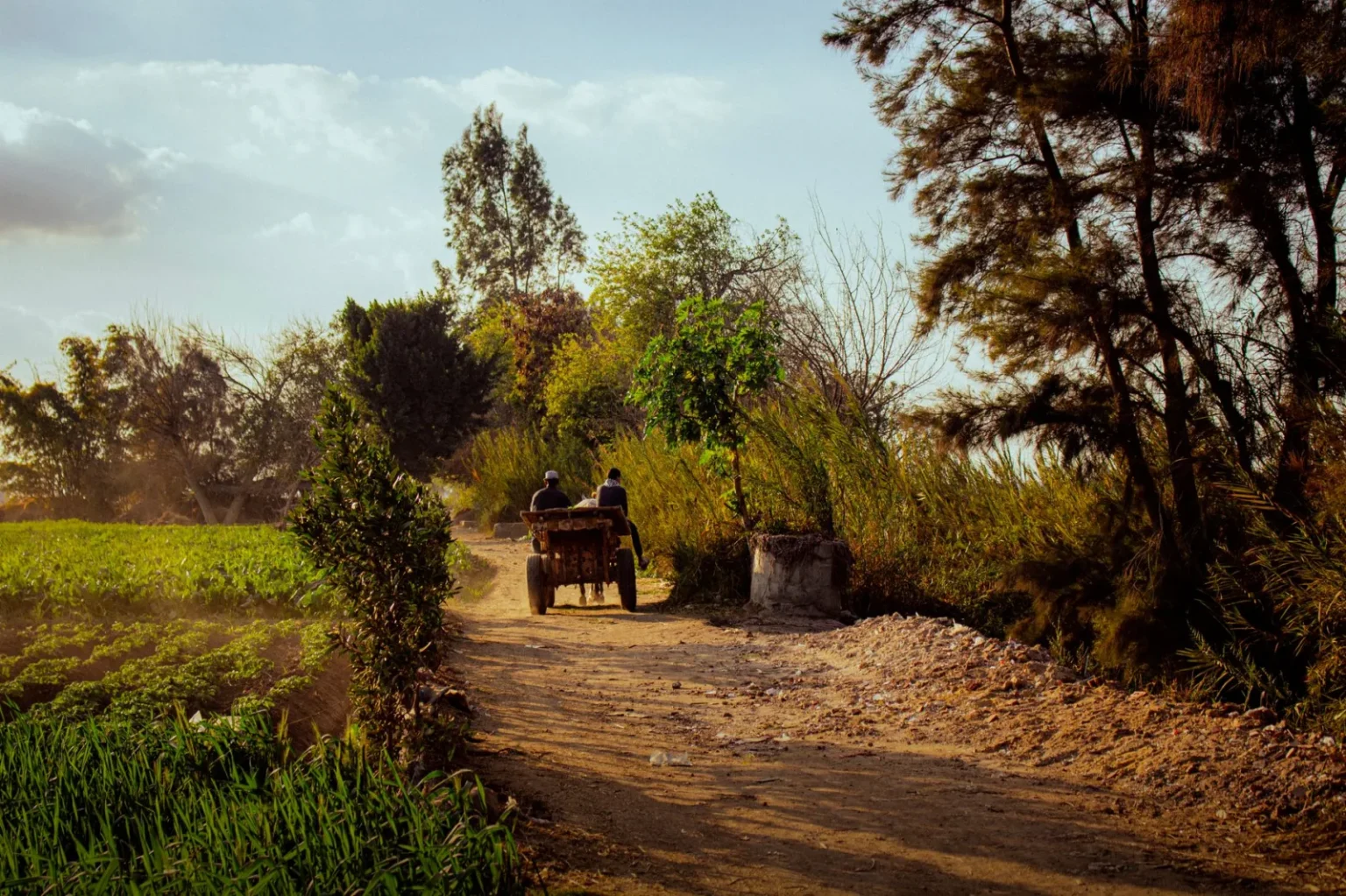
Firstly, the Nile River plays a vital role in Egypt’s agriculture. Its annual flooding historically deposited nutrient-rich silt along its banks, creating fertile land for farming. This natural irrigation system is a key reason why crops thrive in this otherwise arid region. For example, farmers in the Nile Delta primarily cultivate rice, wheat, and cotton, showcasing the adaptability of agriculture to local conditions.
📷 irwan zahuri – Pexels
Traditional Farming Practices in Egypt
Traditional farming practices in Egypt reflect not just a way of life but also sustainable techniques honed over generations. Many farmers still use ancient methods, despite modern influences. Here are a few traditional practices:
Crop Rotation: This involves alternating different crops in a specific sequence on the same land to maintain soil fertility. For instance, after harvesting wheat, a farmer might plant legumes, which can fix nitrogen in the soil.
Animal Husbandry: Integrated farming is prevalent. Farmers often raise livestock alongside crops. Cattle provide manure that enriches the soil, while the crops feed the animals, creating a sustainable cycle.
Natural Pest Control: Instead of relying on chemical pesticides, many farmers use natural predators or companion planting to manage pests. For example, marigolds are often planted alongside vegetables to deter harmful insects.
These practices not only help in sustaining the environment but also ensure that farming remains a community-oriented activity.
Local Markets: The Heart of Egyptian Agriculture
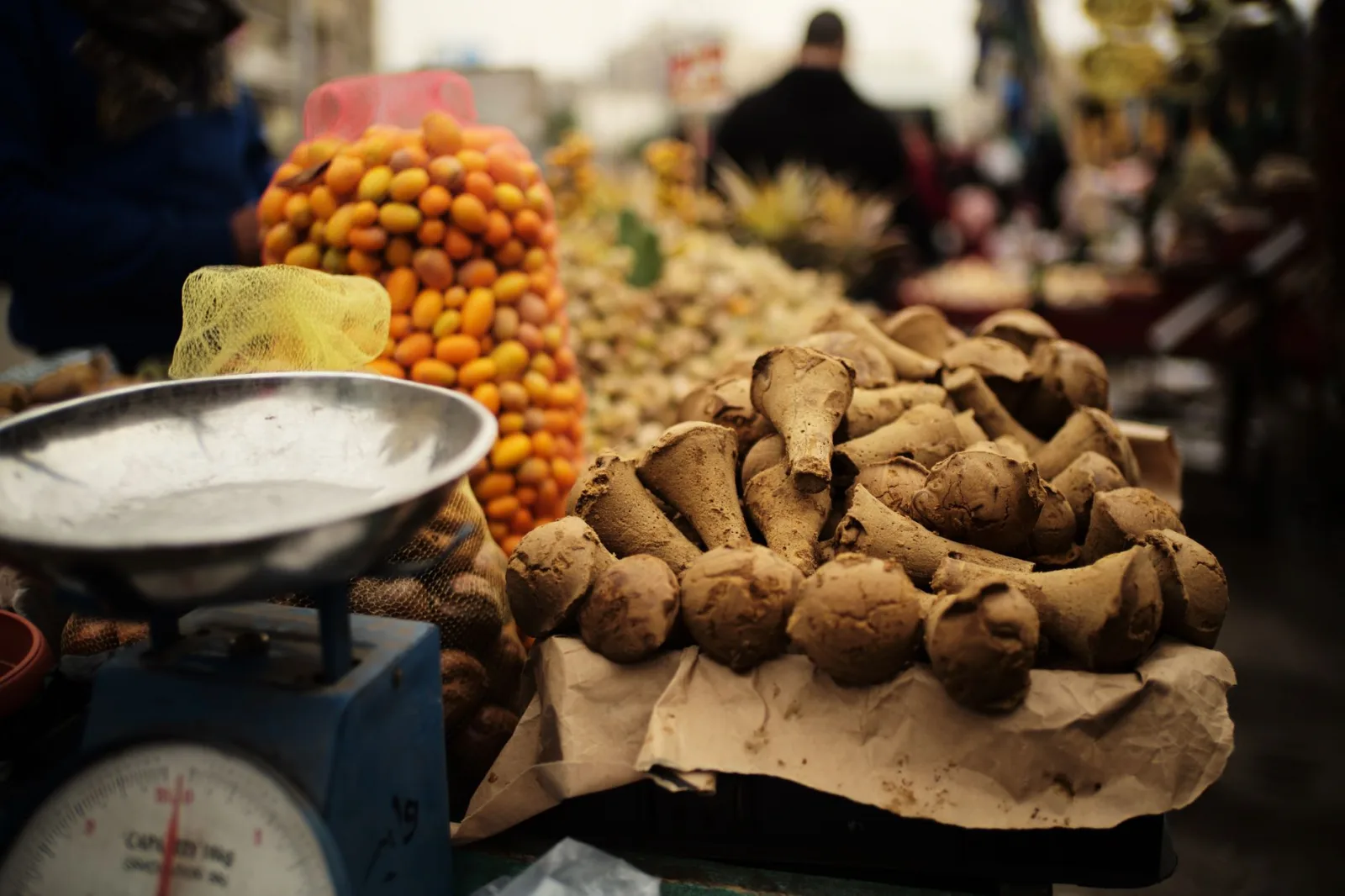
One of the best ways to experience Egypt’s agricultural heritage is by visiting local markets. These markets serve as vibrant hubs where farmers sell their produce directly to consumers. For instance, the weekly market in a small village can be a treasure trove of fresh fruits, vegetables, and herbs.
To navigate local markets effectively, consider these tips:
Timing is Key: Markets are usually busiest in the early morning. Arriving early ensures you have the best selection and can engage with farmers while they’re still setting up.
Ask Questions: Don’t hesitate to ask farmers about their products. Inquire about how they grow their crops or any unique methods they use. This not only enriches your experience but also supports local knowledge.
Explore Beyond the Mainstays: While staples like tomatoes and cucumbers are common, look for unique local specialties. For example, certain regions produce specific varieties of herbs or fruits that you may not find elsewhere.
📷 Omar Abozeid – Pexels
Common Mistakes to Avoid in Local Markets
When exploring local markets, be mindful of common mistakes:
Not Bargaining: In many local markets, bargaining is expected. Failing to negotiate can lead to overpaying. Approach it as a friendly exchange rather than a confrontation.
Ignoring Seasonal Produce: Buying out-of-season produce may result in lower quality and higher prices. Familiarize yourself with what’s in season during your visit.
Overlooking Hygiene: While many local markets are clean, some can be less so. Always wash fruits and vegetables thoroughly before consumption.
Exploring Culinary Connections
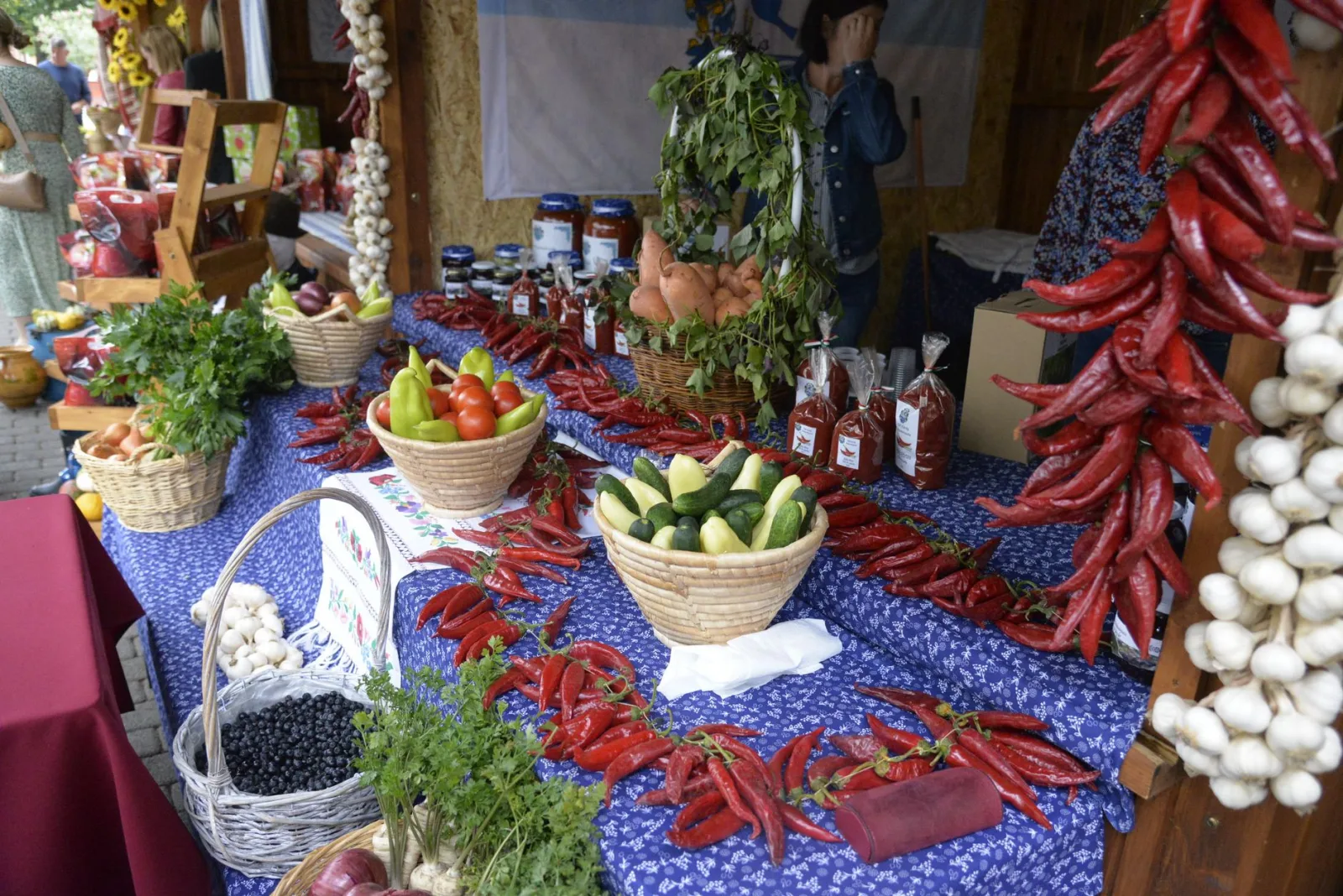
The connection between agriculture and cuisine in Egypt is profound. Understanding traditional farming practices enhances your culinary experience. For instance, when you enjoy a dish made with locally sourced ingredients, you appreciate the labor and methods that brought that food to your plate.
For a deeper dive, check out our article on Egypt’s Culinary Heritage, which explores forgotten recipes influenced by traditional farming.
📷 Zsolt Bodnár – Pexels
Support Local Agriculture
By choosing to buy directly from farmers, you support local agriculture and contribute to the economy. Additionally, seeking out organically grown produce helps promote sustainability. You might also consider participating in a farm stay, where you can immerse yourself in farming life while contributing to the local community.
Pro Tip:
When visiting rural areas, look for signs of community-supported agriculture programs. These initiatives often allow you to subscribe to a local farm in exchange for regular deliveries of produce.
Conclusion: Embrace the Journey
Navigating Egypt’s hidden agricultural heritage provides a fascinating glimpse into a world where culture, history, and sustainability intersect. By understanding traditional farming practices and engaging with local markets, you enhance your travel experience and foster a deeper appreciation for the land and its people. Whether you’re sampling local produce or learning about farming techniques, each moment spent in these environments enriches your understanding of Egypt.
As you plan your journey, remember to stay curious and open-minded. Each visit to a market or farm not only supports local traditions but creates lasting memories that resonate far beyond your trip.