




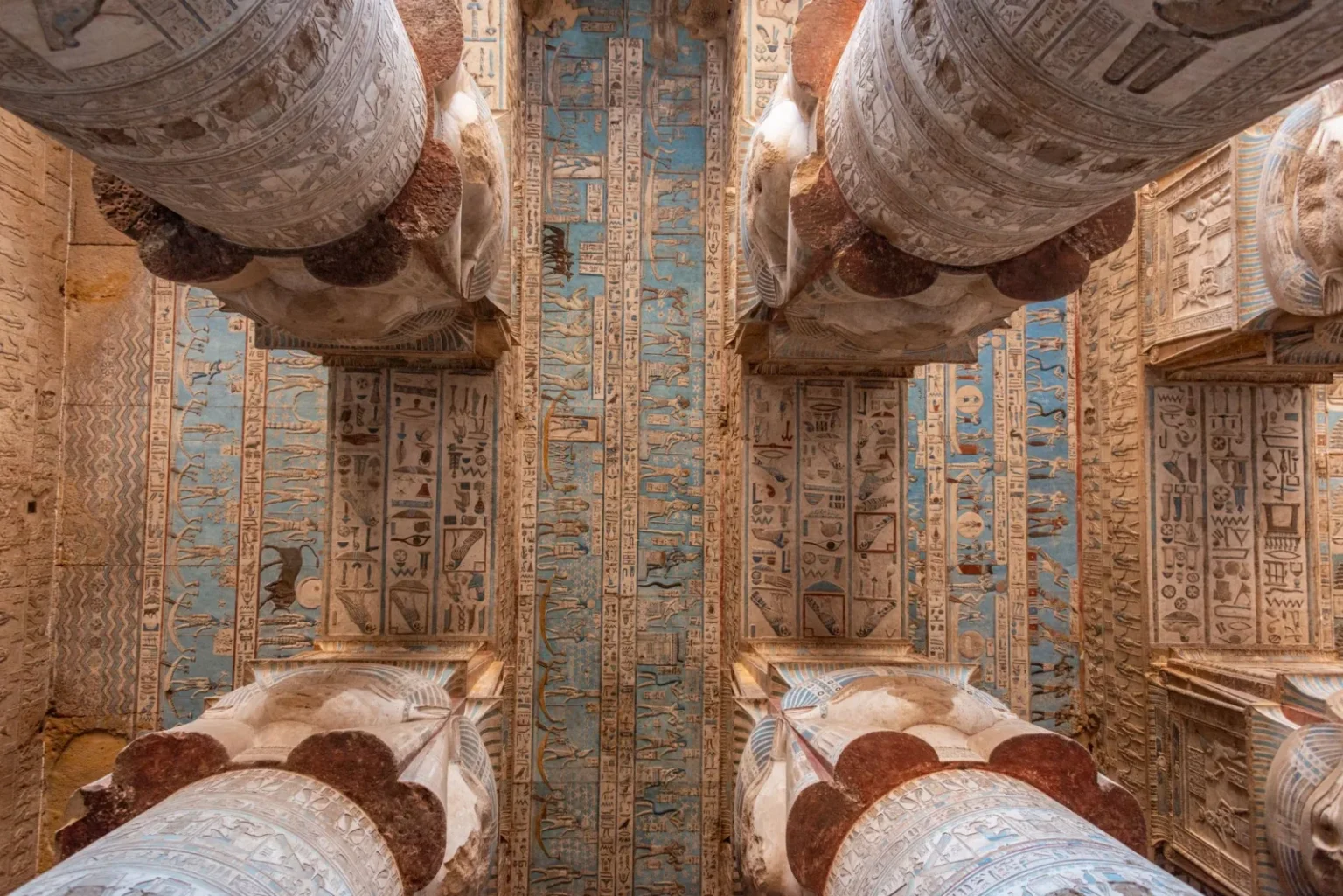

Understanding Egypt’s Hidden Cultural Heritage
When you think of Egypt, the Pyramids of Giza or the Valley of the Kings may come to mind. However, Egypt is rich in hidden cultural heritage that often goes unnoticed. These lesser-known sites offer authentic insights into the country’s history and traditions. Understanding the importance of these locations not only enriches your travel experience but also supports local communities and preserves cultural legacies.
- Understanding Egypt’s Hidden Cultural Heritage
- 1. Why Explore Off-the-Grid Travel in Egypt?
- 2. Essential Hidden Heritage Sites to Visit
- 3. Planning Your Off-the-Grid Adventure
- 4. Engaging with Local Communities
- 5. Safety Considerations for Off-the-Grid Travel
- 6. Additional Hidden Gems to Explore
- 7. Summary and Key Takeaways
1. Why Explore Off-the-Grid Travel in Egypt?
Off-the-grid travel allows you to escape the busy tourist hotspots and discover the authentic essence of a destination. In Egypt, this means engaging with local cultures, experiencing their daily lives, and exploring historical sites that are often overlooked. Important note: Visiting these hidden gems contributes to sustainable tourism, which is crucial for preserving Egypt’s cultural integrity.
2. Essential Hidden Heritage Sites to Visit
To help you plan your journey, here are some of Egypt’s hidden cultural heritage sites worth visiting:
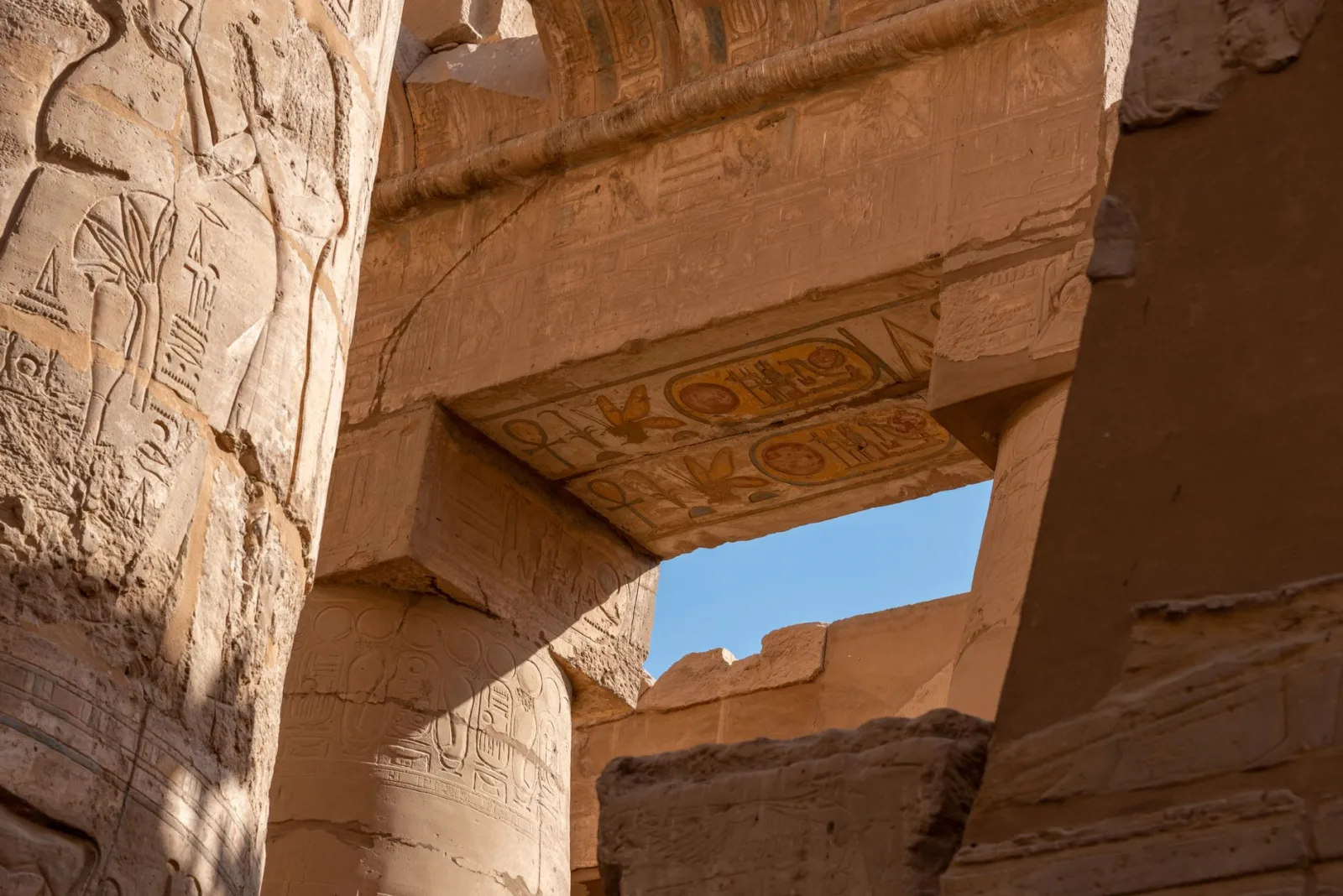
2.1. The Temple of Khnum at Esna
Located south of Luxor, the Temple of Khnum is often overshadowed by larger temples. This site features stunning reliefs and a beautifully preserved hypostyle hall. Tip: Visit during early morning to avoid the heat and crowds.
2.2. The Monastery of Saint Anthony
Nestled in the Red Sea Mountains, this ancient monastery is one of the oldest in Egypt. It provides insights into early Christian history and the monastic lifestyle. The serene location also offers breathtaking views. Common mistake: Many visitors overlook the surrounding landscape; take time to hike around to fully appreciate the scenery.
2.3. The City of Thonis-Heracleion
Once a thriving port city, Thonis-Heracleion was submerged underwater for centuries. Recent underwater archaeology has revealed significant artifacts. Visiting the museum in Alexandria that showcases these finds can provide context for this submerged wonder. Pro tip: Join a guided tour for deeper insights into the excavation sites and the stories behind them.
3. Planning Your Off-the-Grid Adventure
To maximize your experience while traveling to hidden cultural heritage sites in Egypt, follow these steps:
- Research Your Destinations: Use reputable travel blogs, guides, and local insights to learn about lesser-known sites.
- Plan Logistics: Since these sites are often remote, ensure you have transportation arranged—consider hiring a local guide.
- Respect Local Customs: Familiarize yourself with cultural etiquette. For more guidance, check out Cultural Etiquette: 10 Essential Dos and Don’ts When Traveling to Egypt.
4. Engaging with Local Communities
When visiting hidden sites, engaging with local communities adds depth to your experience. Here are practical ways to do so:
- Participate in Local Tours: Look for community-led tours that provide insights into local traditions.
- Support Local Crafts: Purchase handmade items from artisans you meet; this helps sustain their livelihoods.
- Learn Basic Arabic Phrases: Even simple greetings can foster goodwill and open doors to deeper connections.
5. Safety Considerations for Off-the-Grid Travel
Traveling off the beaten path comes with its own set of challenges. Here are some important safety tips:
- Stay Informed: Keep updated on local news and travel advisories. Conditions can change rapidly.
- Trust Your Instincts: If something feels off, don’t hesitate to leave a situation.
- Have a Backup Plan: Always have alternate routes and accommodations planned in case of unexpected events.
6. Additional Hidden Gems to Explore
Beyond the sites mentioned, consider these additional hidden gems:
6.1. The Ruins of Amarna
This archaeological site was once the capital of Akhenaten. It’s a fascinating place to learn about the revolutionary changes in ancient Egyptian religion. Warning: The site is large, so wear comfortable shoes.
6.2. The Oasis of Siwa
Known for its stunning landscapes and rich history, Siwa offers unique cultural experiences, including traditional music and cuisine. For a detailed culinary journey, check out Navigating Egypt’s Culinary Heritage.
7. Summary and Key Takeaways
Exploring Egypt’s hidden cultural heritage sites provides an enriching experience that goes beyond the typical tourist trail. By choosing off-the-grid travel, you connect with local cultures, support sustainable tourism, and discover the true essence of Egypt. Remember to plan carefully, engage with local communities, and respect the sites you visit. Your journey through Egypt’s hidden wonders can be both transformative and memorable.