




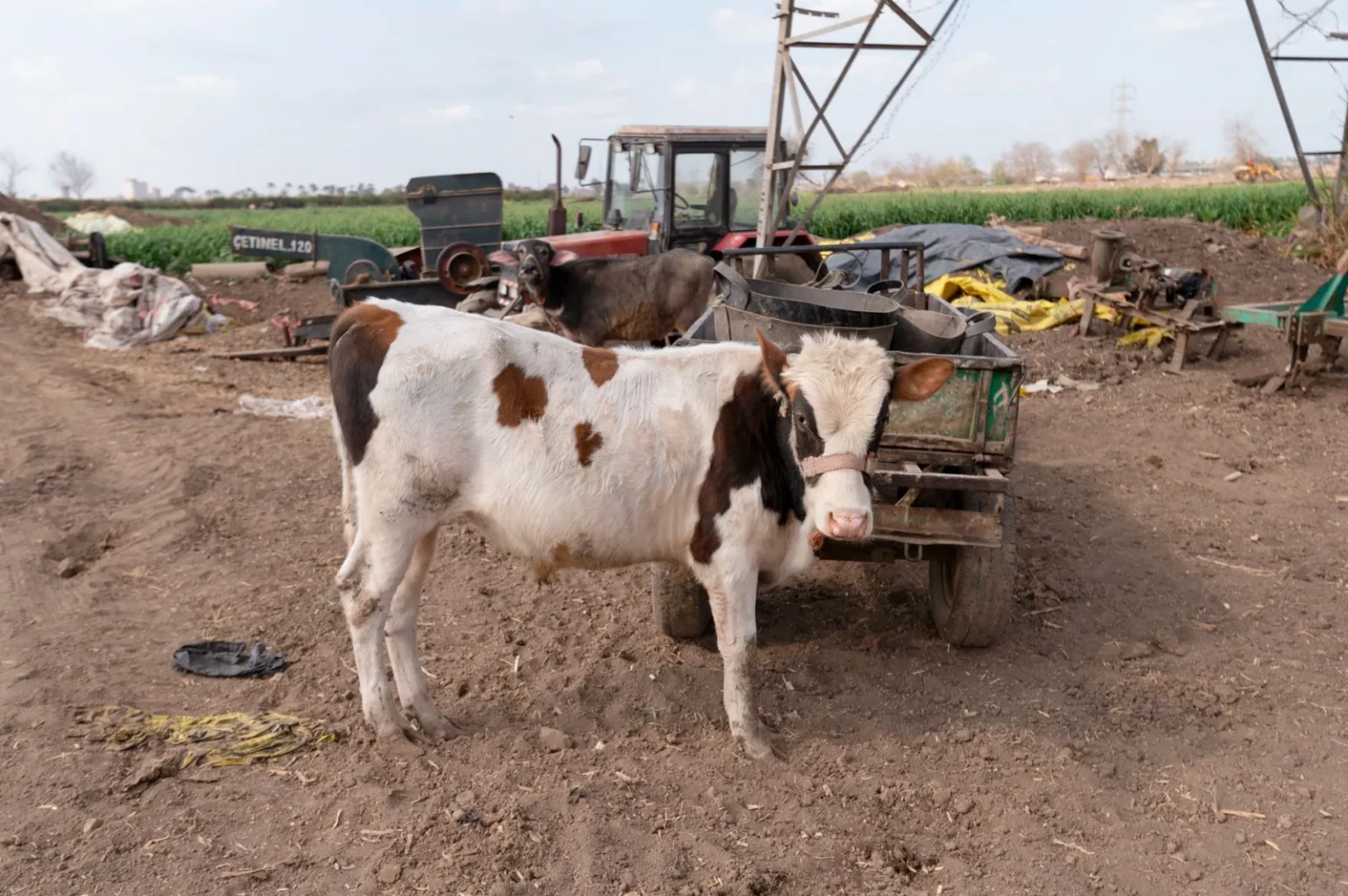

Understanding Egypt’s Agricultural Landscape
Egypt’s agriculture plays a vital role in its economy and culture, deeply intertwined with the Nile River‘s life-giving waters. The fertile banks of the Nile have supported farming for thousands of years, creating a rich heritage that continues to evolve. As you explore this unique landscape, you’ll discover how traditional practices blend with modern sustainable farming methods.
- Understanding Egypt’s Agricultural Landscape
- The Importance of Sustainable Farming in Egypt
- Local Produce: A Taste of Egypt’s Heritage
- Challenges Facing Egyptian Agriculture
- Steps to Support Sustainable Agriculture in Egypt
- Exploring Egypt’s Diverse Agricultural Regions
- Conclusion: Embracing Egypt’s Agricultural Heritage
The Importance of Sustainable Farming in Egypt
Sustainable farming practices in Egypt are crucial not only for environmental health but also for food security. Over the years, conventional methods have led to soil degradation and water scarcity. By adopting sustainable techniques, farmers can enhance productivity while protecting the ecosystem. Let’s break down some core sustainable farming practices:
- Crop Rotation: This method involves alternating the types of crops grown on a particular piece of land. It helps maintain soil fertility and reduces pest outbreaks. For instance, a farmer might plant legumes after grains to replenish nitrogen in the soil.
- Organic Farming: Utilizing natural fertilizers and pest control methods, organic farming minimizes chemical inputs, ensuring healthier produce. In Egypt, many farmers are shifting towards organic practices, attracted by the growing demand for natural products.
- Water Conservation: With the looming threat of water scarcity, efficient irrigation systems like drip irrigation are becoming increasingly popular. They deliver water directly to the plant roots, reducing waste and improving crop yields.
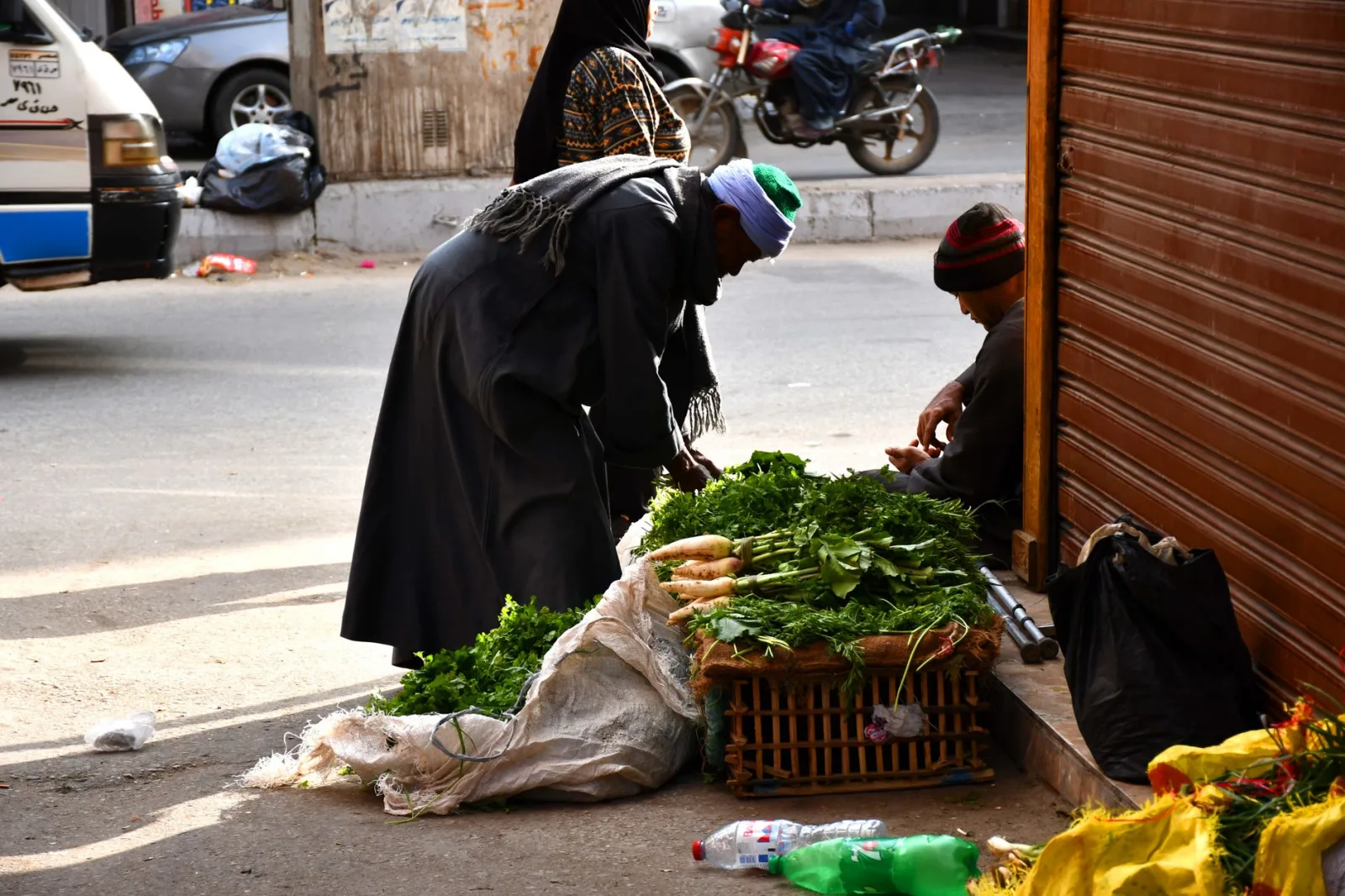
Local Produce: A Taste of Egypt’s Heritage
When discussing Egypt agriculture, it’s essential to highlight the local produce that thrives in this environment. The country is famous for several crops that reflect its rich agricultural tradition:
- Fava Beans: A staple in Egyptian cuisine, fava beans are often used in dishes like ta’ameya (Egyptian falafel). They are a rich source of protein and are typically grown sustainably.
- Dates: Egypt is one of the largest producers of dates in the world. These fruits are not only a key part of local diets but are also a significant export.
- Olives: Olive trees flourish in many regions of Egypt, and the oil produced is integral to both cooking and cultural practices.
Challenges Facing Egyptian Agriculture
While Egypt’s agricultural practices are steeped in history, they face numerous challenges today. Climate change, population growth, and urbanization are pressing issues that necessitate innovative solutions. Here are some key challenges:
- Water Scarcity: With the Nile’s waters being shared among several countries, competition for water resources is fierce. Farmers need to adopt more water-efficient practices to cope with this challenge.
- Soil Degradation: Intensive farming practices have led to soil erosion and nutrient depletion. This can be mitigated through sustainable practices such as organic farming and crop rotation.
- Pest Infestations: The reliance on chemical pesticides has led to resistance issues. Integrated Pest Management (IPM) is an approach that combines biological, cultural, and chemical tools to manage pests sustainably.
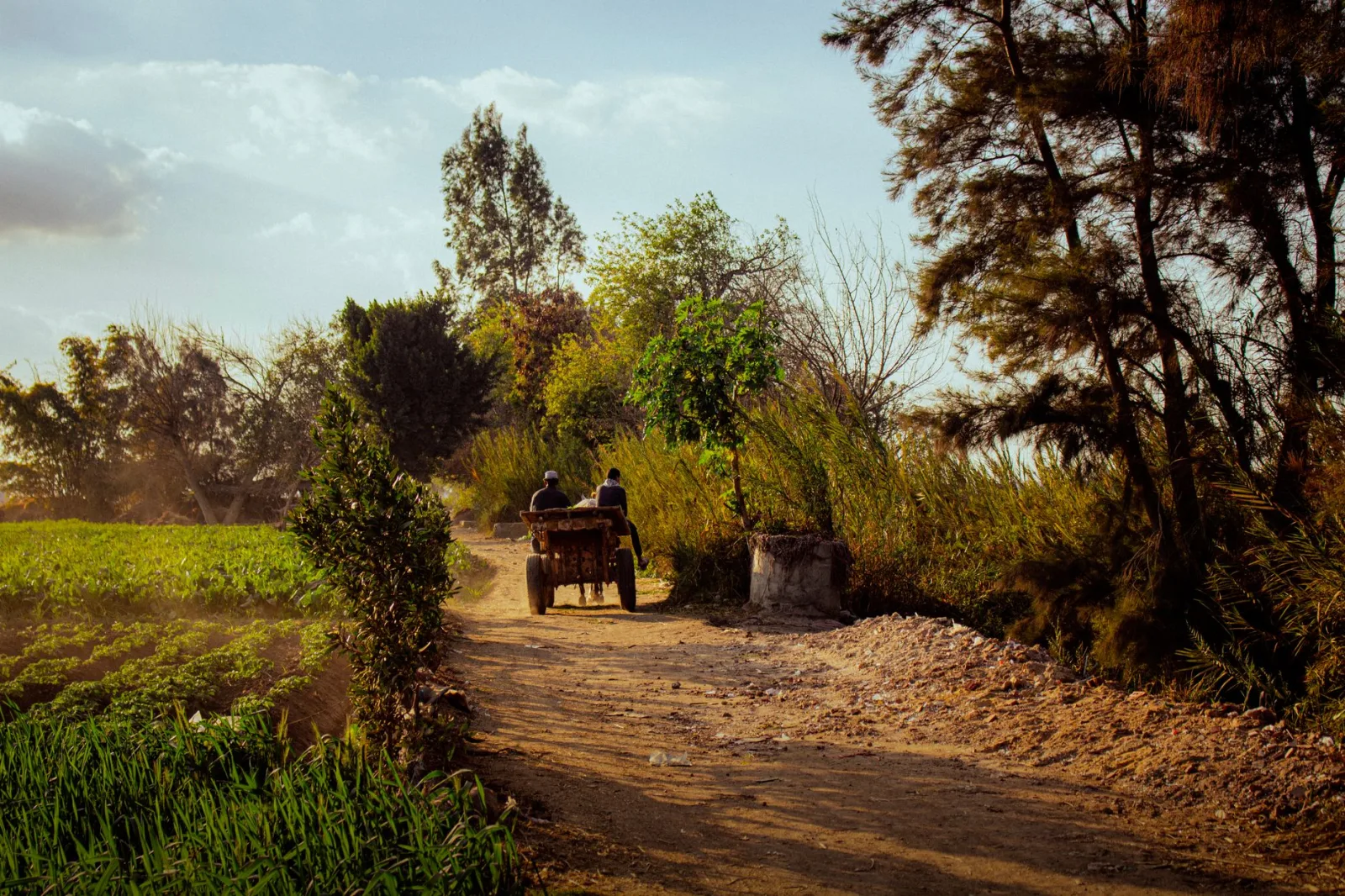
Steps to Support Sustainable Agriculture in Egypt
As a traveler or someone interested in Egypt’s agriculture, you can play a role in promoting sustainable practices. Here are some steps you can take:
- Choose Local Markets: Support local farmers by purchasing produce from markets. This not only helps the local economy but also encourages sustainable farming practices.
- Participate in Workshops: Engage with local farmers’ cooperatives or workshops focused on sustainable agriculture. Many organizations offer classes that teach eco-friendly farming techniques.
- Advocate for Change: Encourage policies that support sustainable agriculture. Share your knowledge and experiences from your travels to raise awareness among others.
Exploring Egypt’s Diverse Agricultural Regions
Egypt’s agricultural regions vary widely, each offering unique produce and farming practices. Here are a few key areas to explore:
- The Nile Delta: Known for its rich soil and abundant water supply, the Delta is a hub for rice, wheat, and vegetables. Visiting this region offers insight into traditional and modern farming methods.
- The Valley of the Kings: While primarily known for its historical significance, this area also produces local herbs and spices that are integral to Egyptian cuisine.
- Oasis Regions: The oases of Siwa and Bahariya feature unique crops such as dates and olives, cultivated using traditional methods that respect the arid environment.
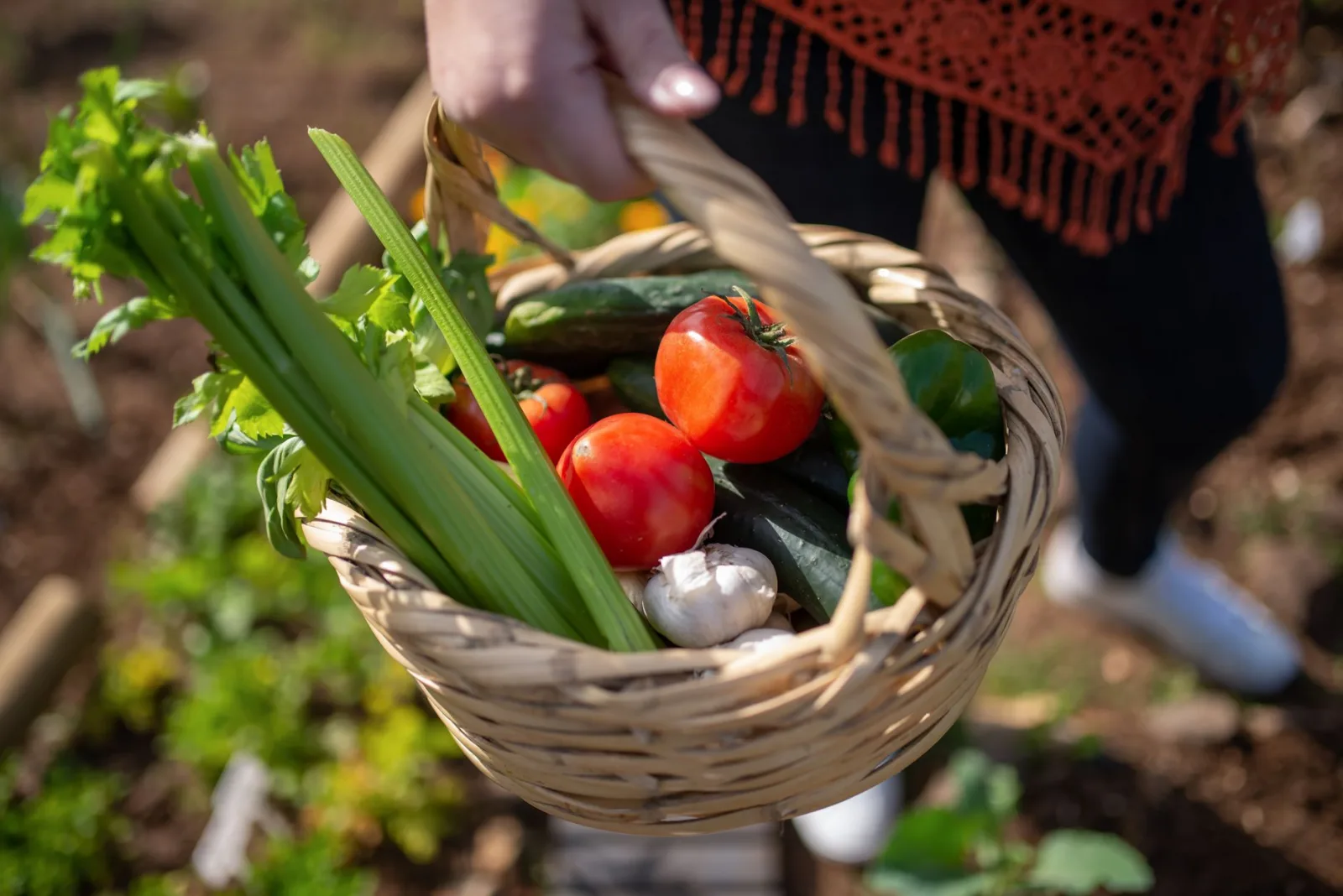
Conclusion: Embracing Egypt’s Agricultural Heritage
Understanding Egypt’s agriculture—its sustainable practices and local produce—allows you to appreciate the country’s rich heritage. By supporting sustainable farming efforts, you contribute to a healthier environment and a more resilient food system. As you explore Egypt, remember that every meal you enjoy and every market you visit is a testament to the hard work of farmers committed to preserving their agricultural legacy. Together, we can ensure that these practices thrive for generations to come.
Key Takeaways:
- Egypt’s agriculture is deeply rooted in its historical relationship with the Nile River.
- Sustainable farming practices are essential for combating challenges like water scarcity and soil degradation.
- Supporting local produce contributes to the local economy and promotes sustainable agriculture.