






The Essence of Cairo Folklore
Cairo folklore serves as a vibrant tapestry that intertwines the everyday lives of its inhabitants with the city’s rich historical and cultural background. Folklore is not merely a collection of stories; it embodies the values, fears, and aspirations of the people. As you walk through Cairo’s bustling streets, you will encounter tales that have been passed down through generations, adding depth to the urban identity of this ancient city.
The Role of Folklore in Urban Identity
Urban identity is often defined by the stories that its residents tell. In Cairo, folklore provides a sense of belonging and continuity. It allows you to connect with the past while navigating the present. For instance, the tale of the famous Cairo street vendor, who offers not just food but also wisdom through his stories, illustrates how local narratives shape perceptions of community and place.

How Folklore Reflects Cultural Values
Folklore often mirrors the cultural values of a society. In Cairo, you might hear stories about resilience and hospitality, which are core values among Egyptians. These stories can be found in the traditional songs sung during festivals or in the anecdotes shared over cups of tea in local cafés. Understanding these narratives helps you appreciate the cultural fabric of the city.
Examples of Local Tales
1. **The Legend of the White Lady**: This tale tells of a ghostly woman who roams the alleys of old Cairo. Locals believe she appears to warn people of impending danger. This legend not only sparks curiosity but also serves as a cautionary tale about being aware of your surroundings.
2. **The Story of the Seven Sisters**: This local tale recounts the adventures of seven sisters who each possess unique gifts. It highlights themes of unity and individuality, resonating with Cairo’s diverse population. Such stories encourage you to embrace both your uniqueness and your connection to the community.
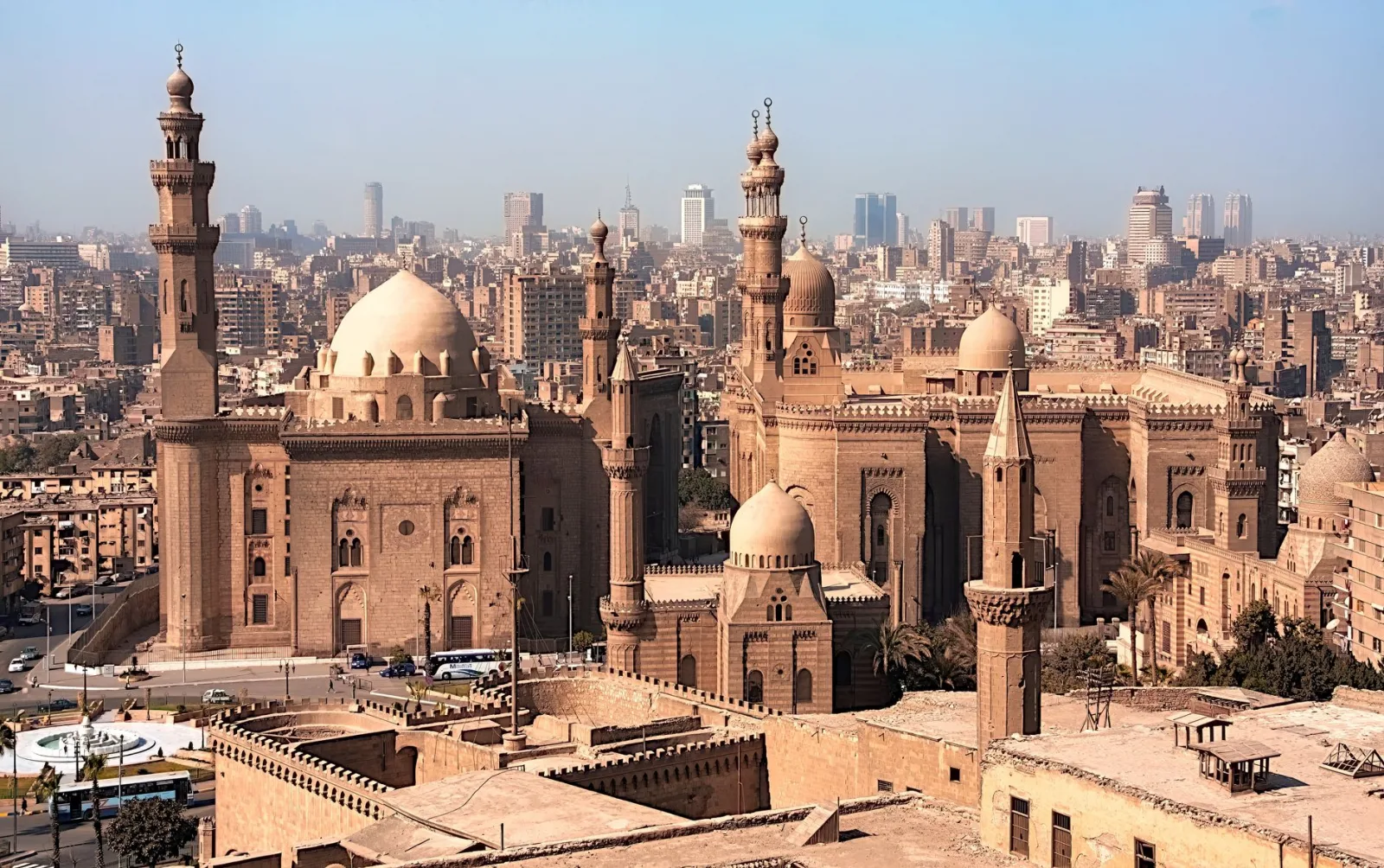
Preserving Folklore through Oral Traditions
Oral tradition plays a crucial role in preserving Cairo’s folklore. Storytellers, often found in marketplaces or community gatherings, act as custodians of these tales. Engaging with local narrators offers you an authentic experience of Cairo’s cultural scene. Pro tip: Join storytelling sessions at local cultural centers to hear these tales firsthand and understand their significance.
The Interplay between Folklore and Modernity
As Cairo evolves, its folklore adapts alongside. Modern interpretations of ancient tales can be seen in art, music, and even street performances. For example, contemporary artists may incorporate traditional stories into murals, blending the old with the new. This interplay enriches the urban identity, making it relevant to younger generations.
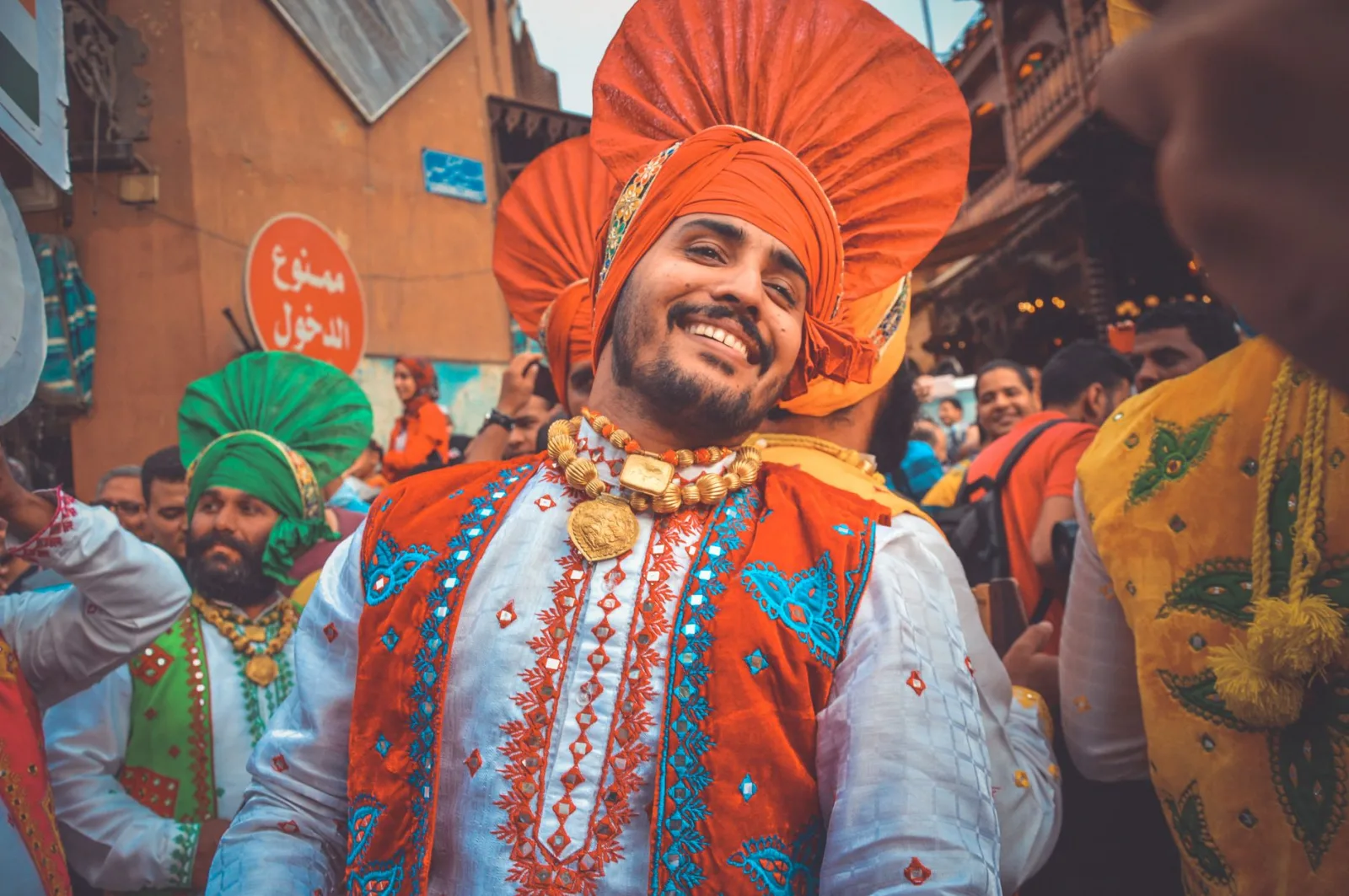
The Impact of Folklore on Tourism
Tourists often seek authentic experiences that connect them to local culture. Folklore provides a gateway to understanding the city’s soul. You might find walking tours that focus on storytelling, allowing you to explore Cairo through the lens of its rich narratives. However, it is essential to approach these experiences respectfully, honoring the origins of the stories.
Conclusion: Embracing the Tapestry of Cairo Folklore
Cairo folklore is a vital part of the city’s urban identity, offering insights into the lives of its people. By engaging with local tales and cultural stories, you not only enrich your travel experience but also gain a deeper appreciation for the traditions that shape this vibrant metropolis. Whether you’re listening to a storyteller in a bustling market or exploring the city’s historical sites, remember that every corner of Cairo has a story waiting to be discovered.
In summary, the folklore of Cairo is not just about old tales; it is about understanding the people and their way of life. By immersing yourself in these narratives, you become a part of the ongoing story of this fascinating city.