






Understanding Cairo Healing Practices
Cairo’s healing practices are deeply rooted in its rich history and diverse cultural landscape. These practices often blend ancient wisdom with local customs, reflecting the community‘s values and beliefs. Traditional remedies in Cairo are not merely about treating ailments; they encompass a holistic approach to health, emphasizing balance between body, mind, and spirit. You may find that understanding these practices can provide insight into not only healing but also the local way of life.
The Historical Context of Healing in Cairo
To appreciate the healing practices of Cairo, it’s essential to consider their historical context. Ancient Egyptians were pioneers in medicine, documented in texts like the Ebers Papyrus, which dates back to 1550 BCE. This document outlines various herbal remedies and treatments that influenced not only Egyptian society but also later medical practices across the world.
For instance, the use of garlic for its medicinal properties can be traced back to these ancient practices. Garlic has been shown to have antibacterial properties, which is likely why it was favored for treating infections. Understanding this historical backdrop allows you to see how traditional remedies have evolved yet remain relevant today.
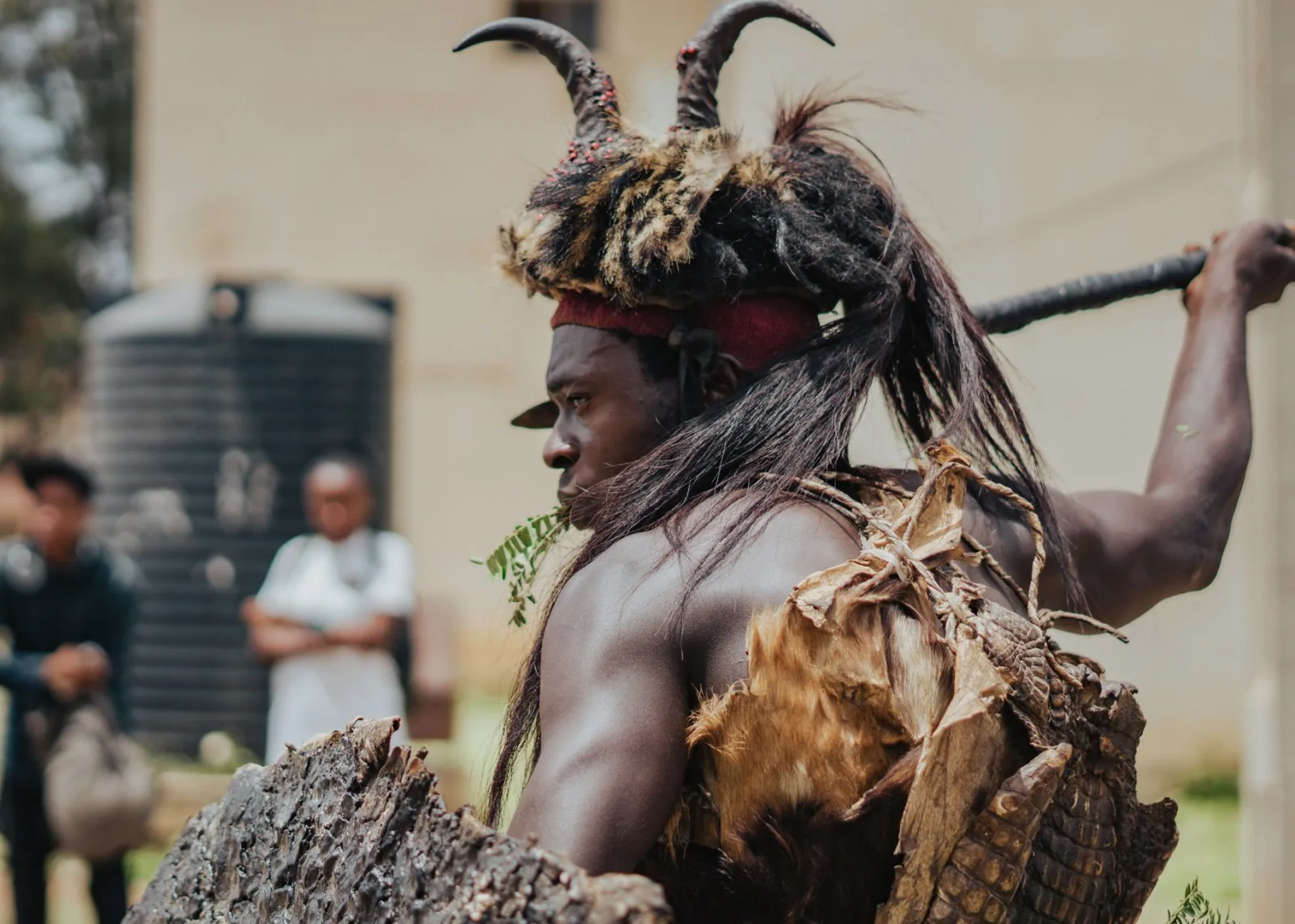
Common Traditional Remedies in Cairo
Cairo is home to numerous traditional remedies that locals swear by. Below are some commonly used remedies:
- Herbal Teas: Herbal teas are prevalent, with ingredients like chamomile for relaxation and hibiscus for blood pressure regulation. You can easily find these at local markets.
- Honey and Ginger: Often used to soothe sore throats and boost immunity, honey mixed with ginger is a staple in many Cairo households.
- Olive Oil: Beyond cooking, olive oil is used for skin conditions and as a carrier for essential oils in massages.
These remedies illustrate the locals’ reliance on natural resources for health and wellness.
Cultural Significance of Healing Practices
The cultural significance of these healing practices cannot be overstated. They represent a connection to the past and a sense of community. For example, the use of traditional remedies often involves family gatherings where knowledge is shared across generations. This not only strengthens familial bonds but also preserves cultural heritage.
Additionally, healing practices are often integrated into religious or spiritual beliefs. Many Egyptians consider healing a holistic experience that involves prayer and meditation alongside physical remedies. This multifaceted approach to health reflects a broader understanding of well-being that prioritizes emotional and spiritual health as much as physical health.
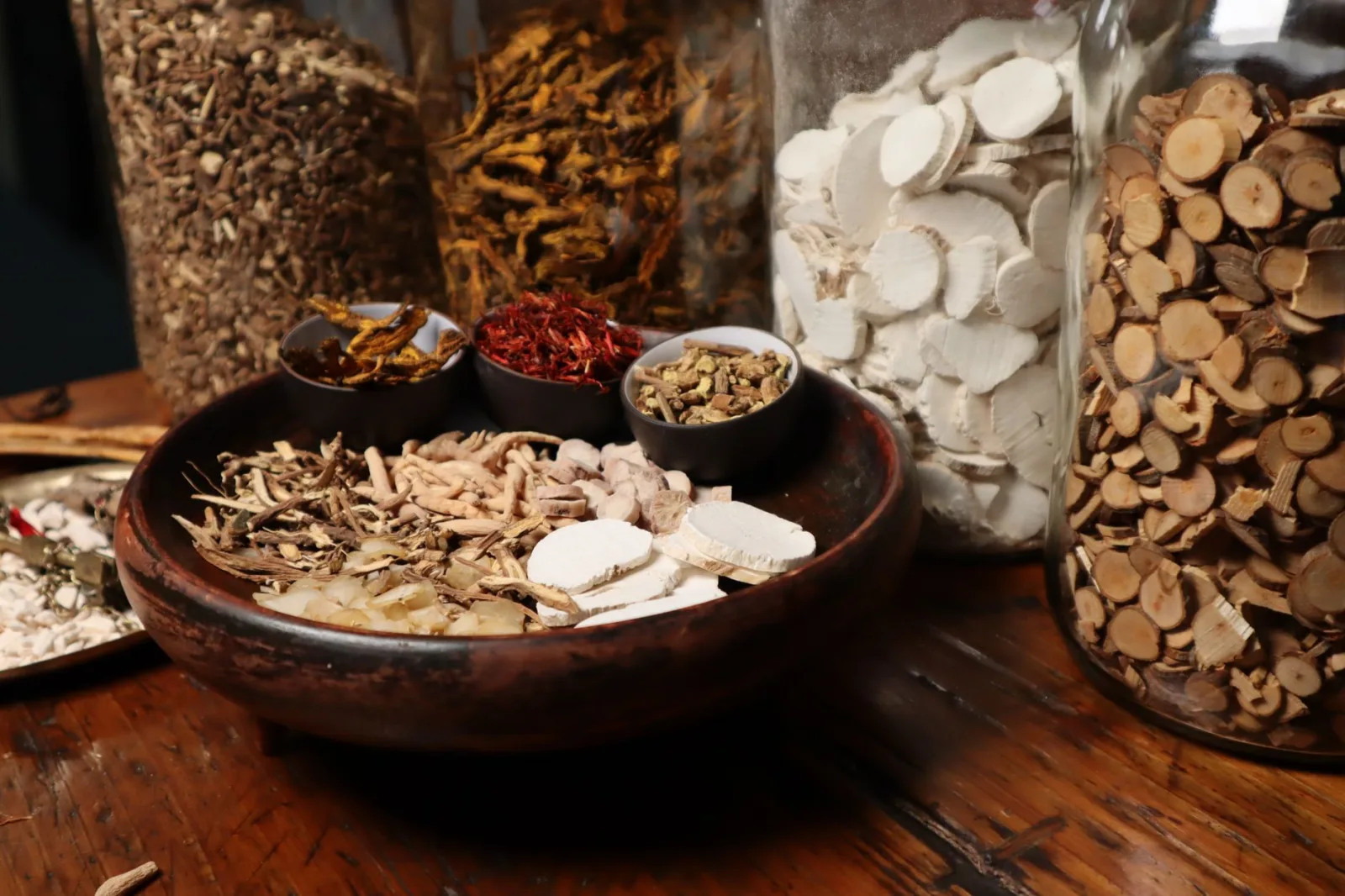
Visiting Local Markets for Remedies
To experience Cairo’s healing practices firsthand, visiting local markets is a must. Markets such as Khan el-Khalili offer a sensory overload of spices, herbs, and traditional remedies. Here’s how you can make the most of your visit:
- Engage with Vendors: Don’t hesitate to ask vendors about their products. Many are eager to share their knowledge and stories behind the remedies.
- Sample Local Ingredients: Try local herbs and spices. For example, taste dried mint or basil for their unique flavors and medicinal properties.
- Learn About Preparation: Ask how to prepare certain remedies at home. Many vendors will share recipes or methods for using their products.
By engaging directly with these markets, you immerse yourself in the local culture and gain a deeper understanding of these healing practices.
Modern Adaptations of Traditional Remedies
While traditional remedies remain popular, modern adaptations are also emerging. Some Cairo residents have started blending ancient practices with contemporary wellness trends. For instance, you might find yoga classes that incorporate traditional herbal remedies for relaxation and stress relief. This fusion reflects a growing global interest in holistic health and well-being.
Moreover, the rise of wellness boutiques in Cairo showcases these adaptations. Many of these shops offer products like essential oils and organic herbs, emphasizing a modern yet culturally rooted approach to health. You may find it fascinating how these practices evolve while still honoring their origins.
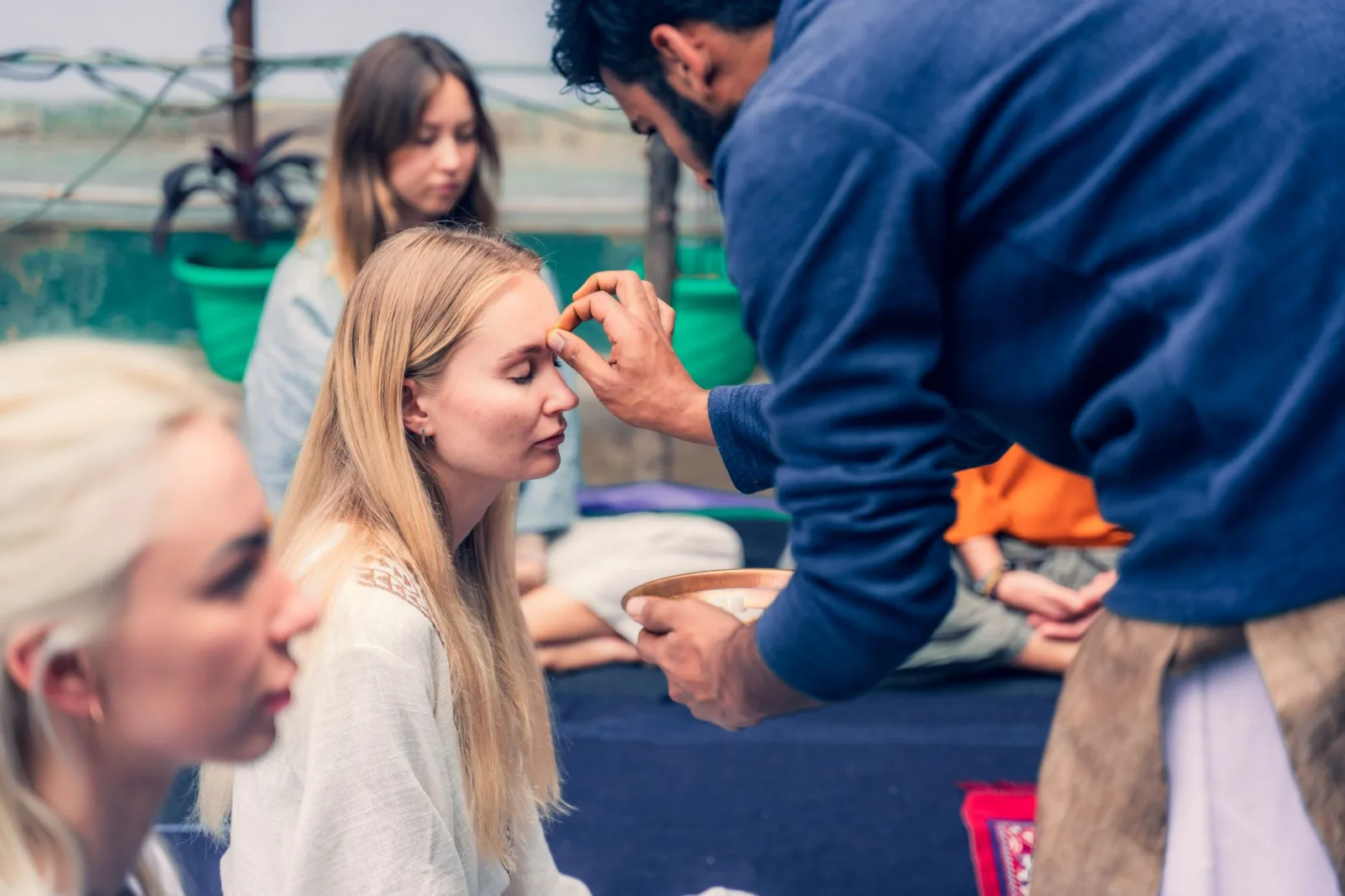
Conclusion: Embracing the Wisdom of Cairo’s Healing Practices
Exploring Cairo’s ancient healing practices reveals much about the city’s rich cultural tapestry. Traditional remedies not only address physical ailments but also embody a holistic view of health that integrates spiritual and emotional well-being. By participating in local traditions and visiting markets, you can gain valuable insights and perhaps even adopt some of these practices in your own life.
In summary, whether it’s through herbal teas, family traditions, or modern adaptations, Cairo’s healing practices invite you to delve deeper into the essence of community and wellness. As you journey through this vibrant city, take a moment to appreciate how these ancient practices continue to thrive in the modern world.