





Understanding Cairo’s Food Markets
Cairo’s food markets are not merely places to buy ingredients; they are vibrant ecosystems where local traditions and flavors come alive. These markets offer a glimpse into the daily lives of Cairo’s residents, showcasing what they eat, how they prepare their food, and the cultural significance behind their culinary practices. As you navigate these bustling spaces, you’ll encounter a variety of artisan food products, from freshly baked breads to hand-crafted cheeses, each telling a unique story.
- Understanding Cairo’s Food Markets
- The Importance of Artisan Food in Cairo
- Step 1: Exploring the Souq Al Gomaa
- Step 2: Sampling Local Flavors
- Step 3: Discovering Hidden Gems
- Step 4: Engaging with Local Artisans
- Step 5: Understanding Cultural Context
- Step 6: Visiting Specialized Markets
- Conclusion: A Culinary Tapestry
The Importance of Artisan Food in Cairo
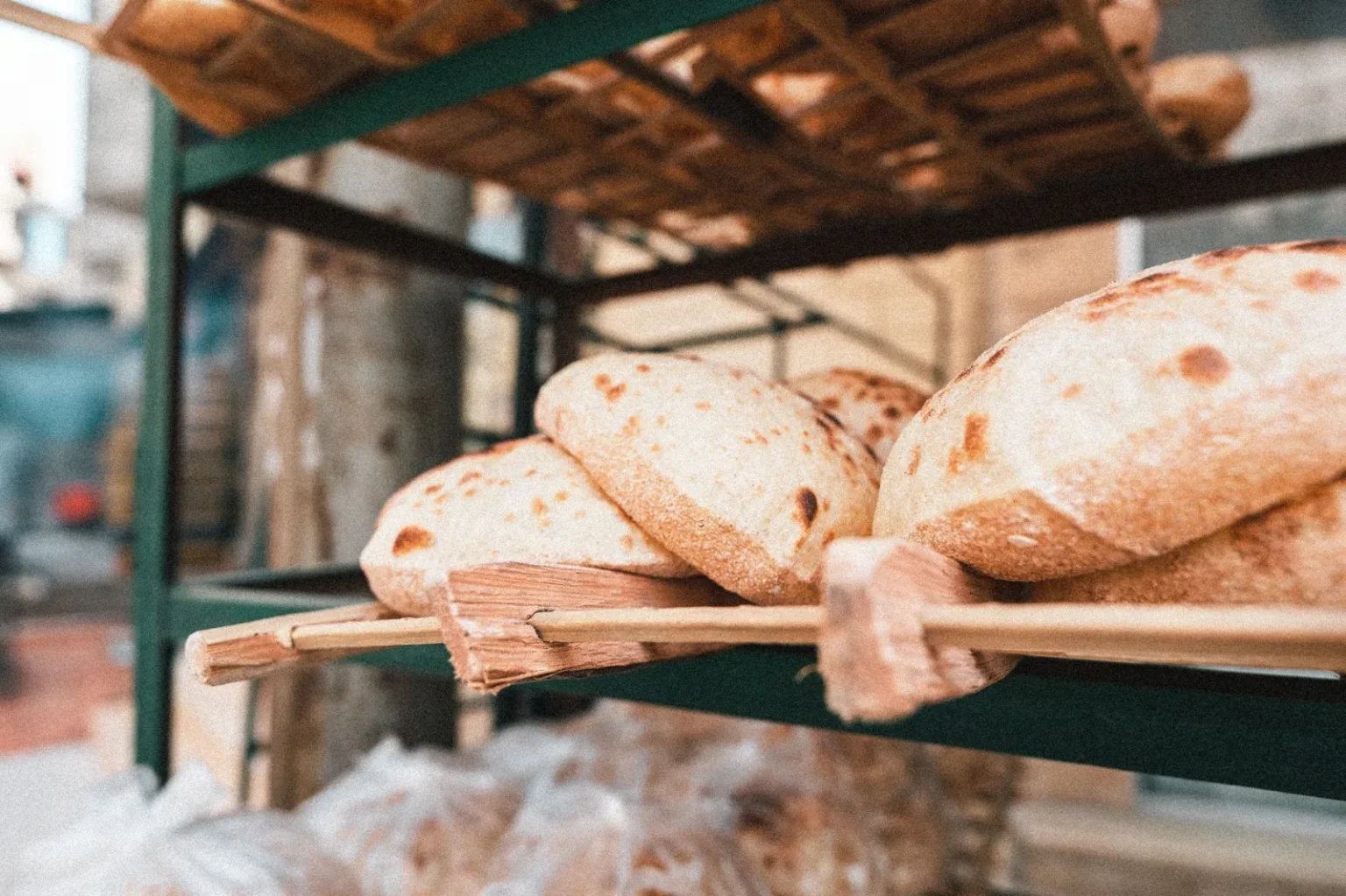
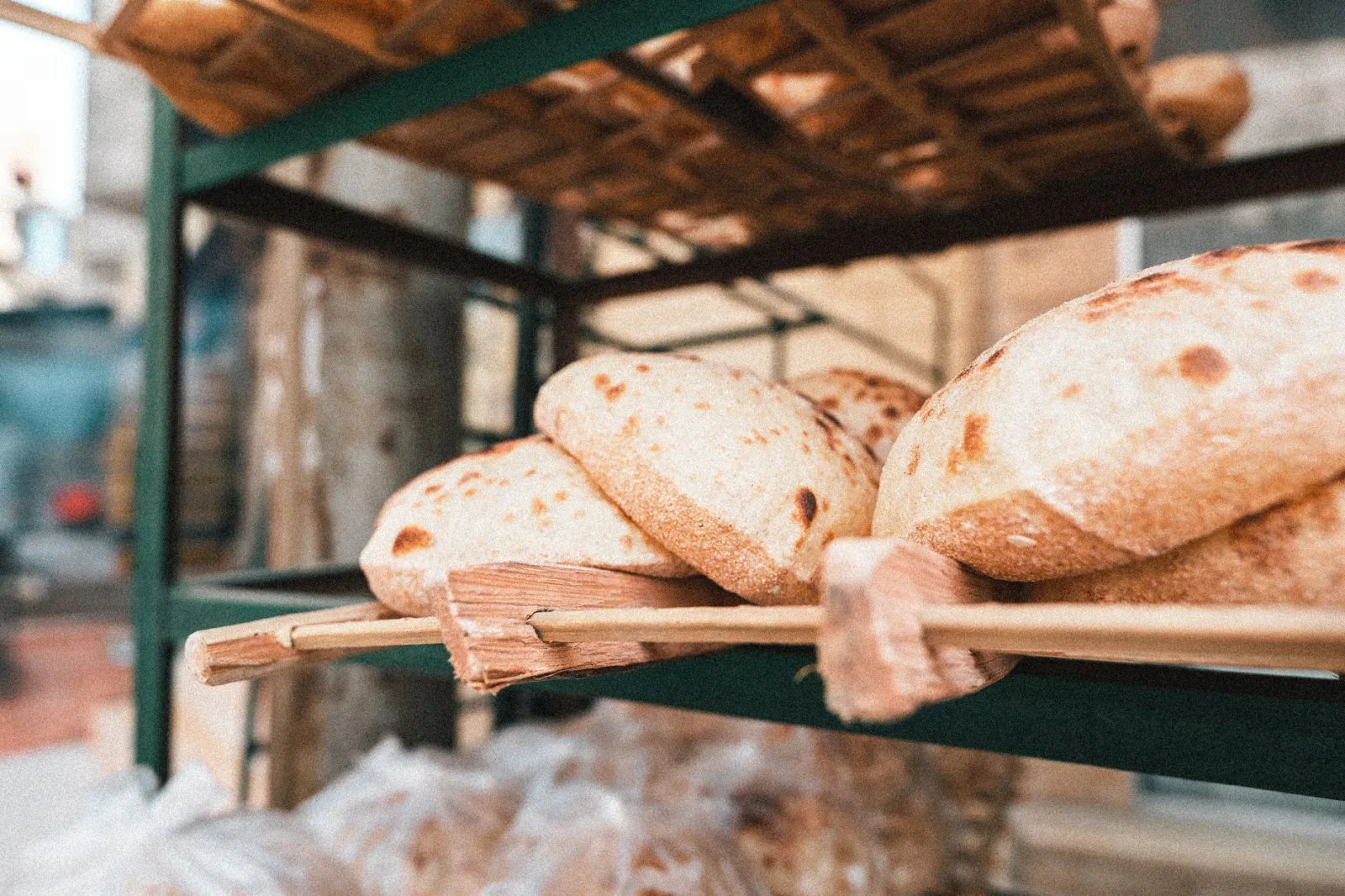
Artisan food refers to products crafted with care, often using traditional methods and high-quality ingredients. In Cairo, artisan food is central to local culture, reflecting the city’s rich history and diverse influences. For instance, many bakeries still use ancient recipes to produce traditional breads like baladi, a staple in Egyptian households. Understanding the significance of these artisan products enhances your culinary journey through the city.
Step 1: Exploring the Souq Al Gomaa
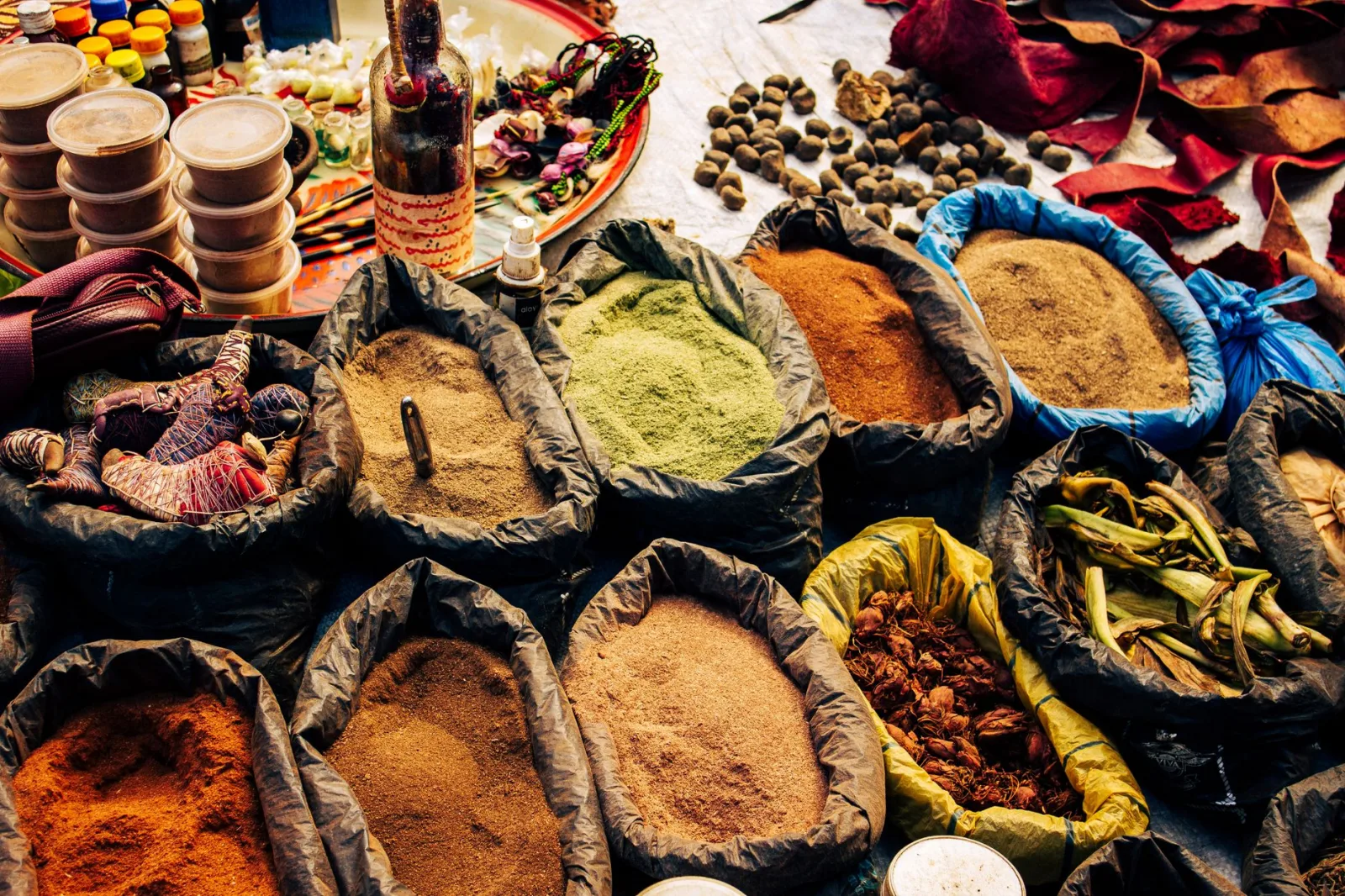
Your journey begins at Souq Al Gomaa, one of Cairo’s most famous food markets. This bustling marketplace is open every Friday and is famous for its lively atmosphere and wide array of food stalls. Here, you can find everything from fresh produce to artisan cheeses. As you walk through the market, pay attention to the local vendors, who are often eager to share their knowledge about their products. Try asking them about their favorite recipes or the history of a particular dish, as this interaction can enrich your understanding of the culinary landscape.
Step 2: Sampling Local Flavors
After exploring the market, it’s time to sample local flavors. Look for stalls offering koshari, a popular Egyptian dish made from rice, lentils, and pasta, topped with a tangy tomato sauce and crispy onions. This dish is a perfect representation of Cairo’s culinary diversity. Be sure to ask for a side of salata baladi, a fresh salad made with tomatoes, cucumbers, and onions, which complements the heartiness of koshari. Important note: always check for freshness, especially when sampling street food.
Step 3: Discovering Hidden Gems
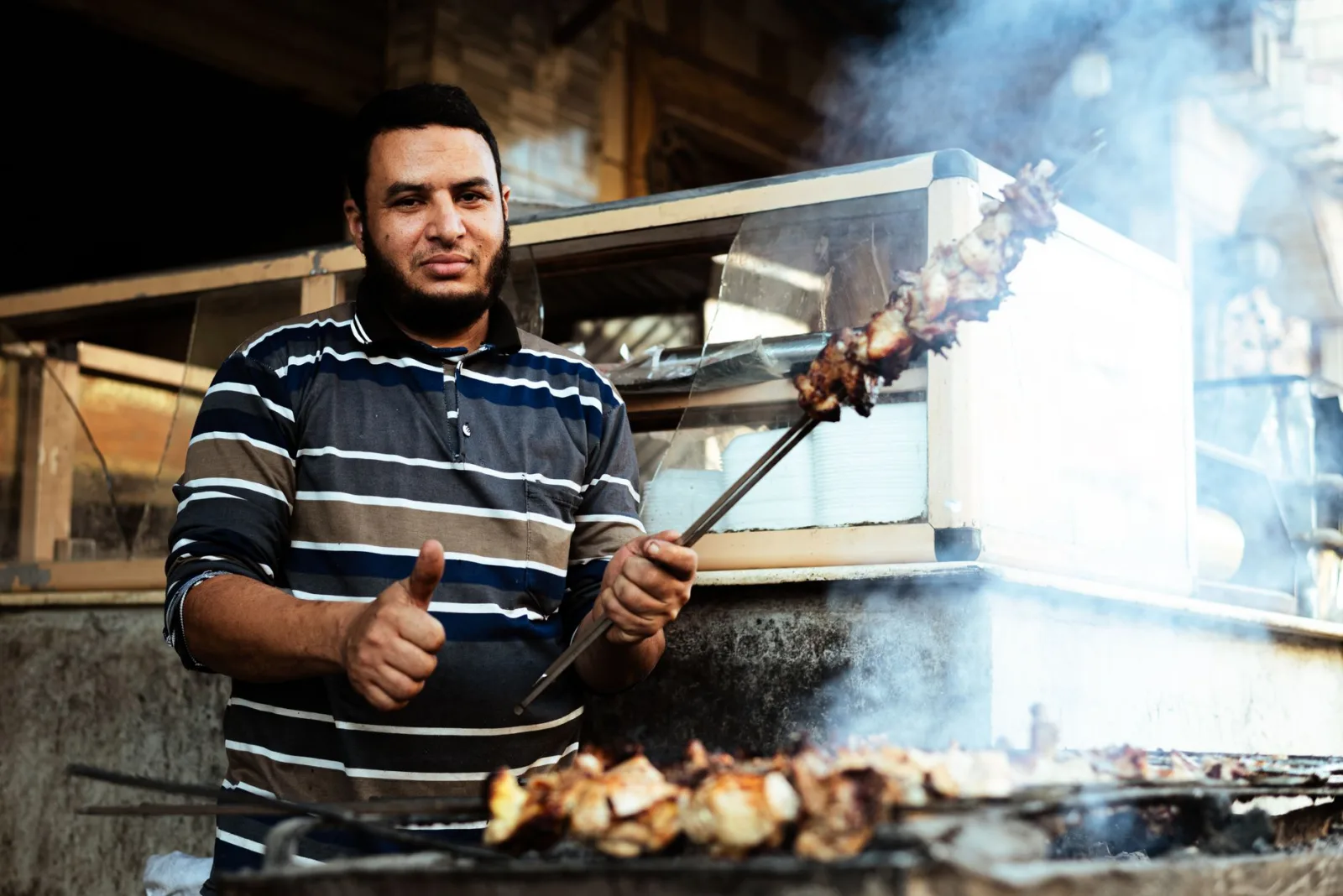
While major food markets are essential, don’t overlook the smaller, neighborhood shops scattered throughout the city. These hidden gems often sell homemade products that you won’t find in larger markets. For example, seek out local bakers who specialize in feteer, a flaky pastry that can be filled with a variety of ingredients, from honey to cheese. Engaging with the local community can lead you to delicious discoveries that enrich your culinary journey.
Step 4: Engaging with Local Artisans
Cairo’s artisan food scene is deeply rooted in tradition. Meeting local artisans can provide you with insights into their craft. For instance, visiting a local cheesemaker allows you to see how traditional Egyptian cheeses, such as domiati, are made. This process often involves unique techniques passed down through generations. Pro tip: ask about workshops or tastings where you can learn more about the making process firsthand.
Step 5: Understanding Cultural Context
Every dish in Cairo has a story. To fully appreciate the local flavors, it’s essential to understand the cultural context. For example, many dishes are influenced by the diverse populations that have settled in Egypt over the centuries, including the Ottoman Turks and French. This blending of cultures is evident in the use of spices, cooking techniques, and serving styles. Therefore, when you taste something, consider its historical background and the ingredients that contribute to its unique flavor profile.
Step 6: Visiting Specialized Markets
Cairo is home to specialized markets that focus on specific food categories. For instance, you might explore the spice market, where vendors sell a vast array of spices, herbs, and dried fruits. The aroma of cardamom, cumin, and coriander fills the air, creating an unforgettable experience. Additionally, markets dedicated to sweets, such as halawa and baklava, offer a sweet indulgence that highlights local culinary artistry. Important note: be cautious about purchasing spices; always ensure they are fresh and properly stored.
Conclusion: A Culinary Tapestry
Exploring Cairo’s artisan food markets is a journey through a rich tapestry of local flavors and traditions. By engaging with local vendors, sampling diverse dishes, and understanding the cultural significance of the food you encounter, you can gain a deeper appreciation for Cairo’s culinary heritage. Whether you’re enjoying koshari at a bustling market or savoring artisan cheeses made with love, each experience adds a layer to your understanding of this vibrant city.
Key takeaways include the importance of engaging with local artisans, understanding the cultural context of food, and being open to trying new flavors. As you venture into these markets, remember that every bite tells a story, contributing to the unique culinary landscape of Cairo.