





Understanding Cairo’s Neighborhood Festivals
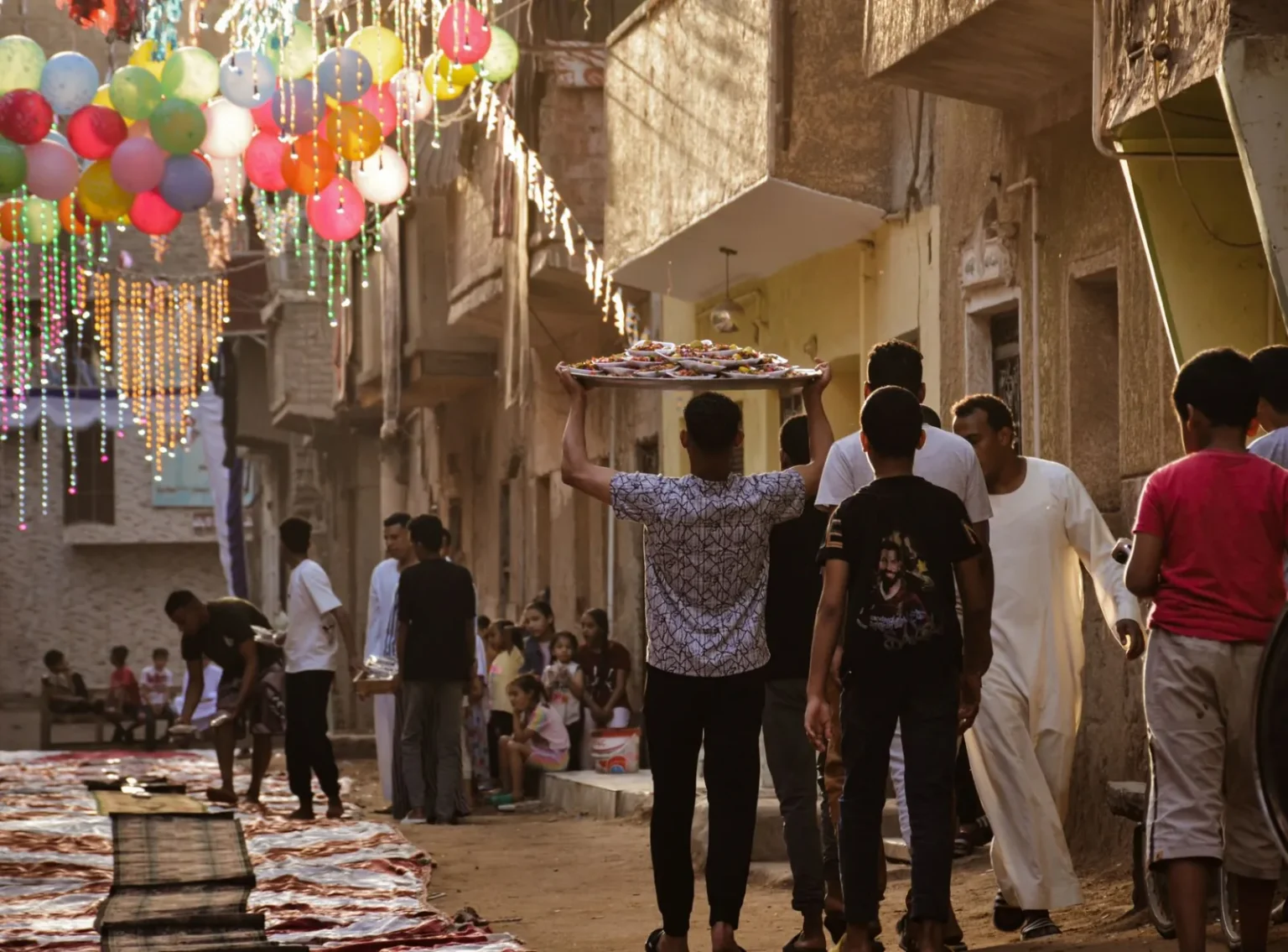
Cairo’s neighborhood festivals are more than mere events; they are vibrant celebrations that encapsulate the city’s rich cultural traditions. These festivals often involve the entire community, showcasing local customs, food, music, and art. By participating, you can experience the authentic essence of Cairo, one that is often overshadowed by its well-known tourist attractions.
- Understanding Cairo’s Neighborhood Festivals
- 1. The Cultural Significance of Local Celebrations
- 2. Key Neighborhood Festivals to Experience
- 3. Engaging with Local Traditions During Festivals
- 4. Tips for Attending Cairo’s Neighborhood Festivals
- 5. The Impact of Festivals on Community Identity
- 6. A Broader Perspective: Festivals Beyond Cairo
- Conclusion: Embrace the Spirit of Cairo’s Festivals
1. The Cultural Significance of Local Celebrations
Local celebrations in Cairo serve as a way to strengthen community bonds and preserve cultural identity. These festivals are typically rooted in religious observances, historical events, or agricultural cycles. For instance, the annual Mawlid celebrations, marking the birth of the Prophet Muhammad, involve processions, music, and public feasting, drawing participants from various backgrounds. Understanding the context behind these festivals helps you appreciate them more deeply and fosters a connection with the local culture.
2. Key Neighborhood Festivals to Experience
Several neighborhoods in Cairo host unique festivals. Here are a few noteworthy examples:
2.1. The Coptic Christmas Festival in Old Cairo
This festival is celebrated by the Coptic community, featuring religious services, traditional Coptic music, and delicious holiday foods. Attending the festival offers you a glimpse into the rich traditions of one of the oldest Christian communities in the world.
2.2. The Cairo International Film Festival
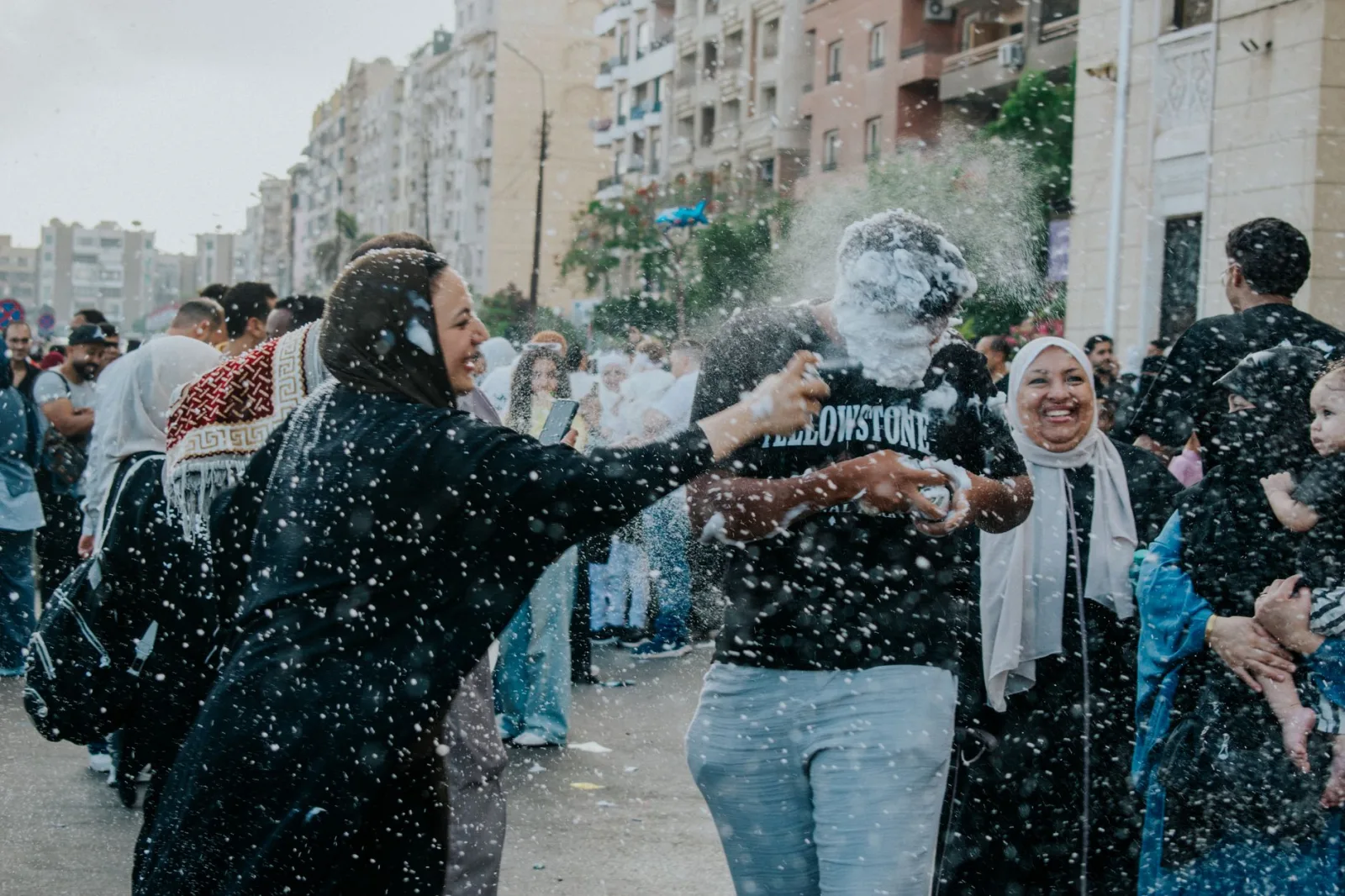
Held annually, this film festival attracts filmmakers and cinephiles from around the globe. It’s an excellent opportunity to see both local and international cinema and engage with local artists and filmmakers. You may find panel discussions and workshops that provide insights into the film industry.
2.3. The Festival of Lanterns in Zamalek
This picturesque neighborhood celebrates the Festival of Lanterns, where vibrant lanterns are lit throughout the streets, accompanied by music and dance performances. It’s particularly stunning at night, as the colorful lanterns illuminate the streets, providing a magical atmosphere.
3. Engaging with Local Traditions During Festivals
Participating in local traditions is key to fully experiencing Cairo’s neighborhood festivals. Here are some practical steps to immerse yourself:
3.1. Try Traditional Foods
Food is at the heart of every festival. Sample local dishes that are often served during festivities. For instance, during the Ramadan festivities, you might enjoy koshari or basbousa, a sweet semolina cake. Engaging with local cuisine is not only delicious but also gives you insight into cultural practices.
3.2. Learn the Dance
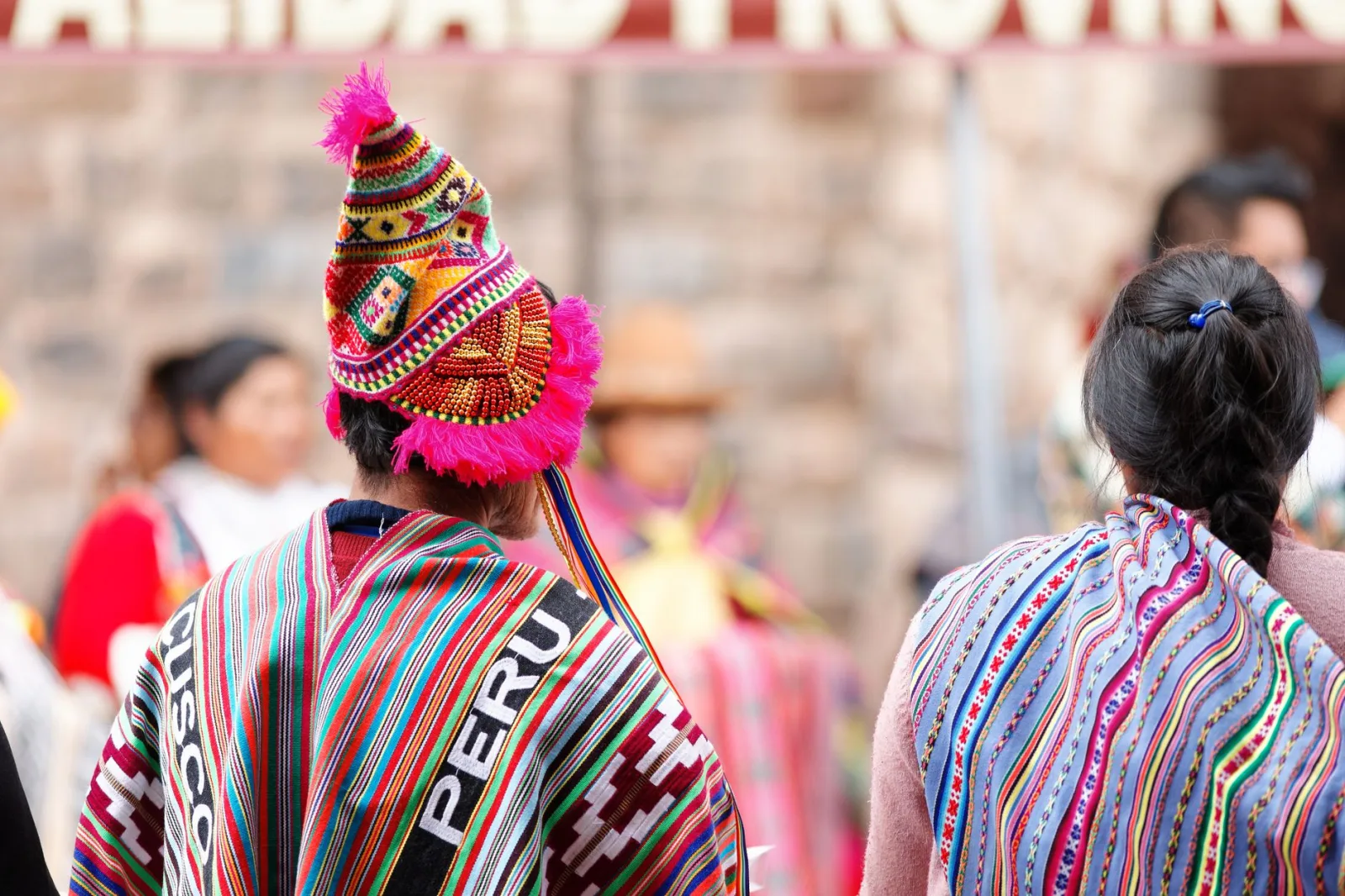
Many festivals feature traditional dances. If you have the chance, join in! Participating in a tanoura dance, characterized by colorful spinning skirts, allows you to feel the rhythm and joy of the celebration. Don’t worry about being perfect; the spirit of participation is what counts.
3.3. Attend Workshops or Performances
Look for workshops that teach traditional crafts such as pottery or weaving. Engaging in hands-on activities is a wonderful way to connect with local artisans and understand the significance of their work.
4. Tips for Attending Cairo’s Neighborhood Festivals
To make the most out of your festival experience, consider the following tips:
4.1. Dress Appropriately
Cairo can be hot, especially during summer festivals. Wear light, breathable clothing and comfortable shoes, as you may find yourself walking or standing for long periods. Additionally, respect local customs by dressing modestly, particularly in religious contexts.
4.2. Be Mindful of Local Customs
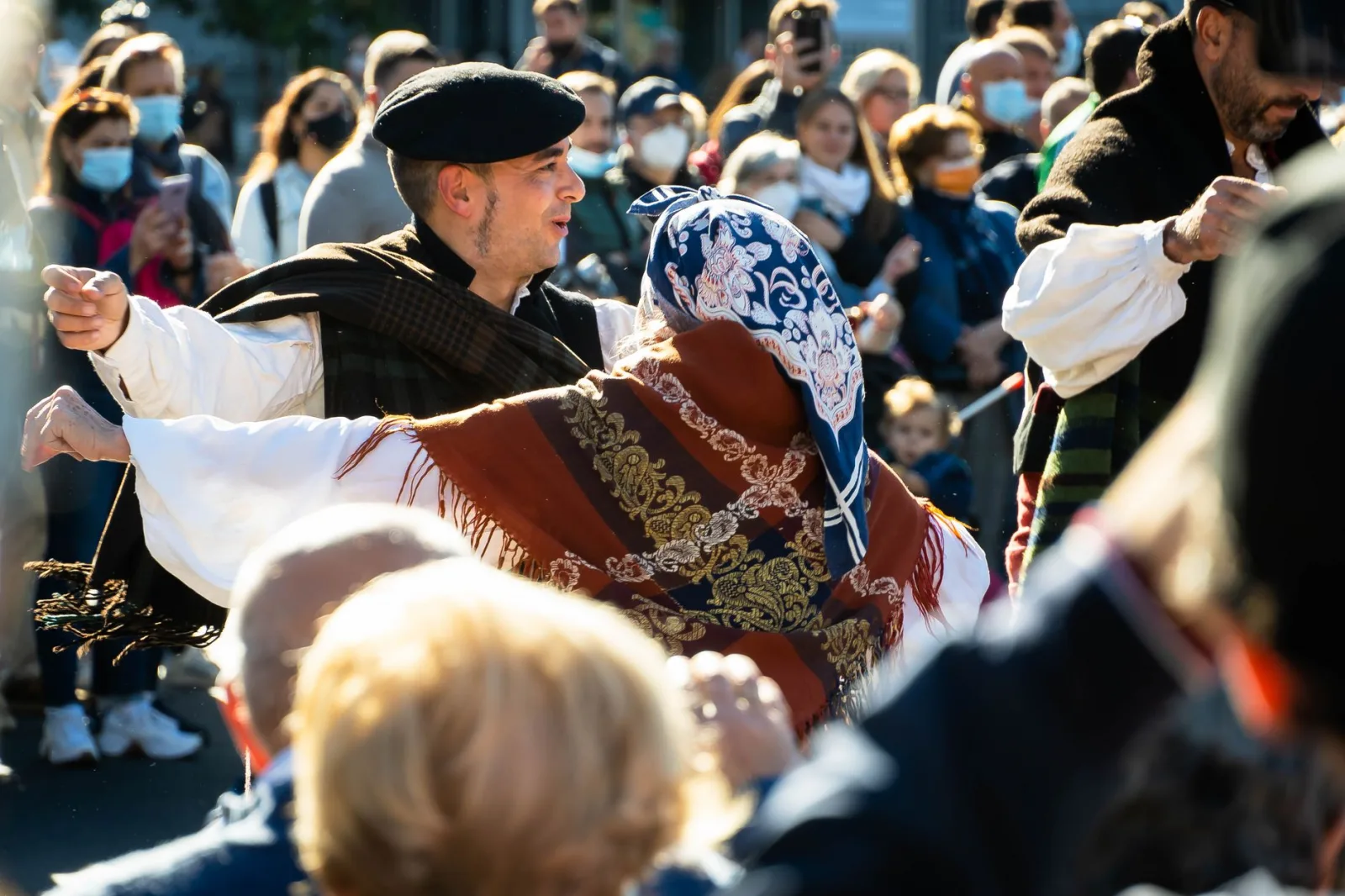
Every festival has its own set of customs. For example, during Ramadan, it’s respectful to refrain from eating or drinking publicly during daylight hours. Observing and adhering to these customs enhances your experience and demonstrates respect for the local culture.
4.3. Engage with the Locals
Don’t hesitate to strike up conversations with locals. Most are happy to share their traditions and stories with visitors. You might learn something new or even receive an invitation to join a local family’s celebrations, which can provide a more intimate experience.
5. The Impact of Festivals on Community Identity
Neighborhood festivals play a crucial role in shaping community identity. They provide a platform for self-expression and cultural pride. For example, the annual Cairo Festival for Folk Arts showcases traditional Egyptian music, dance, and crafts, highlighting the cultural diversity present within the city. Attending these events helps you understand how local communities maintain their unique identities amidst a rapidly changing world.
6. A Broader Perspective: Festivals Beyond Cairo
While this guide focuses on Cairo, many other cities in Egypt celebrate their own unique festivals. For instance, the Alexandria International Festival for Contemporary Theatre offers a different cultural flavor, combining local and international theatrical traditions. Exploring such festivals can provide a broader perspective on Egypt’s rich cultural tapestry.
Conclusion: Embrace the Spirit of Cairo’s Festivals
Experiencing Cairo’s neighborhood festivals is an enriching journey into the heart of the city’s cultural traditions. As you engage with local celebrations, remember the importance of respect, openness, and participation. Each festival offers you a unique window into the lives of Cairo’s inhabitants and their storied past. To deepen your understanding of the city, consider exploring local culinary heritage through traditional dishes, or discover more about Cairo’s vibrant neighborhoods in navigating local neighborhoods. By embracing the spirit of these festivals, you not only gain memorable experiences but also contribute to the preservation of these vital cultural traditions.