




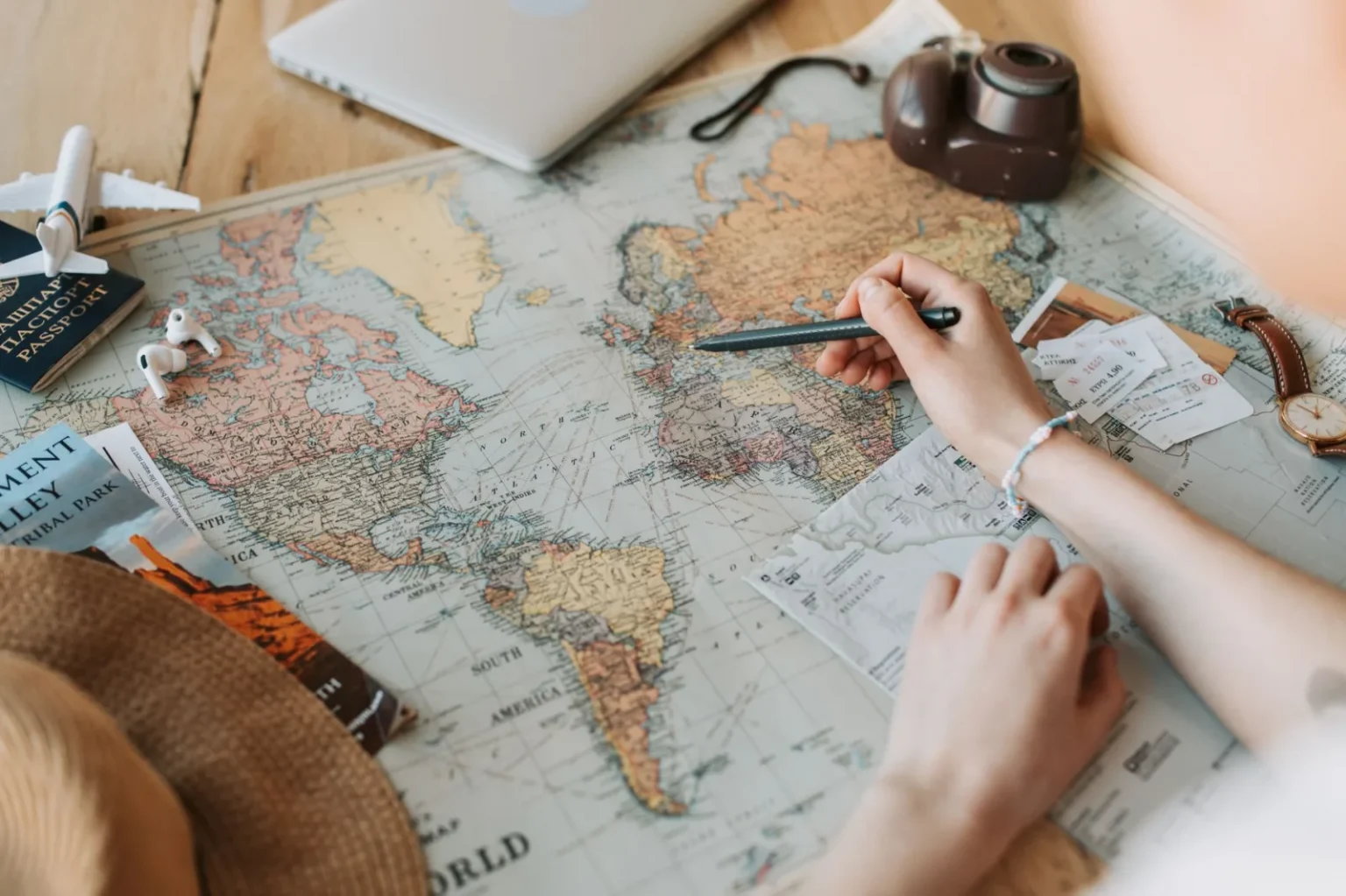

Understanding Travel Anxiety
Travel anxiety is a common experience affecting many people, manifesting as feelings of worry or dread before and during a trip. Understanding that these feelings are valid can be the first step in managing them effectively. You might feel anxious for various reasons: fear of flying, concerns about unfamiliar places, or even the pressure of planning a perfect itinerary.
Recognizing Your Triggers
Identifying the specific aspects of travel that trigger your anxiety is essential. Common triggers might include:
- Transportation methods: Are you uneasy about flying, driving long distances, or taking public transport?
- Unfamiliar environments: Does the thought of being in a new city or culture make you uncomfortable?
- Social interactions: Do you feel anxious about meeting new people or navigating language barriers?
By pinpointing what causes your anxiety, you can begin to formulate coping strategies tailored to your needs.

Coping Strategies for Travel Anxiety
Once you identify your triggers, implementing coping strategies can be highly beneficial. Here are some practical methods to consider:
- Plan Ahead: Create a detailed travel plan, including accommodations, transportation, and daily activities. This can provide a sense of control and reduce uncertainty. You might find it helpful to refer to resources like Creating a Flexible Travel Plan to adapt your itinerary as needed.
- Practice Mindfulness: Engaging in mindfulness techniques can help ground you in the present. Techniques such as deep breathing, meditation, or even focusing on your surroundings can reduce feelings of anxiety. For instance, take a moment to observe the colors and sounds around you when you start feeling overwhelmed.
- Use Positive Visualization: Before your trip, visualize yourself enjoying the experience. Imagine the sights, sounds, and feelings of being in your destination. This not only prepares your mind but can also shift your focus from fear to excitement.
- Stay Connected: Bringing along a travel companion can provide emotional support. If you’re traveling alone, schedule regular check-ins with family or friends via calls or messages to share your experiences and feelings.
- Limit Information Overload: While it’s important to be informed, too much information can contribute to anxiety. Choose a few trusted sources for your travel details instead of overwhelming yourself with endless articles and opinions.
Adopting Mindful Travel Practices
Mindful travel is about being present and engaged in your journey, which can significantly reduce anxiety. Here are some techniques to incorporate:
- Start Small: If you’re apprehensive about travel, start with shorter trips. This allows you to gradually build confidence and gain experience without overwhelming yourself.
- Limit Your Itinerary: It’s tempting to cram as much as possible into your travel schedule, but this can lead to burnout. Focus on a few key attractions or experiences that genuinely interest you, rather than trying to see everything.
- Embrace Flexibility: Be open to changes in your plans. Delays, cancellations, or unexpected events can happen. Adapting to these changes can reduce stress. Refer to Creating a Flexible Travel Plan for tips on how to adjust your itinerary on the go.

Real-World Example: A Case Study
Consider Sarah, a frequent traveler who often experienced anxiety before her trips. She realized her triggers were primarily related to flying and the fear of missing out on key experiences. To address this, she began implementing several strategies:
- She booked direct flights to avoid layover stress.
- Sarah created a travel checklist to ensure she had everything she needed.
- She practiced deep breathing exercises before and during flights, which calmed her nerves significantly.
By applying these techniques, Sarah found that her travel experiences transformed from anxiety-laden to enjoyable adventures.
When to Seek Professional Help
There may be instances when self-help strategies are not enough to manage your travel anxiety. If you find that your anxiety is causing significant distress or interfering with your ability to travel, it might be time to seek professional help. A therapist can work with you to develop personalized coping strategies and techniques to manage anxiety effectively.
Preparation and Packing Tips
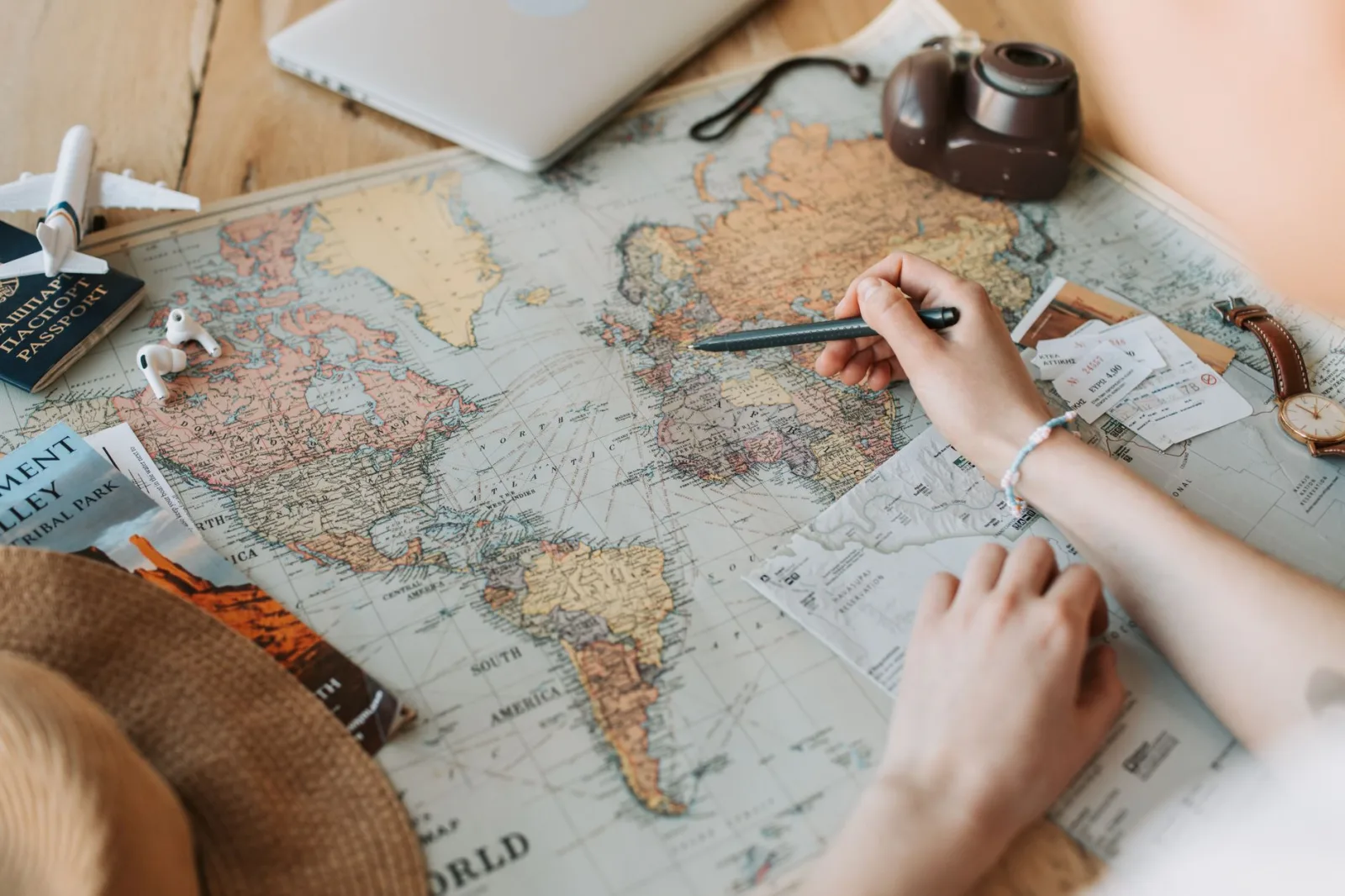
How you prepare for your trip can also influence your anxiety levels. Here are some tips to consider:
- Mindful Packing: Choose what to bring carefully. Overpacking can create unnecessary stress. For guidance, check out The Art of Mindful Packing.
- Pack Comfort Items: Include items that provide comfort, such as a book, a favorite snack, or a travel pillow. These can help ease anxiety during travel.
- Prepare for the Unexpected: Pack a small emergency kit with essentials like medications, a portable charger, and snacks. Being prepared can alleviate worries about potential mishaps.
Conclusion: Key Takeaways
Travel anxiety is a common challenge, but with the right techniques and strategies, you can navigate it successfully. Start by understanding your triggers, implement coping strategies, and adopt mindful travel practices. Remember, it’s okay to seek help if needed. By preparing thoughtfully and embracing flexibility, you can transform your travel experience from anxiety-ridden to enjoyable. The goal is not perfection; it’s about creating meaningful memories and enjoying your journey.