





Understanding Travel Anxiety
Travel anxiety is a common experience that affects many individuals planning a trip. It encompasses feelings of fear, unease, and apprehension about traveling. These feelings can stem from various sources, such as fear of flying, concerns about safety, or uncertainty about navigating a new environment. Understanding the roots of your travel anxiety is the first step toward managing it effectively.
The Importance of Emotional Resilience
Emotional resilience refers to your ability to adapt to stress and adversity. It’s like a mental buffer that helps you bounce back from challenging experiences, including travel-related stress. Building emotional resilience allows you to face uncertainties with a positive mindset, making it easier to navigate unexpected situations during your travels. Imagine resilience as a flexible tree that bends in the wind but does not break. You can cultivate this trait through various coping strategies.
Identifying Triggers of Travel Anxiety
Before you can tackle travel anxiety, you need to identify what triggers your feelings of unease. These triggers may differ for everyone. Common triggers include:
- Fear of the Unknown: Unfamiliar destinations can cause discomfort.
- Logistical Worries: Concerns about flights, accommodations, and transportation can be overwhelming.
- Social Anxiety: Interaction with strangers or navigating social norms in new cultures may heighten anxiety levels.
Take a moment to reflect on your personal triggers. Understanding these can help you devise specific coping strategies tailored to your needs.
Practical Coping Strategies for Travel Anxiety
Here are several practical steps you can take to manage your travel anxiety effectively:

1. Prepare and Plan Ahead
Preparation is key to reducing anxiety. Create a detailed itinerary that outlines your travel plans, including accommodation details, transportation options, and activities. This roadmap gives you a sense of control over your journey. For instance, if you’re heading to Europe, consider reading What to Pack for Your Trip to Europe to ensure you’re well-prepared.
2. Practice Mindfulness Techniques
Mindfulness involves being present and fully engaged in the moment. Practicing mindfulness techniques, such as deep breathing or meditation, can help ground you when anxiety arises. For example, before boarding a flight, take a few minutes to close your eyes, breathe deeply, and focus on your breath. This practice calms your mind and reduces feelings of panic.
3. Visualize a Positive Experience
Visualization is a powerful tool. Before your trip, spend time imagining yourself enjoying your journey. Picture the sights you’ll see, the people you’ll meet, and the experiences you’ll have. This can help shift your focus from anxiety to excitement, fostering a more positive mindset.
4. Develop a Support System
Having a support system in place can alleviate travel anxiety. Share your travel plans with friends or family who can offer encouragement and reassurance. If traveling alone, consider connecting with other travelers through social media or forums. Knowing that others share similar experiences can be comforting.
5. Embrace Flexibility
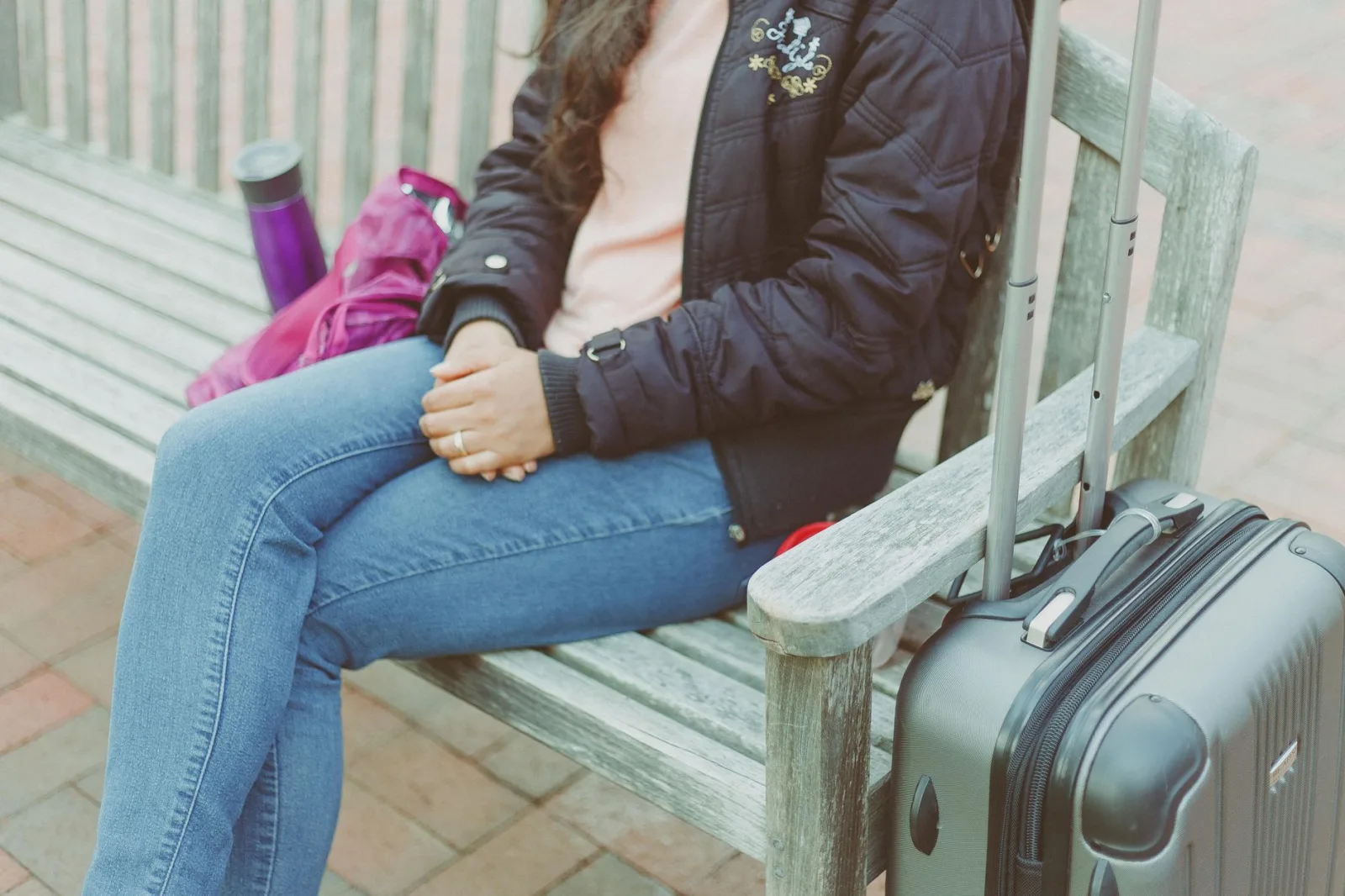
One of the most effective ways to cope with travel anxiety is to embrace flexibility. Understand that things may not always go as planned, and that’s okay. Whether it’s a delayed flight or a change in your itinerary, remaining adaptable can reduce feelings of stress. Think of it as a dance; sometimes, you need to change your steps to keep moving.
6. Stay Informed
Knowledge is power. Familiarize yourself with your destination’s culture, customs, and potential challenges. This can help quell fears associated with the unknown. For instance, reading about local customs can prepare you for interactions, reducing social anxiety. You can explore how to effectively communicate with locals in our guide How to Effectively Communicate with Locals.
7. Seek Professional Help if Needed
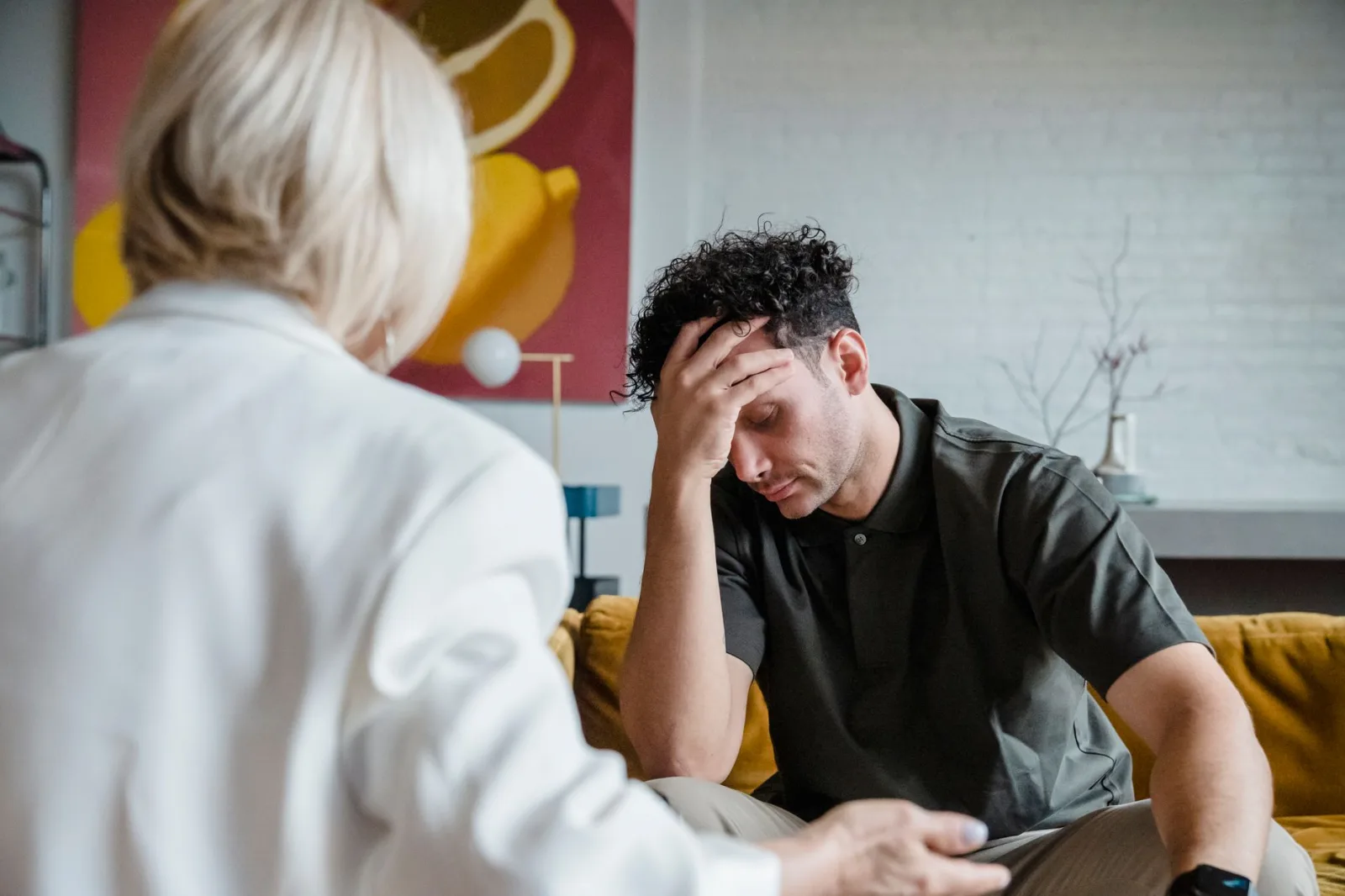
If your travel anxiety feels overwhelming, consider seeking professional support. A therapist or counselor can provide valuable coping strategies tailored to your situation. They can help you develop a robust plan for managing anxiety during your travels.
Building Long-Term Emotional Resilience
While the strategies mentioned above are effective for immediate coping, building long-term emotional resilience is essential for lasting change. Here are some practices you can incorporate into your daily life:
1. Develop Healthy Coping Mechanisms
Instead of resorting to avoidance behaviors, cultivate healthy coping mechanisms such as exercise, journaling, or engaging in hobbies. These activities can enhance your emotional well-being and prepare you to handle travel-related stress better.
2. Foster Positive Relationships
Surround yourself with supportive individuals who uplift and encourage you. Positive relationships can act as a protective factor against anxiety and enhance your overall emotional resilience.
3. Challenge Negative Thoughts
Learn to recognize and challenge negative thought patterns that contribute to anxiety. For instance, if you find yourself thinking, “What if I get lost?” reframe that thought to, “I can use a map or ask for help if needed.” This shift in thinking can empower you to face uncertainty more confidently.
4. Engage in Self-Care Practices
Regular self-care is vital for maintaining emotional health. Prioritize activities that nurture your well-being, whether it’s reading, exercising, or spending time in nature. The better you care for yourself, the more resilient you become.
Summary and Key Takeaways
Navigating travel anxiety can be challenging, but with the right coping strategies and a focus on building emotional resilience, you can transform your travel experiences. Remember:
- Identify your anxiety triggers to tailor your coping strategies.
- Preparation and planning can significantly reduce anxiety.
- Practice mindfulness and visualization techniques to foster a positive mindset.
- Embrace flexibility and remain adaptable to unexpected changes.
- Consider seeking professional help if anxiety becomes overwhelming.
By implementing these strategies, you’ll not only manage travel anxiety but also enhance your overall travel experiences. Embracing uncertainty as part of the adventure allows you to explore the world with greater confidence and joy.