




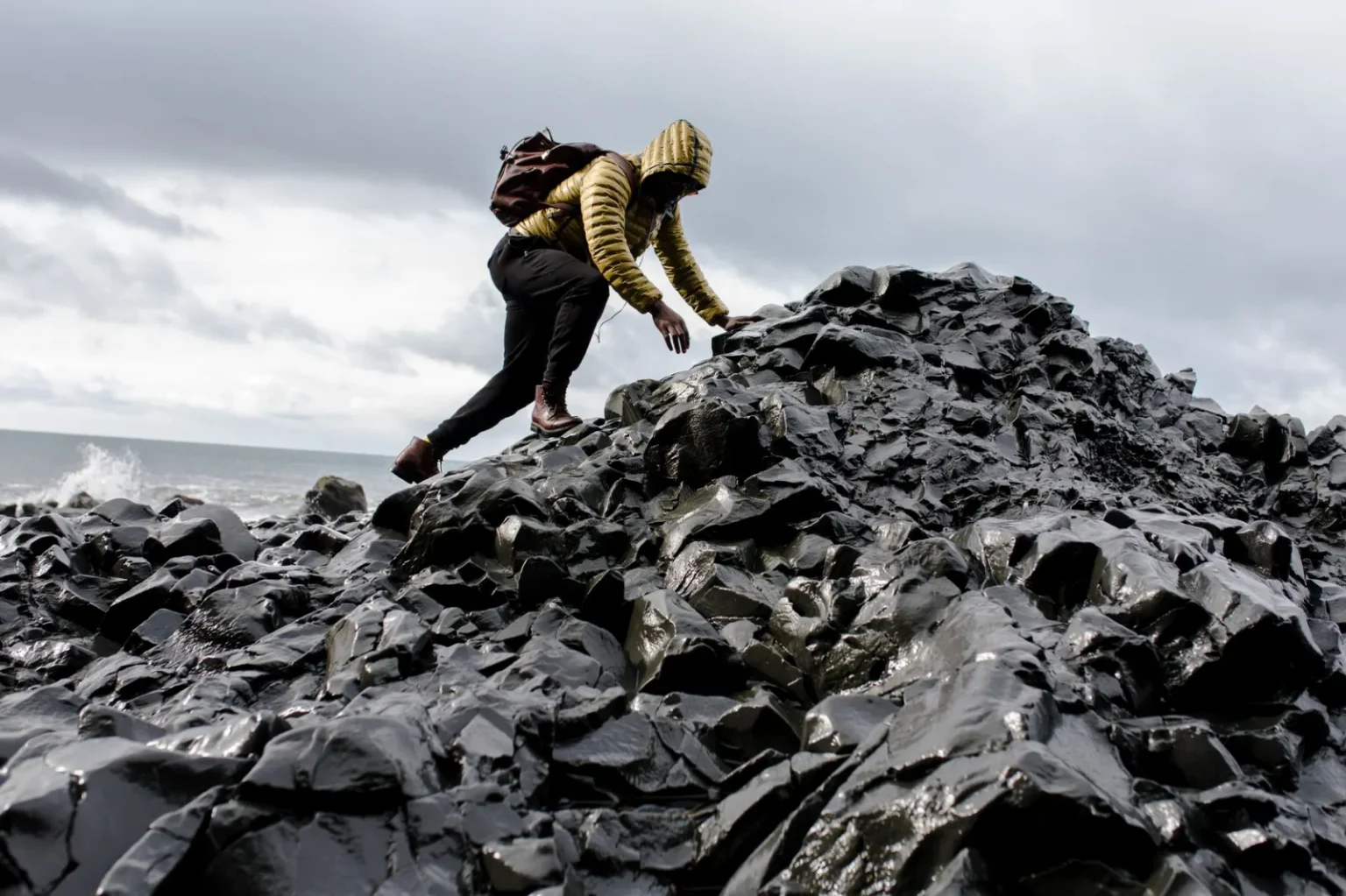

Understanding Travel Resilience
Travel resilience refers to the ability to adapt to challenges and setbacks while traveling. It involves mental toughness—the capacity to remain focused and composed in the face of uncertainty or adversity. When you build travel resilience, you equip yourself to handle unexpected situations, which can range from lost luggage to missed flights or cultural misunderstandings. This adaptability can significantly enhance your travel experience, allowing you to enjoy your journey rather than fixate on problems.
The Importance of Mental Toughness in Travel
Mental toughness is crucial for travelers for several reasons. Firstly, it helps you maintain a positive attitude, even in demanding situations. For example, if you face a sudden change in weather that disrupts your plans, a resilient mindset allows you to pivot and find alternative activities. Additionally, mental toughness fosters decision-making skills, enabling you to assess situations and respond effectively rather than react impulsively. Cultivating this skill can lead to more enriching travel experiences.

Steps to Build Travel Resilience
To enhance your travel resilience, consider these practical steps:
- 1. Prepare Mentally Before Your Trip: Anticipate potential challenges. For instance, research cultural norms and local customs in your destination. Understanding what to expect can reduce anxiety and enhance your confidence.
- 2. Develop Problem-Solving Skills: Practice resolving minor issues in your daily life. For example, if your morning routine is disrupted, think of alternative solutions rather than getting frustrated. This skill will serve you well when travel hiccups occur.
- 3. Adopt a Flexible Mindset: Embrace the idea that not everything will go as planned. A common mistake is to have rigid expectations. Instead, view changes as opportunities to explore new experiences. For example, if a tour is canceled, consider exploring the area on foot instead.
- 4. Build a Support Network: Connect with fellow travelers or locals during your trips. Sharing experiences can provide emotional support and valuable insights. For instance, joining travel groups or forums can help you learn from others who have faced similar challenges.
- 5. Practice Mindfulness: Engage in mindfulness techniques, such as deep breathing or meditation, to stay grounded. When faced with stress, practicing mindfulness can help you regain focus and clarity.
- 6. Reflect on Past Experiences: After each trip, take time to reflect on what went well and what didn’t. Understanding your responses to challenges can help you improve your resilience for future travels.
- 7. Take Care of Your Well-Being: Ensure you’re physically and mentally prepared for your journey. This includes getting enough rest, staying hydrated, and maintaining a balanced diet. Prioritize health to enhance your travel experience.
Real-World Examples of Travel Resilience
Let’s understand this with a simple example. Consider a traveler who plans a hiking trip. Upon arrival, they discover that a key trail is closed due to unforeseen weather conditions. Instead of feeling defeated, a resilient traveler might consult local maps and find an alternative path that leads to a stunning viewpoint. They might even meet new friends along the way, turning a setback into an exciting adventure. This scenario illustrates how travel resilience allows for creative problem-solving and enjoyment, despite unexpected challenges.
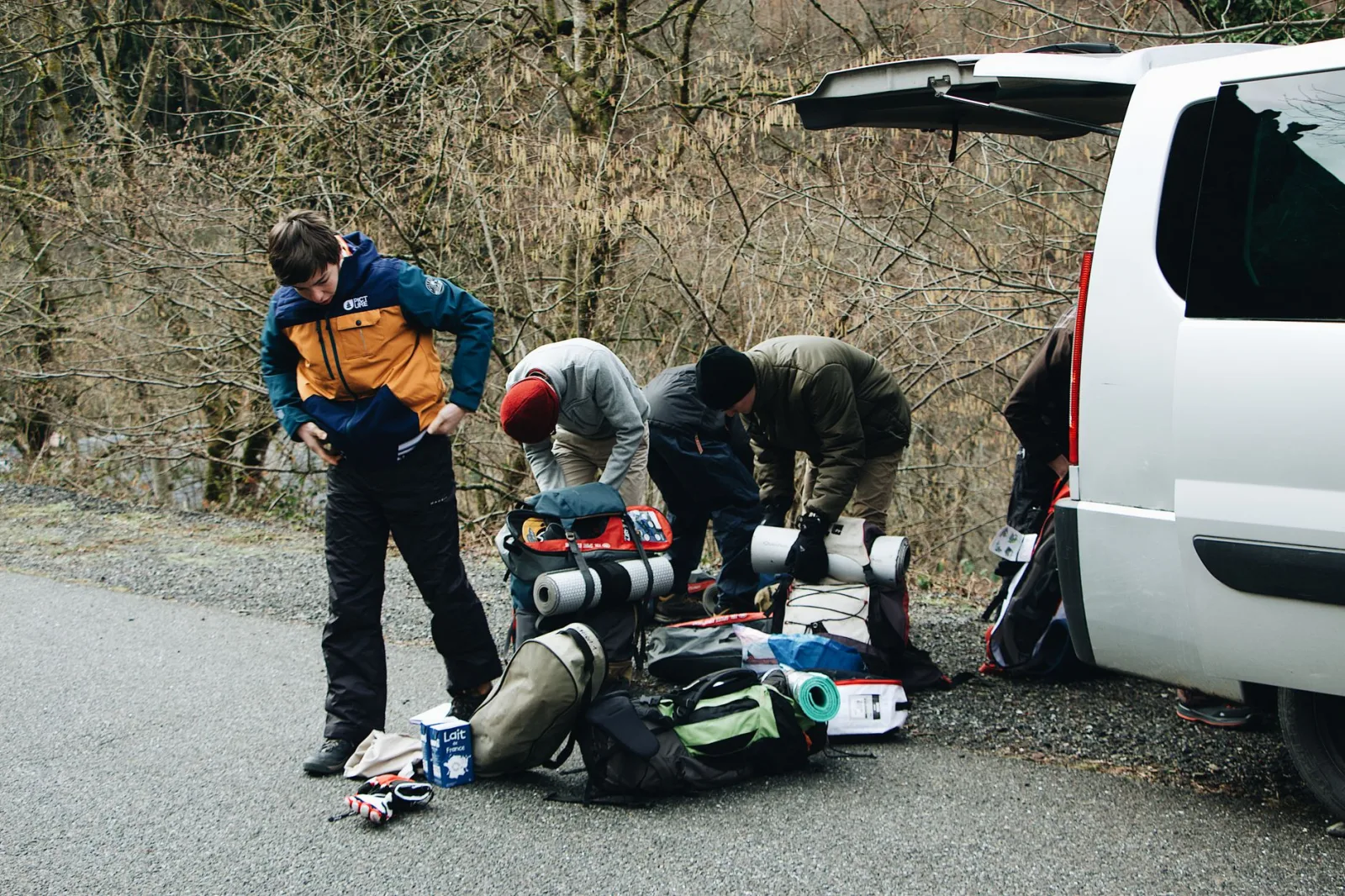
Tips for Adventure Preparation
Effective adventure preparation can significantly enhance your travel resilience. Here are some tips to consider:
- Research Thoroughly: Understand your destination’s climate, terrain, and culture. This helps you pack appropriately and prepares you for local customs. For packing tips, check out Mastering the Art of Packing.
- Set Realistic Goals: Instead of cramming too many activities into your itinerary, prioritize quality over quantity. This approach reduces stress and allows for spontaneous discoveries.
- Stay Organized: Keep important documents, such as itineraries and identification, easily accessible. Having a well-organized travel plan can alleviate anxiety.
- Practice Patience: Travel often involves waiting—whether at airports or while navigating public transportation. Embrace these moments as opportunities to relax or observe your surroundings. For insights on this approach, read The Art of Slow Travel.
Warning: Overcoming Travel Anxiety
While building travel resilience is vital, it’s also essential to acknowledge travel anxiety. Many travelers experience apprehension regarding flights, unfamiliar environments, or language barriers. To manage this anxiety, you might consider the following:
- Practice Breathing Exercises: Before your trip, practice deep breathing techniques to calm your nerves. This can be particularly useful before boarding a flight.
- Gradually Expose Yourself: If certain travel aspects cause anxiety, gradually expose yourself to them. For example, if flying makes you anxious, start with shorter flights before tackling longer ones.
- Seek Professional Help: If your anxiety feels overwhelming, consider speaking with a mental health professional before your travels. They can provide coping strategies tailored to your needs.

Key Takeaways for Building Travel Resilience
Building travel resilience is an ongoing process that requires intention and practice. Here are some key takeaways to remember:
- Understand the importance of mental toughness in navigating travel challenges.
- Prepare effectively for your trips by researching and planning, but maintain flexibility.
- Practice problem-solving and mindfulness techniques to enhance your resilience.
- Reflect on past travel experiences to foster growth and adaptability.
- Acknowledge and address travel anxiety with effective strategies.
Conclusion: Embracing the Journey
In conclusion, travel resilience is essential for enriching your experiences and making the most of your adventures. By cultivating mental toughness, preparing adequately, and remaining adaptable, you can navigate the complexities of travel with confidence. Remember, it’s not just about the destination; it’s about how you respond to the journey. As you prepare for your next adventure, embrace the uncertainties that come with it, knowing that each challenge presents an opportunity for growth and discovery.