




Understanding Travel Anxiety
Travel anxiety is a common experience that many people face when preparing for a trip. It can manifest as feelings of nervousness, worry, and even physical symptoms such as a racing heart or stomach discomfort. Understanding the root causes of your anxiety is the first step in managing it effectively. Often, travel anxiety stems from fear of the unknown, concerns about travel logistics, or past negative travel experiences.
Identifying Triggers
To effectively manage travel stress, you first need to identify what triggers your anxiety. This can vary from person to person but may include:
- Fear of flying: Many travelers feel anxious about heights or the mechanics of flying.
- Unfamiliar environments: Being in a new place can be intimidating.
- Travel logistics: Concerns over missed flights, lost luggage, or navigating unfamiliar public transport.
Once you pinpoint your specific triggers, you can begin to address them with targeted strategies.
Step 1: Prepare Thoroughly
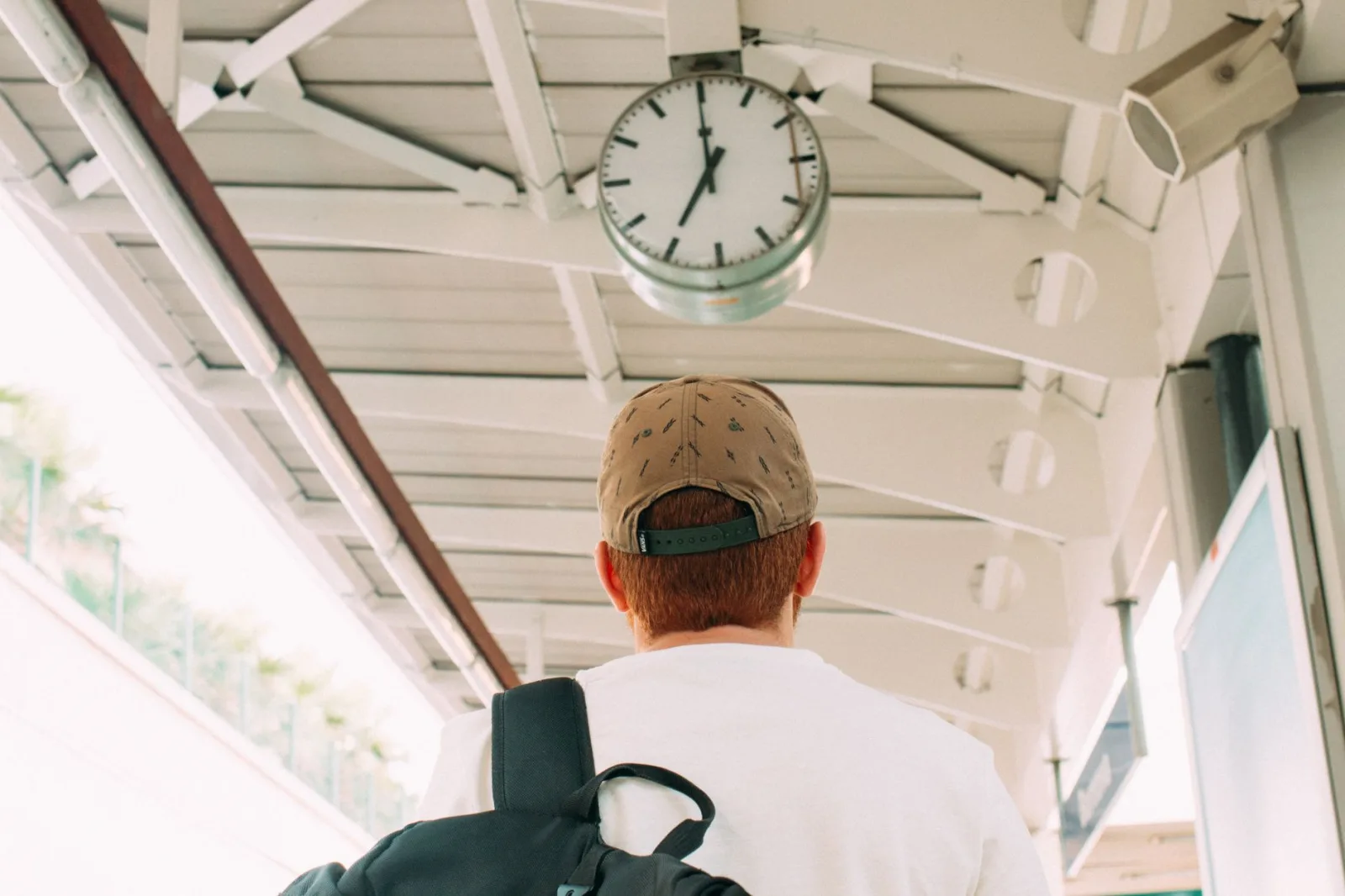
One of the most effective ways to reduce travel anxiety is through thorough preparation. Here are some practical steps:
- Research your destination: Familiarize yourself with the culture, local customs, and language basics. Knowing what to expect can ease anxiety.
- Create a detailed itinerary: Outline your travel plans, including accommodations, transportation, and activities. This helps to eliminate uncertainty.
- Pack smart: Make a packing list to ensure you don’t forget essential items. Include comfort items like a favorite book or travel pillow to ease discomfort.
By preparing extensively, you’ll feel more confident and in control, which can significantly diminish feelings of anxiety.
Step 2: Practice Calming Techniques
Utilizing calming techniques during your journey can help you manage stress as it arises. Here are a few methods you might find helpful:
- Deep breathing: When you start to feel anxious, take a moment to breathe deeply. Inhale for a count of four, hold for four, and exhale for six. Repeat several times.
- Mindfulness meditation: Incorporate short mindfulness exercises into your routine. Focus on your senses—what you see, hear, and feel. This can ground you in the present moment.
- Progressive muscle relaxation: Tense and then relax each muscle group in your body. Start from your toes and work your way up to your head.
These techniques can be practiced anywhere, making them practical tools for calming your mind during travel.
Step 3: Use Positive Visualization
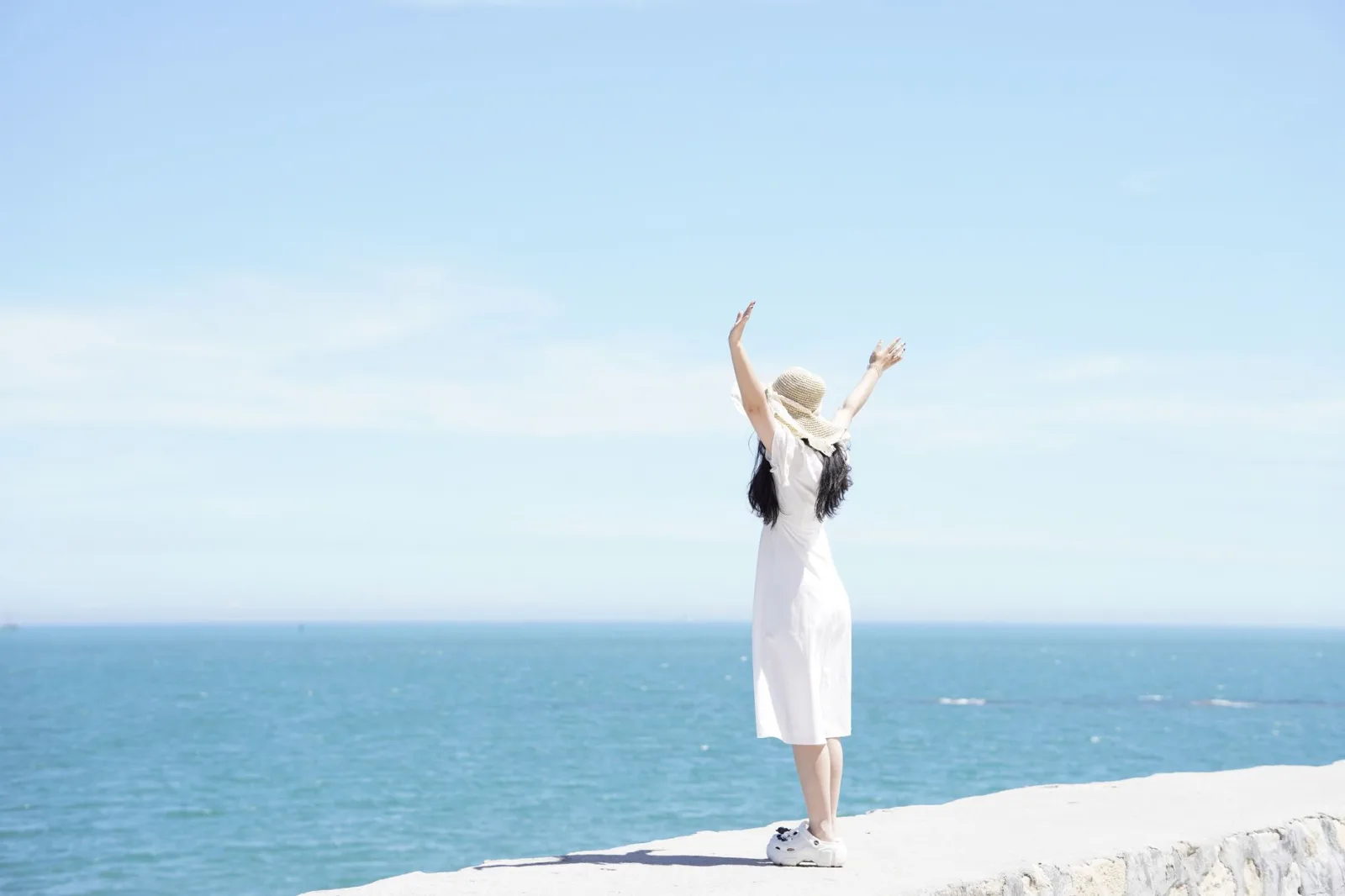
Positive visualization is a powerful tool that involves imagining your trip unfolding positively. Here’s how to implement this technique:
- Visualize the process: Picture yourself going through each stage of your journey—from packing your bags to boarding the plane and arriving at your destination.
- Focus on enjoyable moments: Imagine yourself enjoying your time at the destination, meeting new people, and experiencing new cultures.
- Replace negative thoughts: Whenever a worry arises, consciously replace it with a positive thought or outcome.
This technique helps to reshape your mindset, allowing you to approach travel with enthusiasm rather than dread.
Step 4: Stay Connected
Traveling can feel isolating, especially if you’re in a foreign place. Staying connected with loved ones can provide a sense of comfort. Here are some tips:
- Schedule check-ins: Plan regular video calls or messages with friends or family during your trip.
- Share your experiences: Post updates on social media or share your travel journey through texts. Engaging with others can alleviate feelings of loneliness.
- Join local groups: Look for local meetups or groups that share similar interests. This can help you make new connections and feel more at home.
Connecting with others, whether at home or abroad, can make your journey feel less daunting.
Step 5: Allow for Flexibility
Often, travel anxiety can stem from rigid plans or the fear of the unexpected. Allowing for flexibility in your travel itinerary can help mitigate this stress. Here’s how:
- Plan for downtime: Schedule breaks in your itinerary. This allows you to recharge and adapt to unexpected circumstances.
- Be open to changes: Embrace spontaneity. Sometimes the best experiences come from unplanned adventures.
- Practice adaptability: When things don’t go as planned, remind yourself that it’s part of the travel experience. Try to find joy in the unexpected.
Being flexible can transform potential stressors into opportunities for growth and enjoyment.
Step 6: Seek Professional Help If Needed
If your travel anxiety feels overwhelming, it may be beneficial to seek help from a mental health professional. They can provide tailored strategies and therapies that suit your individual needs. Here are some signs that professional help may be necessary:
- Severe anxiety symptoms: If your anxiety interferes with your ability to travel, it’s a red flag.
- Avoidance behavior: If you find yourself avoiding travel altogether due to anxiety, it’s worth addressing.
- Persistent negative thoughts: If you struggle to shift negative thoughts despite using coping strategies, professional guidance can provide additional support.
Don’t hesitate to reach out for help; addressing your concerns can lead to a more enjoyable travel experience.
Conclusion: Embrace Your Travel Journey
Travel anxiety is a common challenge, but with the right techniques, you can navigate it effectively. By preparing thoroughly, practicing calming techniques, visualizing positive outcomes, staying connected, allowing flexibility, and seeking professional support when needed, you can transform your travel experience. Remember, it’s natural to feel anxious, but don’t let it overshadow the joy of discovering new places and cultures. Embrace your journey with confidence and an open heart.
Key Takeaways:
- Understand your anxiety triggers and address them through preparation.
- Practice calming techniques like deep breathing and mindfulness.
- Utilize positive visualization to foster a positive mindset.
- Stay connected with loved ones and be open to spontaneity.
- Seek professional help if anxiety significantly impacts your travel experiences.