





Understanding Cairo’s Artisan Scene
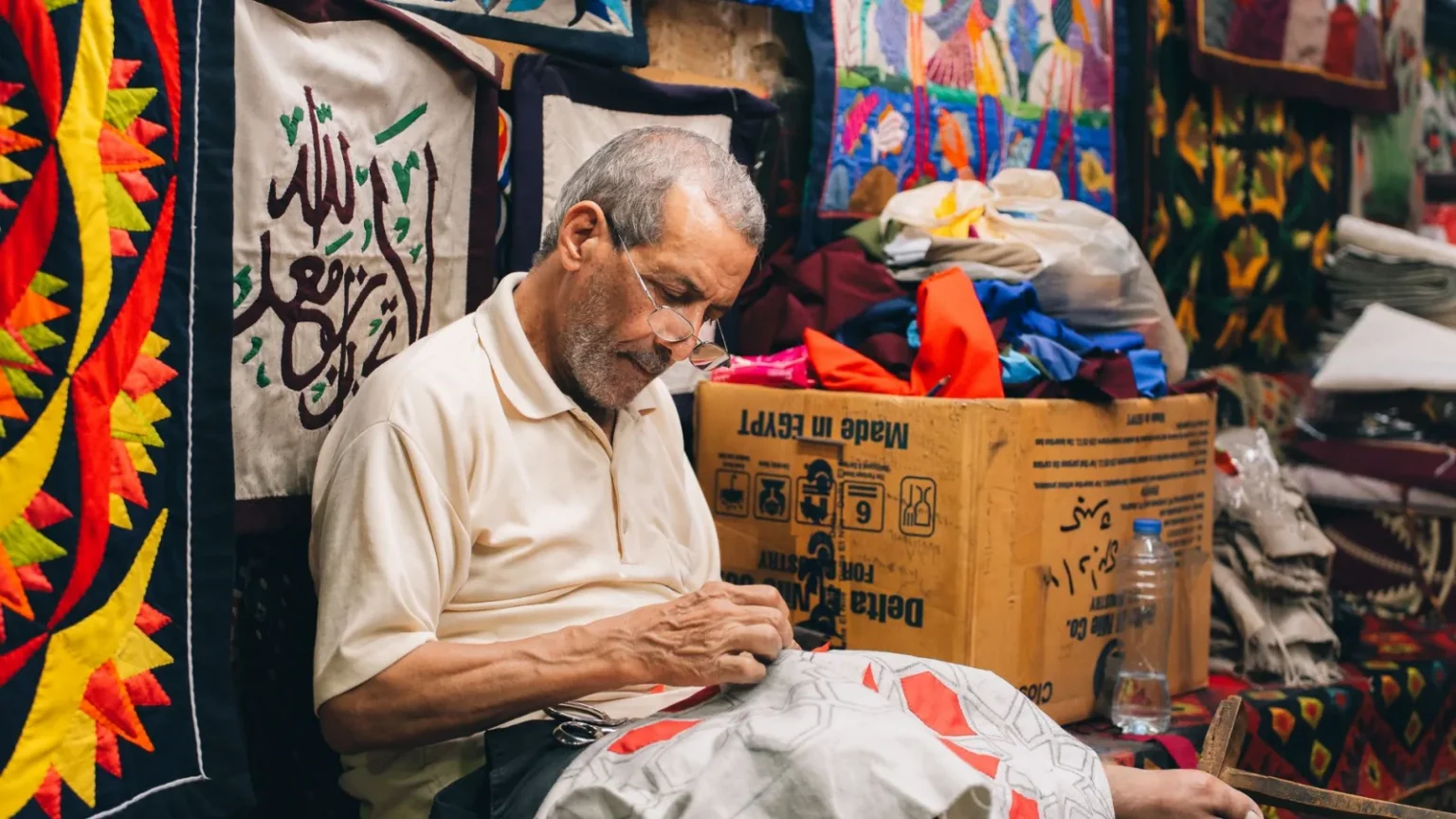
Cairo artisans embody the city’s rich cultural tapestry. Their work is not merely a trade but a reflection of history and identity. Each piece tells a story, often rooted in centuries-old traditions. By exploring these hidden workshops, you gain insight into the craftsmanship that defines Cairo.
The Importance of Local Craftsmanship
Local craftsmanship is essential for cultural preservation. It provides artisans with a means to express their heritage while contributing to the economy. For example, handmade textiles or pottery carry the essence of local traditions. When you purchase such items, you’re not just buying a product; you’re supporting a way of life.

Finding Hidden Workshops
Discovering hidden workshops in Cairo requires a bit of exploration. Here’s how you can go about it:
- Research Areas Known for Artisanship: Start with neighborhoods like Khan El Khalili, where many artisans have set up shop. Maps and local guides can help you locate clusters of workshops.
- Engage with Locals: Ask residents about workshops that might not be advertised. Locals often know where to find the most skilled artisans.
- Participate in Artisan Tours: Consider joining organized tours that focus on artisan workshops. These tours often provide access to places you might miss on your own.
Types of Crafts You’ll Encounter
Cairo’s artisans specialize in various crafts. Here are some examples you might find:
- Pottery: Artisans often create intricate designs using traditional methods. Visiting a pottery workshop allows you to see the entire process from clay to finished product.
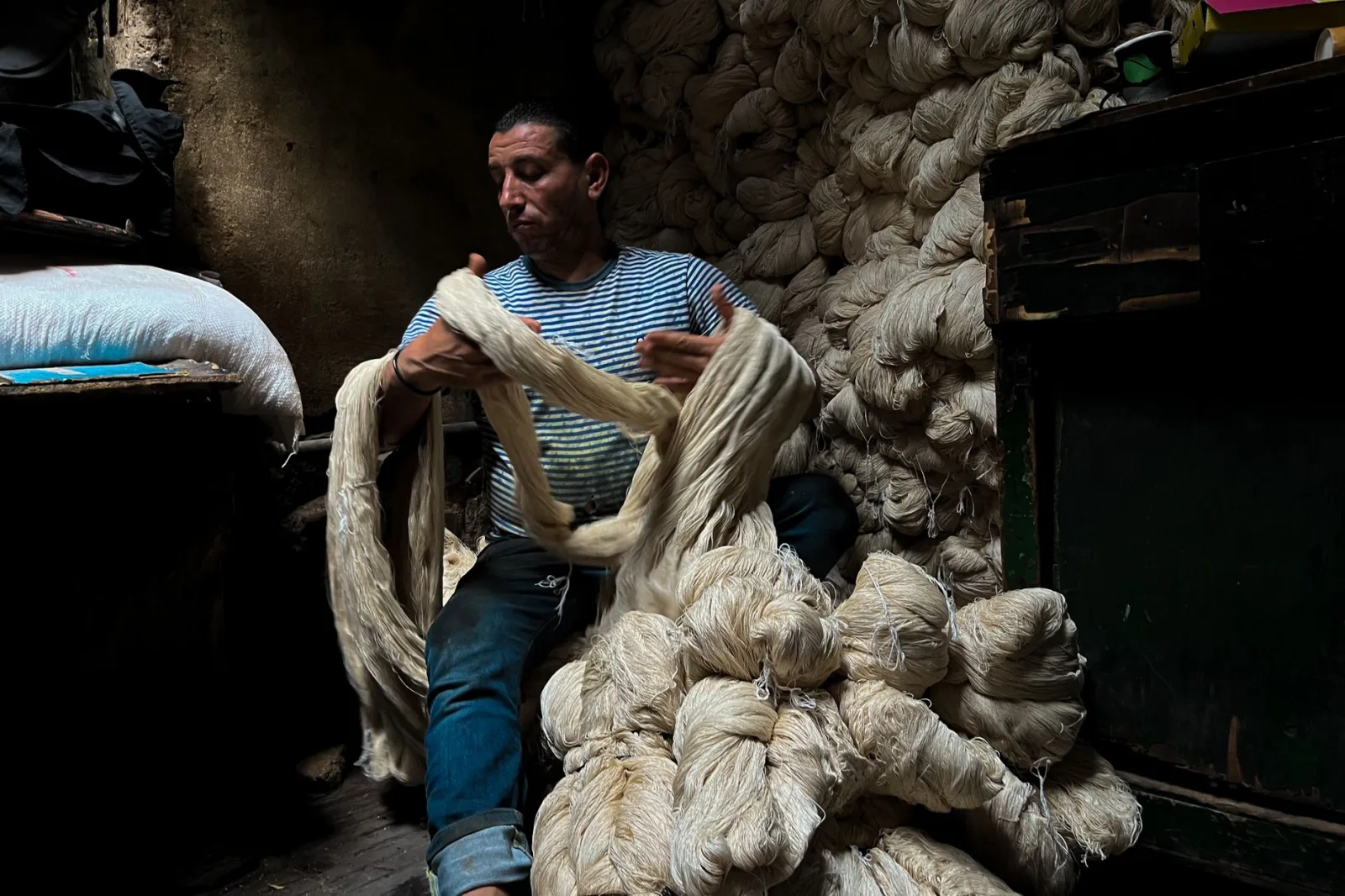
- Textiles: Hand-woven fabrics are a staple in Cairo’s artisan scene. Observing a weaver at work provides insight into the skill and patience required to create beautiful textiles.
- Metalworks: From intricate brass lanterns to silver jewelry, metal artisans showcase their skills through detailed craftsmanship.
Experiencing the Craftsmanship Firsthand
Engaging with artisans can enhance your understanding of their craft. Here are steps to maximize this experience:
- Ask Questions: Don’t hesitate to inquire about techniques and history. Artisans often enjoy sharing their knowledge.
- Participate in Workshops: Many artisans offer classes where you can try your hand at their craft. This immersive experience can deepen your appreciation for their work.
- Document Your Experience: Take notes or photos (with permission) to remember what you learned and saw.
Supporting Local Artisans Ethically
When you purchase from local artisans, it’s crucial to do so ethically. Here are some tips:
- Fair Pricing: Ensure that you are paying a fair price for the craftsmanship. Research typical prices to avoid overpaying or undercutting artisans.
- Buy Directly: Whenever possible, buy directly from the artisans. This ensures they receive the full benefit of your purchase.
- Promote Their Work: Share your experiences on social media or with friends. This can help artisans reach a wider audience.
Conclusion: The Value of Artisan Craftsmanship
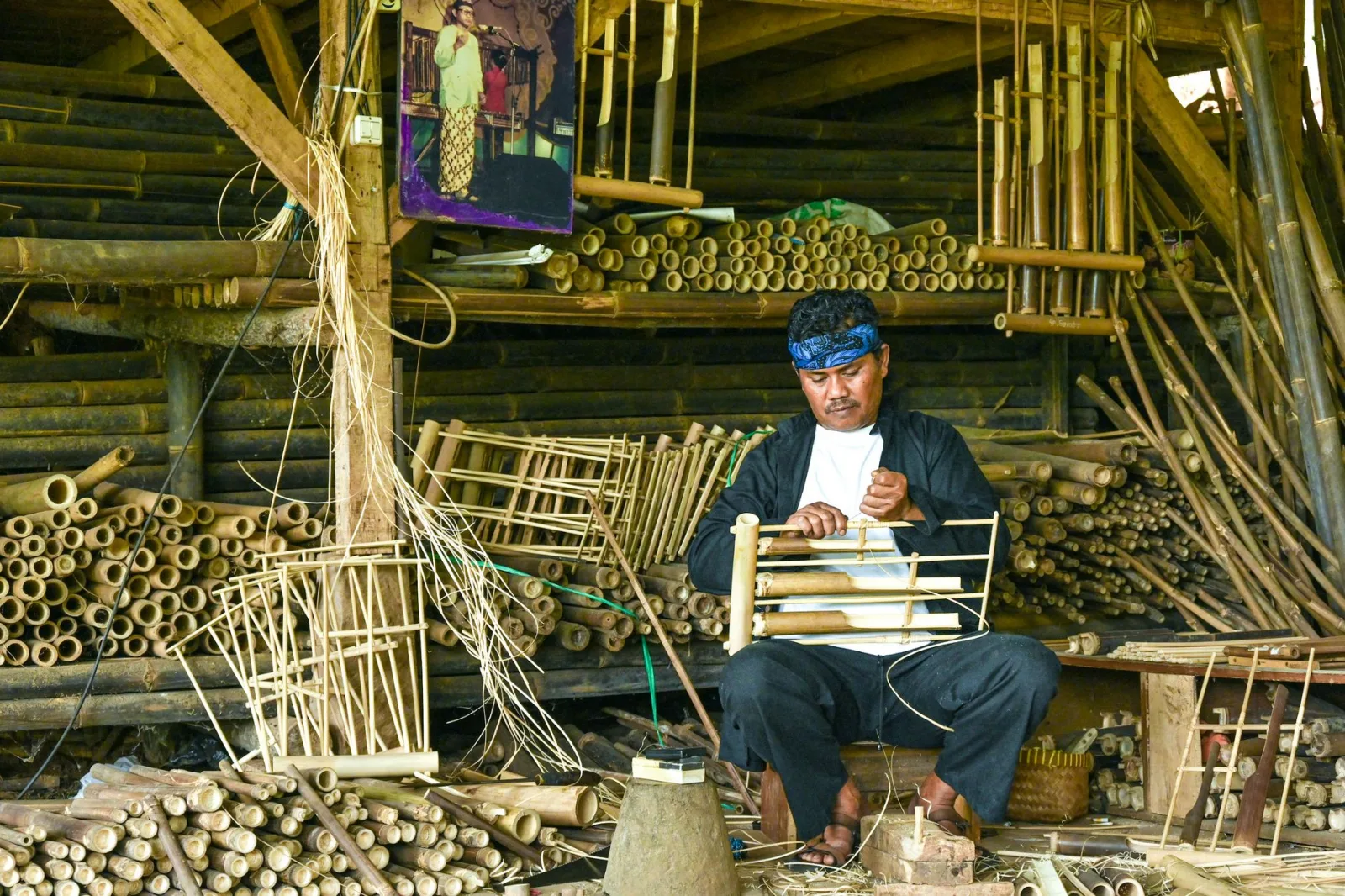
Exploring the hidden workshops of Cairo’s artisans offers a unique insight into the city’s culture. You not only witness the beauty of local craftsmanship but also contribute to preserving these traditions. Remember, every piece you buy carries a piece of the artisan’s heart and soul. By supporting them, you help keep Cairo’s rich heritage alive.
Important note: Always be respectful of the artisans’ workspace and processes. Your willingness to engage and learn can foster meaningful connections and enrich your experience in Cairo.