





Understanding Cairo’s Oral Histories
Cairo’s oral histories are more than just stories; they are vital threads that weave together the fabric of community identity. These narratives, passed down through generations, capture the essence of local life, traditions, and cultural heritage. By exploring these stories, you gain valuable insights into the values, beliefs, and experiences of the people who call Cairo home.
- Understanding Cairo’s Oral Histories
- The Role of Local Storytelling
- How Oral Histories Shape Community Identity
- The Interconnection of Oral Histories and Social Change
- Real-Life Examples of Community Identity Shaped by Storytelling
- Challenges Facing Oral Histories in Modern Cairo
- How You Can Engage with Cairo’s Oral Histories
- Conclusion: The Lasting Impact of Oral Histories on Community Identity
- Key Takeaways
The Role of Local Storytelling
Local storytelling serves as a dynamic medium through which communities express their identities. In Cairo, storytelling occurs in various settings—family gatherings, community events, and even marketplaces. The stories told often reflect historical events, personal experiences, and shared values. For instance, you might hear tales of the 2011 revolution from different perspectives, each revealing a unique aspect of the collective memory.

How Oral Histories Shape Community Identity
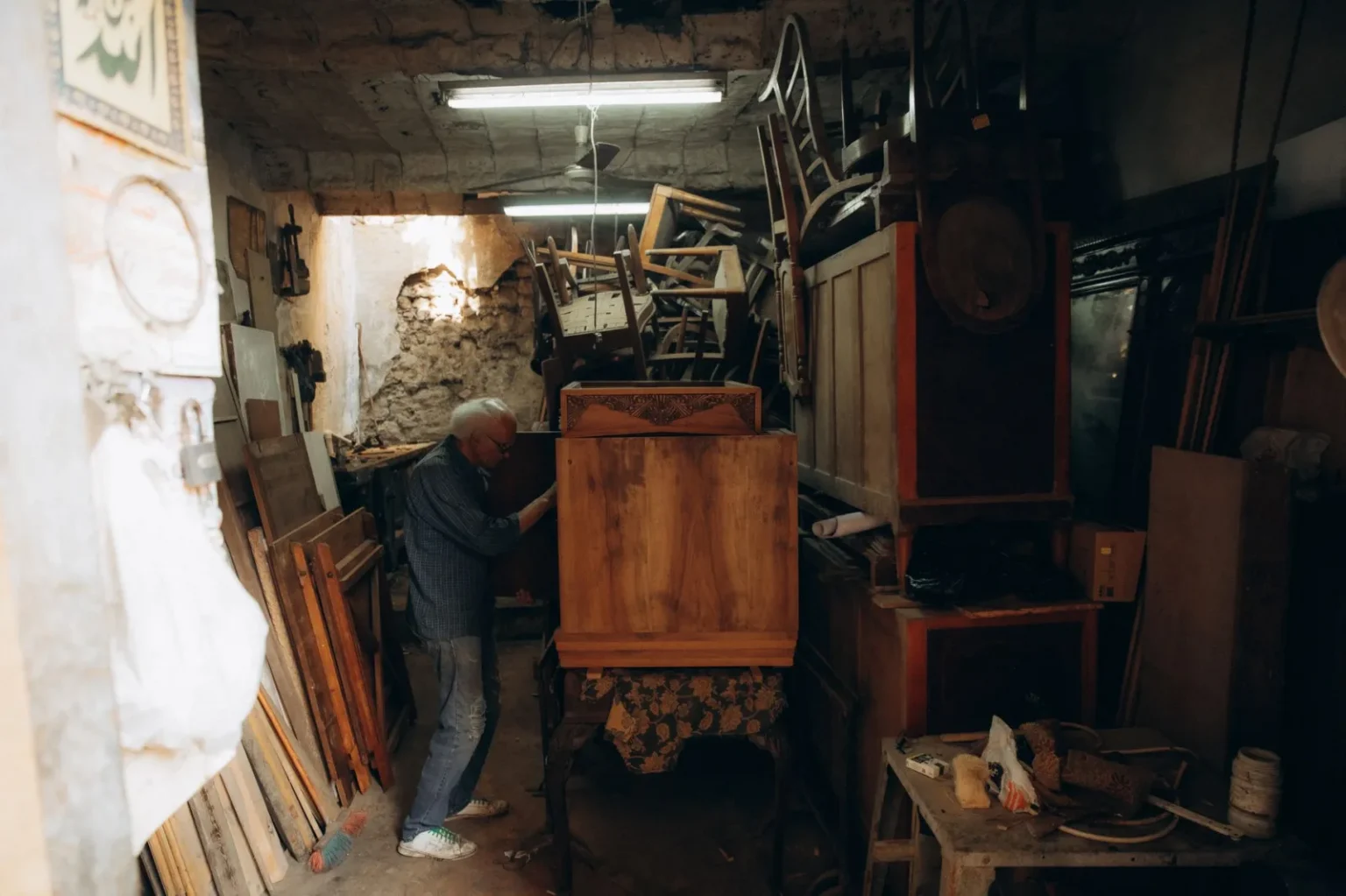
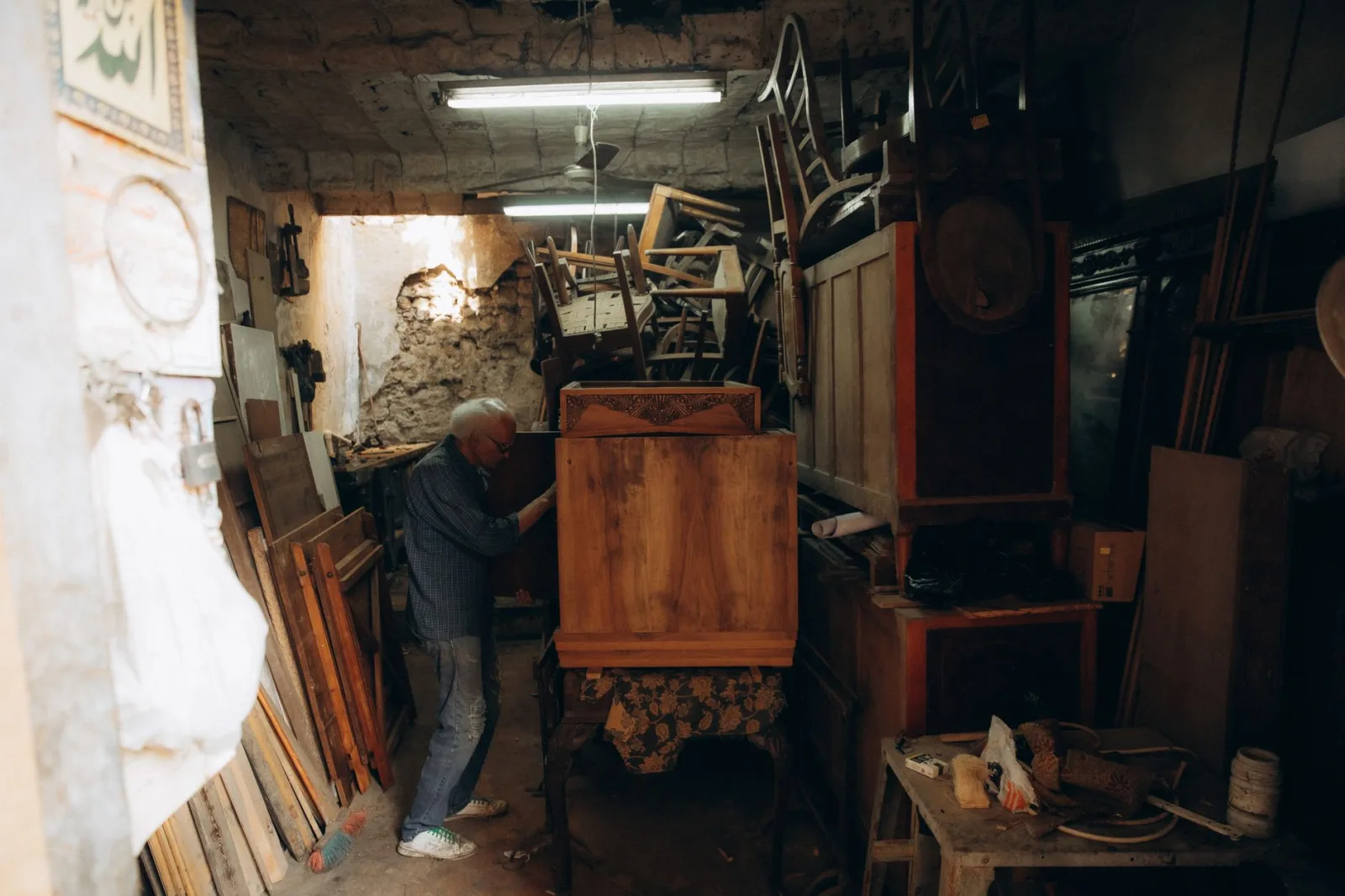
1. **Preservation of Cultural Heritage**: Oral histories act as a repository for cultural heritage. They hold the narratives of the past, preserving languages, traditional practices, and customs that might otherwise fade away. For example, the stories of local artisans, like those featured in A Day in the Life of a Local Cairo Artisan, emphasize the craftsmanship and skills that define Cairo’s artistic identity.
2. **Fostering a Sense of Belonging**: Hearing and sharing stories creates a sense of belonging among community members. This shared experience can strengthen ties and foster solidarity, especially during challenging times. When stories are shared in communal spaces, such as neighborhood cafés, the interaction reinforces connections. You can explore this concept further in Exploring Cairo‘s Neighborhood Cafés.
The Interconnection of Oral Histories and Social Change
Oral histories are not static; they evolve with time and reflect social changes. For instance, as Cairo becomes more cosmopolitan, the oral narratives adapt to include modern experiences. New stories about migration, urbanization, and globalization emerge, enriching the cultural tapestry. This adaptability helps maintain relevance among younger generations who might feel disconnected from traditional narratives.
Real-Life Examples of Community Identity Shaped by Storytelling
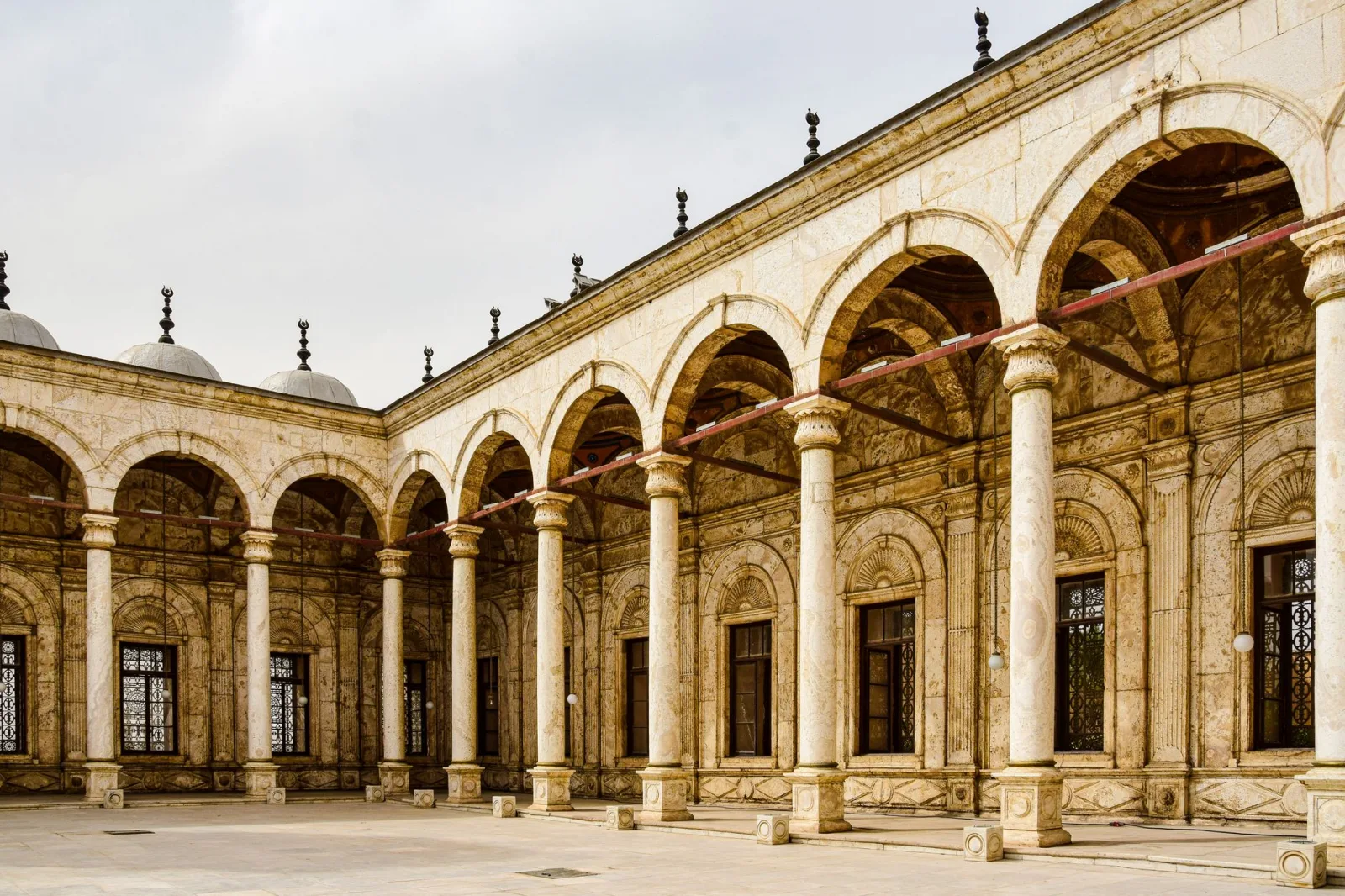
One compelling example is the storytelling sessions held in the streets of Cairo during Ramadan. Here, local storytellers recount tales from Islamic history, weaving in lessons of morality and community values. These gatherings not only entertain but also educate younger generations about their cultural and religious heritage, reinforcing community identity.
Additionally, consider the stories shared during family meals, often centered around traditional recipes. As seen in The Culinary Secrets of Cairo’s Home-Cooked Meals, these narratives not only preserve culinary traditions but also foster intergenerational dialogue, reinforcing family ties and cultural continuity.
Challenges Facing Oral Histories in Modern Cairo
Despite their significance, oral histories face several challenges. Rapid urbanization and globalization often overshadow traditional storytelling practices. Younger generations may gravitate towards digital media, leading to a decline in oral traditions. Important note: To counteract this trend, community initiatives are crucial. Supporting local storytellers and promoting oral history projects can help keep these traditions alive.
How You Can Engage with Cairo’s Oral Histories
Engaging with oral histories can enrich your understanding of Cairo’s culture. Here are a few steps you can take:
- Participate in Local Events: Attend storytelling festivals and cultural events. These gatherings provide opportunities to hear firsthand accounts and connect with local storytellers.
- Document Personal Stories: If you have friends or family in Cairo, encourage them to share their experiences. Recording these narratives can help preserve them for future generations.
- Visit Cultural Institutions: Museums and cultural centers in Cairo often host oral history projects. Engaging with these institutions can deepen your appreciation for local storytelling traditions.
Conclusion: The Lasting Impact of Oral Histories on Community Identity
Cairo’s oral histories serve as a vital component of community identity, offering insights into the values, beliefs, and experiences of its residents. Through local storytelling, communities preserve their cultural heritage while adapting to social changes. As you explore Cairo, immerse yourself in its rich tapestry of narratives, whether through shared meals, community events, or personal interactions. Remember, every story adds a new layer to the vibrant identity of this extraordinary city.
Key Takeaways
- Oral histories in Cairo are essential for preserving cultural heritage and fostering community identity.
- Local storytelling adapts to social changes, reflecting the evolving experiences of the community.
- Engaging with oral histories can enhance your understanding of local culture and traditions.