




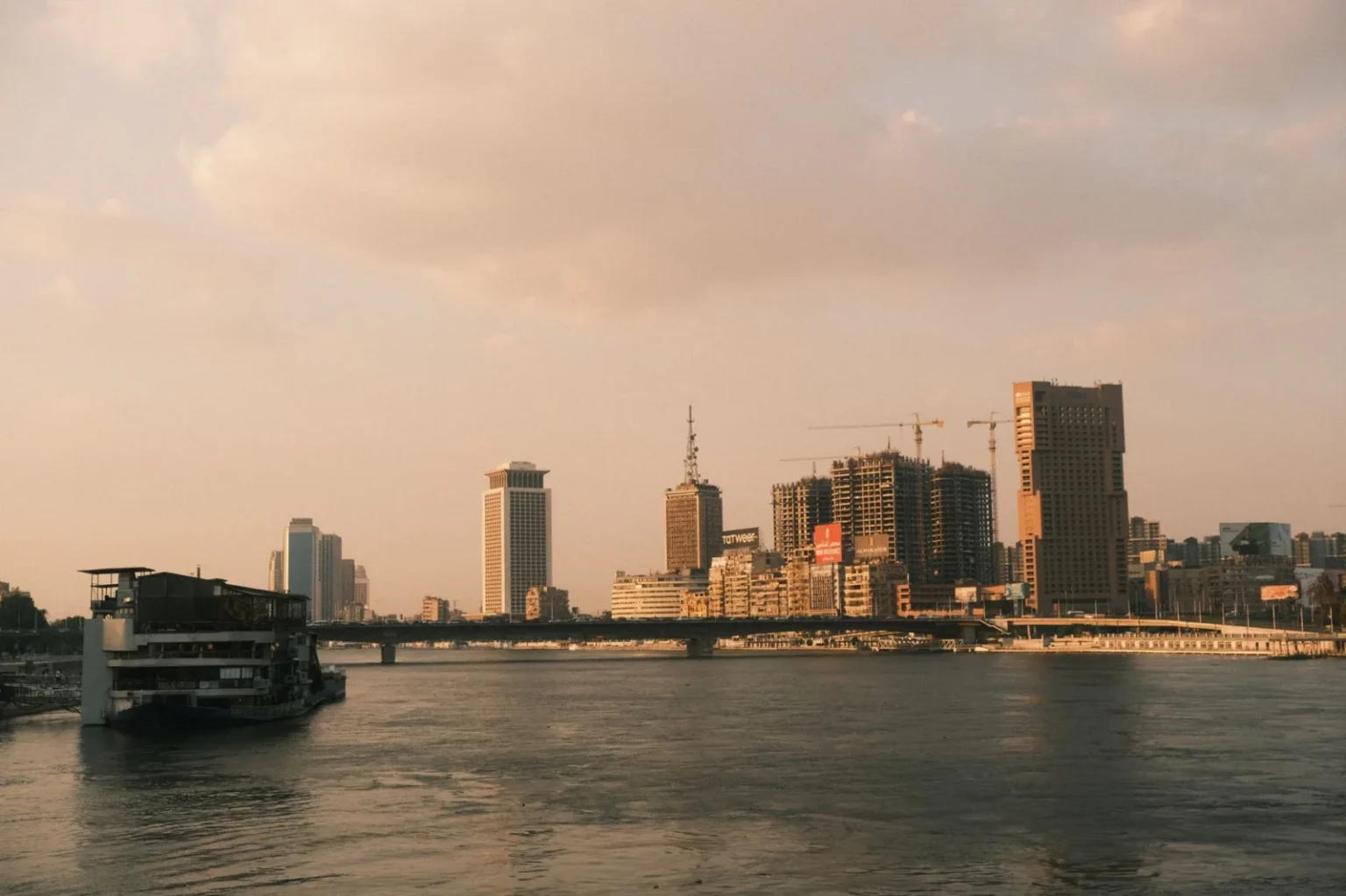

Understanding Urban Wildlife in Egypt
Urban wildlife refers to the various animal species that adapt to living in cities. In Egypt, particularly in Cairo, you may encounter a diverse range of animals, from birds to mammals, all coexisting in an urban environment. Understanding urban wildlife is crucial for appreciating how nature integrates into city life.
Key Urban Wildlife Species You May Encounter
In Cairo, various species have adapted to city life:
- Birds: Common species include pigeons, sparrows, and even hawks. Notably, the Egyptian goose is often seen around parks and waterways.
- Mammals: You might spot cats and dogs roaming freely, but also look for foxes and hedgehogs in greener areas.
- Reptiles: Lizards are prevalent in warm climates, and you may find them basking in the sun.
These animals thrive in urban settings due to the availability of food and shelter, making them an essential part of Egypt’s ecological landscape.
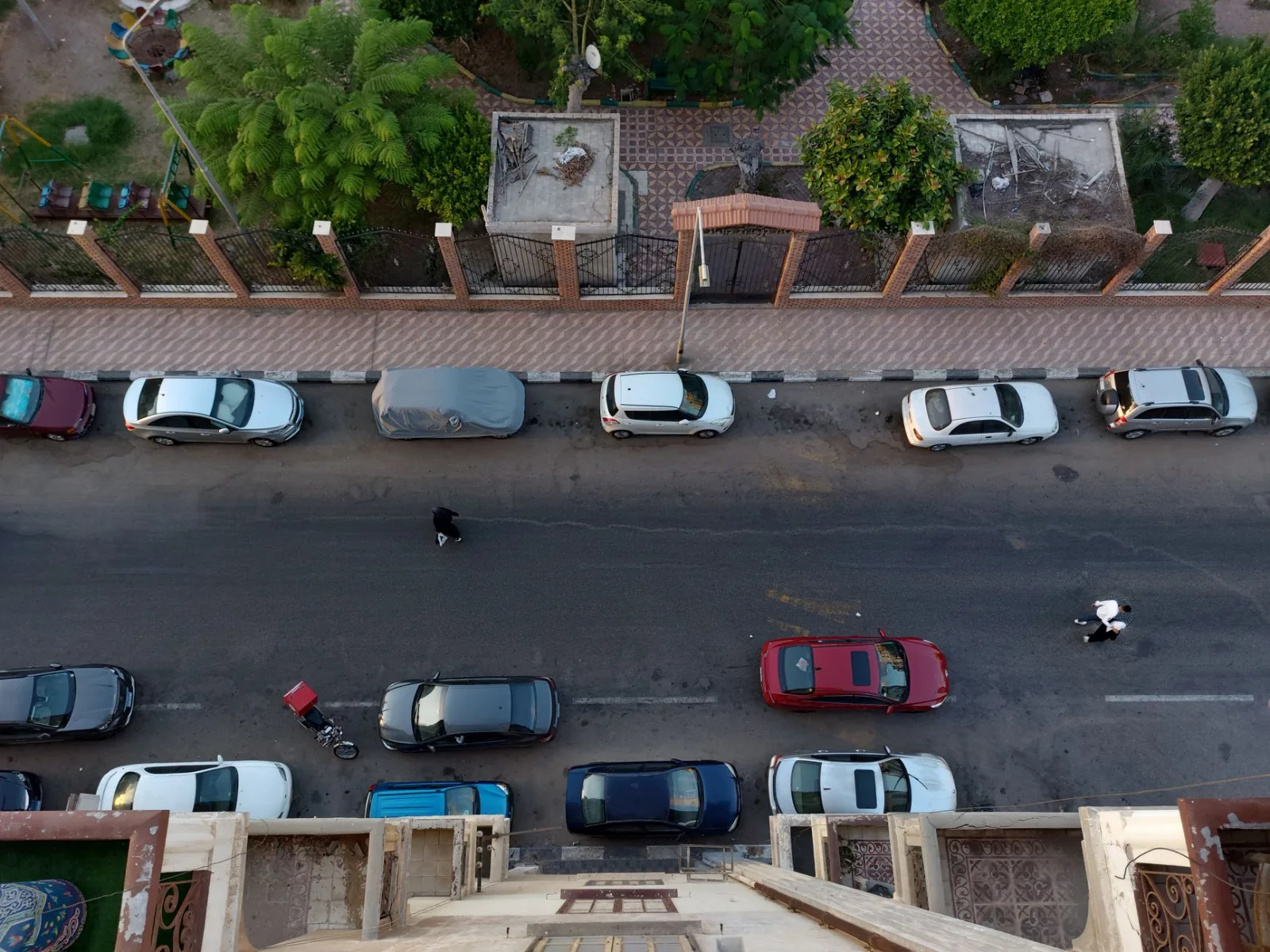
Top Cairo Nature Spots for Urban Wildlife
To make the most of your experience, here are some recommended spots in Cairo where you can observe urban wildlife:
- Al-Azhar Park: This expansive park offers lush greenery and is a sanctuary for various birds. It’s an excellent place for picnics while enjoying nature.
- Cairo Zoo: While it’s a zoo, it also provides a habitat for many local species and is perfect for families.
- Al-Moez Street: Known for its historical significance, this area is also home to many birds, especially around the mosques.
Visiting these spots not only enriches your understanding of urban wildlife but also provides a perfect escape from the city’s hustle.
Practical Steps for Observing Urban Wildlife
Here’s how you can effectively observe urban wildlife in Egypt:
- Choose the Right Time: Early mornings or late afternoons are usually the best times for wildlife viewing. Animals are often more active during these periods.
- Be Quiet and Patient: Wildlife can be easily startled. Move slowly and minimize noise to increase your chances of seeing them.
- Bring Binoculars: A good pair of binoculars can enhance your viewing experience, allowing you to observe animals from a distance.
- Document Your Findings: Consider keeping a journal or taking photos of the wildlife you encounter. This practice deepens your connection with nature.
Remember, the goal is to appreciate these creatures in their habitat without disturbing them.
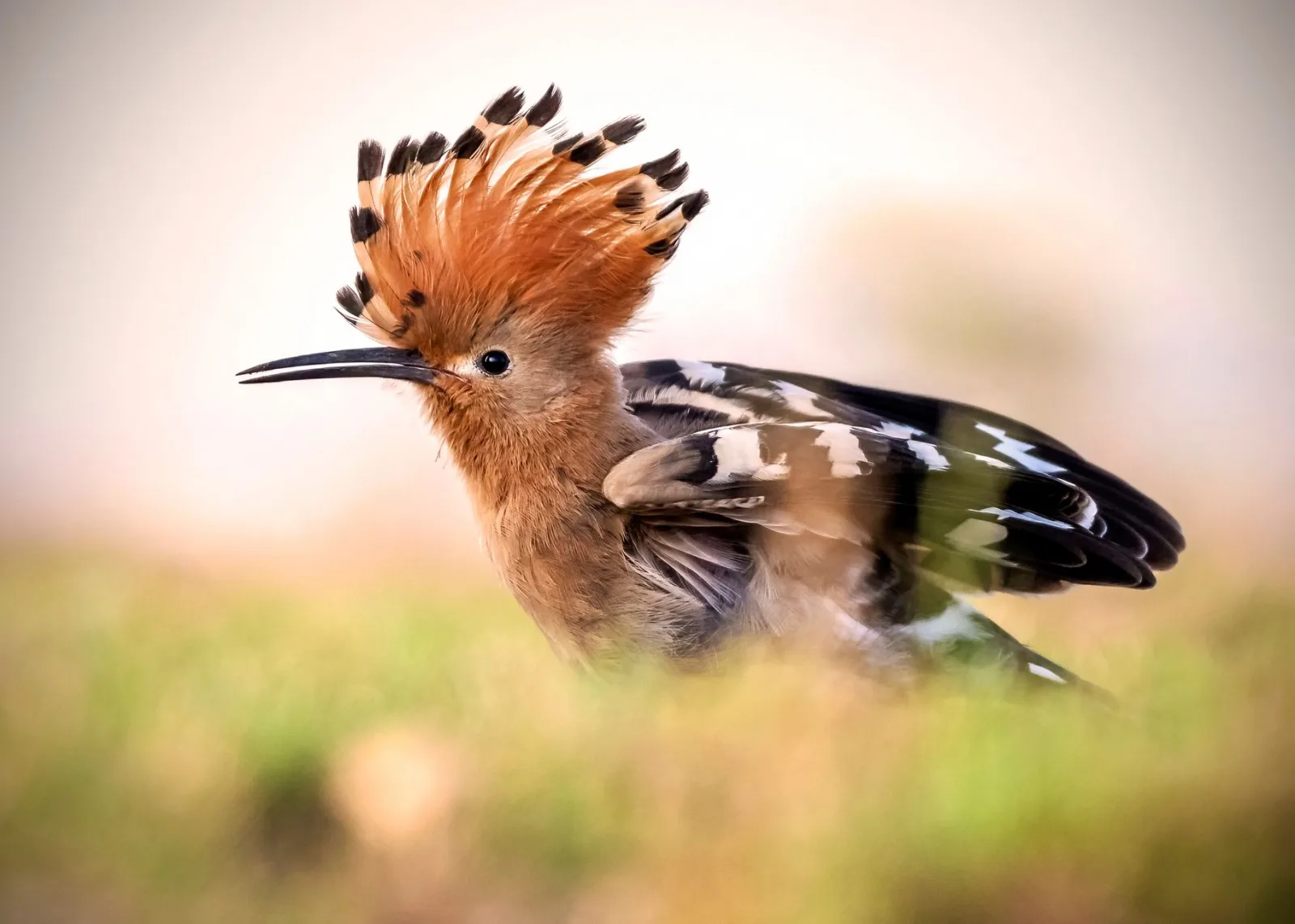
Common Mistakes to Avoid
While exploring urban wildlife, be mindful of these common mistakes:
- Ignoring Local Guidelines: Some parks have specific rules about wildlife interactions. Always follow these to ensure both your safety and the animals’ well-being.
- Feeding Wildlife: Feeding wild animals can disrupt their natural foraging habits and potentially harm them.
- Disturbing Nesting Sites: If you encounter nests or dens, keep your distance. Disturbing these can put young animals at risk.
By avoiding these mistakes, you contribute to the preservation of urban wildlife.
Connecting with Local Conservation Efforts
Engaging with local conservation organizations can enhance your experience. Many groups focus on protecting urban wildlife and their habitats. Here’s how you can connect:
- Volunteer: Consider volunteering with organizations that focus on wildlife conservation in urban settings. This offers hands-on experience.
- Attend Workshops: Many groups offer educational workshops about local wildlife and conservation strategies. Participating can deepen your understanding.
- Participate in Citizen Science: Some organizations run citizen science projects where you can help track wildlife populations.
By getting involved, you not only learn but also contribute positively to the environment.
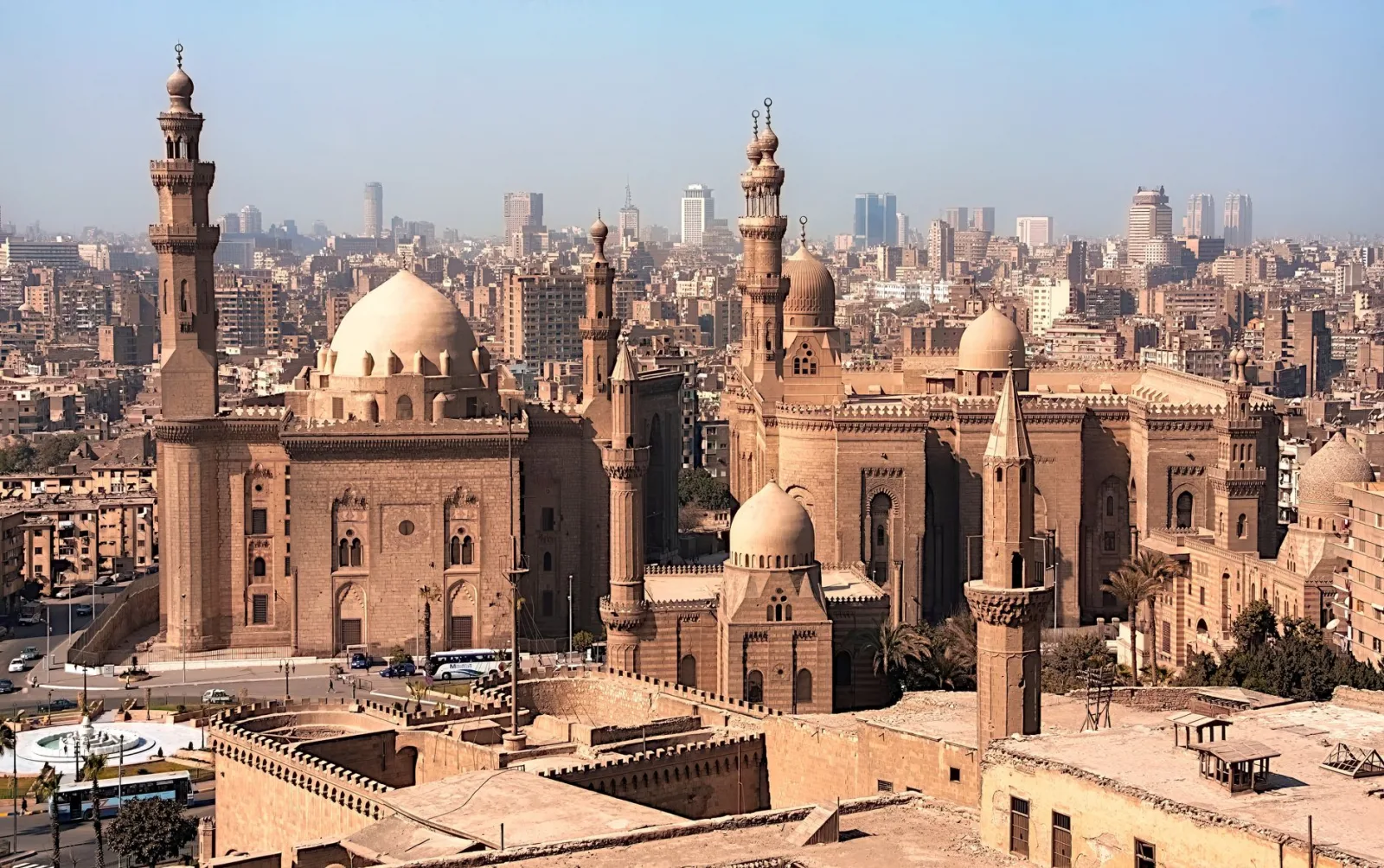
Exploring City Parks in Egypt
City parks play a crucial role in fostering urban wildlife. They provide vital habitats and serve as green lungs for the city. Here are a few notable parks in Egypt:
- Al-Azhar Park: As mentioned, this park is an oasis in the city, designed with wildlife-friendly features.
- Gezira Island: Located in the Nile, this island has lush gardens and is home to various bird species.
- New Cairo’s City Parks: The newer districts in Cairo have been designed with larger parks that include native trees and plants, which attract local wildlife.
Visiting these parks not only supports wildlife but also enhances your overall experience of the city.
Summary and Key Takeaways
Exploring urban wildlife in Egypt, particularly in Cairo, can enrich your travel experience. Here are the key takeaways:
- Urban wildlife includes various species that adapt to city life.
- Visit parks like Al-Azhar and Gezira Island for the best chances to see wildlife.
- Be mindful of the environment and avoid common mistakes like feeding or disturbing wildlife.
- Engage with local conservation efforts to enhance your understanding and support for urban wildlife.
Urban wildlife is a fascinating aspect of Egypt that often goes unnoticed. By following these practical steps and insights, you can appreciate the natural beauty within the city. For more travel tips, check out The First-Time Traveler’s Guide to Avoiding Tourist Traps in Major Destinations.