





Understanding Egypt’s Artisan Markets
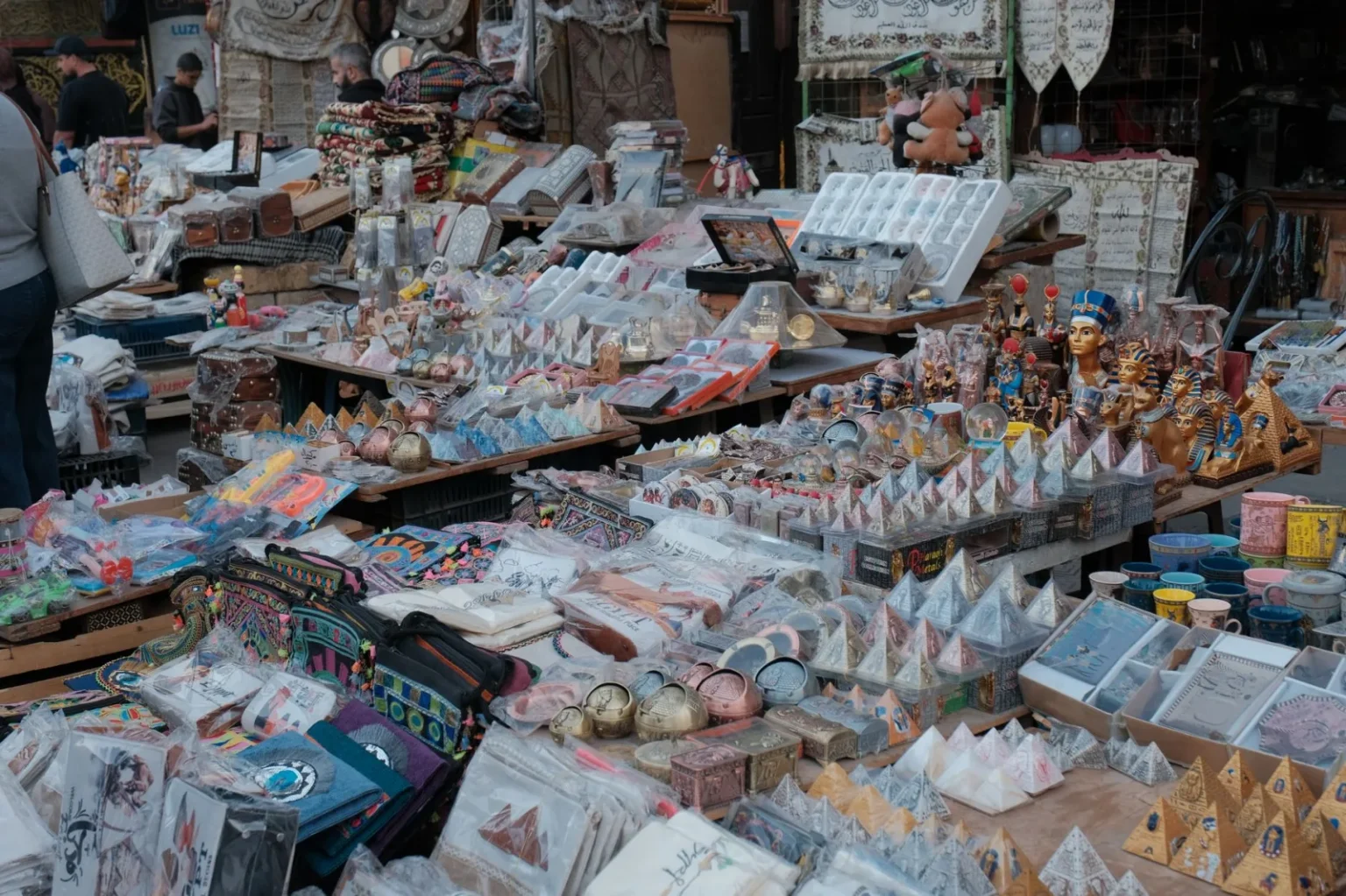
Egypt’s artisan markets are vibrant hubs that showcase local crafts, steeped in history and culture. These markets offer a glimpse into the rich heritage of Egypt through handmade goods, each with its own story. You’ll find everything from intricate jewelry to hand-woven textiles, making these markets an essential stop for anyone wanting to experience authentic Egyptian culture.
Types of Crafts You’ll Encounter
When exploring Egypt’s artisan markets, you’ll encounter a variety of crafts, each representing different regions and traditions. Here are some notable types:
- Pottery and Ceramics: Regions like Fustat are famous for their unique pottery styles, often decorated with intricate designs. These items can serve as both functional pieces and beautiful decor.
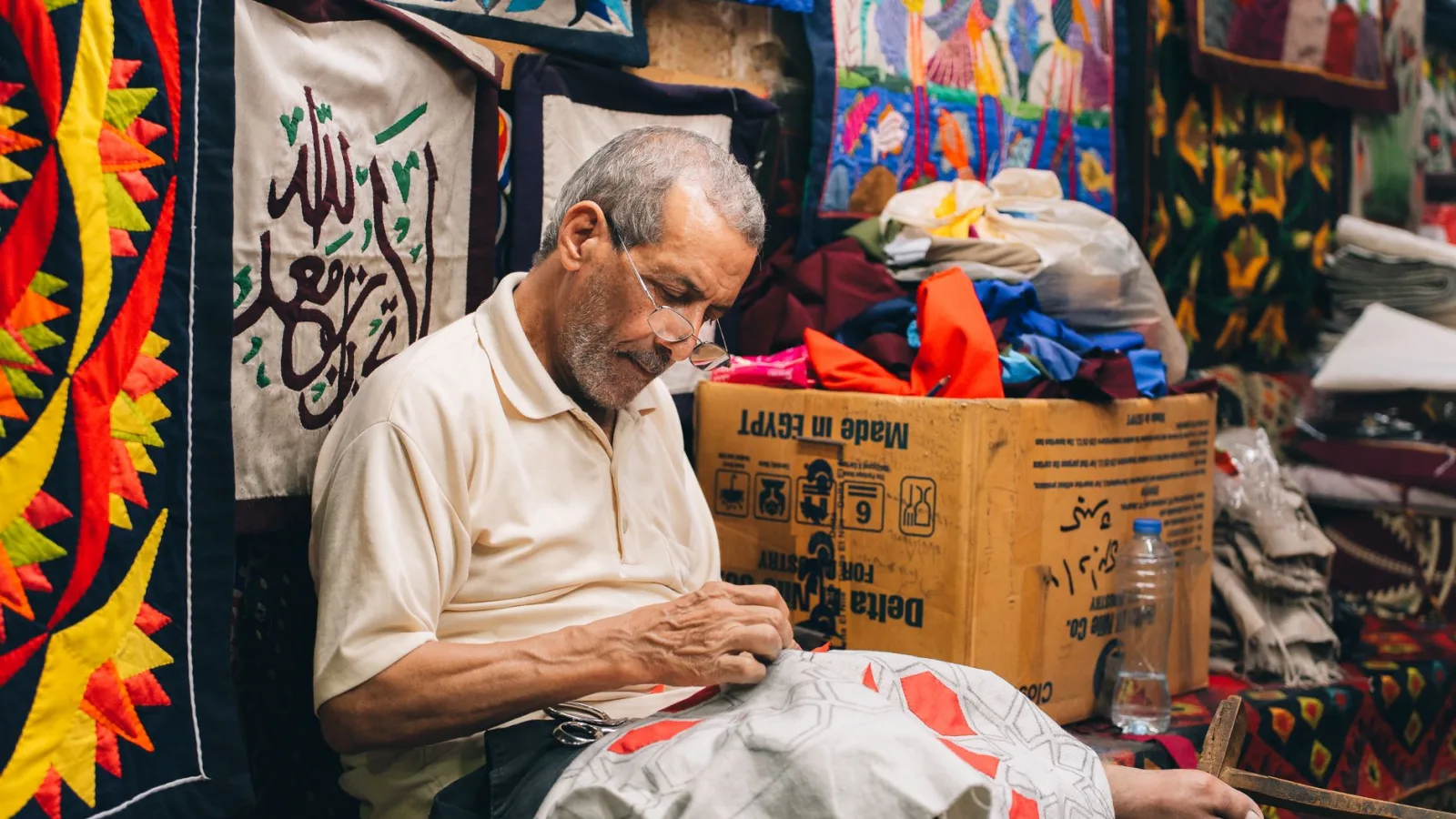
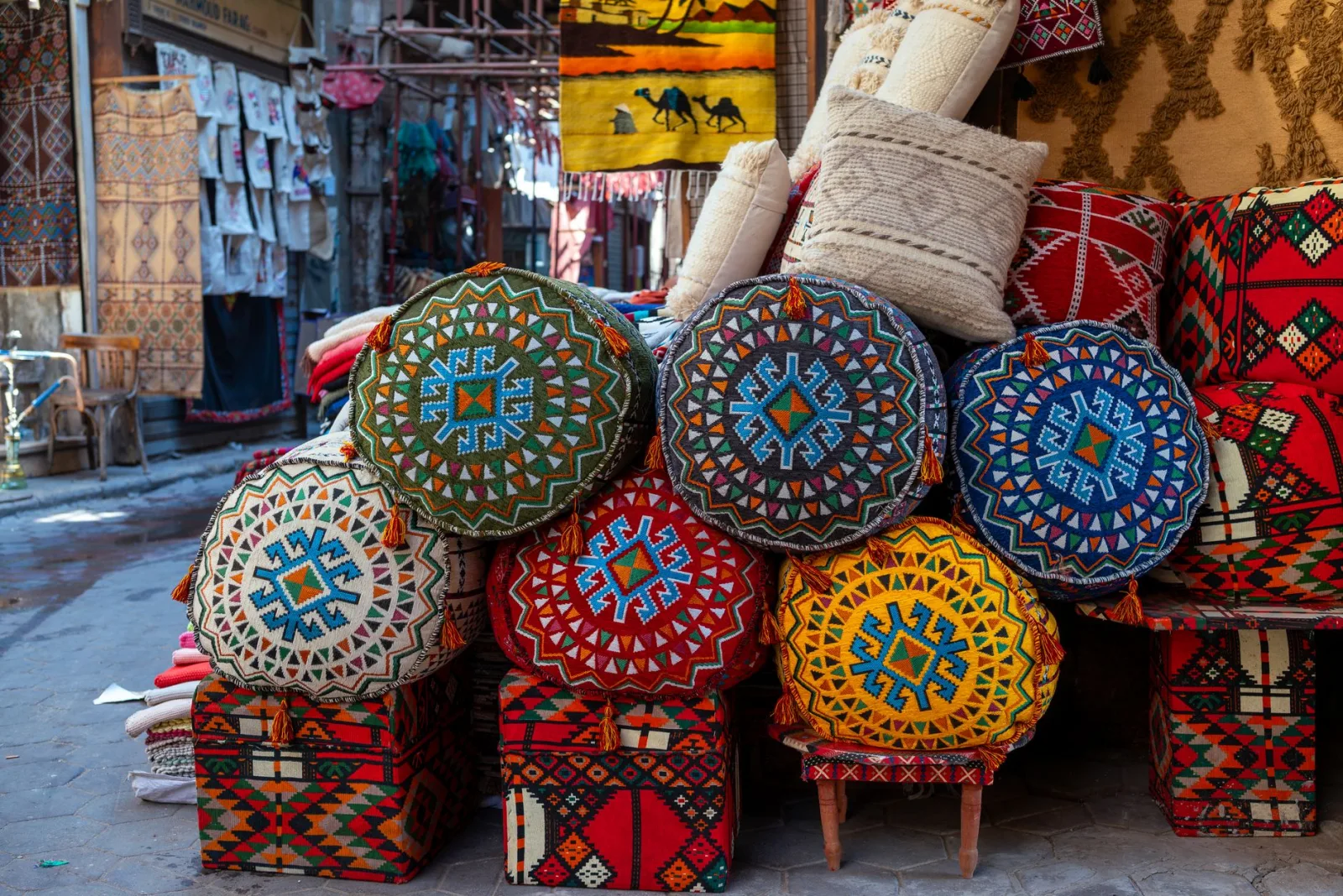
- Textiles: Look for hand-woven carpets and textiles from the Nile Delta. They often feature traditional patterns and vibrant colors, making them popular choices for souvenirs.
- Jewelry: Silver and gold jewelry, especially pieces adorned with gemstones, can be found in markets like Khan El Khalili. Each piece often tells a story or reflects a specific cultural heritage.
- Woodwork: Intricately carved wooden items, including furniture and decorative pieces, showcase the craftsmanship of local artisans.
Where to Find Artisan Markets
While Egypt has numerous markets, several stand out for their artisan offerings:
- Khan El Khalili: Located in Cairo, this market is one of the oldest in the Middle East. It is bustling with shops selling a myriad of local crafts. Take your time to explore the winding alleyways.
- Aswan Market: Known for its Nubian crafts, this market offers unique items that reflect the rich culture of the Nubian people. Expect to find colorful textiles and traditional jewelry.
- Luxor Market: This market is a great place to find handmade goods that celebrate the ancient history of the region, including pharaonic replicas and papyrus art.
Finding Authentic Souvenirs
To ensure you’re purchasing authentic souvenirs, consider these practical steps:
- Ask Questions: Engage with the artisans. They often take pride in sharing the stories behind their crafts. This not only enhances your experience but also helps you understand the value of the item.
- Look for Certification: Some markets have certifications or labels that signify authenticity, particularly for items like papyrus or traditional textiles.
- Avoid Mass-Produced Goods: Stay away from items that look overly commercialized. Genuine crafts will typically show signs of individual craftsmanship.
Common Mistakes to Avoid
While navigating artisan markets, it’s easy to make mistakes that can dampen your experience. Keep these points in mind:
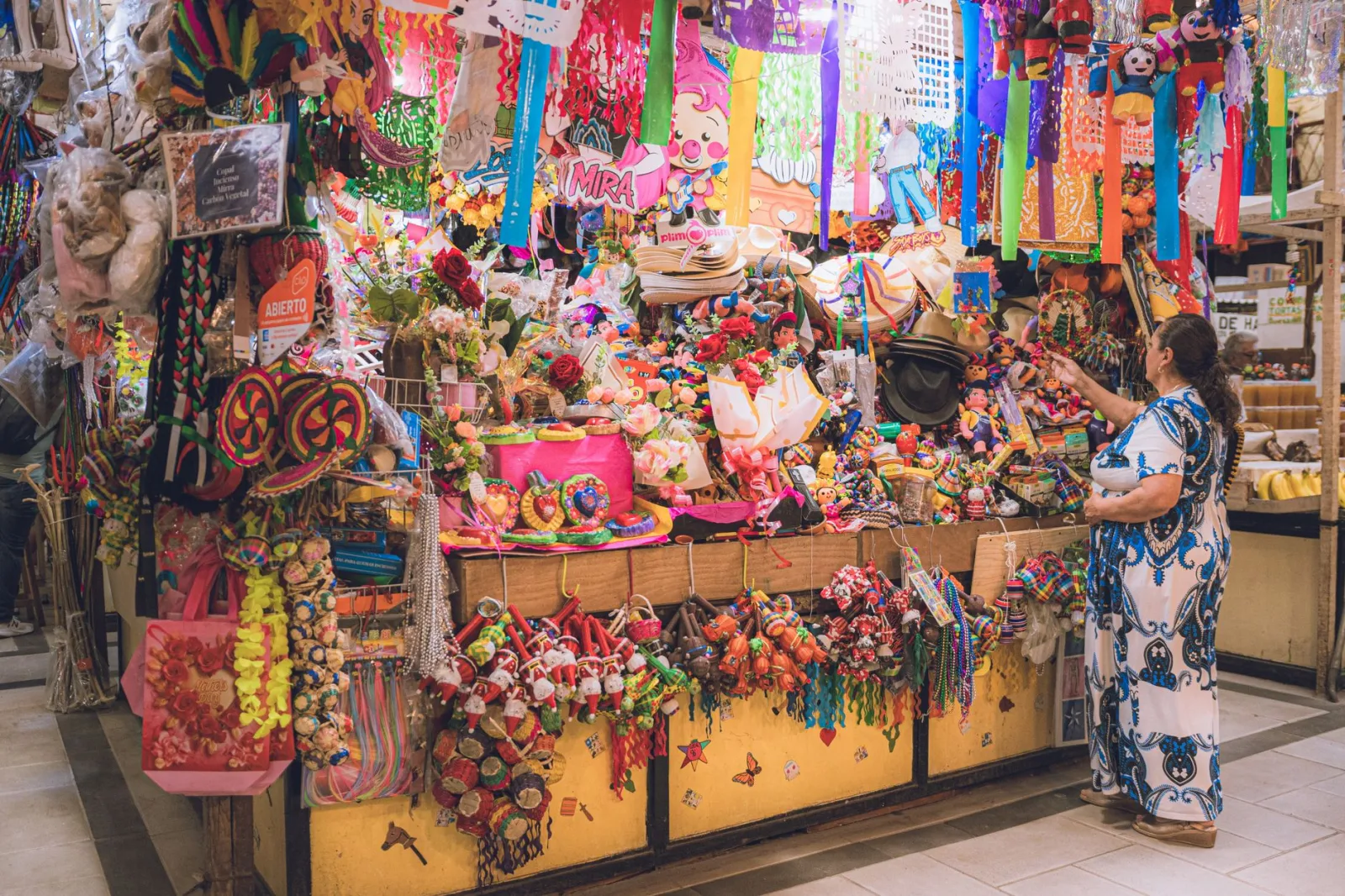
- Rushing: Don’t rush your shopping experience. Take your time to appreciate the craftsmanship and the stories behind the items.
- Not Bargaining: Bargaining is a common practice in Egyptian markets. Failing to negotiate may lead you to overpay for an item. Start at about 50% of the asking price and work your way up.
- Ignoring Local Customs: Be respectful of local customs and practices. For example, always ask permission before taking photos of artisans or their work.
Tips for Engaging with Artisans
Building rapport with artisans can enhance your shopping experience. Here are some tips:
- Be Respectful: Approach artisans respectfully and show genuine interest in their work. This can lead to more insightful conversations.
- Learn Basic Arabic Phrases: Knowing a few words can go a long way in establishing a connection. Simple greetings like “Salam” (hello) or “Shukran” (thank you) can be appreciated.
- Support Local Initiatives: Look for cooperatives or initiatives that support local artisans, ensuring that your purchase contributes to the community.
Connecting with the Cultural Heritage
Buying from artisan markets is not just about purchasing souvenirs; it connects you to Egypt’s rich cultural heritage. Each item can reflect a part of the local history, traditions, and values. As you shop, consider how these crafts are made using techniques passed down through generations, often in family-run workshops.
For a deeper understanding of Egypt’s cultural landscape, consider exploring navigating Egypt’s hidden cultural heritage sites or indulging in the local cuisine by checking out Unveiling the Mysteries of Egyptian Cuisine.
Conclusion
Navigating Egypt’s artisan markets offers a unique opportunity to immerse yourself in the country’s rich culture while supporting local craftspeople. By understanding the types of crafts available, knowing where to find authentic items, and engaging respectfully with artisans, you can create memorable experiences. Remember to take your time, enjoy the stories behind each piece, and leave with authentic souvenirs that embody the spirit of Egypt.