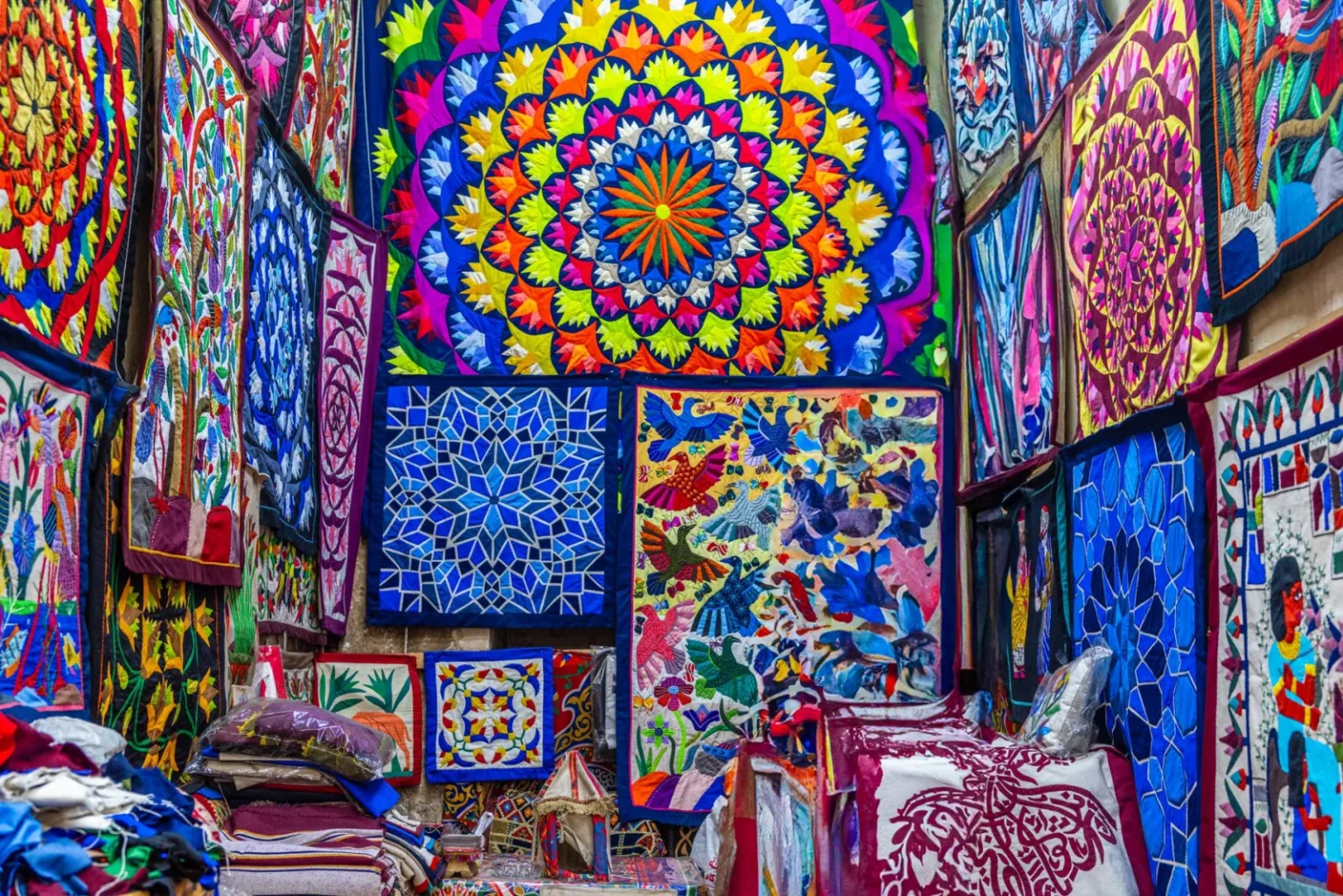
Egypt’s artisan markets are vibrant hubs where tradition meets creativity. These markets often reflect the local craftsmanship that has been passed down through generations. When you visit these places, you’re not just shopping; you’re participating in a cultural exchange. Artisan markets are typically less commercialized than tourist shops, which means you’ll find unique souvenirs that tell a story.
Firstly, artisan markets offer you a chance to buy handcrafted items that are often more meaningful than mass-produced souvenirs. Each piece embodies the skill and creativity of local artisans, making your purchase a true reflection of Egyptian culture. Additionally, shopping in these markets supports local economies and encourages the preservation of traditional crafts.
Top Artisan Markets to Explore
Let’s dive into some of the must-visit artisan markets in Egypt:
📷 AXP Photography – Pexels
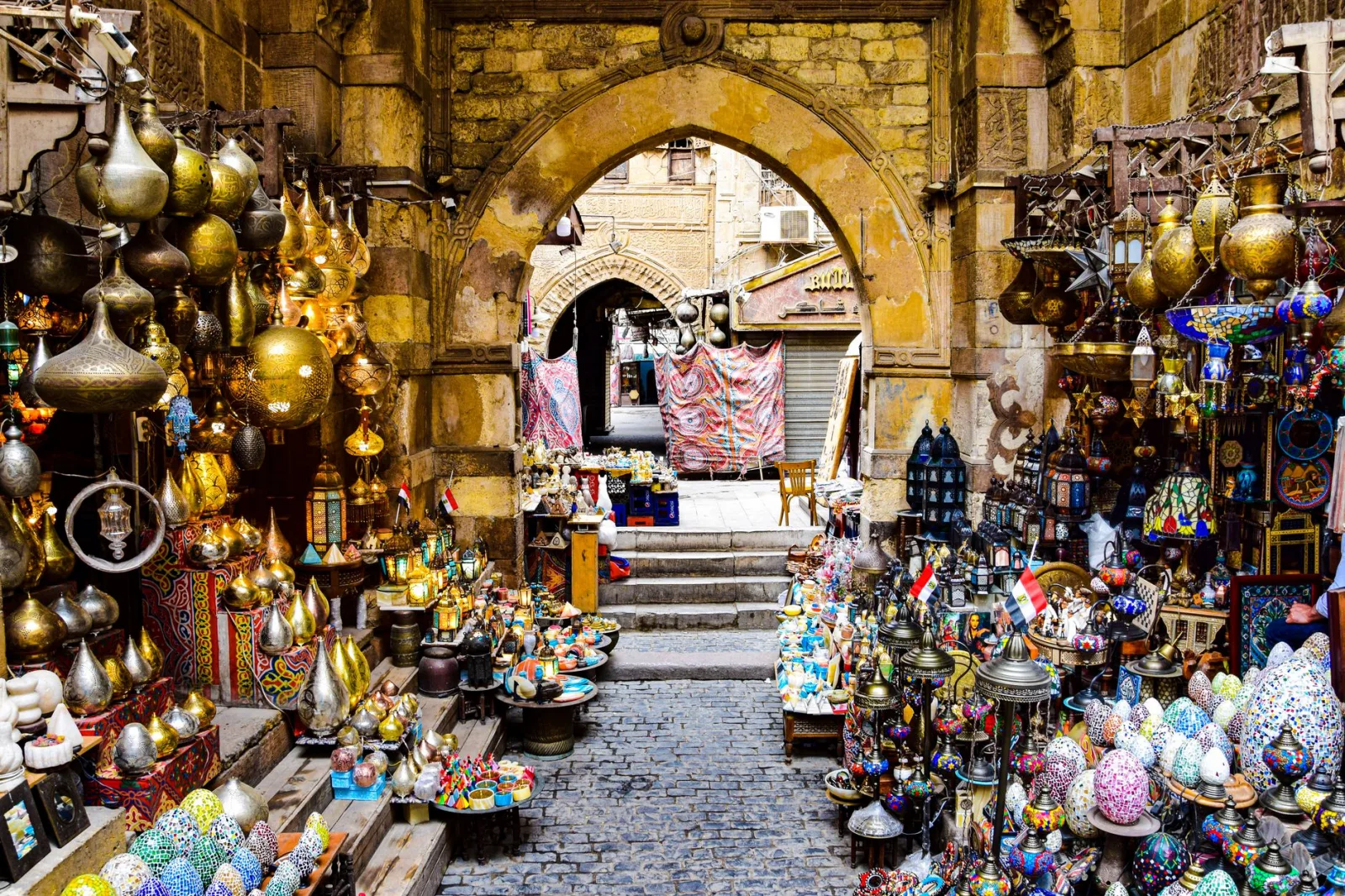
1. Khan El Khalili, Cairo
Khan El Khalili is perhaps the most famous artisan market in Egypt. Located in Islamic Cairo, it’s a labyrinth of narrow streets lined with shops selling everything from spices to jewelry. You can find unique souvenirs like hand-painted pottery, intricate silver jewelry, and traditional textiles. Important note: Bargaining is expected here, so don’t be shy to negotiate the price!
2. Aswan Souk
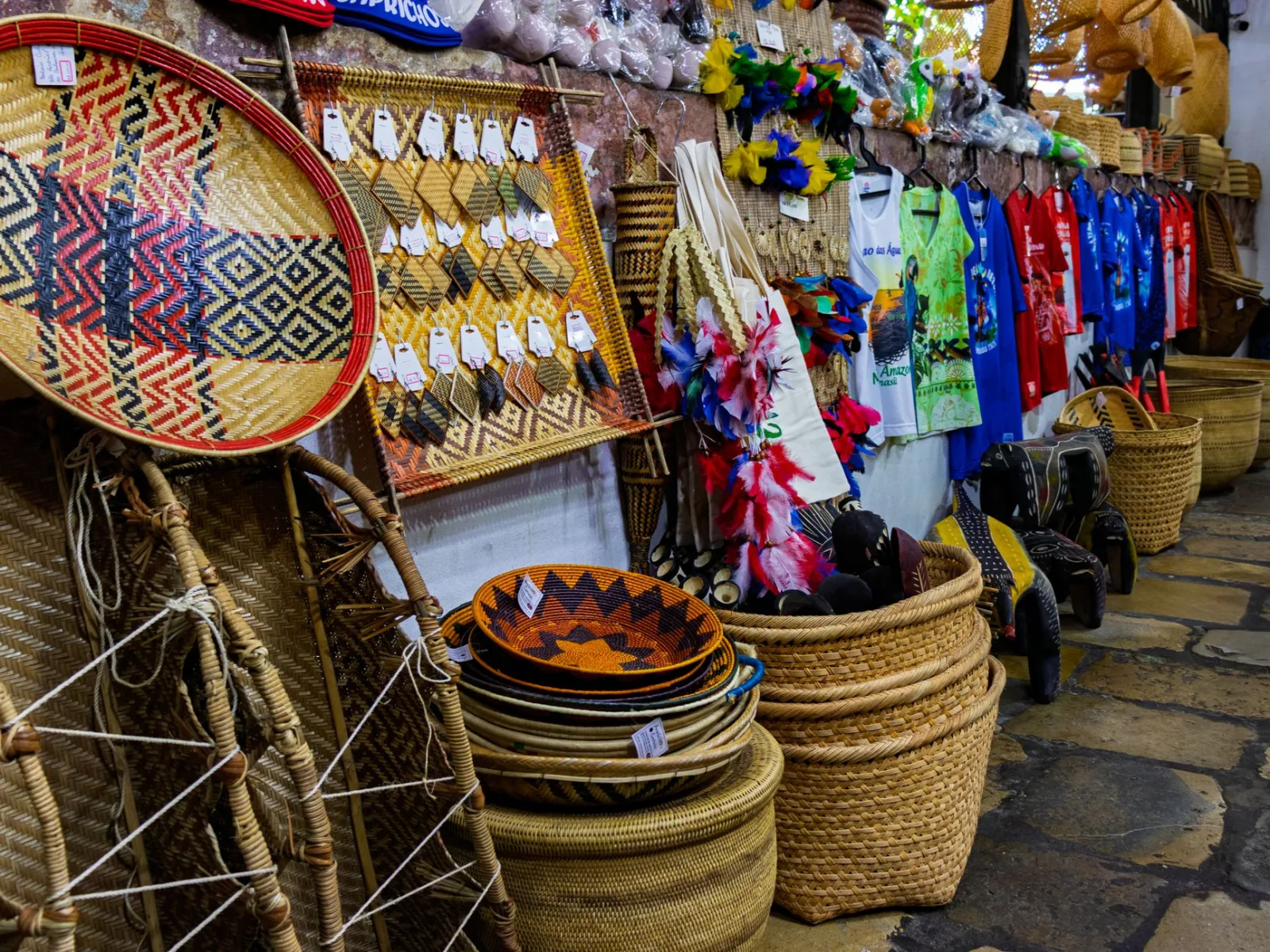
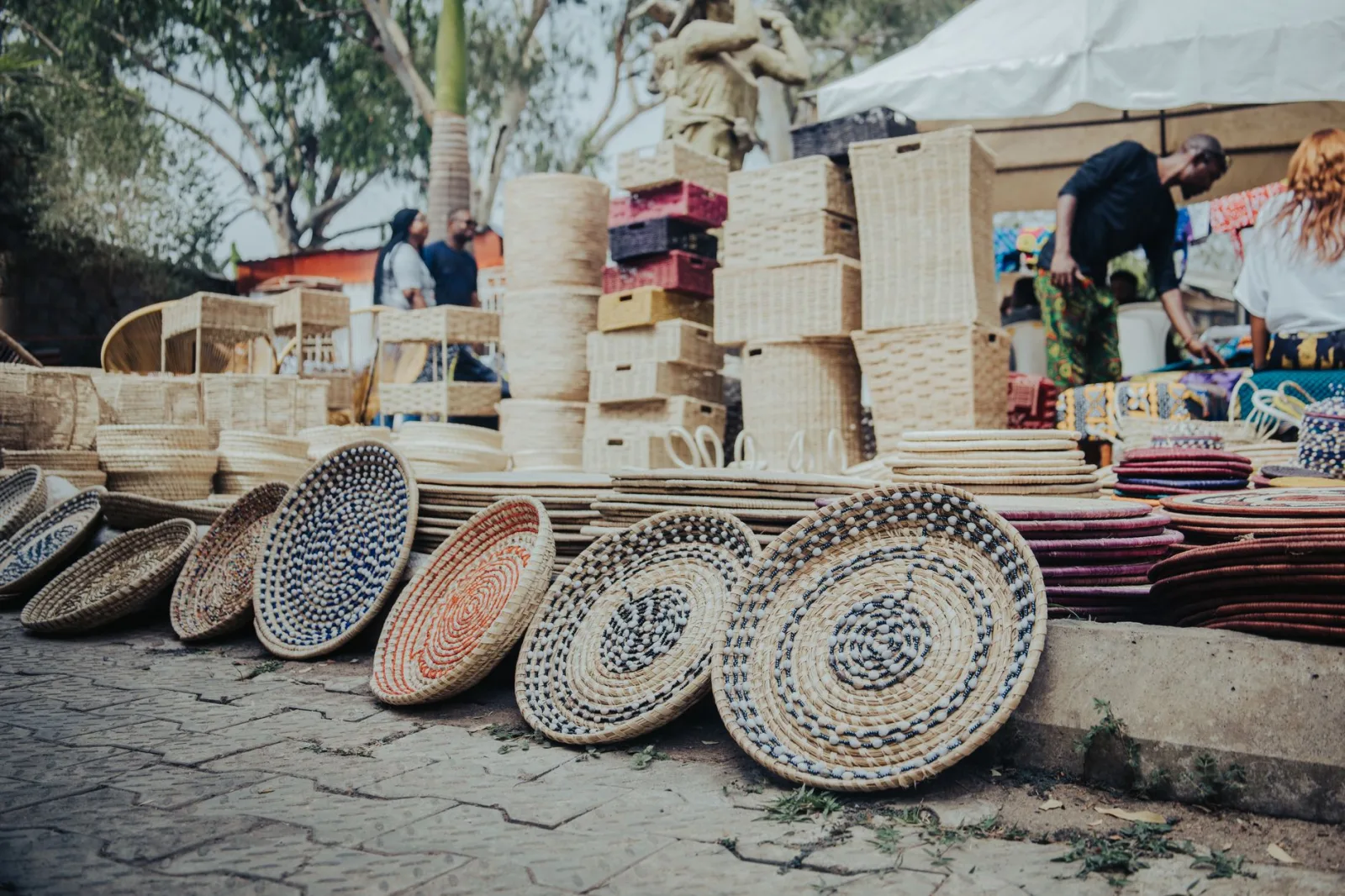
The Aswan Souk is smaller but equally charming. It’s a great place to find local crafts such as woven baskets, Nubian handicrafts, and colorful scarves. The atmosphere is more relaxed compared to Cairo, which makes for a pleasant shopping experience. Additionally, you can enjoy authentic street food while you browse.
3. Luxor Market
In Luxor, the market is famous for its alabaster goods. You can find beautifully carved statues and decorative items that are perfect for home décor. The artisans often work right in their shops, allowing you to witness the craftsmanship in action. This adds a personal touch to your purchases.
4. El-Moez Street, Cairo
This historic street is not just a market; it’s a cultural experience. While exploring El-Moez, you’ll encounter shops selling traditional crafts, such as calligraphy and woodwork. The street itself is lined with stunning Islamic architecture, making your visit visually enriching. Pro tip: Plan your visit in the evening when the street is illuminated, creating a magical atmosphere.
📷 Eduardo Amorim – Pexels
What to Look for When Shopping
When you’re in these artisan markets, keep an eye out for the following:
Authenticity: Ensure your items are handmade. Look for signs of craftsmanship, such as slight imperfections, which signify handwork.
Local Materials: Seek items made from local materials. For example, in Aswan, look for products made from local stones or fabrics.
Artisan Story: Ask artisans about their work. Many will share the story behind their craft, which adds value to your purchase.
Common Mistakes to Avoid
While navigating the artisan markets, here are some common mistakes to avoid:
Not Bargaining: As mentioned, bargaining is part of the culture. Accepting the first price can lead to overpaying.
Ignoring Local Customs: Be respectful of local customs and traditions. For example, it’s polite to greet the shop owner before browsing their goods.
Overpacking: Artisan goods, especially textiles and pottery, can be bulkier than you expect. Plan your luggage accordingly to avoid extra fees.
Tips for a Smooth Experience
Here are some tips to enhance your market experience:
Visit Early or Late: Arriving early or later in the day can help you avoid crowds and enjoy a more personalized shopping experience.
Stay Hydrated: Markets can be bustling and hot, especially during summer. Carry a water bottle to stay refreshed.
Bring Cash: Many vendors may not accept credit cards, so it’s wise to carry enough cash. Small denominations are helpful for bargaining.
📷 Yusuf Kayode – Pexels
Unique Souvenirs to Consider
When shopping in Egypt’s artisan markets, here are some unique souvenirs to consider:
Handmade Jewelry: Look for silver or gold pieces featuring traditional designs.
Papyrus Art: Authentic papyrus paintings make for beautiful wall décor.
Textiles: Handwoven scarves or rugs can be both functional and decorative.
Local Spices: Bring home some local spices to recreate Egyptian dishes.
Supporting Local Craftsmanship
Your purchases contribute directly to local artisans and their families. By choosing to buy from artisan markets, you’re ensuring that these traditional crafts continue to thrive. Moreover, many artisans are committed to sustainablepractices, using local materials and techniques that have minimal environmental impact.
Conclusion: Your Journey Awaits
Exploring Egypt’s artisan markets is more than just shopping; it’s an opportunity to connect with the culture, history, and people of Egypt. By understanding the local craftsmanship and being mindful of your purchases, you’ll bring home unique souvenirs that carry stories and memories. As you navigate these vibrant markets, remember to engage with artisans, respect local customs, and enjoy the experience. Your adventure into Egypt’s artisan markets awaits!
Key Takeaways
Artisan markets in Egypt offer unique souvenirs and support local craftsmanship.
Be prepared to bargain and engage with artisans for a richer experience.
Look for authenticity, local materials, and the story behind each piece.
Stay hydrated and plan your shopping to avoid crowds.