





Understanding Quiet Retreats
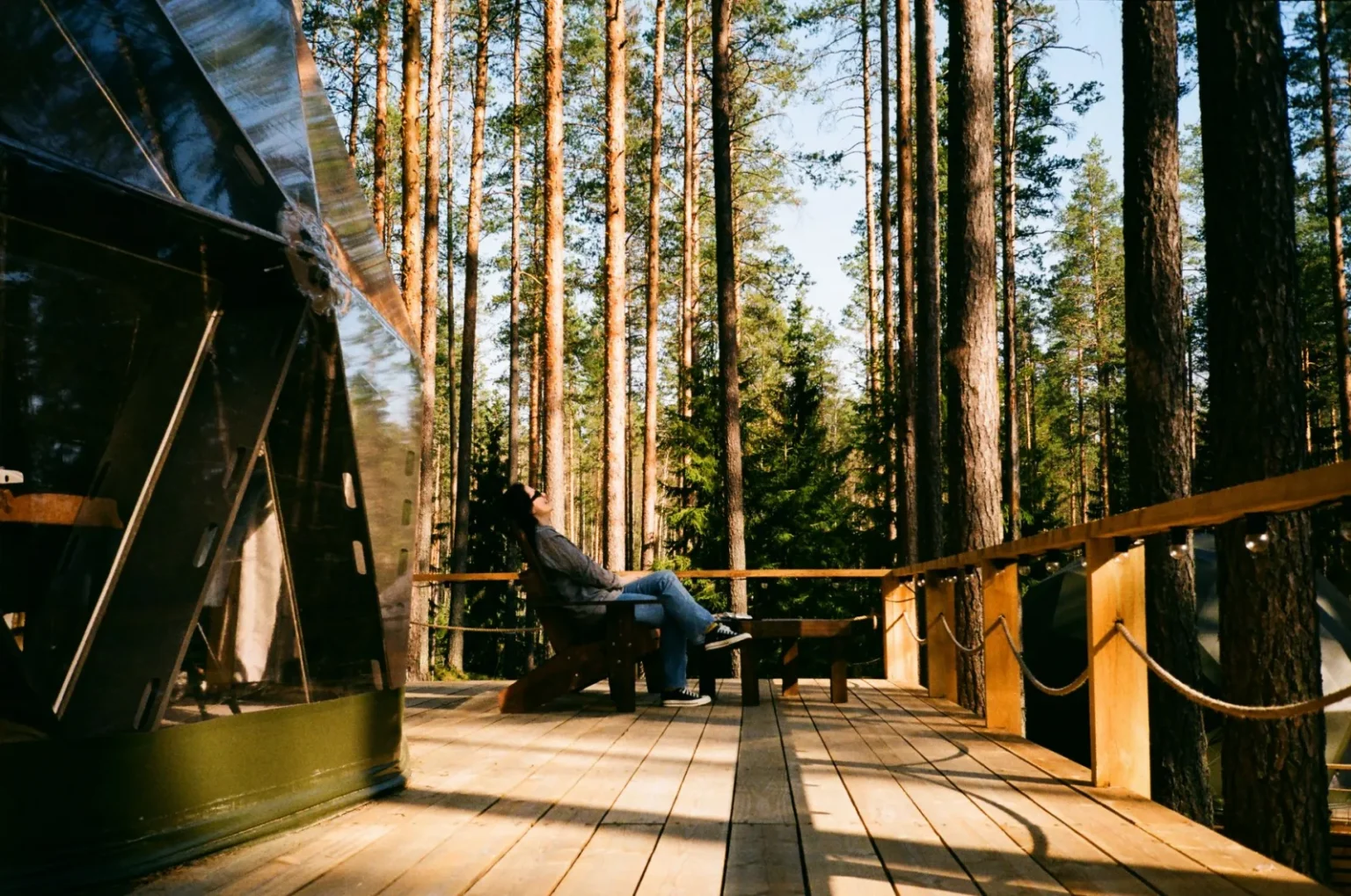
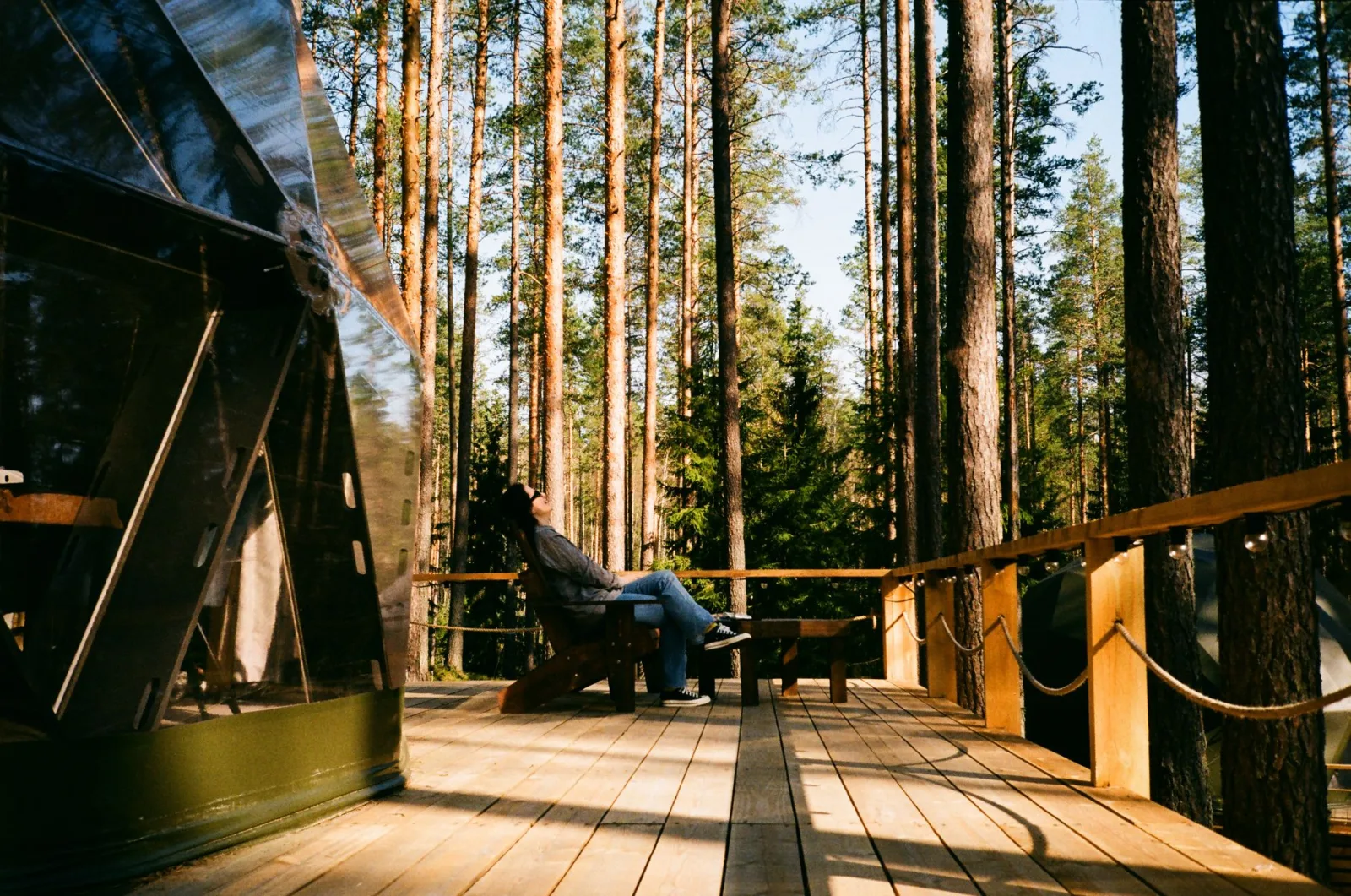
Quiet retreats are destinations designed for rest, reflection, and rejuvenation. These getaways allow you to disconnect from daily distractions and immerse yourself in nature’s tranquility. Whether you are seeking solitude in a forest cabin or a peaceful lakeside cottage, these locations provide an ideal backdrop for contemplation and self-discovery.
Why Choose Nature for Reflection?
Nature has a unique ability to calm the mind and inspire reflection. Studies suggest that spending time outdoors can reduce stress, improve mood, and enhance overall well-being. The natural environment often encourages mindfulness, allowing you to focus on the present moment. By surrounding yourself with trees, mountains, or water, you create a setting conducive to deep thought and personal insight.
Steps to Plan Your Quiet Retreat
Planning a quiet retreat involves several key steps to ensure you maximize your time and experience:
- Identify Your Needs: Consider what you seek to achieve during your getaway. Is it a break from technology, a chance for meditation, or simply time alone to think? Understanding your goals will help you choose the right location.
- Choose Your Destination: Look for locations known for their serene environments, such as national parks, remote cabins, or beachside resorts. For example, the Great Smoky Mountains offer numerous hiking trails and secluded spots perfect for contemplation.
- Plan Your Activities: While the focus is on quiet reflection, consider activities that enhance your experience, such as journaling, hiking, or practicing yoga outdoors. These can deepen your connection with nature and yourself.
- Disconnect from Technology: To fully engage in solitude, limit your use of phones and other devices. Inform friends and family of your plans, and set your email to out-of-office. This helps create a boundary between your retreat and daily life.
- Pack Wisely: Bring along essentials such as books, journals, and comfortable clothing. Don’t forget nature-friendly supplies, like a reusable water bottle and a small first-aid kit.
Top Destinations for Solitude Getaways
Here are a few recommended quiet retreats across different regions:
1. The Adirondacks, New York
The Adirondack Mountains provide a stunning backdrop for solitude getaways. With countless lakes and hiking trails, you can easily find a quiet spot to reflect. Consider staying in a rustic cabin or a cozy yurt.
2. The Pacific Northwest
From the lush forests of Olympic National Park to the serene coastlines of Oregon, the Pacific Northwest is a haven for nature lovers. Look for isolated beaches or woodland retreats to enjoy peace and quiet.

3. The Florida Keys
If you prefer a warmer destination, the Florida Keys offer serene beaches and tranquil waters. Many resorts provide private bungalows, allowing for an intimate escape where you can reflect while listening to the waves.
4. Sedona, Arizona
Known for its red rock formations, Sedona is perfect for those seeking both beauty and solitude. Consider booking a stay at a wellness retreat where you can engage in meditation and yoga amidst stunning landscapes.
5. The Smoky Mountains, Tennessee
The Great Smoky Mountains are not only beautiful but also host a variety of secluded cabins. This area allows for hiking, wildlife observation, and peaceful moments by the creek, making it an ideal nature reflection trip.

Activities to Enhance Your Solitude Experience
Once you’ve selected your destination, consider these activities to deepen your reflection:
- Journaling: Write about your thoughts, feelings, and experiences during your retreat. This practice can help clarify your thoughts and goals.
- Mindful Hiking: Take slow, deliberate walks and focus on your surroundings. Pay attention to the sounds, sights, and smells of nature.
- Meditation: Find a quiet spot and practice meditation. This could involve guided sessions or simply sitting in silence.
- Photography: Capture the beauty around you. Mindful photography encourages you to focus on details often overlooked.
Tips for Maximizing Your Quiet Retreat
To ensure you make the most of your quiet retreat, keep these tips in mind:
- Set Intentions: Before you leave, set clear intentions for what you want from your retreat. This can help guide your actions and thoughts during your time away.
- Create a Routine: Establish a simple daily routine that includes time for reflection, activities, and meals. This structure can enhance your experience and ensure you don’t feel lost.
- Stay Present: Focus on being present in the moment. If your thoughts drift to daily concerns, gently guide your focus back to your surroundings.
Common Mistakes to Avoid
While planning a quiet retreat, be aware of these common pitfalls:
- Overpacking: Bringing too much can create clutter and distraction. Stick to essential items to maintain a sense of simplicity.
- Setting Unrealistic Expectations: While you may hope for profound insights, allow yourself to simply enjoy the experience without pressure.
- Neglecting Self-Care: Remember to take care of your physical needs, such as staying hydrated and eating well, to fully engage in your retreat.
Key Takeaways
Quiet retreats offer a valuable opportunity for self-reflection amidst the beauty of nature. By planning thoughtfully and engaging in mindful activities, you can create a fulfilling experience that rejuvenates your spirit and enhances your well-being. Take the time to disconnect and embrace solitude, allowing nature to guide you on a journey of personal discovery.
For more ideas on short trips, check out Discover Your Perfect Weekend Itinerary. If you want to explore minimalist getaway options, consider Weekend Getaways for Minimalists.