





Understanding Egypt’s Sacred Sites
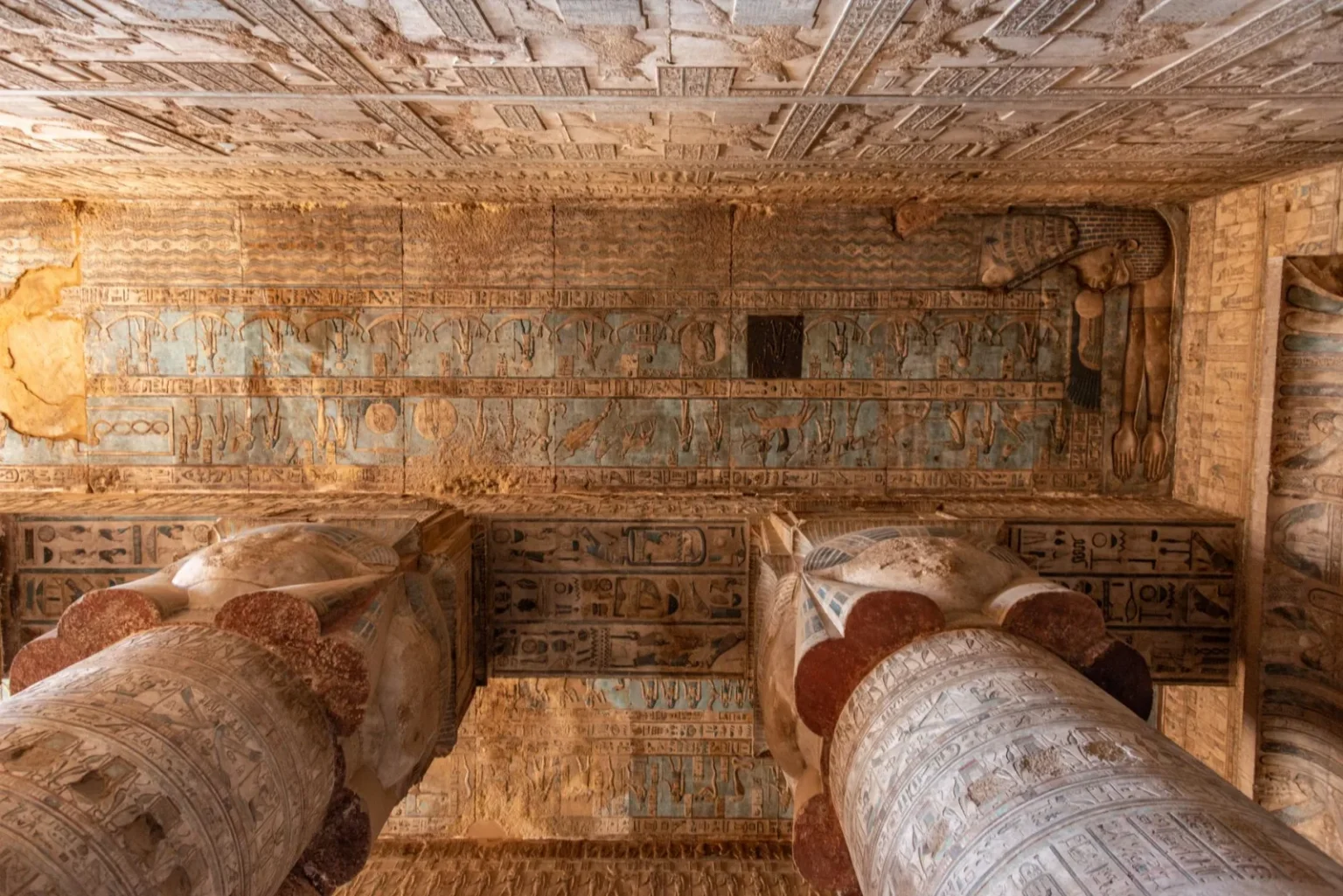
Egypt is not just a land of ancient history; it’s a tapestry of spiritual journeys woven through its sacred sites. These locations, often centered around magnificent temples, are steeped in religious significance and cultural heritage. If you’re planning to explore Egypt’s sacred sites, understanding their historical context and spiritual importance can enhance your experience.
- Understanding Egypt’s Sacred Sites
- 1. The Role of Temples in Ancient Egyptian Spirituality
- 2. Key Sacred Sites to Visit
- 3. Planning Your Spiritual Journey
- 4. Spiritual Practices at the Temples
- 5. Common Mistakes to Avoid
- 6. Exploring Lesser-Known Sacred Sites
- 7. Combining Spiritual Journeys with Other Experiences
- Conclusion: Key Takeaways for Your Journey
1. The Role of Temples in Ancient Egyptian Spirituality
Temples in ancient Egypt were more than just places of worship; they were the very centers of life, culture, and governance. Each temple was dedicated to a specific deity and served as a place where the divine could interact with the earthly realm. For example, the Temple of Karnak is dedicated to Amun-Ra and showcases the grandeur of ancient architecture aligned with the sun’s path, emphasizing its spiritual significance.
2. Key Sacred Sites to Visit
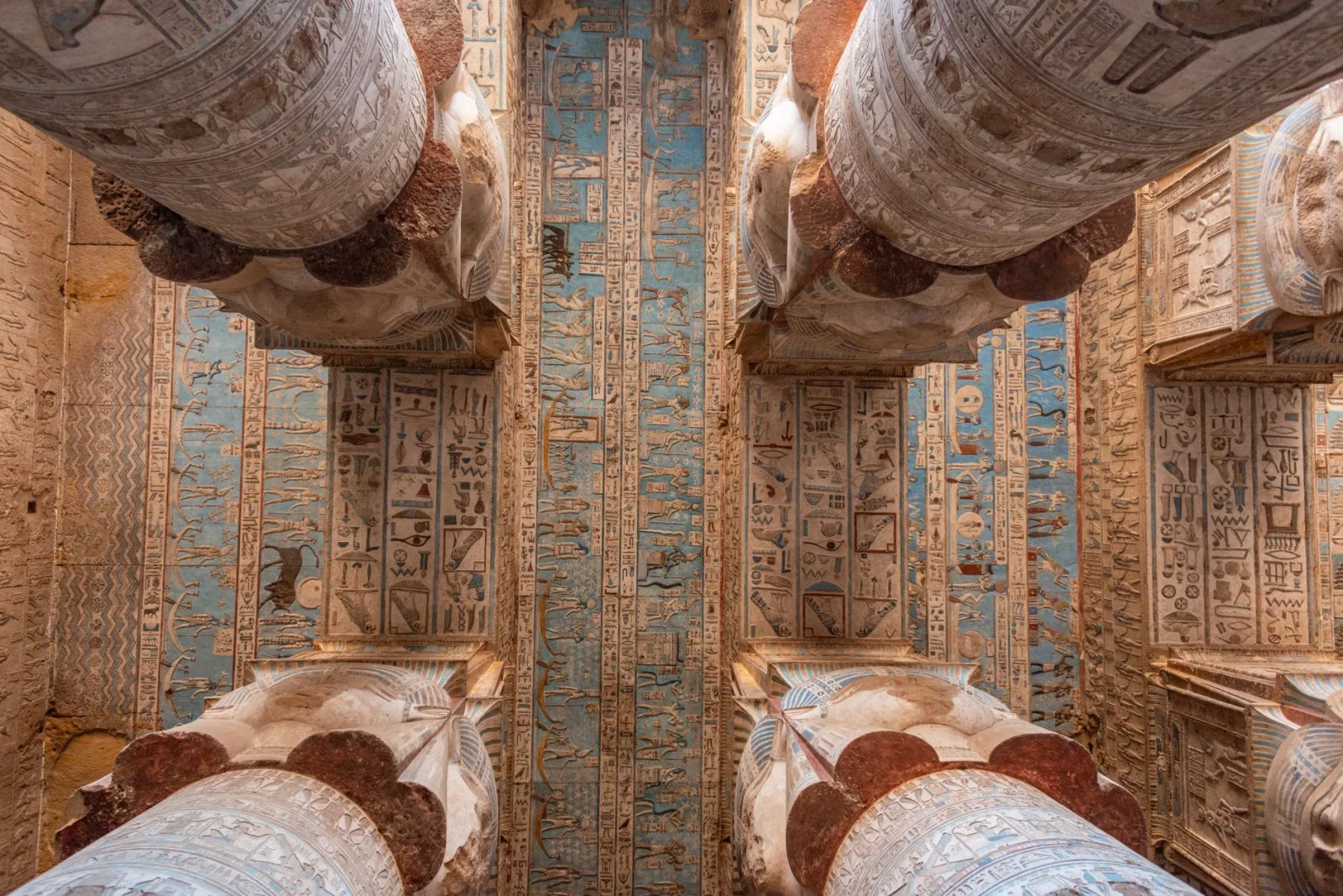
When navigating Egypt’s sacred sites, there are several must-visit temples that offer insights into ancient spiritual practices.
- Karnak Temple: Located in Luxor, Karnak is one of the largest temple complexes in the world. It features a vast array of obelisks, statues, and hieroglyphics that tell stories of gods and pharaohs.
- Luxor Temple: Just a short distance from Karnak, Luxor Temple is known for its stunning evening illuminations and its role in the annual Opet Festival, which celebrated the rejuvenation of the king.
- Temple of Hatshepsut: This mortuary temple dedicated to Pharaoh Hatshepsut shows the power of female leadership in ancient Egypt. Its terraces and colonnades are harmoniously integrated into the surrounding cliffs.
These sites not only showcase architectural brilliance but also serve as portals into the spiritual practices and beliefs of ancient Egyptians.
3. Planning Your Spiritual Journey
To make the most of your visit to these sacred sites, consider the following steps:
- Research Ahead: Familiarize yourself with the history and significance of each site. Understanding the stories behind the temples can deepen your appreciation.
- Timing Your Visit: The best times to explore these sites are during the cooler months (October to April). This not only enhances comfort but also allows you to avoid the crowds during peak tourist seasons.
- Dress Respectfully: Egypt’s sacred sites have cultural norms. Dress modestly, covering shoulders and knees, to show respect for the customs of the land.
4. Spiritual Practices at the Temples
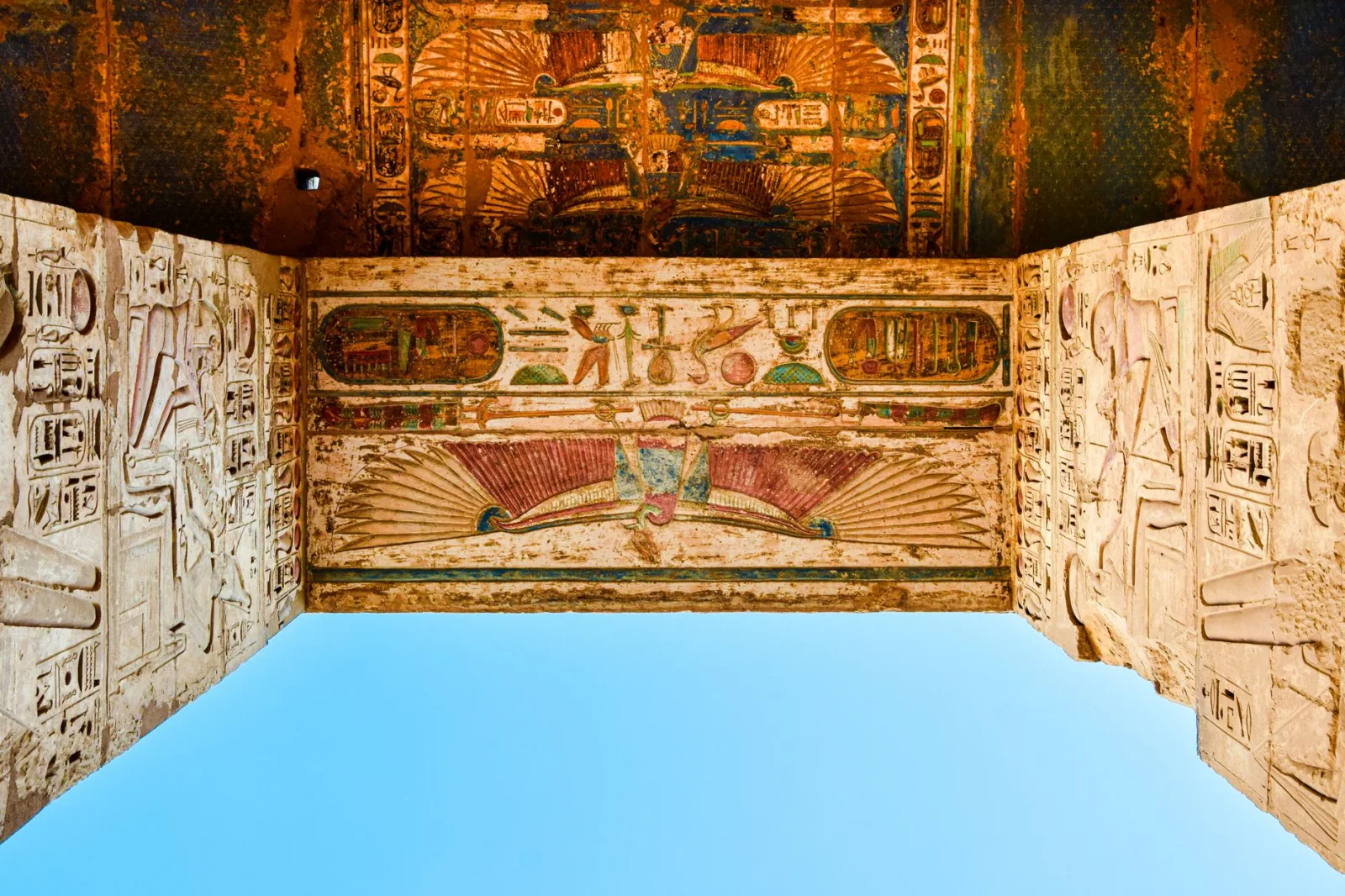
While visiting, you may encounter various spiritual practices that are still observed today. These can include:
- Prayers and Offerings: Visitors often leave small offerings at the temples, which could include flowers or incense, as a sign of respect.
- Guided Meditations: Some temples offer guided meditations, allowing you to connect with the spiritual energy of the site.
- Cultural Events: Check local listings for any cultural events or festivals taking place during your visit. Engaging in these can provide deeper insights into Egyptian spirituality.
These practices can enhance your spiritual journey, making your experience more immersive and meaningful.
5. Common Mistakes to Avoid
While navigating Egypt’s sacred sites, be mindful of the following common mistakes:
- Ignoring Local Customs: Not adhering to local customs can lead to uncomfortable situations. Always be respectful and ask if unsure about specific practices.
- Rushing Your Visit: These sites are rich in history and spirituality. Take your time to absorb the atmosphere and reflect on what you see.
- Neglecting Hydration: The Egyptian sun can be intense. Always carry water to stay hydrated, especially if you are visiting multiple temples in one day.
6. Exploring Lesser-Known Sacred Sites
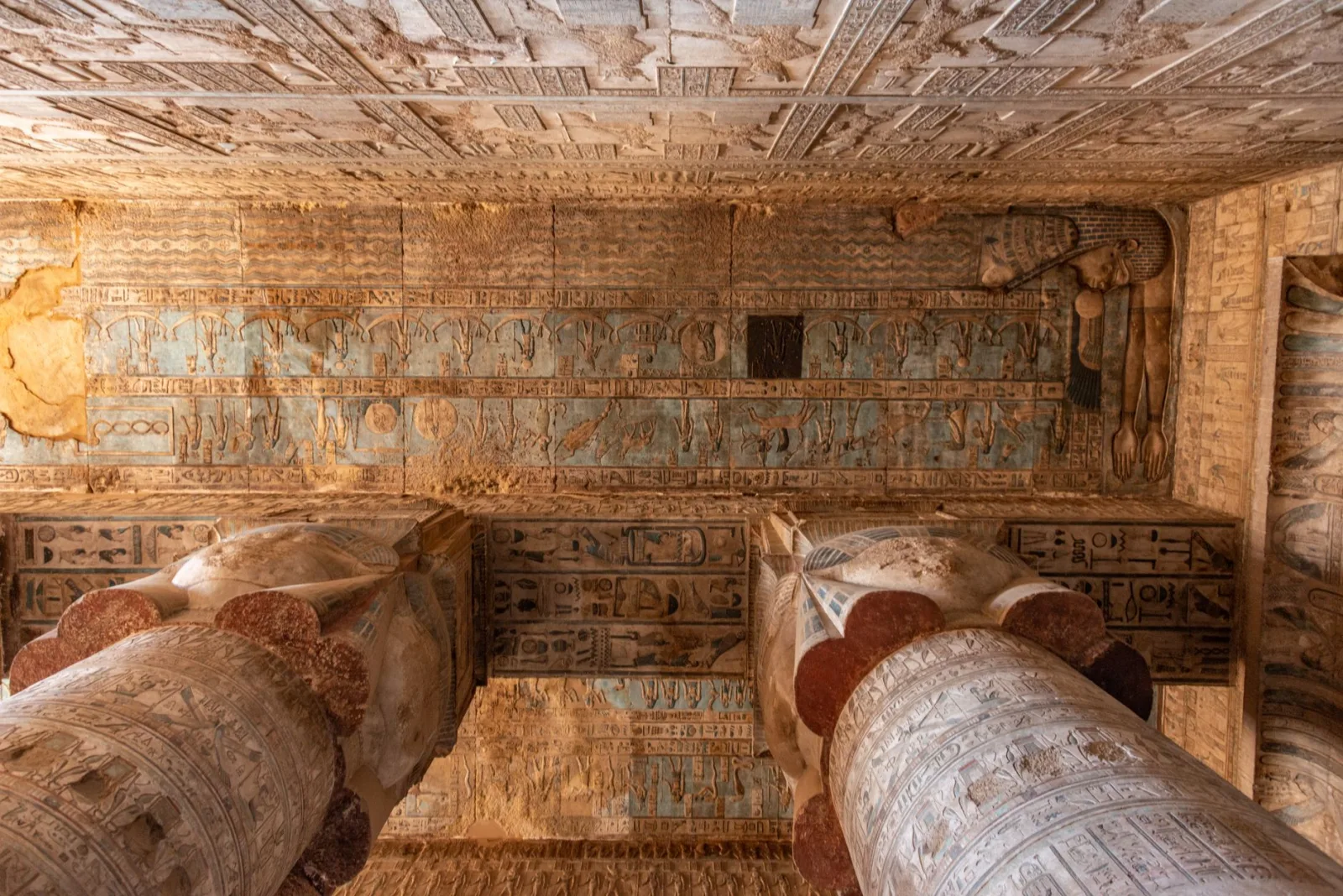
While the major temples are impressive, do not overlook Egypt’s lesser-known sacred sites. Places like the Temple of Seti I in Abydos and the Temple of Philae dedicated to Isis offer unique experiences away from the crowds. They can provide a more tranquil atmosphere for reflection and spiritual growth. Additionally, these sites often have fewer tourists, allowing for a more intimate connection with the ancient energies present.
7. Combining Spiritual Journeys with Other Experiences
Your journey through Egypt doesn’t have to be solely focused on sacred sites. You can integrate other enriching experiences to create a well-rounded trip. For instance, consider:
- Exploring Egypt’s Lesser-Known Adventure Sports: Engage in activities such as kitesurfing or diving in the Red Sea for a thrilling perspective of Egypt’s natural beauty. You can learn more about these activities here.
- Wellness Retreats: After your temple visits, consider unwinding at wellness retreats that focus on holistic healing. This can be a perfect way to integrate the spiritual energy you absorbed into personal well-being. Check out our guide on navigating Egypt’s wellness retreats.
Conclusion: Key Takeaways for Your Journey
Egypt’s sacred sites offer profound insights into the spiritual traditions of one of the world’s oldest civilizations. By understanding the historical context, engaging respectfully with local customs, and planning your visits thoughtfully, you can embark on a fulfilling spiritual journey through these ancient temples. Remember to take your time, stay aware of your surroundings, and remain open to the lessons these sacred places may impart.
In summary, your exploration of Egypt’s sacred sites can become a transformative experience. Embrace each moment, and let the ancient energies guide your journey.