




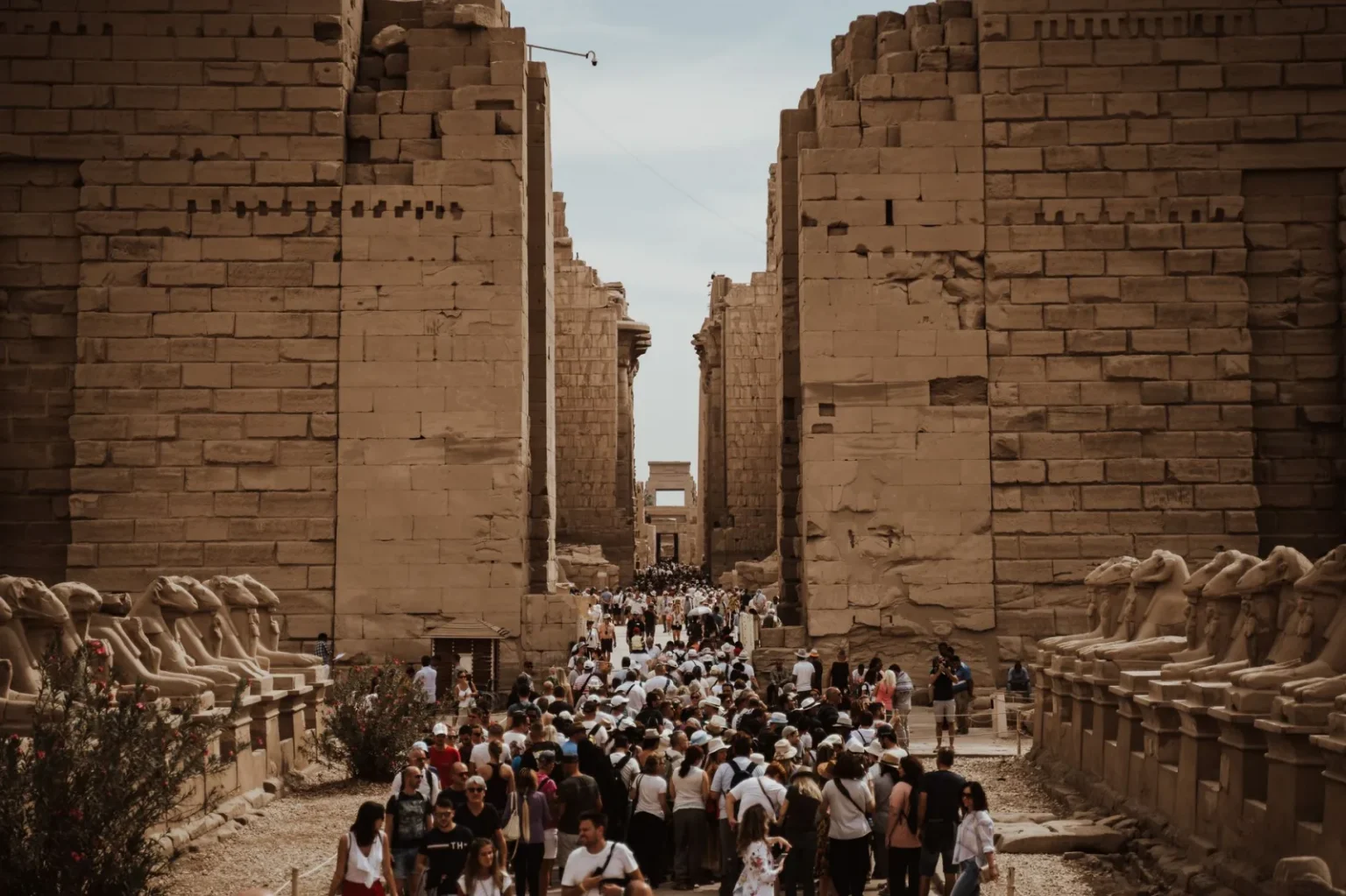

Understanding Egypt’s Cultural Landscape
Egypt’s rich history and diverse culture are woven into the fabric of daily life. As a first-time traveler, recognizing and respecting local customs is crucial. Egyptians are renowned for their hospitality, but understanding cultural etiquette enhances your experience and fosters goodwill. Let’s delve into the essential do’s and don’ts that will help you navigate Egypt with ease.
1. Dress Modestly
One of the first aspects of Egypt cultural etiquette to grasp is the importance of dressing modestly. While major tourist areas may be more lenient, locals often dress conservatively. For women, this typically means wearing long skirts or pants and tops with sleeves. Men should also avoid shorts in more traditional settings. Modest dress shows respect for the local culture and helps you blend in.
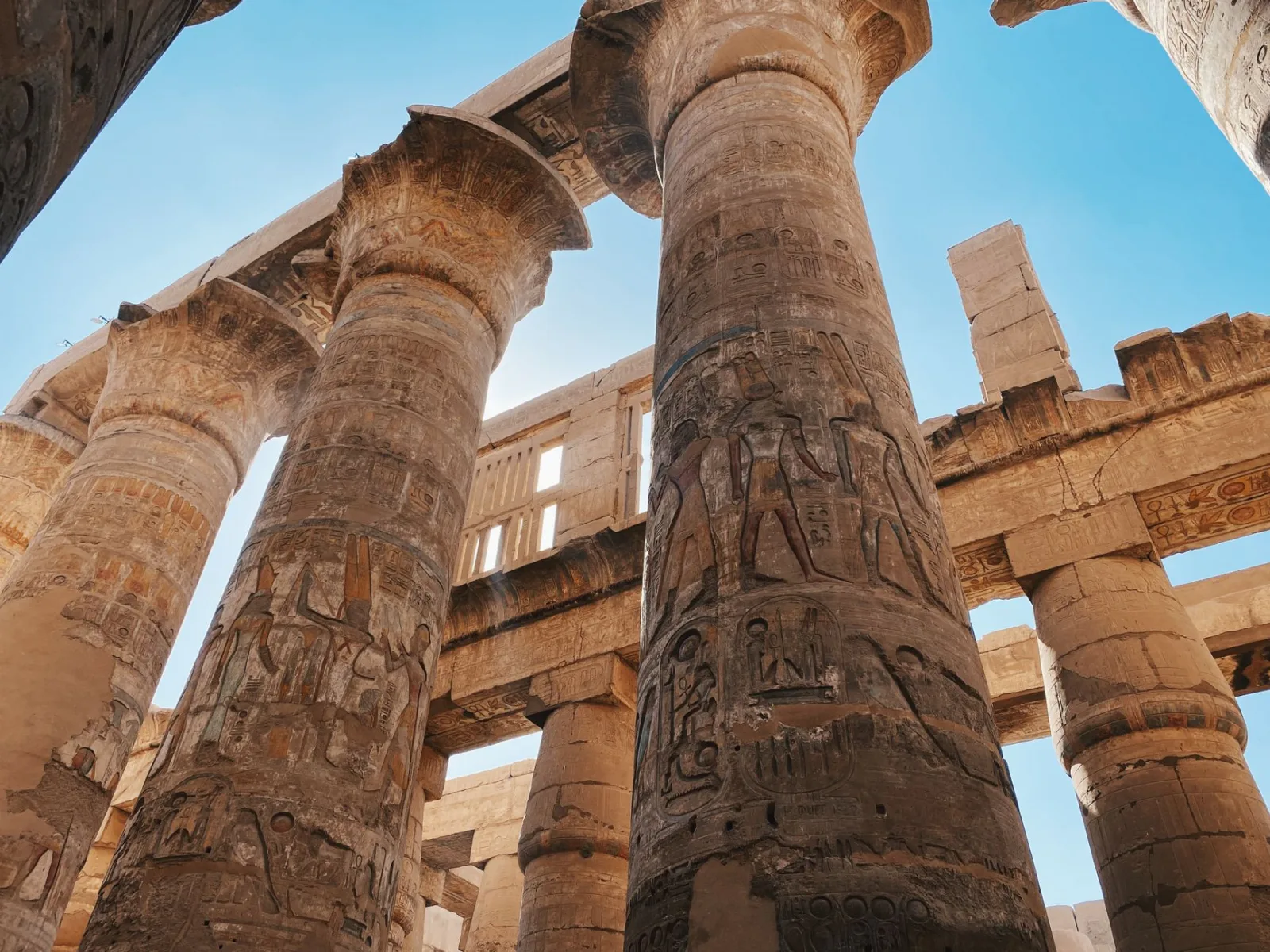
2. Greetings and Communication
When meeting someone in Egypt, a friendly greeting is essential. The common phrase is “As-salamu alaykum,” meaning “Peace be upon you.” The response is “Wa alaykum as-salam.” Shaking hands is customary, but be mindful that physical contact may be limited between genders. Always greet people with a smile, as this can break the ice and show your friendliness.
3. Respecting Religious Practices
Egypt is predominantly Muslim, and religious practices play a significant role in everyday life. During Ramadan, for instance, many locals fast from dawn until sunset. It is advisable to refrain from eating or drinking in public during the fasting hours. If you are invited to a local home for Iftar (the meal to break the fast), it is a privilege; ensure you express gratitude and bring a small gift, such as sweets or fruit.
4. Dining Etiquette
Dining in Egypt can be a delightful experience, but it comes with its own set of etiquette rules. First, wait for your host to start the meal before you begin eating. Egyptians often eat with their right hand, as the left hand is considered impolite for eating. If you’re dining at a more traditional setting, be aware that communal dishes may be provided, and sharing is common.
5. Photography Considerations
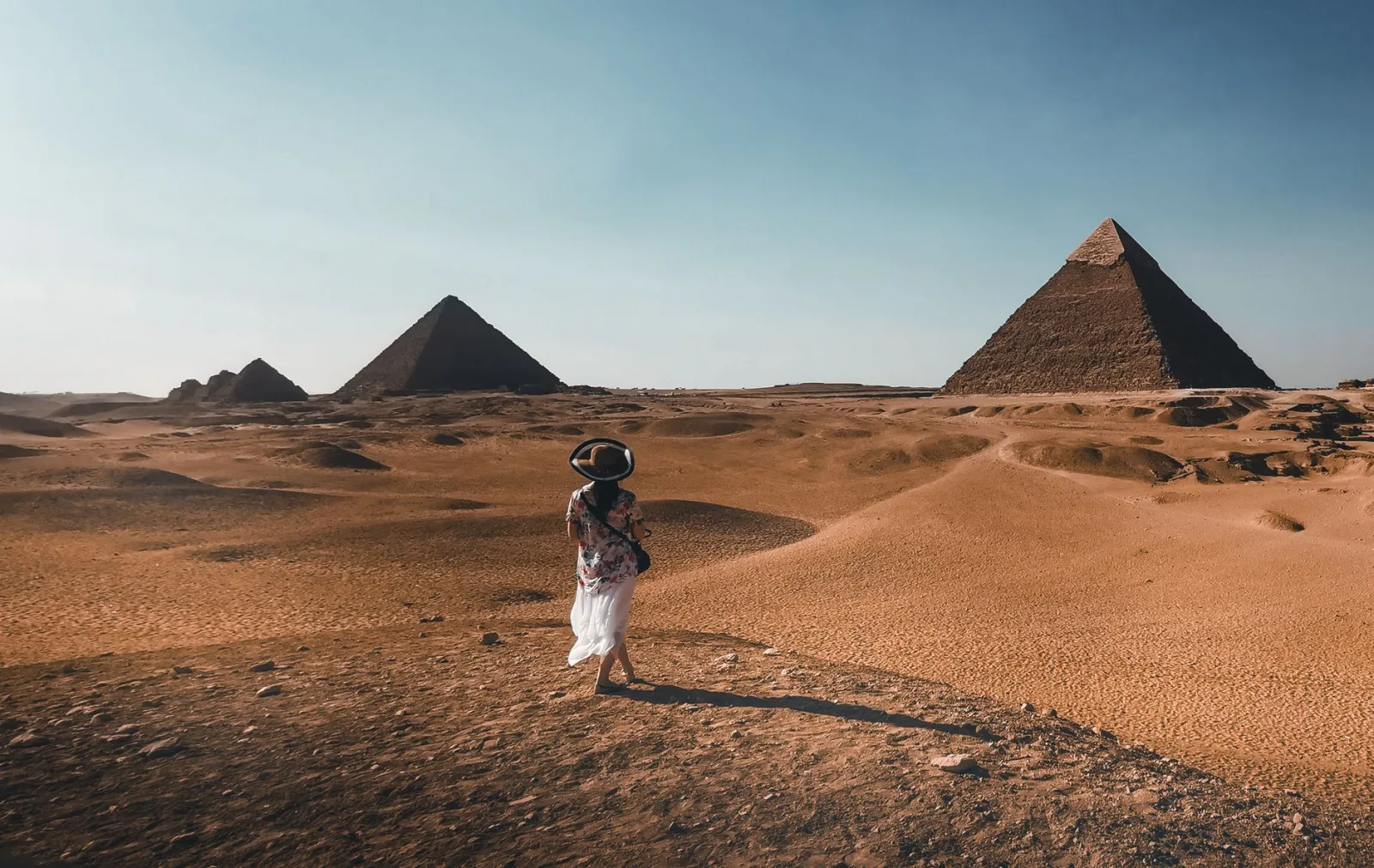
While Egypt’s landscapes and historical sites are breathtaking, always ask permission before photographing people, especially women or children. Some sites may have restrictions on photography, particularly within religious locations. A simple gesture of respect can go a long way. For instance, if you’re at the Pyramids, it’s not just about taking a picture; it’s about appreciating the culture and history behind them.
6. Tipping Practices
Tipping, or “baksheesh,” is a common practice in Egypt and is often expected for various services. In restaurants, rounding up the bill or leaving a small percentage (around 10-15%) is appreciated. When using taxis, rounding up the fare is also customary. However, be cautious: tipping should be given willingly, not out of obligation. It’s meant to express gratitude for good service.
7. Navigating Public Spaces
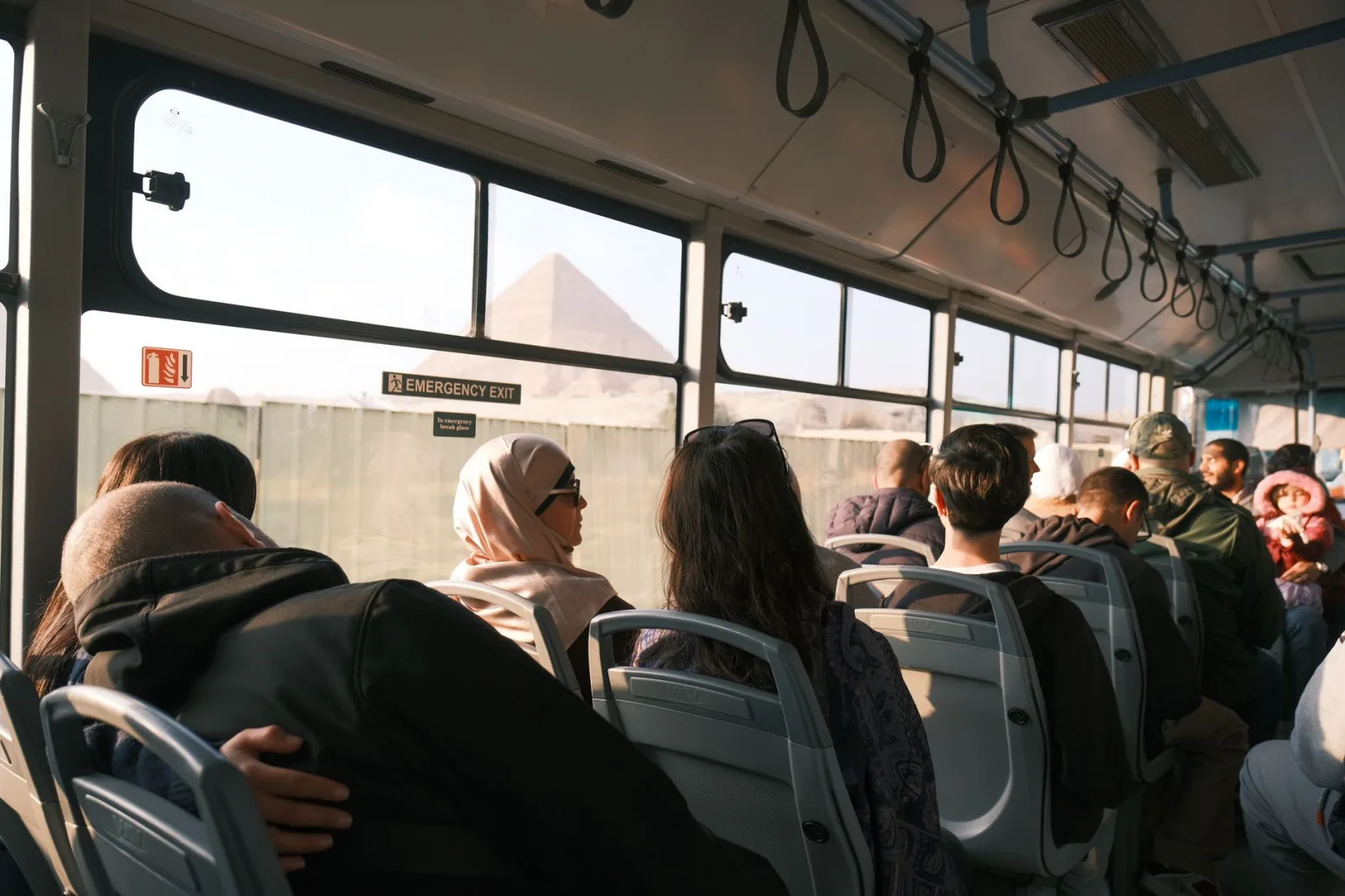
In public spaces, such as markets or local transport, it’s essential to be aware of your surroundings. Crowds can be overwhelming, so stay vigilant with your belongings. Avoid discussing sensitive topics like politics or religion with strangers. Instead, engage in light conversation about culture, food, or travel experiences. This approach fosters positive interactions and avoids potential misunderstandings.
Conclusion: Key Takeaways for Your Journey
Understanding Egypt’s cultural etiquette is not just about following rules; it’s about building connections and showing respect to your hosts. Dressing modestly, greeting warmly, respecting religious practices, adhering to dining etiquette, considering photography norms, navigating tipping practices, and being aware in public spaces are all vital for a fulfilling travel experience. By embracing these cultural dos and don’ts, you’ll not only enhance your enjoyment but also leave a positive impression. As you embark on your Egyptian adventure, remember: respect is a two-way street, and your efforts to understand local customs will be appreciated. Happy travels!