





Understanding Cultural Immersion
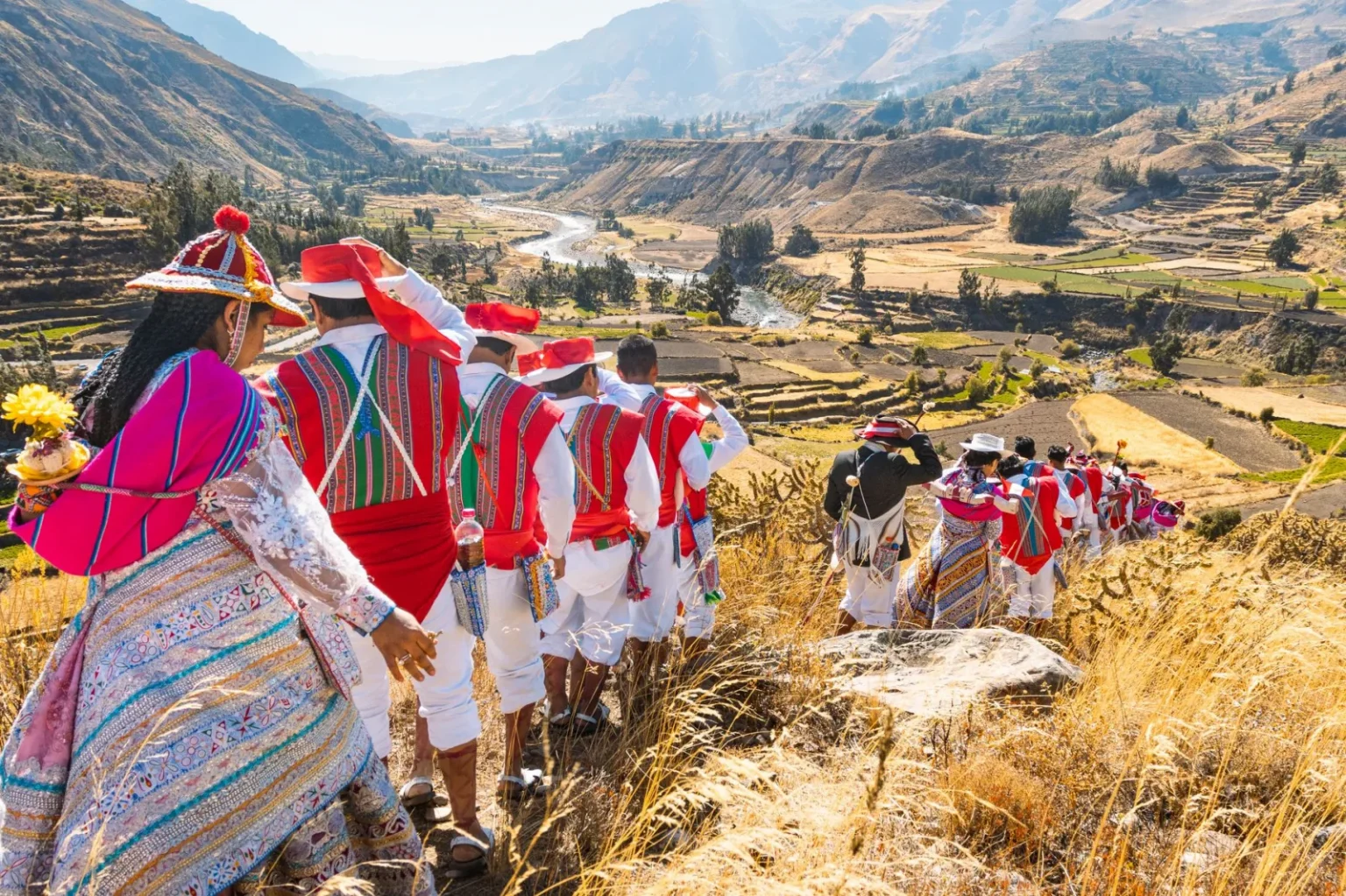
Cultural immersion refers to deeply engaging with the customs, practices, and daily lives of the local population. Unlike typical tourism, where you might only scratch the surface, cultural immersion allows you to understand local culture in a more profound way. This approach can enhance your travel experiences significantly, making them more memorable and fulfilling.
- Understanding Cultural Immersion
- Why Cultural Immersion Matters
- Steps to Achieve Cultural Immersion
- Important Tips for Successful Cultural Immersion
- Understanding Local Culture Through Food
- Utilizing Technology for Cultural Immersion
- Reflecting on Your Cultural Experience
- Conclusion: The Value of Cultural Immersion
Why Cultural Immersion Matters
Experiencing a destination through the eyes of its residents can transform your understanding of the world. When you immerse yourself, you gain insights into historical contexts, social structures, and everyday realities that you wouldn’t encounter otherwise. For example, sharing a meal with a local family can reveal traditions and recipes that are often overlooked in guidebooks.
Steps to Achieve Cultural Immersion
To help you navigate the journey of cultural immersion, here are several actionable steps:
- Research Before You Go: Prior to your trip, invest time in understanding the local culture. Read books, watch documentaries, or follow local influencers online. This foundational knowledge will prepare you for authentic interactions and help you avoid cultural faux pas.
- Learn the Language: Even a basic understanding of the local language can greatly enhance your experience. Simple phrases like “hello,” “thank you,” and “please” can open doors and create goodwill. For instance, a traveler in Japan who learns to say “arigato” (thank you) may find locals more willing to engage.
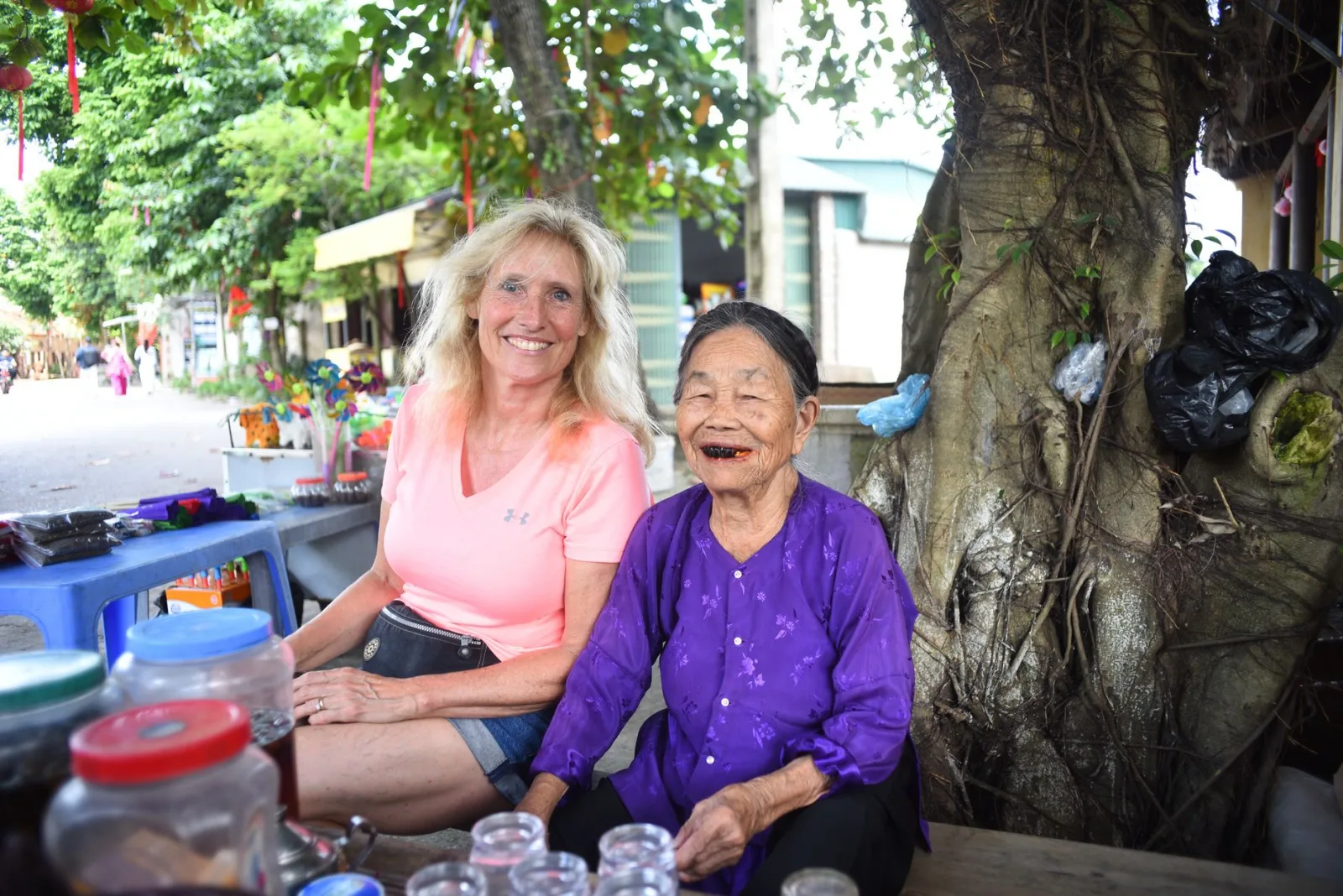
- Engage with Locals: Seek opportunities to meet residents. This could be through local tours, workshops, or community events. Participating in a cooking class with a local chef can provide insights into culinary traditions and dining etiquette.
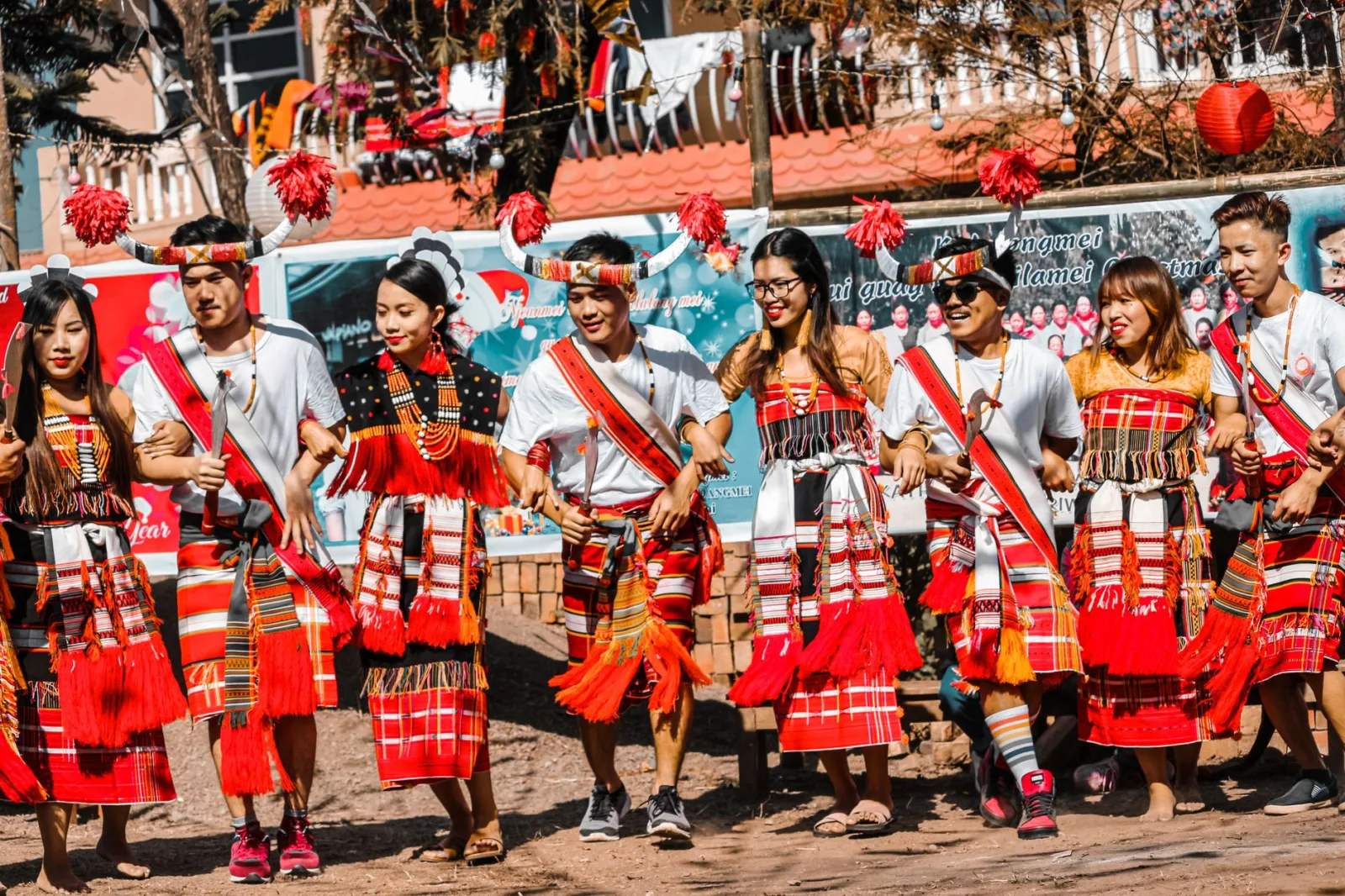
- Participate in Community Activities: Attend local festivals, markets, or volunteer opportunities. By participating, you not only observe but also contribute to the community, fostering a sense of belonging. For example, joining a beach cleanup in Bali can help you connect with environmental values of the locals.
- Stay Locally: Choose accommodations that reflect local culture, such as guesthouses or homestays. This not only supports the local economy but also immerses you in the daily lives of residents. Living with a host family can provide unique insights into their lifestyle and customs.
- Respect Local Customs: Always be mindful of cultural norms. Researching social etiquette, such as dress codes or dining practices, can help you navigate interactions respectfully. For instance, in many Asian cultures, it’s customary to remove your shoes before entering a home.
- Reflect on Your Experiences: After each interaction, take time to reflect on what you learned. Journaling your thoughts can help you process experiences and solidify your understanding of the culture.
Important Tips for Successful Cultural Immersion
Here are some additional considerations to enhance your cultural immersion:
- Be Open-Minded: You may encounter practices that seem strange or unfamiliar. Approach these differences with curiosity rather than judgment.
- Stay Flexible: Cultural experiences often require adaptability. Plans may change, and unexpected experiences can lead to the most enriching moments.
- Common Mistake: Avoid sticking to the tourist trail. If you only visit popular attractions, you may miss out on genuine interactions. Explore lesser-known areas to discover hidden gems.
- Pro Tip: Connecting with expatriates can also provide a unique perspective on the local culture. They can share their experiences and tips for navigating the intricacies of living in a new country.
Understanding Local Culture Through Food
Food is often the heart of cultural immersion. It serves as a gateway to understanding a community’s values and traditions. For example, in Italy, meals are not just about nourishment; they are social events that bring families together. By partaking in local dining customs, you learn about the significance of food in the culture.
Utilizing Technology for Cultural Immersion
In today’s digital age, technology can be a valuable tool for cultural immersion. Use apps to learn the language, find local events, or connect with locals. Social media platforms can also help you discover hidden places and experiences based on recommendations from local users.
Reflecting on Your Cultural Experience
After your travels, take the time to reflect on what you’ve learned. This can deepen your understanding and appreciation of the culture. Share your experiences with others, whether through storytelling or social media, but be sure to respect the privacy of individuals you met during your trip.
Conclusion: The Value of Cultural Immersion
Cultural immersion enriches your travel experiences by providing a deeper understanding of local cultures. By following the steps outlined above, you can create meaningful connections and memories that last a lifetime. Remember, travel is not just about the places you visit but the people you meet along the way. The next time you plan a trip, consider how you can immerse yourself in the local culture for a more fulfilling journey.